
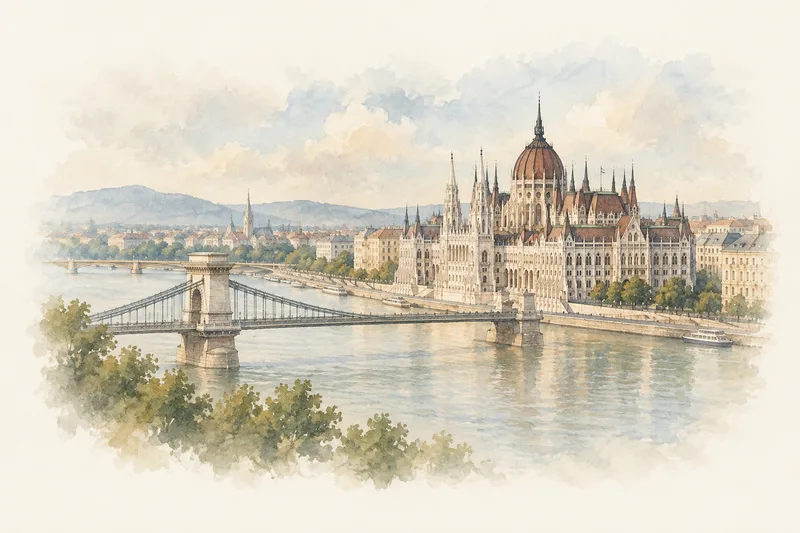
BEFORE YOUR FIRST MEAL
Navigating food allergies in Hungary
Hungarian cooking brings together paprika-seasoned stews, soups, meat with potatoes or dumplings, sour-cream toppings, fried dough and elaborate pastries. Recipes can vary between Budapest, rural restaurants, markets and individual cooks. A dish name is only a starting point: ask about the complete recipe, thickener, stock, toppings, oil and utensils before ordering, especially where food is prepared at a busy counter.
What to know first
Paprika dishes
Chicken paprikash uses a paprika sauce that may be thickened with wheat flour; ask about the thickener, stock, sour cream and any side served with it.
Fried and topped foods
Lángos is wheat-based fried dough often topped with sour cream and cheese. Ask what oil it uses, what else is fried there, and whether toppings are added separately.
Communicate clearly
Prepare a written explanation in Hungarian, and show it before ordering. Ask staff to confirm the complete recipe rather than relying on a menu name or a short dietary label.
Shared preparation
For soups, dumplings and pastries, ask about shared ladles, pans, boards, oil and water, plus stock, sauces, fillings and finishing ingredients added after cooking.
Packaged labels
Under EU rules, the 14 allergen categories must stand out in ingredient lists for prepacked foods; restaurants must also make allergen information available. Check the full list and ask how information for your specific order is provided.
Understanding the food
Soups and stews, noodles and dumplings, sour cream, freshwater fish, pork, poppy seed, walnuts, apricots and peppers connect the Great Plain, Transdanubia, northern hills and Danube towns. Budapest gathers these traditions, but regional wine, fish and farmhouse dishes remain essential.
Plain, lake, hills and rivers create different specialties.
| Region | Food landscape | Examples to explore |
|---|---|---|
| Great Plain | Cattle, sheep, peppers, onions and open-fire cooking | Gulyás, pörkölt, slambuc and regional sausages |
| Danube & Budapest | Markets, café culture, river fish and urban pastry | Fisherman’s soup, főzelék, strudel and layered cakes |
| Lake Balaton & Transdanubia | Freshwater fish, wine, dairy and orchards | Fried hake, pike-perch, potato dishes and wine-cellar food |
| Northern Hungary | Hills, forests, wine and Slovak-influenced rural cooking | Palóc soup, game, dumplings and Tokaj pairings |
Visit Hungary treats paprika dishes as one part of a broader pantry. Freshwater fish, sour cream, noodles, pickles, fruit soups, pastries and wine regions complicate the stereotype of uniformly heavy red stews. [8][9]
Festivals connect food to agricultural and seasonal cycles. UNESCO’s Busó festivities at Mohács include communal gatherings, food and wine within an end-of-winter tradition. The dishes make sense through the occasion rather than as isolated restaurant products. [11]
Paprika gives colour, sweetness, fruit and heat in different forms.
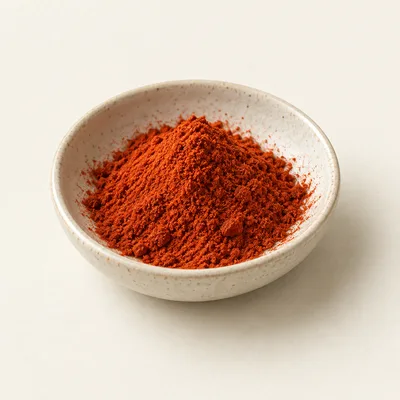 SIGNATURE SPICEPaprika
Sweet, hot, smoked and regionally produced powders
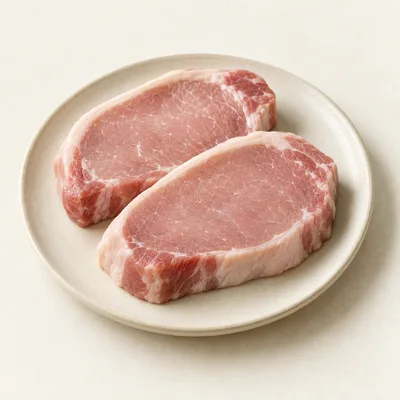 MEAT CRAFTPork
Stews, sausages, lard and cured products
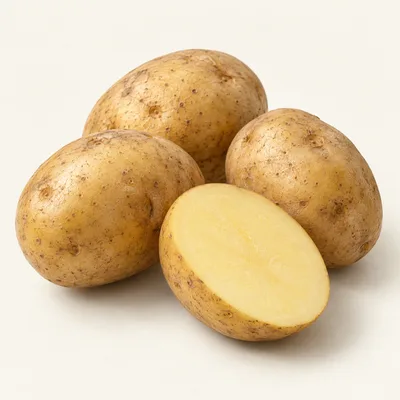 FIELD CROPPotato
Soups, dumplings, noodles and paprika dishes
Noodle toppings, rolls, cakes and festive sweets
Gulyás, pörkölt and paprikás are related but not interchangeable. Gulyás is generally a soup with meat and vegetables; pörkölt is a reduced stew; paprikás often brings sour cream into the sauce. Restaurant translations can obscure these distinctions. [8][9]
Wine regions change the food around them. Tokaj, Eger, Villány, Somló and Balaton have different grapes, soils and cellar traditions that pair with game, fish, cheese, pork and desserts. [10]
Market halls, csárda inns and pastry cafés offer different Hungary.
A market lunch reveals everyday cooked food. Soup, főzelék, sausages, pickles, lángos and pastries show practical city eating, while regional inns focus more on stews, fish or open-fire dishes. [8][9]
Budapest café culture is a real tradition, not the whole national story. Layered cakes, strudel and coffee belong to an urban Central European repertoire; travel beyond the capital for cellar food, Great Plain cooking and lake fish. [9][10]
Food-culture sources checked .
Paprika, stews and soups
Paprika appears in examples such as chicken paprikash, fisherman’s soup and lecsó, but the rest of each recipe matters. Bean goulash may use wheat flour as a thickener, while Hungarian meat soup may include wheat or egg noodles and celery in the broth. Ask whether stock, flour, noodles or sour cream are added, and whether the named version differs from the kitchen’s recipe.
Doughs, dumplings and fried foods
Wheat flour, breadcrumbs, semolina and noodles recur in Hungarian examples. Cottage cheese dumplings may contain wheat semolina, breadcrumbs and egg; plum dumplings may use wheat flour, breadcrumbs and sometimes egg. Lángos is wheat-based and commonly receives sour cream or cheese. Ask about the dough, coating, toppings and shared frying oil rather than assuming a plain-looking portion is simple.
Cakes and regional variation
Hungarian pastry examples can combine several ingredients: beigli has a wheat pastry and may have walnut filling, while Dobos, Esterházy, Gerbeaud, Gundel and Somlói examples involve combinations of wheat, egg, dairy and, in some cases, walnut. Cukrászda cakes and strudels may differ by recipe. Ask about each layer, cream, glaze, filling and decoration, including whether a substitution was made.
Ingredients worth recognising
Start with these ingredients, then follow their names and recorded food connections. Check the recipe and product actually used.
Wheat flour
Wheat flour forms the dough or batter in examples including lángos, Hungarian strudel, pancakes and chicken paprikash thickening. Ask whether it is in the main item, sauce or coating, and whether breadcrumbs or noodles are also included.
Celery
Celery is recorded as an aromatic in Hungarian meat soup and Újházy chicken soup. Ask whether it is in the stock, broth or vegetable mixture, and whether the same ladle or pot is used for other servings.
Carp
Carp is the defining fish in the recorded fisherman’s soup connection, while fish is also central to fish soup generally. Ask which fish is used, what stock forms the base, and whether toppings or noodles are added.
Sour Cream
Sour cream appears as a topping or layer in lángos, bean soup, layered cabbage, layered potatoes and stuffed cabbage examples. Ask whether it is mixed into the dish, added at the end, or served from a shared container.
Walnut
Walnut is recorded in beigli, Esterházy torte, Gerbeaud slice, Gundel pancakes and Somlói galuska. Ask about fillings, sponge, crumb, decoration and sauces, and whether walnut is handled on the same surface as your portion.
How food labelling works
EU food-information rules cover 14 allergen categories used as ingredients. On prepacked food, these must stand out in the ingredients list. The categories include gluten-containing cereals, crustaceans, eggs, fish, peanuts, soybeans, milk, specified nuts, celery, mustard, sesame, sulphites above the stated threshold, lupin and molluscs.
Allergen information is also required for food sold without prepacking, including restaurant meals. Ask how to obtain the information for the exact order. National arrangements affect how it is supplied; an ingredient declaration does not by itself describe shared equipment or handling.
If you avoid a food outside those categories, read the complete ingredients and name that food when speaking to staff. A short allergen key cannot answer every ingredient-specific question.
Language and communication
Hungarian (Magyar) should be your first written explanation for an allergy or other food avoidance. Include the specific food, the dishes you are considering, and a request to confirm the whole recipe, stock, sauce, topping, oil and shared preparation.
Do not assume the person taking your order can discuss ingredients in English. Show your written Hungarian explanation and ask for confirmation from the kitchen. Name the individual foods you avoid, then check the stock, flour, dairy ingredients, garnishes and preparation used in the meal you are considering.
Eating in different settings
Lángos stand
Ask whether the dough contains only the stated ingredients or also egg or dairy, what oil is used, and whether it is shared with other foods. Confirm sour cream, cheese, garlic, mayonnaise, chocolate or fruit toppings separately before choosing.
Cukrászda
For Dobos, Esterházy, Gerbeaud, Gundel, Somlói or strudel, ask staff to identify every sponge, pastry, cream, filling, glaze and decoration. Confirm whether walnut is present and whether slices are cut or displayed on shared surfaces.
Restaurant meal
For paprikash, soups or dumplings, ask about stock, flour, noodles, egg, celery, sour cream and finishing toppings. Ask whether the requested portion uses a separate pan, ladle or cooking water, and whether the recipe changes that day.
Market or packaged-food shop
Read the complete ingredient list on bread, breadcrumbs, chocolate, preserves and other packaged foods. Ask staff about the exact product and any advisory information; a short allergen key cannot answer questions about ingredients outside the listed categories.
Before you travel
Review your personal plan
Discuss your travel plans with your clinician and keep your prescribed medicines and emergency instructions accessible. Tell companions where these are and how to follow your plan.
Check your medicines before entering Hungary
The legal status of medicines prescribed or bought in the UK can differ in Hungary. Check TravelHealthPro’s medicine-travel guidance before departure. Check the relevant guidance for any requirements that may apply to your medicines.
Make the first meals easier to organise
Contact your accommodation and transport providers in advance. Save your written food list, menu questions and destination address offline. Check entry restrictions before packing backup food, and plan how you will check meals during arrival and onward journeys.
Plan access to medical help
For medically necessary state healthcare in Hungary, if you may be eligible for UK-issued healthcare cover, check whether you hold a valid GHIC or EHIC and review NHS guidance on eligibility, temporary cover and what treatment qualifies. A GHIC or EHIC is not travel insurance and may not cover private, non-urgent care or repatriation. Check insurer terms.
Emergency resources
For a suspected severe allergic reaction, follow your prescribed emergency plan and seek urgent medical help. Give your exact location clearly.
Ambulance and urgent medical help
Dial 112 and ask for an ambulance.
Explore next
Your allergy in Hungary
Choose a food concern for the country notes and questions relevant to it.
Dishes in Hungary
Follow the ingredients and cuisine connections in individual dish records.
Your own food list
Combine allergy groups and individual ingredients in one guide, with local names where recorded.
Allergy cards
Prepare the information you need to explain your food requirements.
FAQs, sources and review dates
Could a plain-looking Hungarian soup contain more than its named main ingredient?
Yes. The recorded Hungarian meat and Újházy chicken soups may include wheat or egg noodles and celery in the broth. Fisherman’s soup centres on fish, but ask about the stock, additions and serving utensils rather than treating the title as a full recipe.
What should I ask about a dessert if I avoid walnut but have no common listed allergen?
Name walnut specifically and ask about every layer, filling, topping, crumb and decoration. Beigli, Esterházy, Gerbeaud, Gundel and Somlói examples connect walnut with pastries, cakes or sauces, but the particular recipe and presentation still need confirmation.
Does wheat flour answer every question about gluten or coeliac avoidance?
No. Wheat and gluten are distinct questions, and wheat flour is only one recorded source. Ask about wheat, barley, rye, breadcrumbs, noodles, semolina, shared oil and utensils separately, then request the complete recipe rather than relying on a dish label.
Sources checked: . This researched draft is awaiting editorial review. Practical questions apply the sources below to local food settings; they do not confirm any individual meal's ingredients or preparation.
Sources & references (11)
- FCDO · Hungary health and medical assistance
Emergency contact details, local healthcare and medicine guidance. UK-specific eligibility does not apply to every visitor.
- Wikivoyage contributors · Hungary
Community-edited culinary context only; not an allergy or medical authority. Brief food-context adaptations, CC BY-SA 4.0: https://creativecommons.org/licenses/by-sa/4.0/. Recipe questions also use PlateSafe’s draft records.
- FARE · Dining out
General recipe and preparation questions, applied here to country-specific food examples.
- FARE · Travelling with food allergies
General preparation, written communication and access to prescribed medicines. Not country-specific import permission.
- PlateSafe · Hungary recorded food connections
Existing draft dish and ingredient records, used as examples to investigate. These are not independently verified recipes or suitability assessments.
- Unicode CLDR · Territory language data
Language suggestions. Regional language needs must be confirmed with the particular food provider.
- European Commission · Allergen information
Scoped allergen-labelling summary. Does not establish an individual meal’s ingredients or preparation.
- Visit Hungary — Gastronomy
- Budapest Brand — Hungarian cuisine
- Wines of Hungary — Wine regions
- UNESCO Intangible Heritage — Busó festivities at Mohács