
BEFORE YOUR FIRST MEAL
Navigating food allergies in Iceland
Icelandic food ranges from simple lamb and fish staples to modern Scandinavian cooking in Reykjavík. Familiar names can conceal important variations: harðfiskur may come with butter, pylsur with several toppings, and fiskisúpa with cream or stock. Use the Icelandic dish name as a recognition aid, then confirm every ingredient, preparation surface and accompaniment for your particular serving.
What to know first
Fish appears in several forms
Fish is central to dishes including fiskibollur, fiskisúpa, gellur, hákarl, saltfiskur and skata. Ask which fish is used and whether stock, sauce or garnish adds another seafood ingredient.
Bread, batter and binders vary
Rye flour binds blóðmör and lifrarpylsa, while wheat flour appears in buns, cakes, pancakes and some sauces. Ask about the complete flour mix rather than relying on the dish name.
Explain the whole order
State the ingredient you need to avoid, then ask who can confirm the exact recipe, including stock, sauces, coatings, toppings and bought-in ingredients. Request confirmation for your particular order.
Preparation matters separately
Ask whether shared equipment, utensils, frying oil or cooking water are used for your food and other items. A recipe answer or label does not describe every preparation step.
Check labels and loose-food information
For prepacked food, read the complete ingredients and separate warning together; Icelandic allergen information may be emphasised in bold. For unpackaged food, ask the seller for the information.
Understanding the food
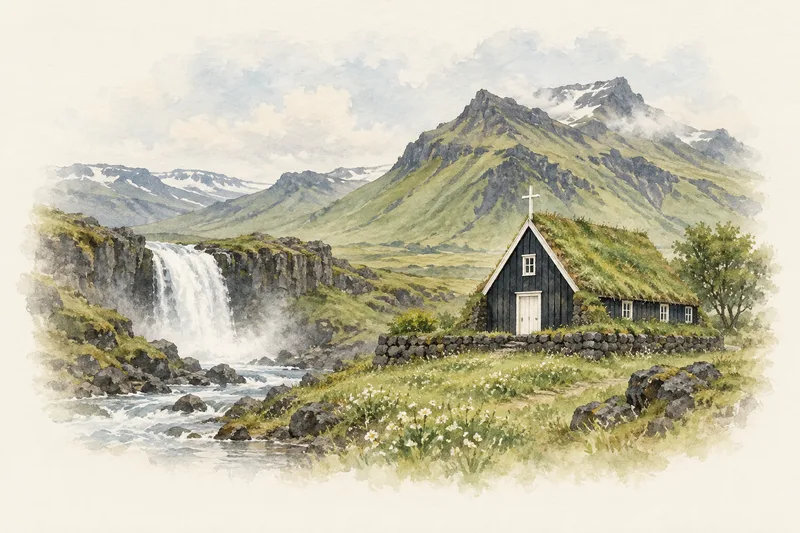
Cod, haddock, lamb, dairy, rye, potatoes, seaweed and wild berries reflect an island where weather and short growing seasons once made drying, smoking, salting, fermenting and souring essential. Geothermal greenhouses and contemporary Reykjavík kitchens have widened the pantry without erasing regional fishing and farming traditions.
Coastal catch and inland sheep farms produce different local tables.
| Region or setting | Food landscape | Examples to explore |
|---|---|---|
| Reykjavík & southwest | National restaurant scene, bakeries and geothermal greenhouses | Fish, lamb, rye bread, skyr and contemporary Nordic menus |
| Westfjords & north coast | Fishing villages, drying racks and cold-water catch | Stockfish, cod, prawns, fish stew and preserved foods |
| East & southeast | Sheep farms, reindeer in the east and glacier-coast fisheries | Lamb, game, langoustine and dairy |
| Interior farms & geothermal areas | Pastoral food, potatoes, rye and greenhouse produce | Hangikjöt, hverabrauð, soups and cultivated vegetables |
Visit Iceland connects cuisine to sea, farm and energy. Fishing and sheep farming provide historical foundations, while geothermal heat now supports greenhouses and slow-baked rye in particular locations. [8][9]
Preservation is environmental knowledge rather than novelty. Drying fish in cold wind, smoking meat, fermenting whey and using sour storage helped foods survive seasons with limited grain and fresh produce. [8][10]
Clean dairy and fish sit beside strong preserved flavours.
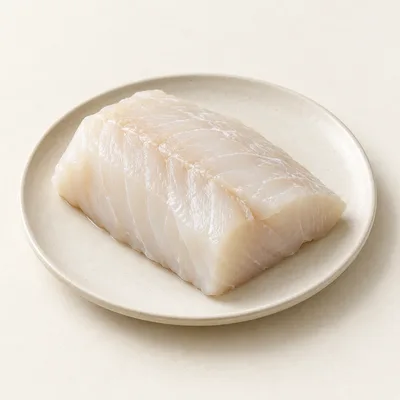 NORTH ATLANTICCod
Fresh, salted, dried or worked into fish stew
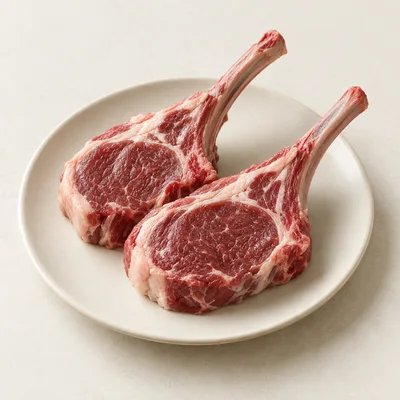 PASTORAL MEATLamb
Roasted, stewed or smoked as hangikjöt
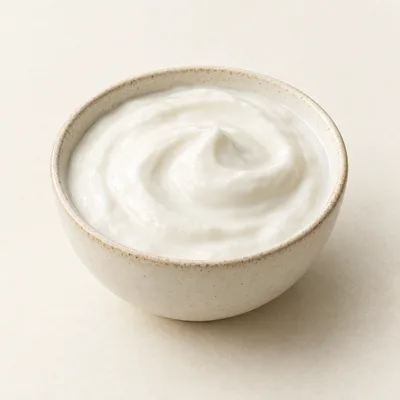 CULTURED DAIRYSkyr
Thick cultured milk eaten plain or in sweet dishes
Dense steamed or geothermal breads
Plokkfiskur turns cooked fish into everyday comfort food. Flaked fish, potatoes and onion bind in a white sauce and are served with dark rye bread. It explains the practical reuse of fish better than a luxury seafood platter. [8]
Fermented shark is culturally real but commercially overemphasised. Hákarl reflects a preservation response to otherwise toxic Greenland shark, yet it is not a daily summary of Icelandic eating. Fresh fish, lamb, dairy and bread are more representative. [8]
Harbour restaurants, bakeries and farm kitchens each tell a different story.
Ask what came from the surrounding waters or farms. A fishing town may specialise in the day’s cod, haddock or shellfish; inland areas may foreground lamb, dairy and greenhouse produce. Provenance is more useful than a generic “Icelandic menu”. [8][9]
Contemporary kitchens often reinterpret rather than reproduce tradition. Chefs use seaweed, cultured dairy, root vegetables, fish and lamb with modern Nordic technique. That evolution belongs to the cuisine as long as the ingredient and producer story remain clear. [9]
Food-culture sources checked .
Fish, soup and stock
Fish may be the defining ingredient in fiskibollur, fiskisúpa, gellur, saltfiskur, hákarl and skata. Fiskisúpa can have celery as an aromatic and cream in a creamy style, while seafood stock may be based on fish bones or trimmings. Ask whether the soup base, garnish and cooking liquid contain fish, shellfish or milk, not only whether the visible fish is suitable.
Rye and wheat on the table
Rúgbrauð is defined by rye flour, although some recipes also include wheat. Rye bread may accompany skata, and rye flour is a binder in blóðmör and lifrarpylsa. Wheat flour is used in pylsur buns, pönnukökur, kleinur and cakes, and appears in some plokkfiskur sauces. Ask whether the stated flour is the only grain and how the item was prepared.
Dairy, batter and sweet foods
Skyr is a cultured milk-based food. Butter, cream or milk occur in dishes such as harðfiskur with its customary accompaniment, humarsúpa, plokkfiskur, pönnukökur, rjómabollur and kleinur. Egg is common in fish mixtures, pancakes and pastries. Ask about batter, fillings, toppings and dairy added after cooking, rather than treating a plain-sounding dessert as a complete recipe.
Fast food and preserved specialities
Pylsur are served in a wheat-flour bun with possible fried onions, fresh onions, ketchup, mustard and remoulade; egg may occur in a mayonnaise-based remoulade. Þorramatur can include hákarl, sviðasulta, lundabaggi and hrútspungar, while skata is associated with cured skate. Ask which components are included, whether toppings are optional, and what accompanies the serving.
Ingredients worth recognising
Start with these ingredients, then follow their names and recorded food connections. Check the recipe and product actually used.
Rye bread
Rye bread is the customary variable accompaniment recorded for skata and may also be relevant beside other savoury foods. Rye is its defining grain, but many formulations include wheat. Check the full flour list, recipe and shared preparation if grain avoidance matters.
Celery
Celery is recorded as a common aromatic vegetable in fiskisúpa and may also appear in seasoned products such as some ketchup formulations. Ask whether it is in the soup base, stock, garnish or sauce, and check bought-in condiments separately.
Cod
Cod is the defining fish in saltfiskur. Confirm that the named fish is cod and ask about soaking, cooking liquid, sauce and garnish. If the concern is fish, also ask whether shared equipment or stock has been used for other fish or seafood.
Egg
Egg is recorded in fiskibollur as a common binder and in many kleinur recipes, as well as pancakes and pastries. Ask whether it is in the mixture, coating, filling or topping, and whether a mayonnaise-based remoulade is included with the order.
Cream
Cream is common in the creamy style of fiskisúpa and in rich humarsúpa; it is also a core ingredient in rjómabollur. Ask whether the soup is made in that style, whether cream is added separately, and whether the recipe includes butter or other milk-derived ingredients.
Mustard Paste
Mustard is a customary topping for pylsur, and mustard-derived material is intrinsic to mustard paste. Ask whether mustard is already in the sausage, remoulade or ketchup, whether toppings are applied separately, and whether utensils are shared between condiments.
How food labelling works
Iceland’s food authority explains that allergens must be clearly distinguished in prepacked-food ingredients, for example through bold type. Read the ingredients and any separate warning together, checking the specific food names you need to avoid.
For food sold unpackaged, the seller must provide allergen and intolerance information; this may be given verbally. Ask who can confirm the exact recipe, including sauces, stock, coatings and bought-in ingredients.
A verbal answer or label does not describe every preparation step. Ask separately about shared equipment and how the information applies to your particular order.
Language and communication
Icelandic (íslenska) is Iceland’s official language and the food names in this guide are Icelandic recognition aids. Write a clear explanation of the ingredient to avoid, the foods concerned and the need for recipe confirmation; do not rely on a dish name alone.
A traditional preparation, a modern restaurant version and a bought-in product can have different recipes. Show your written Icelandic explanation when asking about the exact order. Confirm sauces, stock, toppings and shared equipment with the person responsible for preparation, and arrange language help if the answer is unclear.
Eating in different settings
Hot-dog stand or convenience counter
For pylsur, ask what is in the bun and sausage, then request a list of every topping: mustard, ketchup, onions and remoulade. Ask whether egg is in the remoulade, whether toppings are added with separate utensils, and whether the bun is toasted on shared equipment.
Fish-soup restaurant
With fiskisúpa, ask whether the recipe is creamy and whether celery is in the aromatic base. Confirm the fish, seafood stock, garnish and bread served alongside. If ordering humarsúpa instead, ask specifically about langoustine, cream, butter and shared soup equipment.
Bakery or café
For rúgbrauð, kleinur, pönnukökur, rjómabollur or another cake, ask for the complete flour and dairy ingredients, including fillings and toppings. Check whether rye products also contain wheat, and whether pastries are handled or displayed with other baked goods.
Þorrablót or shared meal
Ask the caterer to identify each component of the Þorramatur selection before serving: hákarl, sviðasulta, lundabaggi and hrútspungar may be presented together. Ask about accompaniments, including rye bread or butter, and whether serving utensils are shared between dishes.
Before you travel
Review your personal plan
Discuss your travel plans with your clinician and keep your prescribed medicines and emergency instructions accessible. Tell companions where these are and how to follow your plan.
Check your medicines before entering Iceland
The legal status and regulation of some medicines prescribed or bought in the UK can differ in Iceland. Before travelling, read TravelHealthPro guidance on travelling with medicines and ask the relevant Icelandic authority or carrier whether your medicine requires import documentation.
Make the first meals easier to organise
Contact your accommodation and transport providers in advance. Save your written food list, menu questions and destination address offline. Check entry restrictions before packing backup food, and plan how you will check meals during arrival and onward journeys.
Plan access to medical help
For medically necessary state healthcare in Iceland, UK travellers who qualify under NHS rules may use a GHIC or EHIC. These cards are not travel insurance and may not cover private care, non-urgent treatment, extra treatment costs or medical repatriation. Check the NHS guidance and your insurer.
Emergency resources
For a suspected severe allergic reaction, follow your prescribed emergency plan and seek urgent medical help. Give your exact location clearly.
Ambulance and urgent medical help
Dial 112 and ask for an ambulance.
Explore next
Your allergy in Iceland
Choose a food concern for the country notes and questions relevant to it.
Dishes in Iceland
Follow the ingredients and cuisine connections in individual dish records.
Your own food list
Combine allergy groups and individual ingredients in one guide, with local names where recorded.
Allergy cards
Prepare the information you need to explain your food requirements.
FAQs, sources and review dates
Is skyr suitable if I avoid milk?
Skyr is recorded as a cultured dairy food made from milk, so the name alone is enough to identify its basic source but not every flavoured product. Check the complete label for added ingredients and ask about toppings, flavourings and shared serving utensils.
Could a hot dog be free from the ingredients I avoid if I skip toppings?
Not necessarily. Pylsur are recorded with a wheat-flour bun, mustard is customary, and egg may occur in remoulade. Ask about the sausage itself, the bun, each topping, the serving utensils and the preparation surface, rather than removing toppings without confirmation.
What should I check if I avoid sulfites rather than a common food group?
Possible versions may include dried plums, fruit preserves, raisins and dry white wine, with sulfites that are formulation-dependent or commonly present. Check the specific label or recipe, including fillings, sauces and drinks, and ask whether a commercial ingredient has been used.
Sources checked: . This researched draft is awaiting editorial review. Practical questions apply the sources below to local food settings; they do not confirm any individual meal's ingredients or preparation.
Sources & references (11)
- FCDO · Iceland health and medical assistance
Emergency contact details, local healthcare and medicine guidance. UK-specific eligibility does not apply to every visitor.
- Wikivoyage contributors · Iceland
Community-edited culinary context only; not an allergy or medical authority. Brief food-context adaptations, CC BY-SA 4.0: https://creativecommons.org/licenses/by-sa/4.0/. Recipe questions also use PlateSafe’s draft records.
- FARE · Dining out
General recipe and preparation questions, applied here to country-specific food examples.
- FARE · Travelling with food allergies
General preparation, written communication and access to prescribed medicines. Not country-specific import permission.
- PlateSafe · Iceland recorded food connections
Existing draft dish and ingredient records, used as examples to investigate. These are not independently verified recipes or suitability assessments.
- Unicode CLDR · Territory language data
Language suggestions. Regional language needs must be confirmed with the particular food provider.
- MAST · Allergen and intolerance information
Scoped allergen-labelling summary. Does not establish an individual meal’s ingredients or preparation.
- Visit Iceland — Enjoy Icelandic food
- Visit Iceland — Official tourism portal
- FAO — Iceland country profile
- UNESCO — Vatnajökull National Park cultural landscape