

BEFORE YOUR FIRST MEAL
Navigating food allergies in India
India’s food varies sharply between regions and recipes. Wheat-based breads and gravies are prominent in the north; rice, lentils, coconut and souring ingredients feature strongly in southern cooking; western and eastern dishes add distinct uses of dairy, mustard, fish and sweets. Treat familiar names such as biryani, dosa or curry as starting points, not complete recipes, and check every preparation.
What to know first
Regional cooking changes the recipe
A northern thali may pair roti with dal and raita, while a southern meal may centre on rice, sambar, rasam or avial. Ask which regional preparation is served.
Batter, dough and finishing ingredients matter
A dish may include wheat flour, yoghurt, egg, ghee or butter in its batter, dough, marinade or final brushing. Ask about every stage, not only the main filling.
Explain the whole dish before ordering
Name the food concern and ask about stock, sauces, chutneys, toppings, marinades and shared utensils. Confirm the answer for the exact portion being prepared.
Cooking method does not settle suitability
Fried, grilled, steamed and tandoor-cooked foods can still contain or contact relevant ingredients. Ask about shared oil, water, pans, boards and serving utensils.
Read the complete packaged-food list
Read the complete ingredients and allergen information on the actual product. If you avoid a food that is not highlighted, ask the producer or food provider to check it specifically.
Understanding the food
Rice, wheat, millets, pulses, dairy, coconut, mustard, sesame, groundnuts, vegetables and spices change role across Himalayan, Gangetic, desert, plateau, coastal and northeastern regions. Hindu, Muslim, Sikh, Jain, Buddhist, Christian, Jewish, Zoroastrian and Indigenous traditions add further food calendars and techniques.
Grain, fat and seasoning systems shift across the subcontinent.
| Region | Food landscape | Examples to explore |
|---|---|---|
| North & northwest | Wheat, dairy, pulses, tandoor and courtly cuisines | Roti, dal, kebabs, stuffed breads and yoghurt-based dishes |
| West & central | Millets, groundnuts, coastal seafood, Jain and mercantile traditions | Thalis, dhokla, poha, seafood curries and dry vegetable dishes |
| South & coasts | Rice, coconut, tamarind, fermented batters and seafood | Dosa, idli, sambar, appam, biryani and regional fish curries |
| East, northeast & Himalaya | Rice, mustard, river fish, fermentation and mountain crops | Machh-bhat, momos, bamboo-shoot dishes and smoked foods |
Official tourism material presents cuisine by state and destination. Punjab, Bengal, Goa, Kerala, Gujarat, Kashmir, Tamil Nadu, Assam and many other regions have distinct staple grains, fats, spice blends, meal formats and religious contexts. [8][9]
Millets are not a new wellness trend. FAO documents India’s long cultivation of sorghum, pearl millet, finger millet and small millets suited to varied dryland ecologies and regional dishes. [11]
A spice is meaningful through its sequence and medium.
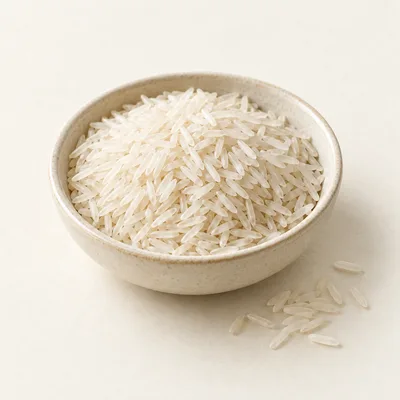 GRAINRice
Steamed meals, biryani, fermented batters and sweets
Roti, paratha, puri, naan and regional sweets
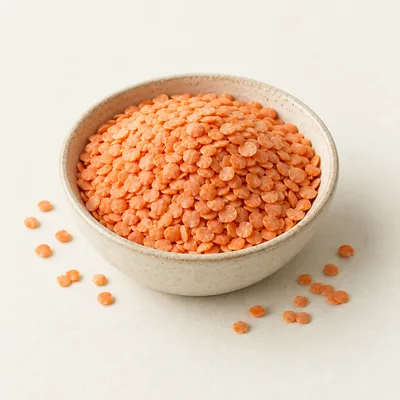 PULSELentil
Dal, batters, snacks and stews
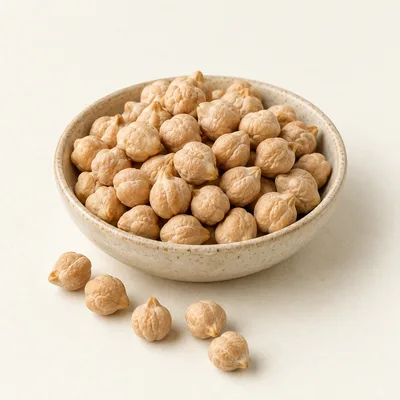 PULSEChickpea
Flour, curries, snacks and sweets
“Curry” is too broad to explain the sauce. A dish may depend on yoghurt, coconut, onion, tomato, ground nuts, roasted spices, lentils or leafy greens. Asking for the regional name and base is more informative than the English category. [9]
A thali is a meal structure with regional rules. Several dishes, breads or rice, pickles, relishes and sweets create balance and sequence on one plate. Gujarati, Rajasthani, Bengali and southern thalis are not interchangeable assortments. [8]
Specialist shops and regional restaurants reduce an enormous cuisine to legible systems.
A short-menu specialist often tells a clearer story. Dosa counters, chaat vendors, kebab shops, sweet makers, biryani kitchens and regional messes repeat techniques that a pan-Indian menu may flatten. [8][9]
Vegetarian does not mean one standard diet. Jain, Vaishnav, temple, household and contemporary vegetarian practices differ in roots, alliums, dairy, fasting grains and preparation. Ask which tradition informs the menu. [10][8]
Food-culture sources checked .
Northern breads, gravies and thalis
Northern meals commonly combine wheat breads such as roti, chapati, paratha, naan or puri with one or more gravy dishes, rice and dal. Some versions of aloo paratha, naan and chole bhature use wheat flour, while yoghurt, butter or ghee may appear in doughs, gravies or finishes. Ask whether a bread is brushed with ghee, cooked on a shared surface, or served with a separate raita, chutney or pickle.
Southern rice, lentils and coconut cooking
Southern dishes can include rice with sambar, rasam or avial, alongside breakfast foods such as idli, dosa, vada and uttapam. Yoghurt may occur in avial and other preparations, while Kerala versions may use fish, coconut or mustard seed. Ask whether a batter contains wheat, egg or milk, what oil is used, and whether chutney, yoghurt or a coconut-based sauce is added after cooking.
Western variation in breads, snacks and dairy
Gujarati dishes include dhokla, thepla, handvo, khandvi and undhiyu; some versions use yoghurt, sesame, peanuts or wheat flour. Maharashtra and Goa dishes include pav-based foods and seafood preparations. Ask whether pav is wheat-based, whether dabeli masala contains peanut or sesame, and whether a snack is fried in oil also used for other items.
Eastern fish, mustard and milk sweets
Eastern dishes include bhapa ilish, shorshe ilish, doi maach, pabda jhol and Bengali sweets such as rasgulla and sandesh. These may contain fish, mustard paste or oil, yoghurt and milk-based chhena. Ask which fish is used, whether mustard appears in the sauce or cooking oil, and whether sweets share equipment with nut-containing fillings.
Ingredients worth recognising
Start with these ingredients, then follow their names and recorded food connections. Check the recipe and product actually used.
Wheat flour
Wheat flour is recorded in aloo paratha, naan, roti, singara, jalebi and many other breads, pastries and sweets. Ask whether it is in the dough, batter, crumb or thickener, and whether separate utensils are used.
Peanut
Peanut can occur in dabeli, Gujarati dal, undhiyu and some chutneys or spice mixes. Ask about ground peanut in masala, garnish and sauce, plus shared grinders or serving spoons.
Yogurt
Yoghurt or curd is recorded in marinades, batters, gravies and finishes, including chicken tikka, avial, kadhi and thepla. Ask whether it is mixed into the recipe, added on top or used in a shared sauce.
Ghee
Ghee is recorded as a cooking or finishing fat in dal, breads, khichdi, sweets and biryani. Ask whether it is used in the pan, dough, tempering or brushing, and whether another fat is used for the requested portion.
Mustard Seed
Mustard seed is recorded in Bengali and southern seasonings, including shorshe ilish, thoran, Kerala curry tempering and panch phoron. Ask whether whole seed, paste or mustard oil is present in the sauce or finishing tempering.
Egg
Egg is recorded as a binder or batter ingredient in achappam, fish fry coatings, Mughlai paratha and some regional sweets. Ask whether it is in the main batter, crumb, filling or glaze, rather than relying on the dish name.
How food labelling works
FSSAI’s packaged-food rules require a separate Contains declaration for specified allergy-causing ingredients. They cover gluten-containing cereals, crustaceans, milk, eggs, fish, peanuts and tree nuts, soy and sulphites at the stated threshold. Read the complete ingredients as well as that declaration.
The rules contain exemptions, including certain derivatives, oils and raw agricultural commodities. A missing warning cannot answer every ingredient-specific question. Vegetarian symbols describe a different issue and do not replace a check for milk, wheat, nuts or your other avoided foods.
For a meal prepared to order, ask about the exact recipe, cooking fat, spice mixture and bought-in ingredients. Confirm preparation separately from any printed allergen information.
Language and communication
Hindi and English have national-level official use, while India’s regions use many additional languages. Prepare a written explanation in Hindi and English, and have the relevant regional language added where needed. Use dish or ingredient names only as recognition aids; ask staff to confirm the full recipe.
Regional context matters: Bengali is relevant in West Bengal and Tripura, Marathi in Maharashtra and Goa, Gujarati in Gujarat, and Telugu, Tamil, Kannada or Malayalam in southern states. A written explanation may be clearer in a local script, particularly where spoken communication is uncertain. Confirm the answer with the person preparing the food.
Eating in different settings
Street snack stall or market counter
For samosa, singara, jalebi, vada pav or dabeli, ask what flour is in the pastry or pav, whether peanut or sesame is in the filling or masala, and whether the same oil, tongs or tray handles other foods.
Bakery or sweet shop
For naan, pastries, ghevar, rasgulla, sandesh or milk sweets, ask for the complete recipe and every garnish. Check wheat, milk, ghee, egg, almond, cashew and pistachio, and ask whether shared boards or display tongs are used.
Restaurant, thali or shared meal
Before ordering a thali, biryani or curry, ask which breads, gravies, raita, chutneys and desserts are included. Confirm stock, marinade, tempering fat, toppings and serving utensils for each separate bowl or plate.
Accommodation or packaged-food shop
When buying spice mixes, papad, chutney, biscuits or packaged sweets, read the complete ingredient list. Ask about wheat, sesame, peanut, milk, egg, mustard and possible cross-contact, and keep the unopened packaging available for checking.
Before you travel
Review your personal plan
Discuss your travel plans with your clinician and keep your prescribed medicines and emergency instructions accessible. Tell companions where these are and how to follow your plan.
Check your medicines before entering India
Medicine rules and prescription requirements in India can differ from those in the UK. Check the legal status and prescription requirements for each prescribed medicine before travel, and carry it in its existing packaging. Ask a pharmacist or the relevant Indian authority what information or documentation, if any, is needed.
Make the first meals easier to organise
Contact your accommodation and transport providers in advance. Save your written food list, menu questions and destination address offline. Check entry restrictions before packing backup food, and plan how you will check meals during arrival and onward journeys.
Plan access to medical help
Medical facilities differ across India, and specialised treatment may not be available in remote areas. Government and private care are available in major cities. Check your insurer and the intended provider in advance, including whether the care you may need is available, its location and communication arrangements; an official list of providers may help identify services where some staff speak English.
Emergency resources
For a suspected severe allergic reaction, follow your prescribed emergency plan and seek urgent medical help. Give your exact location clearly.
Ambulance and urgent medical help
Dial 112 and ask for an ambulance.
Explore next
Your allergy in India
Choose a food concern for the country notes and questions relevant to it.
Dishes in India
Follow the ingredients and cuisine connections in individual dish records.
Your own food list
Combine allergy groups and individual ingredients in one guide, with local names where recorded.
Allergy cards
Prepare the information you need to explain your food requirements.
FAQs, sources and review dates
Could a plain-looking rice dish contain dairy or egg?
Yes. Some pulao and biryani recipes use ghee, some marinades or gravies contain yoghurt, and Kolkata biryani may include boiled egg as an optional addition. Ask about the cooking fat, marinade, garnish and any optional topping before ordering.
What should I ask about mustard in Bengali or southern food?
Ask whether mustard seed, mustard paste or mustard oil is used in the cooking, tempering or sauce. This matters for examples such as shorshe ilish, bhapa ilish, thoran and Kerala fish curry, where the form and stage may vary.
Is coconut the same concern as a tree nut?
Coconut is a separate ingredient and should be discussed by name. It is not classified into a single universal legal or botanical allergen group. Ask whether coconut is in the sauce, oil, garnish or shared preparation, rather than inferring from a regional dish name.
Sources checked: . This researched draft is awaiting editorial review. Practical questions apply the sources below to local food settings; they do not confirm any individual meal's ingredients or preparation.
Sources & references (11)
- FCDO · India health and medical assistance
Emergency contact details, local healthcare and medicine guidance. UK-specific eligibility does not apply to every visitor.
- Wikivoyage contributors · India
Community-edited culinary context only; not an allergy or medical authority. Brief food-context adaptations, CC BY-SA 4.0: https://creativecommons.org/licenses/by-sa/4.0/. Recipe questions also use PlateSafe’s draft records.
- FARE · Dining out
General recipe and preparation questions, applied here to country-specific food examples.
- FARE · Travelling with food allergies
General preparation, written communication and access to prescribed medicines. Not country-specific import permission.
- PlateSafe · India recorded food connections
Existing draft dish and ingredient records, used as examples to investigate. These are not independently verified recipes or suitability assessments.
- Unicode CLDR · Territory language data
Language suggestions. Regional language needs must be confirmed with the particular food provider.
- FSSAI · Labelling and Display Regulations, April 2025 compendium
Scoped allergen-labelling summary. Does not establish an individual meal’s ingredients or preparation.
- Incredible India — Official tourism portal
- Incredible India — Cuisines of India
- Government of India — Explore India
- FAO — India and the International Year of Millets