
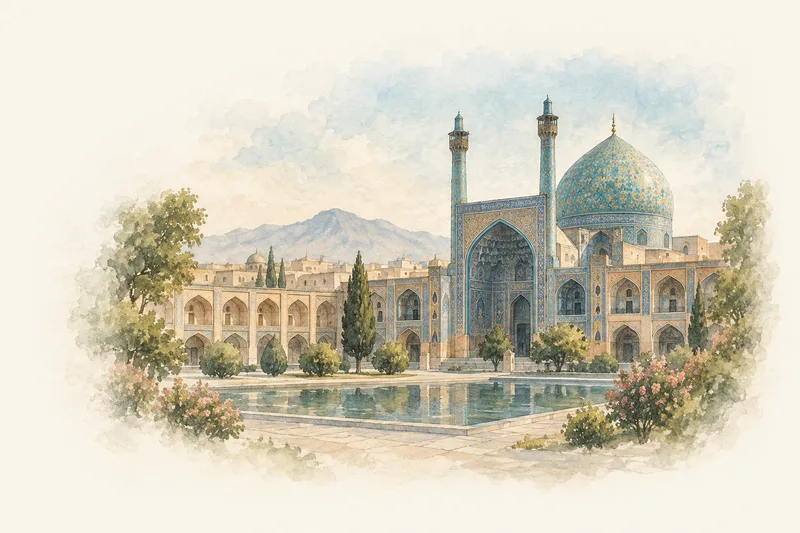
BEFORE YOUR FIRST MEAL
Navigating food allergies in Iran
Iranian food commonly brings together steamed rice, grilled meat, herb-filled stews, soups, flatbreads and elaborate sweets. A named dish may change with the household, region or cook: tahchin can contain egg and yoghurt, while ash reshteh combines wheat noodles with dairy garnish. Ask about the complete recipe, finishing ingredients and preparation surfaces rather than relying on a dish name alone.
What to know first
Rice and kebab
Chelo is boiled and then steamed rice; chelo kabab may arrive with butter, grilled tomatoes, sumac, onion, basil or a raw egg yolk. Ask which accompaniments are included and added separately.
Stews and soups
Khoresht recipes vary: fesenjan uses ground walnuts and pomegranate syrup, while ash reshteh includes wheat-based noodles, chickpeas, herbs, kashk and fried onions. Confirm every thickener and garnish.
Explain the concern
Give a written explanation in Persian, and use Azeri where regional communication calls for it. Ask a cook to confirm the whole recipe, stock, sauce, toppings and shared utensils.
Preparation matters
For kebabs, rice, falafel, pizza or pastries, ask whether the same oil, water, grill, pan, knife or serving tools are used for other foods, and whether toppings are added after cooking.
Read the full label
Read the complete ingredients and allergen information on the actual product. If you avoid a food that is not highlighted, ask the producer or food provider to check it specifically.
Understanding the food
Caspian greens and fish, Azeri breads and dumplings, central plateau rice and khoresh, southern Gulf seafood and dates, Kurdish mountain dairy and southeastern chilli all sit within a vast Persian culinary world. Hospitality, tea and seasonal fruit structure the meal as strongly as any signature dish.
Sea, mountain and desert regions use different herbs, acids and staples.
| Region | Food landscape | Examples to explore |
|---|---|---|
| Caspian north | Rice, fish, herbs, garlic, walnuts and sour fruit | Mirza ghasemi, baghala ghatogh, fish and pomegranate sauces |
| Azerbaijan & northwest | Bread, dairy, meat, dumplings and orchard fruit | Āsh, kufteh, dolma and regional breads |
| Central plateau & cities | Rice craft, stews, saffron, dried lime and garden produce | Tahdig, ghormeh sabzi, fesenjan and kebab |
| South & southeast | Gulf fish, dates, tamarind, chilli and trade routes | Ghalieh mahi, shrimp rice and spicy Baluchi dishes |
Iran Tourism presents cuisine as regional and seasonal. Herbs, fruit, rice, breads, stews and kebabs recur, but the Caspian, plateau, mountain and Gulf zones apply different fats, acids and spice intensities. [7][8]
Gardens and qanats are food infrastructure. UNESCO’s Persian Garden and FAO’s qanat-linked agricultural systems show how water design supports orchards, herbs, saffron and settlement in dry landscapes. [9][10]
Sourness and fragrance balance rich stews and rice.
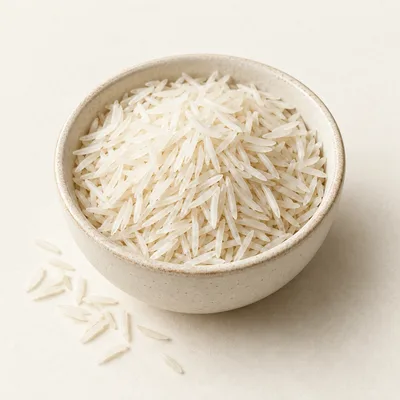 GRAIN CRAFTRice
Steamed chelow, mixed polow and crisp tahdig
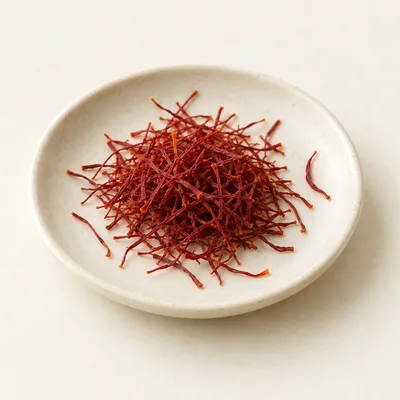 AROMATICSaffron
Bloomed for rice, sweets, drinks and celebration dishes
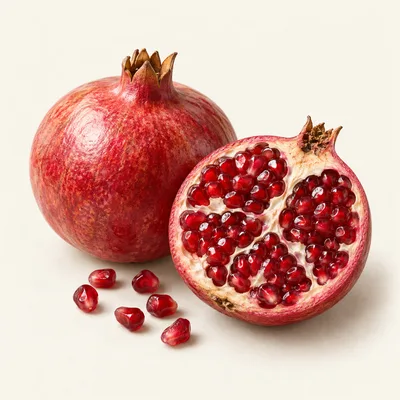 SOUR FRUITPomegranate
Molasses, seeds and sauces such as fesenjan
Large bundles in sabzi khordan, rice, kuku and stews
Tahdig is controlled crust formation. Rice, bread or potato crisps at the bottom of the pot while the grains above steam separately. It is a prized textural element, not accidental scorching. [7]
Khoresh depends on time and balanced acidity. Stews such as ghormeh sabzi and fesenjan develop through slow cooking, herbs, legumes, nuts or fruit and are intended to season plain rice rather than stand alone. [7]
Rice restaurants, kebab houses, bakeries and home tables offer different Iran.
A bakery makes regional bread visible. Sangak, barbari, lavash and taftoon differ in dough, thickness, oven and use. Fresh bread with cheese, herbs and tea can explain daily eating more clearly than a banquet. [7]
Hospitality can exceed a restaurant’s formal service. Tea, fruit, nuts and repeated offers of food are part of receiving guests. Taarof may shape the exchange, so attentive confirmation is useful without treating generosity as performance. [8]
Food-culture sources checked .
Rice, herbs and layered dishes
Iranian rice may be boiled and then steamed, served plain as chelo or flavoured as polo. Examples include sabzi polo with parsley, dill and mint, shirin polo with orange zest, cherries and glazed carrots, and reshteh polo with wheat noodles layered through rice. Tahchin binds seasoned rice layers with egg and yoghurt. Ask about butter, garnishes and the separate preparation of rice and toppings.
Grilled skewers and accompaniments
Chelo kabab pairs a bed of rice with grilled meat; koobideh is minced beef with onion and spices, barg uses lamb, joojeh uses chicken, and bakhtiari alternates chicken and lamb. Lemon juice and saffron may feature in marinades. Clarify the meat, marinade, basting fat and all served condiments, including butter, raw egg yolk, tomatoes, onion, basil and sumac.
Stews, hot pots and ash
Home-style meals may combine rice with khoresht, such as fesenjan with walnuts and pomegranate syrup, or ghormeh-sabzi with herbs, dried limes and kidney beans. Ash reshteh is a substantial soup containing herbs, chickpeas, wheat-based reshteh noodles, kashk and fried onions. Abgoosht combines lamb, chickpeas and dried limes, with bread served alongside. Ask about stock, thickening and finishing ingredients.
Breads, sweets and regional recipes
Flatbreads such as sangak and lavash accompany meals, while pastries and sweets include pistachio nougat, pistachio brittle, fruit leather, ice cream and faloodeh with rosewater and starch vermicelli. Regional recipes vary: Fuman kolucheh can have wheat dough and walnut filling, and Sholeh Zard may have almond slivers. Confirm fillings, dough, dairy and toppings rather than inferring from the name.
Ingredients worth recognising
Start with these ingredients, then follow their names and recorded food connections. Check the recipe and product actually used.
Persian Reshteh Noodles
Traditional reshteh noodles are primarily wheat-based and appear in ash reshteh and reshteh polo. Ask whether the noodles are wheat-based, whether another noodle is mixed in, and whether shared cooking water or serving utensils are used.
Egg
Egg is intrinsic to the recorded ingredient and appears as a binder in kuku, Shami Rashti and some sweets; it is also stirred into mirza ghasemi. Ask whether egg is mixed through, cooked on top or used in the batter.
Fish
Fish is the defining or core protein in dishes such as sabzi polo ba mahi, mahi torsh, mahi shekam por and malabij. Confirm the exact fish dish, marinade and stuffing, and ask about shared grill surfaces or utensils.
Celery
Celery defines khoresh karafs, where it is part of the dish rather than merely a garnish. Ask whether celery is present in the stew, stock or herb mixture, and whether the recipe includes a separate finishing sauce.
Yogurt
Yoghurt is recorded in abdoogh khiar, borani esfենaj, kadoo borani and tahchin, with tahchin using it as a standard dairy ingredient. Ask whether yoghurt is mixed into cooking, served on top or used in a marinade.
Walnut
Walnut features in fesenjan, kabab torsh, morgh torsh, kal kabab and some fish dishes; it can also occur in fillings. Ask whether walnut is ground into a sauce, mixed into stuffing or scattered as a garnish.
How food labelling works
A current, country-specific allergen-labelling summary for Iran has not yet been verified for this guide. Do not transfer the list of regulated allergens or restaurant disclosure rules from your home country to this one.
Read the complete ingredients on the actual package and keep any local-language sticker with the original label. For imported products, compare the information on that pack rather than a photograph of the brand sold elsewhere. Ask the manufacturer or seller to clarify an unfamiliar term.
For loose food or meals prepared to order, ask who can check the recipe and the labels on bought-in ingredients. Explain every food you avoid, including ingredients outside familiar allergy groups; a short symbol chart may not cover your list.
Language and communication
Persian, called Farsi, is Iran’s national and official language. Prepare a written explanation in Persian that names the ingredients and the need to confirm the complete recipe, stock, sauces, toppings and shared utensils. Show it before ordering, especially when discussing ash, rice dishes, kebabs or pastries.
Azeri is also spoken in areas with large Azeri populations. Where relevant, prepare the same explanation in Azeri or ask for confirmation in the language used locally. Dish names such as tahchin or fesenjan help recognition only; confirm regional wording and the actual ingredients with the cook.
Eating in different settings
Kebab counter
For chelo kabab, ask what is in the meat mixture or marinade and whether butter, raw egg yolk, tomatoes, onion, basil or sumac are included. Ask whether the skewer, grill, rice spoon and serving plate are shared with other foods.
Bakery or sweet shop
For sangak, lavash, Fuman kolucheh, gaz, sohan or zoolbia bamieh, ask about the flour, egg, butter, milk, yoghurt, sesame or nuts in the complete recipe. Ask whether fillings and toppings are added on shared trays or handled with shared tools.
Home meal or long social meal
If offered rice with khoresht, ash, abgoosht or pastries, explain the concern before food is served and ask about stock, noodles, kashk, bread, nuts and garnishes. Clarify which dishes are separate and whether serving spoons move between them.
Market or packaged-food shop
For dried barberries, candied orange peel, dried plums, raisins, verjuice, halva or packaged sweets, read the complete ingredient list. Ask about preservation ingredients, oils and added nuts, and do not treat a product description or flavour name as a full recipe.
Before you travel
Review your personal plan
Discuss your travel plans with your clinician and keep your prescribed medicines and emergency instructions accessible. Tell companions where these are and how to follow your plan.
Check your medicines before entering Iran
The legal status and regulation of medicines prescribed or bought in the UK can differ in Iran. Before travel, read the medicine-travel guidance on TravelHealthPro. Ask the relevant authority whether your medicine is permitted and what documentation, if any, is needed.
Make the first meals easier to organise
Contact your accommodation and transport providers in advance. Save your written food list, menu questions and destination address offline. Check entry restrictions before packing backup food, and plan how you will check meals during arrival and onward journeys.
Plan access to medical help
Medical facilities are generally reasonable in Iran’s major cities but poorer in remote areas, and shortages of some basic medicines have been reported. British nationals may not receive adequate emergency care during medical or cosmetic treatment. Check current cover and suitable providers with your insurer and official guidance before travel.
Emergency resources
For a suspected severe allergic reaction, follow your prescribed emergency plan and seek urgent medical help. Give your exact location clearly.
Ambulance and urgent medical help
Dial 115 and ask for an ambulance.
Explore next
Your allergy in Iran
Choose a food concern for the country notes and questions relevant to it.
Dishes in Iran
Follow the ingredients and cuisine connections in individual dish records.
Your own food list
Combine allergy groups and individual ingredients in one guide, with local names where recorded.
Allergy cards
Prepare the information you need to explain your food requirements.
FAQs, sources and review dates
Could a rice dish contain wheat?
Yes. Reshteh polo layers wheat reshteh noodles through rice, and tahchin is a separate egg-and-yoghurt rice preparation. Ask whether noodles, flour, bread crumbs or a wheat-containing garnish is used, and whether rice is cooked or served with shared utensils.
What should I ask about fesenjan?
The recorded example uses walnuts with pomegranate syrup, but the wider recipe may include other ingredients. Ask whether walnut is ground into the sauce or added separately, what stock or oil is used, and whether the same spoon or pan is used for other dishes.
Is rosewater itself the only issue in faloodeh?
Faloodeh is described as a sorbet made with rosewater and starch vermicelli, served with lemon juice. Ask what starch the vermicelli contains, whether toppings or syrups are added, and whether the serving scoop or container is shared with dairy ice cream.
Sources checked: . This researched draft is awaiting editorial review. Practical questions apply the sources below to local food settings; they do not confirm any individual meal's ingredients or preparation.
Sources & references (10)
- FCDO · Iran health and medical assistance
Emergency contact details, local healthcare and medicine guidance. UK-specific eligibility does not apply to every visitor.
- Wikivoyage contributors · Iran
Community-edited culinary context only; not an allergy or medical authority. Brief food-context adaptations, CC BY-SA 4.0: https://creativecommons.org/licenses/by-sa/4.0/. Recipe questions also use PlateSafe’s draft records.
- FARE · Dining out
General recipe and preparation questions, applied here to country-specific food examples.
- FARE · Travelling with food allergies
General preparation, written communication and access to prescribed medicines. Not country-specific import permission.
- PlateSafe · Iran recorded food connections
Existing draft dish and ingredient records, used as examples to investigate. These are not independently verified recipes or suitability assessments.
- Unicode CLDR · Territory language data
Language suggestions. Regional language needs must be confirmed with the particular food provider.
- Iran Tourism — Iranian cuisine
- Iran Tourism — Official portal
- UNESCO World Heritage Centre — The Persian Garden
- FAO GIAHS — Saffron farming system in Gonabad