
BEFORE YOUR FIRST MEAL
Navigating food allergies in Iraq
Iraqi food commonly brings grilled or slow-cooked meat, rice, stews, fresh bread and sweet tea together at the table. Familiar names can conceal important differences: kubba may use bulgur, tashreeb absorbs broth into bread, and quzi may carry nut garnishes. Across Baghdad, Iraqi Kurdistan and local restaurants, ask about the complete recipe, toppings and preparation equipment rather than relying on a dish name.
What to know first
Grains appear in many forms
Bulgur or cracked wheat forms kubba shells and harissa, while wheat bread, flatbread, pastry and vermicelli may appear elsewhere. Ask which grain and binder are used.
Broth changes the whole dish
Tashreeb is served with broth-soaked flatbread, and soups or stews may use stock. Ask what is in the broth, including seasonings, pasta and aromatic vegetables.
Explain the concern before ordering
Give a written explanation in Arabic or, in Iraqi Kurdistan, the relevant Kurdish variety. Ask the cook to confirm the complete dish, garnishes and shared equipment.
Separate the whole preparation
Ask whether your portion can use clean utensils, a separate pan and fresh oil or water, and whether bread, garnish or sauce is added after cooking.
Read the complete label
Read the complete ingredients and allergen information on the actual product. If you avoid a food that is not highlighted, ask the producer or food provider to check it specifically.
Understanding the food
Rice, wheat, barley, dates, lamb, fish, pulses, aubergine, okra, herbs and sour fruit support cuisines shaped by Mesopotamian agriculture and Arab, Kurdish, Turkmen, Assyrian, Chaldean, Yazidi, Mandaean and other communities. Baghdad, Basra, Mosul and Kurdistan each offer a different repertoire.
River, marsh, plain and mountain organise different Iraqi kitchens.
| Region | Food landscape | Examples to explore |
|---|---|---|
| Baghdad & central Iraq | Rice, bread, river fish and urban courtly traditions | Masgouf, dolma, quzi, kubba and sweets |
| Basra & the south | Dates, marsh fisheries, rice and Gulf trade | Mutabbaq samak, shrimp, date sweets and sour fish stews |
| Mosul & northwest | Wheat, bulgur, meat, nuts and layered city cooking | Mosul kubba, dolma, pastries and grills |
| Iraqi Kurdistan & north | Mountain herbs, dairy, grains and pastoral food | Breads, rice, stuffed vegetables, yoghurt and grilled meat |
Iraq Tourism describes a cuisine of rice, stuffed foods and slow cooking. Dolma, kubba, quzi and stews appear nationally but change in shell, filling, souring agent and spice by city and community. [7][8]
The southern marshes are a food-producing cultural landscape. UNESCO recognises wetland ecosystems and the home of Marsh Arab communities, where buffalo, fish, reeds and water management support a distinct way of life. [9]
Rice and bread carry sour, aromatic and meat-rich preparations.
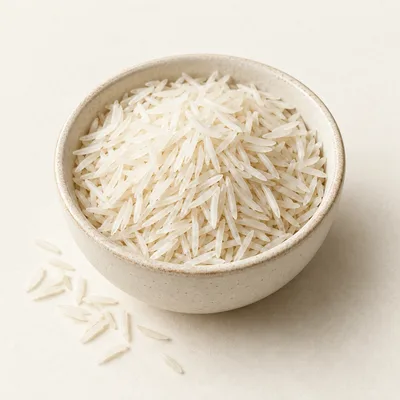 GRAINRice
Pilafs, layered pots and fish dishes
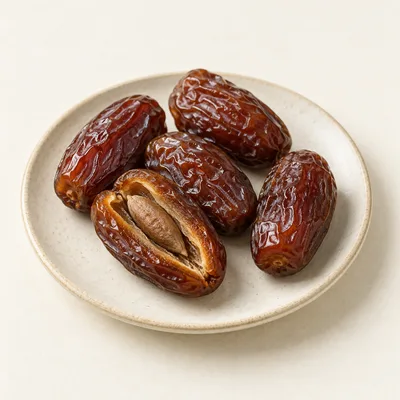 GROVE FRUITDate
Daily fruit, syrup, pastries and southern agriculture
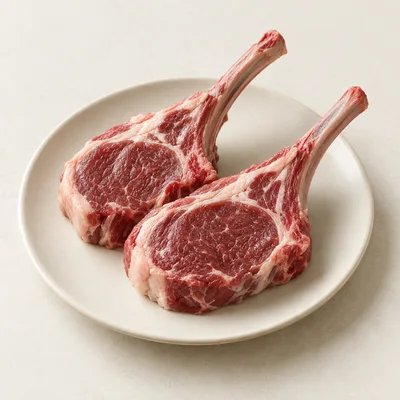 PASTORAL MEATLamb
Quzi, kebab, stews and stuffed vegetables
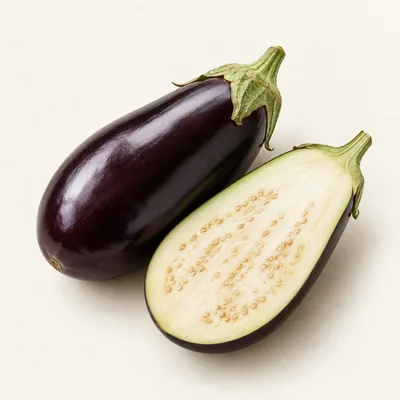 VEGETABLEAubergine
Dolma, stews, pickles and fried dishes
Iraqi dolma is a collective pot. Vine leaves, onions, aubergines, peppers and other vegetables may be packed tightly with rice and meat, weighted, simmered and inverted for serving. The pot construction is part of the technique. [7]
Dried lime supplies a recognisable sour depth. Noomi basra is pierced or ground into soups, stews, rice and tea, contributing acidity and a slightly fermented bitterness associated especially with Iraqi and Gulf cooking. [8]
Grill houses, river-fish restaurants and sweet shops specialise in different craft.
Masgouf belongs to the river and the fire. A split carp is stood near an open wood fire, slowly roasted and finished over embers. Fish source, size and cooking time matter more than a quick “grilled fish” translation. [7][9]
Regional and community labels are useful in Iraqi cities. Kurdish, Moslawi, Baghdadi, Basrawi, Assyrian and Turkmen kitchens may share ingredients while organising breads, rice, dairy and stuffed foods differently. [8][10]
Food-culture sources checked .
Fish, fire and finishing ingredients
Masgouf is carp roasted after a marinade that includes olive oil, salt, curcuma and tamarind; lime, onion, tomato and flatbread may accompany it. Ask whether the fish, marinade, garnish and bread are handled separately, and whether the open-fire grill or serving surface is shared with other foods.
Casseroles, stews and soaked bread
Tepsi baytinijan is described with meatballs, aubergine, tomatoes, garlic, onions and potatoes. Tashreeb pours stew over torn flatbread, including chicken and okra versions. Ask about meatball binders, the stock, added bread, and whether toppings are placed on the dish after the broth is added.
Rice dishes and occasion recipes
Quzi is slow-roasted lamb served over fragrant rice, commonly with almonds or pistachios and sometimes raisins. Iraqi biryani also has versions associated with almonds. Ask whether nuts or dried fruit are mixed through, scattered on top, or kept in a shared serving dish.
Regional kubba and wheat differences
Kubba shells may use bulgur, with Mosul’s kubba mosuliya and Baghdad’s fried style differing in form. Other versions may be boiled, fried or served in soup. Ask which shell, filling, binder, cooking oil and serving utensil are used for that particular batch.
Ingredients worth recognising
Start with these ingredients, then follow their names and recorded food connections. Check the recipe and product actually used.
Carp
Carp is the defining fish in masgouf and may be roasted after a marinade. Ask whether the marinade contains only the stated ingredients, whether the fish is prepared on a shared grill, and what is added at serving.
Butter
Butter appears in recorded Iraqi preparations including harissa, kahi with geymar and kleicha. Ask whether butter is in the dough, enrichment or finishing layer, whether geymar is added, and whether a separate utensil is used.
Tahini
Tahini is made from sesame and is recorded in Iraqi fatteh. Ask whether it is mixed into the sauce, drizzled over the top or present in a garnish, and whether the serving spoon is shared with other dishes.
Bulgur
Bulgur is processed whole wheat and appears in kubba and other recorded dishes. Ask whether the shell or grain is bulgur, what binds it, and whether it is cooked in shared water or handled with the same utensils as other grains.
Wheat flatbread
Wheat flatbread is soaked into tashreeb and appears with other Iraqi meals. Ask whether the bread is placed directly into the broth, whether crumbs enter shared dishes, and whether bread is added to a meatball or stew mixture.
Egg
Egg is a defining ingredient in makhlama and may bind some Kurdish kofte variations. Ask whether egg is cooked into the dish or used only as a binder, and whether the same pan or serving utensil is used for other orders.
How food labelling works
A current, country-specific allergen-labelling summary for Iraq has not yet been verified for this guide. Do not transfer the list of regulated allergens or restaurant disclosure rules from your home country to this one.
Read the complete ingredients on the actual package and keep any local-language sticker with the original label. For imported products, compare the information on that pack rather than a photograph of the brand sold elsewhere. Ask the manufacturer or seller to clarify an unfamiliar term.
For loose food or meals prepared to order, ask who can check the recipe and the labels on bought-in ingredients. Explain every food you avoid, including ingredients outside familiar allergy groups; a short symbol chart may not cover your list.
Language and communication
Prepare a written explanation in Arabic, prioritising Iraqi or Mesopotamian Arabic for everyday food discussions. Ask for confirmation of the full recipe, stock, sauces, garnishes, bread and preparation utensils. Arabic names can help identify foods such as masgouf, kubba or tashreeb, but they are not a complete allergy request.
In Iraqi Kurdistan, Kurdish is the relevant language context; Sorani is more common there, while Kurmanji is associated particularly with Duhok, and the varieties are not mutually intelligible. State which Kurdish variety you need, and ask a speaker to confirm the exact dish and preparation.
Eating in different settings
Riverside fish restaurant
When ordering masgouf, ask whether the carp marinade contains anything beyond the stated ingredients and whether lime, onion, tomato or flatbread is added separately. Ask about the grill, serving board, basting brush and utensils used for other fish or foods.
Neighbourhood bakery
For samoon, kelane, nan-e kulere or other wheat breads, ask for the complete dough ingredients and any finishing ingredients. Check whether fillings, butter or egg are used, and whether the same bench, tray or tongs handle other baked goods.
Grill, stew restaurant or shared meal
For tepsi baytinijan, tashreeb, kubba or Kurdish kofte, ask about meatball binders, broth, bulgur, bread and frying oil. Ask whether your serving can be plated with clean utensils and without a shared garnish or sauce.
Packaged-food shop
For kleicha, dried wheat pasta, raisins, stock or cooking fats, read the full ingredient list rather than relying on the front name. Ask about unclear oils, egg, milk-derived ingredients, sesame, nuts, wheat and sulfites in commercial raisins.
Before you travel
Review your personal plan
Discuss your travel plans with your clinician and keep your prescribed medicines and emergency instructions accessible. Tell companions where these are and how to follow your plan.
Check your medicines before entering Iraq
Medicines prescribed or bought in the UK may have different legal status or regulation in Iraq. Before travel, read TravelHealthPro guidance on travelling with medicines and ask the relevant Iraqi authority what requirements apply to bringing your medicines into Iraq.
Make the first meals easier to organise
Contact your accommodation and transport providers in advance. Save your written food list, menu questions and destination address offline. Check entry restrictions before packing backup food, and plan how you will check meals during arrival and onward journeys.
Plan access to medical help
FCDO maintains a list of medical providers in Iraq, where some staff speak English. Read FCDO guidance on travel and mental health and the mental health guidance on TravelHealthPro. Check the current provider list, and ask your insurer what treatment, payment and medical evacuation arrangements your policy covers before travel.
Emergency resources
For a suspected severe allergic reaction, follow your prescribed emergency plan and seek urgent medical help. Give your exact location clearly.
Ambulance and urgent medical help
Call 122 and ask for an ambulance.
Explore next
Your allergy in Iraq
Choose a food concern for the country notes and questions relevant to it.
Dishes in Iraq
Follow the ingredients and cuisine connections in individual dish records.
Your own food list
Combine allergy groups and individual ingredients in one guide, with local names where recorded.
Allergy cards
Prepare the information you need to explain your food requirements.
FAQs, sources and review dates
Could a dish called kubba be wheat-free?
Do not infer this from the name. The recorded kubba examples use bulgur or cracked wheat for the shell, but forms and fillings vary. Ask specifically whether this batch contains bulgur, wheat, bread or another binder, and whether it is fried, boiled or cooked in soup.
What should I ask about pine nuts in Dawood Basha?
Pine nuts are noted as a possible garnish or meatball addition in Dawood Basha. Ask whether they are mixed into the meatballs, scattered on top or kept in a shared dish. Also ask whether the cook can identify every garnish and use a clean serving utensil.
How should I check a sweet or pastry?
Kleicha may contain butter, wheat flour, nuts or egg depending on the version; luqmat al-qadi and zalabia use wheat flour in their dough or batter. Ask about the exact dough, filling, glaze, frying oil and shared tray before accepting a sample.
Sources checked: . This researched draft is awaiting editorial review. Practical questions apply the sources below to local food settings; they do not confirm any individual meal's ingredients or preparation.
Sources & references (10)
- FCDO · Iraq health and medical assistance
Emergency contact details, local healthcare and medicine guidance. UK-specific eligibility does not apply to every visitor.
- Wikivoyage contributors · Iraq
Community-edited culinary context only; not an allergy or medical authority. Brief food-context adaptations, CC BY-SA 4.0: https://creativecommons.org/licenses/by-sa/4.0/. Recipe questions also use PlateSafe’s draft records.
- FARE · Dining out
General recipe and preparation questions, applied here to country-specific food examples.
- FARE · Travelling with food allergies
General preparation, written communication and access to prescribed medicines. Not country-specific import permission.
- PlateSafe · Iraq recorded food connections
Existing draft dish and ingredient records, used as examples to investigate. These are not independently verified recipes or suitability assessments.
- Unicode CLDR · Territory language data
Language suggestions. Regional language needs must be confirmed with the particular food provider.
- Iraq Tourism — Iraqi food
- Iraq Tourism — Iraqi cuisine
- UNESCO World Heritage Centre — The Ahwar of Southern Iraq
- FAO — Iraq country profile