
BEFORE YOUR FIRST MEAL
Navigating food allergies in Ireland
Irish meals often combine potatoes, meat, seafood, bread and dairy, while regional dishes such as seafood chowder, boxty and Waterford blaa have their own recorded variations. A traditional breakfast may include eggs, pork sausages, bacon, black pudding, white pudding and bread. Treat dish names as starting points only: confirm the complete recipe, preparation surface and accompaniments before ordering.
What to know first
Bread and potato dishes vary
Brown soda bread, boxty and potato farls can involve wheat flour, while bread styles and binders differ. Ask which flour is used, rather than relying on the name.
Stocks and sauces matter
Seafood chowder may contain fish, crustaceans and cream; Dublin Lawyer has lobster with cream and butter. Ask about the base, thickener, garnish and shared ladles.
Explain the exact concern
Tell staff whether you avoid wheat, gluten, milk, egg, fish, crustaceans, mustard or another ingredient. Ask them to check the complete recipe for your specific order.
Preparation is part of the question
Ask whether bread, battered foods or sausages share oil, boards, pans or utensils with your food, and whether a stock or sauce is added during cooking.
Read the full label
EU rules require the 14 specified allergen categories to stand out in prepacked ingredient lists, but the complete list is still needed for ingredients outside those categories.
Understanding the food
Potatoes, oats, barley, dairy, beef, lamb, pork, cabbages, apples, salmon and shellfish reflect strong farming and fishing systems. Contemporary restaurants increasingly foreground small producers, while soda bread, farmhouse cheese, smoked fish and regional stews connect new cooking to local landscapes.
Pasture, coast and city food scenes create distinct local routes.
| Region or setting | Food landscape | Examples to explore |
|---|---|---|
| Atlantic west & southwest | Shellfish, dairy, seaweed, lamb and small farms | Oysters, mussels, smoked fish, farmhouse cheese and soda bread |
| South & southeast | Dairy, apples, grains, market towns and coastal fish | Butter, cider, cheese, seafood and bakery traditions |
| Midlands & north | Cattle, potatoes, lakes, oats and smokehouses | Boxty, stews, smoked eel or fish and griddle breads |
| Dublin & larger cities | Markets, immigration and contemporary Irish cooking | Producer-led restaurants, bakeries, cafés and modern pubs |
Tourism Ireland foregrounds producers and food trails. Oyster farms, smokehouses, cheesemakers, bakeries, distilleries and markets connect a meal to the place and people who made it. [8][9]
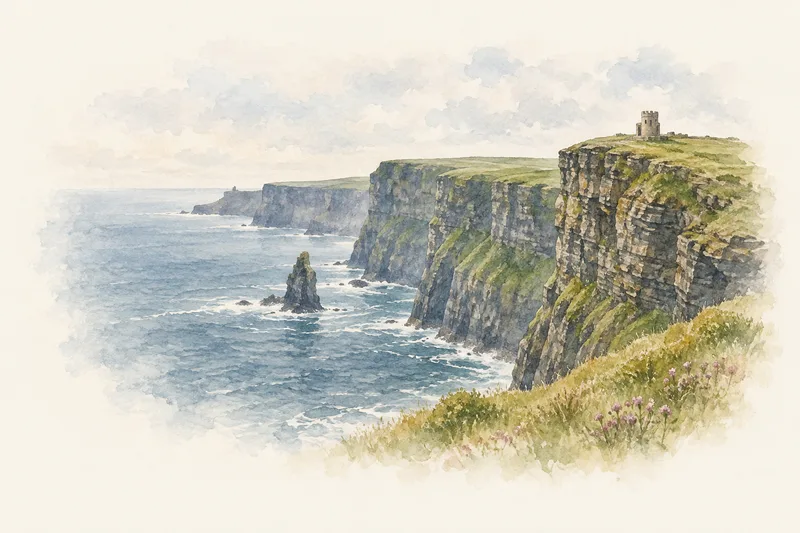
Karst pasture creates a specific food landscape in the Burren. UNESCO’s geopark joins limestone ecology, farming and coastal communities; local beef, lamb, dairy and seafood make sense within that managed terrain. [11]
Simple staples become regional through breed, water, smoke and fermentation.
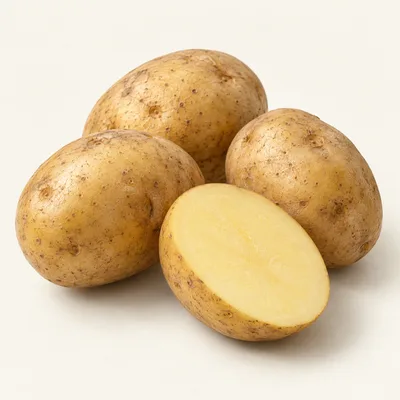 FIELD CROPPotato
Boiled, mashed, baked and griddled as boxty
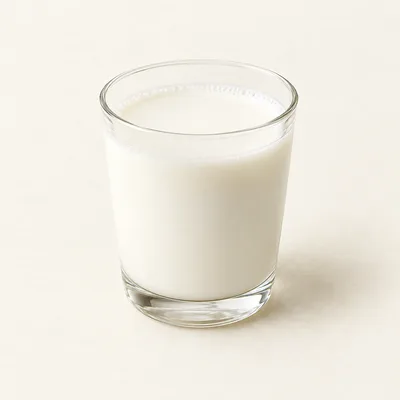 DAIRYMilk & butter
Pasture-based dairy, cheese and baking
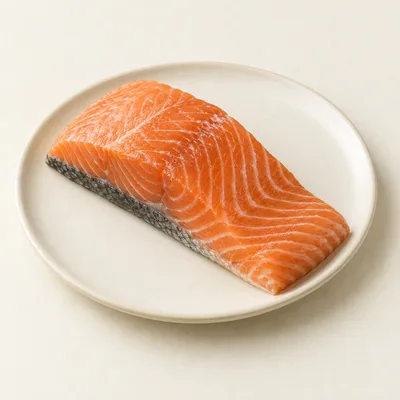 ATLANTIC & RIVERSalmon
Fresh, smoked and cured
Porridge, breads, biscuits and savoury crumbs
Soda bread is a household method, not one fixed loaf. Wheat or wholemeal flour, buttermilk and bicarbonate create quick breads whose shape and texture vary regionally and by family. [8]
Seaweed is both traditional food and contemporary ingredient. Dulse, carrageen and other sea vegetables enter snacks, puddings, breads and modern restaurant dishes, especially along Atlantic coasts. [9][10]
Food trails, pubs and markets offer different scales of Irish eating.
A pub meal can be local without being old-fashioned. Soup, seafood, stew, sandwiches and daily specials often follow nearby suppliers; a short board can be more regional than a long tourist menu. [8]
Producer visits add information a plate cannot show. Seeing an oyster farm, cheesery, smokehouse or bakery clarifies season, breed, milk, curing and labour. Tourism Ireland’s island-wide routes make that connection explicit. [9]
Food-culture sources checked .
Bread, flour and griddled foods
Bread is prominent in brown soda bread, Irish soda bread, spotted dog, porter cake and Waterford blaa. Boxty and potato farls are not automatically flour-free: some recipes use wheat flour as a binder, while buttermilk, butter or egg may also appear. Ask whether the recipe uses wholemeal or white wheat flour, how the item is griddled, and whether butter is added to the cooking surface.
Breakfast plates and hearty dishes
A full Irish breakfast may bring eggs, pork sausages, back bacon, black pudding and white pudding with soda bread, wheaten bread or potato farls. Some versions of black pudding and white pudding use wheat breadcrumbs or rusk, and some sausages use wheat-based fillers. Confirm each component separately, including the frying fat, toast or farls, and any sauces served alongside.
Stews, gravy and dairy enrichment
Traditional cooking centres on meat such as beef, lamb and pork, potatoes and cabbage, often with long cooking. Some recipes use wheat flour to thicken gravy made with skirts and kidneys, while champ and colcannon commonly include butter and milk. Ask whether gravy, mash or vegetables receive stock, flour, butter or milk during preparation.
Seafood and regional examples
Seafood chowder, oysters, boxty and Guinness Bread are described as regional or not universal, while Kinsale is associated with fish restaurants and Donegal Town with seafood. A chowder may combine fish, prawns or crab with cream. Ask which seafood is present, whether the stock is fish-based, and whether crustaceans or cream are added to the whole pot.
Ingredients worth recognising
Start with these ingredients, then follow their names and recorded food connections. Check the recipe and product actually used.
Wholemeal Wheat Flour
This is the defining flour recorded for brown soda bread and may be combined with white wheat flour. Ask whether it is used in bread, boxty, farls, pastry or gravy, and whether wheat flour is handled on the same surface.
Barley
Barley is recorded in some black pudding formulations and is also associated with traditional porter brewing. Ask whether barley, malt or a barley-based crumb is present, particularly in pudding, bread or a drink, rather than assuming one recipe applies everywhere.
Lobster
Lobster is a crustacean and appears in the recorded connection for Dublin Lawyer, where cream and butter may form the sauce. Ask whether the dish contains lobster itself, other seafood, or stock made from mixed seafood, and whether utensils are shared.
Buttermilk
Buttermilk is a typical liquid in brown soda bread and Irish soda bread, and is recorded in boxty and spotted dog examples. Ask whether it is in the dough or batter, and whether butter or another dairy ingredient is added during cooking.
Mustard Paste
Mustard paste is recorded as a common component of the glaze for Limerick Ham. Ask whether the ham has a mustard glaze, whether mustard is in the serving sauce, and whether the same brush or tray is used for other foods.
Raisins
Raisins may occur in baked foods such as spotted dog, barmbrack or porter cake, while some commercial raisin products use sulphites. Check the complete ingredient list for the exact packet or recipe, especially where dried fruit is added after mixing.
How food labelling works
EU food-information rules cover 14 allergen categories used as ingredients. On prepacked food, these must stand out in the ingredients list. The categories include gluten-containing cereals, crustaceans, eggs, fish, peanuts, soybeans, milk, specified nuts, celery, mustard, sesame, sulphites above the stated threshold, lupin and molluscs.
Allergen information is also required for food sold without prepacking, including restaurant meals. Ask how to obtain the information for the exact order. National arrangements affect how it is supplied; an ingredient declaration does not by itself describe shared equipment or handling.
If you avoid a food outside those categories, read the complete ingredients and name that food when speaking to staff. A short allergen key cannot answer every ingredient-specific question.
Language and communication
English is an official language and the language visitors are most likely to hear, but accents and local expressions vary. Prepare a written explanation in English naming each food to avoid, then ask staff to confirm the complete recipe, stock, sauce and preparation equipment for the exact dish.
Irish is the other official language, with regional dialects in Ulster, Munster and Connacht and Irish-speaking communities in Gaeltachtaí. If travelling in an Irish-speaking area, carry the same written explanation in Irish where you can obtain an accurate version; use dish names only as recognition aids and request confirmation.
Eating in different settings
Pub carvery
For roasted meat, vegetables and potatoes, ask whether the gravy contains wheat flour, beef broth or celery, and whether butter or milk is added to mash. Check whether bread, pudding or sauces share serving utensils, and request the ingredients for each plate component.
Takeaway counter
For a spice bag, ask about the chicken coating, seasoning, curry sauce and whether chips share oil with battered foods. Confirm whether peppers and onions are cooked in the same pan or oil, and ask for the complete recipe rather than ordering by the dish name alone.
Bakery or farmers’ market
Ask the seller which flour is used in brown soda bread, barmbrack, Waterford blaa or pastries, and whether egg, butter, buttermilk or milk is added. For packaged bread, read the full ingredient list and ask about toppings such as sesame and handling of unpackaged items.
Seafood restaurant
When ordering chowder, oysters or a lobster dish, ask which fish or crustaceans are included, what stock is used, and whether cream or butter is added. Confirm whether the same ladle, pan or fryer is used for other seafood or wheat-containing dishes.
Before you travel
Review your personal plan
Discuss your travel plans with your clinician and keep your prescribed medicines and emergency instructions accessible. Tell companions where these are and how to follow your plan.
Check your medicines before entering Ireland
A UK prescription can be used to obtain medicines, including special food required for medical reasons, from pharmacies in Ireland, but prescription medicines must be paid for in full. Regulation may differ from the UK; check with the Irish Embassy in the UK and review TravelHealthPro guidance before travelling.
Make the first meals easier to organise
Contact your accommodation and transport providers in advance. Save your written food list, menu questions and destination address offline. Check entry restrictions before packing backup food, and plan how you will check meals during arrival and onward journeys.
Plan access to medical help
British people who live in the UK can access state healthcare when visiting Ireland. Check the guidance for visitors to Ireland and the FCDO information on medical providers. If you live or study there, use the separate relevant guidance and confirm eligibility with the appropriate authority or insurer.
Emergency resources
For a suspected severe allergic reaction, follow your prescribed emergency plan and seek urgent medical help. Give your exact location clearly.
Ambulance and urgent medical help
Dial 112 or 999 and ask for an ambulance.
Explore next
Your allergy in Ireland
Choose a food concern for the country notes and questions relevant to it.
Dishes in Ireland
Follow the ingredients and cuisine connections in individual dish records.
Your own food list
Combine allergy groups and individual ingredients in one guide, with local names where recorded.
Allergy cards
Prepare the information you need to explain your food requirements.
FAQs, sources and review dates
Does a full Irish breakfast contain gluten or wheat?
It may contain wheat through soda or wheaten bread, potato farls, black pudding, white pudding or sausage fillers, but the exact plate varies. Ask about every component separately, including crumbs, rusk, sauces and shared cooking surfaces. Gluten avoidance and wheat avoidance are distinct questions, so name the one relevant to you.
Can I order seafood chowder if I avoid crustaceans?
Not from the name alone. Some versions may include prawns, crab or other crustaceans, alongside fish and cream. Ask which seafood is in that batch, whether the stock is mixed, and whether the ladle or pan is shared. Confirm the garnish and bread served with it as well.
What should I check if I avoid raisins?
Ask whether raisins are included in barmbrack, spotted dog or porter cake and whether they were added to the recipe or topping. For a packaged product, read the complete ingredients list rather than relying on a highlighted allergen key, since an individual fruit may not be covered by that key.
Sources checked: . This researched draft is awaiting editorial review. Practical questions apply the sources below to local food settings; they do not confirm any individual meal's ingredients or preparation.
Sources & references (11)
- FCDO · Ireland health and medical assistance
Emergency contact details, local healthcare and medicine guidance. UK-specific eligibility does not apply to every visitor.
- Wikivoyage contributors · Ireland
Community-edited culinary context only; not an allergy or medical authority. Brief food-context adaptations, CC BY-SA 4.0: https://creativecommons.org/licenses/by-sa/4.0/. Recipe questions also use PlateSafe’s draft records.
- FARE · Dining out
General recipe and preparation questions, applied here to country-specific food examples.
- FARE · Travelling with food allergies
General preparation, written communication and access to prescribed medicines. Not country-specific import permission.
- PlateSafe · Ireland recorded food connections
Existing draft dish and ingredient records, used as examples to investigate. These are not independently verified recipes or suitability assessments.
- Unicode CLDR · Territory language data
Language suggestions. Regional language needs must be confirmed with the particular food provider.
- European Commission · Allergen information
Scoped allergen-labelling summary. Does not establish an individual meal’s ingredients or preparation.
- Tourism Ireland — Food and drink in Ireland
- Tourism Ireland — Taste the island food experiences
- Tourism Ireland — Official portal
- UNESCO Global Geopark — Burren and Cliffs of Moher food landscape