
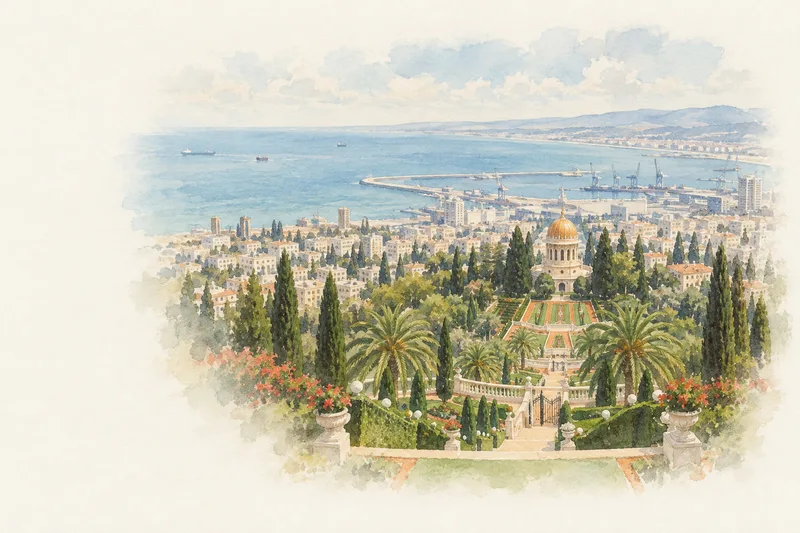
BEFORE YOUR FIRST MEAL
Navigating food allergies in Israel
Israel’s food scene brings together Middle Eastern, Jewish, Arab and immigrant cooking, so the same dish name can cover different recipes. Falafel, hummus, shawarma, sabich, bourekas and desserts such as baklava may involve wheat, sesame, egg, dairy or nuts. Check the complete recipe, including bread, sauces, garnishes, stock and cooking surfaces, rather than relying on the dish name.
What to know first
Falafel and hummus vary in detail
Falafel may use chickpeas or fava beans, with wheat flour, egg, tahini, pita, chips and salads changing the overall recipe. Ask about every component.
Street-food fillings are assembled
Shawarma, sabich and falafel are built from bread, protein or egg, sauces and toppings. Ask whether each addition is prepared separately and what is already inside the bread.
Explain the complete concern
Show or write your explanation in Hebrew or Arabic where useful, and ask staff to confirm the whole recipe, including stock, sauces, garnishes and shared utensils.
Ask about shared preparation
For fried or grilled food, ask whether the oil, water, grill, pan, knife and serving utensils are shared with other foods, and whether toppings are added after cooking.
Read the full ingredient list
For packaged food, read the complete ingredient list and any precautionary wording each time. Do not assume a kosher, vegetarian, vegan or gluten-free description answers an allergy question.
Understanding the food
Palestinian Arab, Mizrahi, Sephardi, Ashkenazi, Ethiopian Jewish, Yemenite Jewish, Druze, Bedouin, Circassian, Armenian and migrant foodways coexist, overlap and are not interchangeable. Chickpeas, sesame, olive oil, vegetables, bread, grains, fish and grilled meats recur, but origin and community attribution matter.
Community and place are more informative than a single national menu.
| Setting or community context | Food landscape | Examples to explore |
|---|---|---|
| Palestinian Arab towns & villages | Olive oil, wheat, pulses, seasonal vegetables and Levantine dishes | Musakhan, maqluba, hummus, breads and festive sweets |
| Jewish diaspora traditions | Recipes carried from Europe, North Africa, the Middle East, Ethiopia and elsewhere | Jachnun, kubbeh, couscous, cholent, bourekas and injera meals |
| Galilee, Acre & northern communities | Olives, herbs, fish, Druze and Arab foodways | Flatbreads, stuffed vegetables, seafood and dairy foods |
| Tel Aviv, Jerusalem & markets | Dense urban mixture, migration and contemporary restaurants | Market food, bakeries, grills and community-specific specialists |
Attribution is essential in a politically contested food landscape. Shared regional dishes may be described as Palestinian, Levantine, Arab, Jewish diasporic or Israeli depending on maker, history and context. The page should preserve those distinctions rather than assign sole ownership. [7][9]
Markets reveal coexistence without erasing unequal histories. Acre, Jerusalem, Haifa and other cities layer Ottoman, Palestinian, Jewish, Mediterranean and migrant food histories. UNESCO’s Acre listing documents a continuously inhabited port city with Crusader and Ottoman urban layers. [9][7]
Pulses, sesame and vegetables create several overlapping regional repertoires.
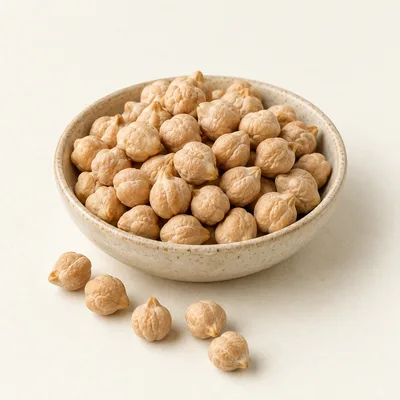 PULSEChickpea
Hummus, falafel and stews with community-specific methods
Tahini, sweets, sauces and bakery toppings
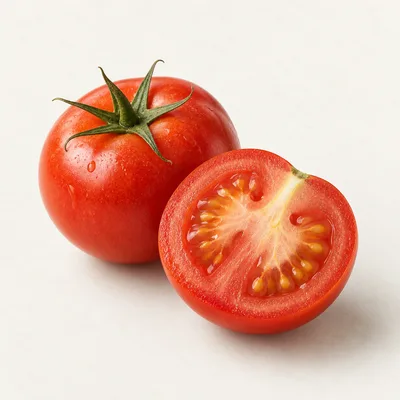 PRODUCETomato
Salads, cooked sauces, shakshuka and preserves
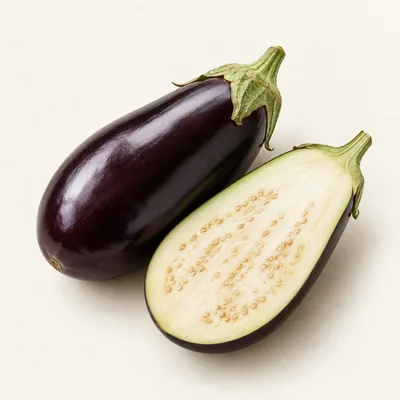 VEGETABLEAubergine
Charred, fried, stuffed or braised
Hummus names both an ingredient and a specialist dish. Texture, tahini proportion, temperature, toppings and regional style vary by shop and community. A dedicated hummus restaurant is more informative than treating it as a generic side. [7]
Kosher practice shapes some kitchens, not every kitchen. Meat and dairy separation, certification and Sabbath timing affect many Jewish venues, while Palestinian, Druze, Christian, Muslim and secular establishments follow different frameworks. [7][10]
Choose restaurants that name the community and origin of the food.
Specialisation improves both clarity and attribution. Palestinian home-style restaurants, Yemenite soup shops, Iraqi Jewish kubbeh kitchens, Ethiopian Jewish restaurants, Druze bakeries and fish restaurants each carry more precise histories than a broad “local food” menu. [7]
Ask who makes the dish and what tradition they claim. Menus and tourism language can nationalise shared foods. Listening to cooks and community-run businesses helps preserve origin without denying exchange or contemporary adaptation. [7][9]
Food-culture sources checked .
Falafel, hummus and assembled pitas
Falafel is commonly served in pita or lafa with hummus, chips, vegetable salad and tahini; other fillings may be added. Falafel may sometimes include wheat flour or egg, while hummus may include tahini. Ask whether the batter, bread, sauce and toppings are made separately, and whether chips share oil with other foods.
Breaded, filled and fried foods
Shawarma may be served in wheat-based pita with tahini, while sabich combines wheat pita, tahini and hard-boiled egg. Israeli schnitzel uses a wheat-flour or breadcrumb coating with egg. Bourekas and sambusak can have cheese fillings, wheat pastry, sesame or egg. Confirm the wrapper, coating, filling, oil and serving tools rather than treating these names as fixed recipes.
Slow cooking, grains and soups
Cholent varies and may include barley, eggs, meat, legumes, rice and vegetables. Kubbeh dishes use different grain shells: durum-wheat semolina in kubbeh hamusta or kubbeh selek, and bulgur wheat in kubbeh soup. Matzah ball soup uses wheat matzah meal and egg. Ask about the grain, broth, dumpling mixture and shared ladle.
Desserts, dairy and regional variation
Babka, rugelach, baklava, kanafeh, basbousa, malabi and ma’amoul do not share one recipe. Examples connect them with wheat, butter, milk, cheese, egg, sesame and different nuts. A filling or garnish may be optional, and pastries may be made in batches. Ask which dough, fat, filling, syrup and final topping are used today.
Ingredients worth recognising
Start with these ingredients, then follow their names and recorded food connections. Check the recipe and product actually used.
Wheat flour
Wheat flour appears in pita, arayes, babka, bourekas, jachnun, malawach and many coatings or pastries. Ask whether it is in the bread, batter, sauce thickener or shared preparation area, and distinguish wheat from gluten when explaining your needs.
Pita Bread
Pita is a wheat-based wrapper for arayes, falafel, sabich and shawarma; some versions include sesame. Ask whether the same bread, knife, board or serving surface is used for other fillings, and whether sauces are added inside before serving.
Tahini
Tahini is a sesame-based sauce or topping associated with hummus, falafel, sabich and shawarma. Ask whether it is in the dish, supplied separately or mixed into another sauce, and whether the serving spoon or container is shared.
Egg
Egg appears in shakshuka, sabich, schnitzel coating, bourekas, cholent, kugel and several pastries. Ask whether it is mixed into the batter, cooked in the sauce, used as a glaze or added as a topping, and whether the pan is shared.
Yogurt
Yogurt is a common component of basbousa batter and may also appear in other preparations or accompaniments. Ask whether it is baked into the dish or served separately, which sauce or garnish contains it, and whether utensils are shared.
Fish
Fish is the defining protein in chraime and ground fish is used in gefilte fish. Ask what type of fish is present, whether egg, breadcrumbs or matzah meal bind the mixture, and whether the pan, oil, stock or serving utensils are shared.
How food labelling works
A current, country-specific allergen-labelling summary for Israel has not yet been verified for this guide. Do not transfer the list of regulated allergens or restaurant disclosure rules from your home country to this one.
Read the complete ingredients on the actual package and keep any local-language sticker with the original label. For imported products, compare the information on that pack rather than a photograph of the brand sold elsewhere. Ask the manufacturer or seller to clarify an unfamiliar term.
For loose food or meals prepared to order, ask who can check the recipe and the labels on bought-in ingredients. Explain every food you avoid, including ingredients outside familiar allergy groups; a short symbol chart may not cover your list.
Language and communication
Hebrew is Israel’s national language and should be prioritised in a written explanation of your food concern. Arabic is also important, especially in Arab-majority areas such as Nazareth and Kafr Kanna. Ask the person preparing the food to confirm the complete recipe, not merely recognise an ingredient name.
English is widely used but ability varies, so a written explanation can help when ordering at a counter, market, café or restaurant. Names in Hebrew, Arabic or English are recognition aids rather than a complete request. Ask for confirmation of sauces, bread, toppings, stock and shared preparation.
Eating in different settings
Falafel or shawarma counter
Ask what is in the falafel batter and whether wheat flour or egg is used. Check the pita or lafa, tahini, hummus, salad and chips separately. Ask whether the fryer, tongs and preparation surface are shared, and request only confirmed components.
Bakery or pastry shop
For bourekas, babka, baklava, kanafeh, rugelach or ma’amoul, ask about the dough, butter, cheese, egg wash, filling and garnish. Confirm whether sesame or nuts are added, whether products share trays, and whether the item is assembled from pre-made components.
Sit-down restaurant or shared meal
Ask for the complete recipe of shakshuka, chraime, schnitzel, cholent or kubbeh. Check stock, breadcrumbs, matzah meal, dairy, grain shells and toppings. Ask whether the same pan, ladle, grill or serving utensils are used for other dishes.
Supermarket or packaged-food shop
Read the full ingredient list for breads, tahini, chocolate, preserves, breadcrumbs and prepared meals. Check every flavour and package rather than relying on a front-label dietary description. If wording is unclear, ask the shop or manufacturer to confirm the ingredients.
Before you travel
Review your personal plan
Discuss your travel plans with your clinician and keep your prescribed medicines and emergency instructions accessible. Tell companions where these are and how to follow your plan.
Check your medicines before entering Israel
The official travel-health information says that medicines prescribed or bought in the UK can have different legal status and regulation in other countries, and points travellers to TravelHealthPro guidance. Before travel, check the medicine’s import and documentation requirements with the relevant Israeli authority and your prescriber; do not change prescribed medicines without professional advice.
Make the first meals easier to organise
Contact your accommodation and transport providers in advance. Save your written food list, menu questions and destination address offline. Check entry restrictions before packing backup food, and plan how you will check meals during arrival and onward journeys.
Plan access to medical help
Healthcare in Israel and Palestine is not free, treatment can be expensive, and hospitals may require payment or pursue unpaid bills. Arrange adequate travel health insurance and accessible funds for treatment and repatriation. Check your policy’s eligibility and claims process before travel, and use official medical-provider guidance if care is needed.
Emergency resources
For a suspected severe allergic reaction, follow your prescribed emergency plan and seek urgent medical help. Give your exact location clearly.
Ambulance and urgent medical help
For an ambulance dial: 100 in Israel 101 in the West Bank and Gaza
Explore next
Your allergy in Israel
Choose a food concern for the country notes and questions relevant to it.
Dishes in Israel
Follow the ingredients and cuisine connections in individual dish records.
Your own food list
Combine allergy groups and individual ingredients in one guide, with local names where recorded.
Allergy cards
Prepare the information you need to explain your food requirements.
FAQs, sources and review dates
Could falafel be suitable if it is described as vegetarian?
Not necessarily. Falafel may sometimes include wheat flour, egg and tahini, while the meal may also include wheat pita, chips and several sauces. Ask about the ball, frying oil, bread, hummus, tahini, salad and utensils separately; a vegetarian description does not answer an allergy question.
What should I ask about cholent or kubbeh soup?
Ask which grain forms the dish and what is in the broth or dumpling. Cholent may include barley and eggs, while kubbeh soup is linked with bulgur wheat; other kubbeh examples use durum-wheat semolina and celery. Confirm meat, legumes, vegetables, stock, ladles and whether ingredients were cooked together.
What about an ingredient outside common allergy groups, such as celery?
Celery is recorded in beef broth and chicken stock formulations and is characteristic or common in the soups accompanying kubbeh hamusta and kubbeh selek. Ask whether celery is in the stock, aromatic base, soup or garnish, and whether the same ladle or preparation vessel is used.
Sources checked: . This researched draft is awaiting editorial review. Practical questions apply the sources below to local food settings; they do not confirm any individual meal's ingredients or preparation.
Sources & references (10)
- FCDO · Israel health and medical assistance
Emergency contact details, local healthcare and medicine guidance. UK-specific eligibility does not apply to every visitor.
- Wikivoyage contributors · Israel
Community-edited culinary context only; not an allergy or medical authority. Brief food-context adaptations, CC BY-SA 4.0: https://creativecommons.org/licenses/by-sa/4.0/. Recipe questions also use PlateSafe’s draft records.
- FARE · Dining out
General recipe and preparation questions, applied here to country-specific food examples.
- FARE · Travelling with food allergies
General preparation, written communication and access to prescribed medicines. Not country-specific import permission.
- PlateSafe · Israel recorded food connections
Existing draft dish and ingredient records, used as examples to investigate. These are not independently verified recipes or suitability assessments.
- Unicode CLDR · Territory language data
Language suggestions. Regional language needs must be confirmed with the particular food provider.
- National Library of Israel — Food and culinary culture collections
- FAO — Israel country profile
- UNESCO World Heritage Centre — Old City of Acre
- Israel Ministry of Tourism — Official portal