
BEFORE YOUR FIRST MEAL
Navigating food allergies in Italy
Italy’s food varies sharply between regions and even neighbouring towns. A meal may move from antipasto to primo, secondo, contorno and dessert, while a quick choice might be pizza, a filled roll or a bakery dish. Recipe names are recognition aids only: ask about the complete preparation, including pasta dough, fillings, stock, sauces, toppings, cooking fat and shared equipment.
What to know first
Bread and pasta appear in many forms
Wheat is recorded in pizza, pasta, bread, breadcrumbs, couscous, polenta accompaniments and pastries. Ask whether flour, semolina or breadcrumbs are used, rather than relying on the dish name.
Regional recipes can add different ingredients
Risotto may contain stock, butter and cheese; arancine may contain rice, cheese, egg and wheat breadcrumbs. Ask which local or house version is being served.
Explain the concern before ordering
Use Italian first where possible, then ask staff to confirm every ingredient in your exact order. Ask specifically about sauces, fillings, toppings, frying oil, utensils and shared cooking water.
Preparation details matter
For fried or baked food, ask whether the oil, tray, grill, pan, water or serving tools are shared. Ask whether a sauce or stock was prepared separately, not merely added at the end.
Check the full label, not a short key
EU food-information rules cover 14 allergen categories; on prepacked food, these must stand out in the ingredients list. For unpackaged food, ask how allergen information is supplied for your exact order.
Understanding the food
Pasta and pizza are only opening lines. Wheat, rice, maize, olive oil, butter, cheese, tomato, pulse, cured meat and seafood change between twenty regions, and often between neighbouring towns. Long civic histories, varied landscapes and family transmission make “Italian cuisine” a shared practice built from thousands of local repertoires.
One country, many regional tables.
| Area | Recurring context | Examples to explore |
|---|---|---|
| North | Alpine and continental landscapes | Butter, mountain cheeses, polenta, rice and local meats |
| Centre | Farming, pastoral and city traditions | Olive oil, legumes, seasonal vegetables, bread and handmade pasta |
| South | Mediterranean agriculture, upland pasture and dense city traditions | Durum wheat pasta, tomato, vegetables, bread, seafood and regional cheeses |
| Sicily & Sardinia | Island agriculture, pastoralism and centuries of maritime exchange | Citrus, almonds, pistachio, durum wheat, tuna, sheep cheese and distinctive breads |
Regional identity is central to Italian food. Official Italian tourism guidance describes different ingredients and preparations across the north, centre, south and islands, with variation continuing between cities and families. Treat “Italian cuisine” as an umbrella, not a single standard menu. [8][10]
Look for the place attached to the dish. A familiar name may point to a particular city, province or landscape. That origin often explains the grain, fat, cheese, vegetable or cooking method used in a traditional version. [8]
Ingredients that organise the plate.
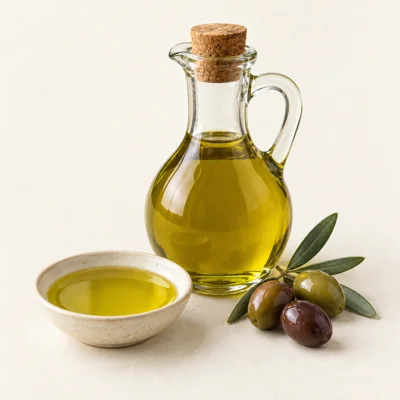 FATOlive oil
Especially prominent in central and southern cooking
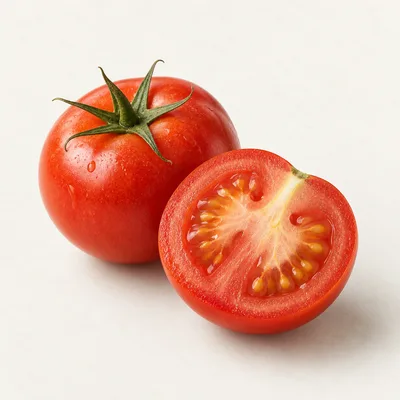 PRODUCETomato
Fresh, preserved or cooked into sauces
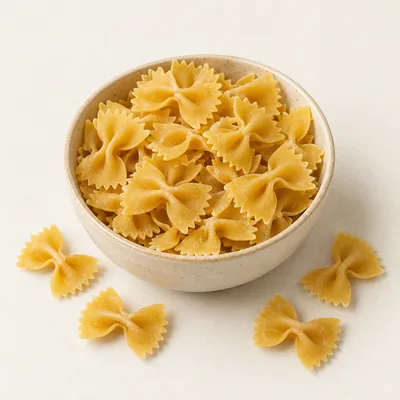 GRAINPasta
Shapes, grains and sauces vary by region
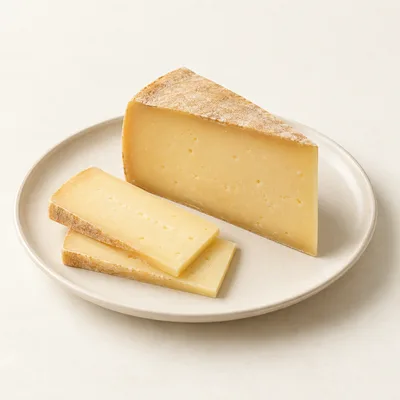 DAIRYCheese
Local milk and ageing traditions shape the result
Simple ingredient lists can carry a great deal of local detail. Bread, pasta, rice, olive oil, legumes, vegetables, cheese, cured meat and seafood recur in different combinations, but their importance and preparation change substantially by region. [8][9]
The complete dish still matters. A pasta shape does not determine its sauce, and a vegetable-led preparation may still include cheese, stock, cured meat or breadcrumbs. Follow the named dish rather than relying on one visible ingredient. [9]
Food is also a way of gathering.
Conviviality is part of the documented food culture. Shared meals, Sunday lunches, family recipes and local festivals connect cooking with hospitality and community. Restaurant experiences range from quick bars and pizzerias to trattorie, regional specialists and long multi-course meals. [8][11]
Do not assume every meal follows a formal sequence. Antipasto, primo, secondo and dolce describe a useful menu structure, but travellers will also encounter single-dish lunches, street food, bakery counters and aperitivo. Choose the format that matches the information and pace you need. [9]
Food-culture sources checked .
Pasta, rice and staged meals
Pasta is commonly served as a primo rather than the whole meal, and fresh versions may use wheat flour and egg while dried versions may not. Tagliatelle al ragù Bolognese combines fresh pasta with a traditional milk-containing ragù. Risotto alla Pilota may include butter and finishing cheese, while stock needs separate checking.
Bread-based and fried foods
Bread is built into dishes such as ribollita, pappa al pomodoro, panzanella and acquacotta. Fried examples add further steps: arancine may have a wheat breadcrumb coating and egg, while cuoppo napoletano may combine wheat coating with fish, crustaceans or other seafood. Ask about batter, crumb, oil and shared utensils.
Pizza, filled breads and regional forms
Pizza varies by place and recipe: Pizza Margherita has a wheat crust and mozzarella, Pizza Marinara has a wheat crust, and Pizza al Taglio Romana may have mozzarella toppings. Piadina Romagnola is a wheat flatbread. Ask whether toppings, fillings or finishing cheese are added after cooking and whether the base is prepared separately.
Seafood, meat and vegetable combinations
Seafood may be central, as in spaghetti alle vongole, cacciucco Livornese or swordfish dishes, but names do not reveal the full mixture. Meat dishes can include breadcrumb, egg, cheese or butter: cotoletta alla Bolognese records all four connections. Vegetable dishes also need checks, such as celery or anchovy in caponata and Roman puntarelle.
Ingredients worth recognising
Start with these ingredients, then follow their names and recorded food connections. Check the recipe and product actually used.
Wheat flour
Wheat flour appears in pizza, bread, pastries, fresh pasta, piadina and coatings. Check whether the recipe uses wheat flour, semolina or breadcrumbs, and ask about shared surfaces, sieves, ovens, water and utensils. Gluten and wheat are distinct concerns, so describe the one relevant to you.
Fish stock
Fish stock can carry fish even when the main dish looks like pasta, rice or soup; fish broth is also a recorded broth formulation. Ask whether the stock, sauce or cooking water contains fish, and whether a separate pan and ladle were used.
Celery
Celery is itself an ingredient and is also recorded in broths, vegetable broth, soffritto and dishes such as caponata. Ask whether it is in the base, stock, sauce or garnish, including if pieces have been removed after cooking.
Mozzarella
Mozzarella is a milk-based cheese found in Pizza Margherita, calzone, arancine and mozzarella in carrozza. Check the filling and topping, whether another cheese is added, and whether the cheese is placed on a shared board or handled with the same utensils.
Egg
Egg may bind fresh pasta, pastry, coatings, fillings or sauces. It is recorded in arancine, carbonara, fresh tagliatelle and many baked dishes. Ask about dough, wash, batter and garnish separately, rather than assuming a savoury or sweet item is egg-free.
Almond Paste
Almond paste is used in recorded sweets including cassata and frutta Martorana, and almonds also appear in biscuits and cakes. Check fillings, decoration and shared moulds or display tools; ask about the complete recipe if the item is sold loose.
How food labelling works
EU food-information rules cover 14 allergen categories used as ingredients. On prepacked food, these must stand out in the ingredients list. The categories include gluten-containing cereals, crustaceans, eggs, fish, peanuts, soybeans, milk, specified nuts, celery, mustard, sesame, sulphites above the stated threshold, lupin and molluscs.
Allergen information is also required for food sold without prepacking, including restaurant meals. Ask how to obtain the information for the exact order. National arrangements affect how it is supplied; an ingredient declaration does not by itself describe shared equipment or handling.
If you avoid a food outside those categories, read the complete ingredients and name that food when speaking to staff. A short allergen key cannot answer every ingredient-specific question.
Language and communication
Italian is the national language and the most useful language for food questions throughout Italy. Prepare a written explanation in Italian that names the food to avoid and asks for the complete recipe, including stock, sauce, topping, frying oil and shared utensils. Dish names help recognition but are not a complete request.
Regional languages are also used in some areas: German in South Tyrol, French in Valle d’Aosta, Slovene and German near parts of Friuli-Venezia Giulia, and local languages such as Venetian or Neapolitan. Use Italian as the main written explanation, then ask staff to confirm locally where regional wording affects the menu.
Eating in different settings
Pizzeria or pizza al taglio counter
Ask whether the base is wheat-based, what is on the topping, and whether cheese, anchovy or other ingredients are added after baking. At a slice counter, ask whether the server uses the same scissors, tray, gloves or board for different pizzas.
Panetteria or bakery
Ask for the full recipe of focaccia, bread, cornetti, pastries or filled rolls. Check flour, butter, milk, egg, sesame and fillings, then ask whether display tongs, trays and cutting surfaces are shared between sweet and savoury products.
Restaurant or gastronomia
For pasta, risotto, soup or a multi-course meal, ask about stock, béchamel, cheese, milk, egg, breadcrumbs and finishing toppings. Confirm whether the sauce was made separately and whether pasta, rice or vegetables share cooking water, pans or serving spoons.
Market, gelateria or packaged-food shop
At a market, ask about marinades, curing ingredients and loose-food handling. For gelato, ask whether the flavour uses milk, cream or a non-dairy base and whether scoops are shared. For packaged food, read the complete ingredients list and highlighted allergen information.
Before you travel
Review your personal plan
Discuss your travel plans with your clinician and keep your prescribed medicines and emergency instructions accessible. Tell companions where these are and how to follow your plan.
Check your medicines before entering Italy
Medicine rules can differ between the UK and Italy. Before travelling, check TravelHealthPro guidance and, for medicines containing internationally controlled drugs, the Italian Ministry of Health information. Ask the relevant authority about documentation, quantities and import requirements for your own prescription; do not stop or alter treatment.
Make the first meals easier to organise
Contact your accommodation and transport providers in advance. Save your written food list, menu questions and destination address offline. Check entry restrictions before packing backup food, and plan how you will check meals during arrival and onward journeys.
Plan access to medical help
For medically necessary state healthcare, UK visitors generally need a GHIC or EHIC, subject to the card’s eligibility and coverage rules. These cards do not replace travel insurance and may not cover private, non-urgent or repatriation costs. Check current eligibility with the NHS and cover with your insurer.
Emergency resources
For a suspected severe allergic reaction, follow your prescribed emergency plan and seek urgent medical help. Give your exact location clearly.
Ambulance and urgent medical help
Dial 118 and ask for an ambulance.
Explore next
Your allergy in Italy
Choose a food concern for the country notes and questions relevant to it.
Dishes in Italy
Follow the ingredients and cuisine connections in individual dish records.
Your own food list
Combine allergy groups and individual ingredients in one guide, with local names where recorded.
Allergy cards
Prepare the information you need to explain your food requirements.
FAQs, sources and review dates
Can I order a simple pasta dish safely by name?
No dish name gives a complete recipe. Carbonara records durum-wheat pasta, egg and Pecorino Romano, while ragù Bolognese may include milk. Ask about the exact pasta, sauce, stock, cheese, garnish and cooking water, and request confirmation before ordering.
What should I check in seafood dishes?
Ask which species are present and whether the sauce or stock contains additional fish, crustaceans or molluscs. Cacciucco may include several seafood groups and wheat bread; spaghetti alle vongole has wheat pasta. Also ask about shared fryers, pans, ladles and serving tools.
What about an ingredient outside common allergy groups, such as celery?
Name celery specifically rather than relying on an allergen summary. It may be part of soffritto, broth, vegetable broth, caponata or a sauce and may not remain visible in the finished dish. Ask whether it was used at any stage and whether the complete ingredient information is available.
Sources checked: . This researched draft is awaiting editorial review. Practical questions apply the sources below to local food settings; they do not confirm any individual meal's ingredients or preparation.
Sources & references (11)
- FCDO · Italy health and medical assistance
Emergency contact details, local healthcare and medicine guidance. UK-specific eligibility does not apply to every visitor.
- Wikivoyage contributors · Italy
Community-edited culinary context only; not an allergy or medical authority. Brief food-context adaptations, CC BY-SA 4.0: https://creativecommons.org/licenses/by-sa/4.0/. Recipe questions also use PlateSafe’s draft records.
- FARE · Dining out
General recipe and preparation questions, applied here to country-specific food examples.
- FARE · Travelling with food allergies
General preparation, written communication and access to prescribed medicines. Not country-specific import permission.
- PlateSafe · Italy recorded food connections
Existing draft dish and ingredient records, used as examples to investigate. These are not independently verified recipes or suitability assessments.
- Unicode CLDR · Territory language data
Language suggestions. Regional language needs must be confirmed with the particular food provider.
- European Commission · Allergen information
Scoped allergen-labelling summary. Does not establish an individual meal’s ingredients or preparation.
- Italia.it — Italian cuisine and its regional heritage
- Italia.it — Food and wine in Italy
- Italia.it — Food and wine landscapes
- UNESCO — Italian cooking, between sustainability and biocultural diversity