
BEFORE YOUR FIRST MEAL
Navigating food allergies in Ivory Coast
Côte d’Ivoire’s food combines cassava-based attiéké, fried plantain, grilled proteins, stews and strongly seasoned sauces. A named dish may still vary by protein, stock, marinade, topping or cooking oil. Ask for the complete recipe, including optional ingredients and shared preparation equipment, particularly when ordering garba, braised foods, sauces or fried doughs.
What to know first
Cassava and plantain are different preparations
Attiéké is grated cassava commonly served with grilled or fried fish, while alloco is fried plantain with spicy vegetable sauce and sometimes boiled egg. Confirm every accompaniment separately.
Fish appears across many formats
Fish is recorded with attiéké, abodjama, akpessi, biékosseu, kokodé, n’zassa and several sauces; garba specifically centres on tuna. Ask which fish and stock are used.
Explain the whole concern in French
Prepare a written French explanation naming the ingredient, the need to avoid it, and questions about sauce, stock, garnish, oil, water and shared utensils. Ask staff to confirm the full dish.
Check cooking components, not just the main food
For grilled chicken, ask about mustard marinades; for stews, ask about fish stock; for fried foods, ask whether the oil and utensils are shared with other dishes.
Read the complete ingredient list
Read the complete ingredients and allergen information on the actual product. If you avoid a food that is not highlighted, ask the producer or food provider to check it specifically.
Understanding the food
Cassava, plantain, yam, rice, maize, groundnuts, palm oil, fish, poultry, snails and leafy sauces vary across Akan, Kru, Mandé, Gur and many other communities. Abidjan’s maquis culture gathers national dishes, while western, northern and lagoon regions retain distinct starches and seasonings.
Lagoon, forest and savanna regions organise different staples.
| Region or setting | Food landscape | Examples to explore |
|---|---|---|
| Abidjan & lagoons | Urban maquis, seafood, cassava and national migration | Attiéké, grilled fish, alloco, kedjenou and garba |
| Coast & southeast | Fish, coconut, plantain and Akan lagoon foodways | Seafood stews, attiéké and palm-based sauces |
| Western forest zone | Rice, cassava, plantain, yams and forest ingredients | Foutou, leaf sauces and regional rice dishes |
| Northern savanna | Maize, millet, rice, groundnuts, cattle and shea | Grain porridges, grilled meat and groundnut sauces |
The tourism authority foregrounds convivial maquis and regional dishes. Attiéké, alloco, kedjenou, garba and grilled fish are useful urban entry points, but their starch, sauce and community origins remain important. [7]
Coastal food sits within histories of trade and colonialism. UNESCO’s Grand-Bassam documents an old colonial capital beside an N’zima town, making visible the unequal urban and commercial systems that shaped port food and markets. [9]
Fermented cassava and pounded tubers create distinct textures.
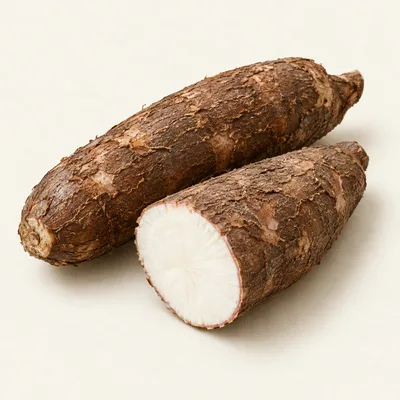 ROOTCassava
Attiéké, placali and other fermented forms
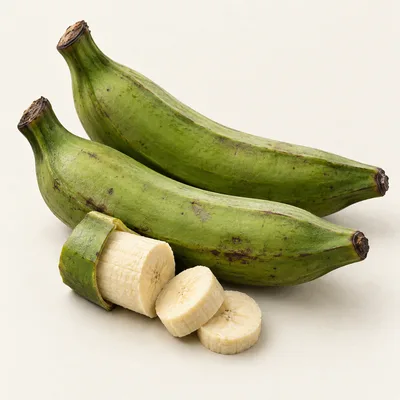 TROPICAL STARCHPlantain
Alloco, foutou and boiled or roasted sides
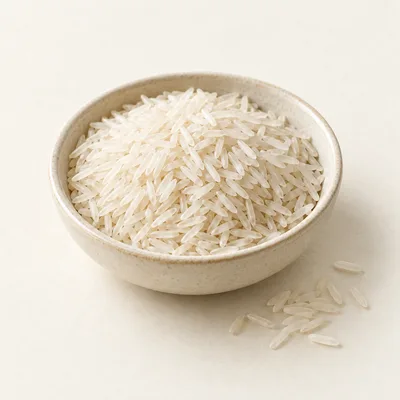 GRAINRice
Everyday plates and western regional dishes
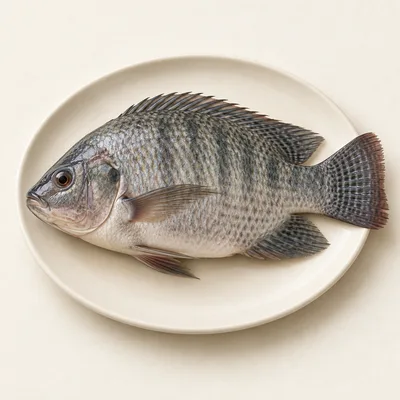 COAST & LAGOONFish
Grilled, smoked, fried or simmered in sauce
Attiéké is a skilled fermented product, not couscous made from grain. Cassava is grated, fermented, pressed, granulated and steamed into a light-textured staple usually paired with fish, onion, tomato and chilli. [7][8]
Kedjenou uses a sealed pot and its own moisture. Chicken or other meat cooks slowly with vegetables and seasoning in a tightly covered vessel, traditionally shaken rather than opened and stirred. [7]
The maquis is a central social institution of urban eating.
Choose the grill and its accompaniments together. An open-air maquis may specialise in fish or chicken served with attiéké, alloco, rice and sharp onion-chilli relishes. The atmosphere and shared tables are part of the format. [7]
Forest ingredients need local and conservation context. Western Côte d’Ivoire contains exceptional biodiversity around Taï. Gathered foods and wildlife should never be presented without identifying legal, ecological and community constraints. [10]
Food-culture sources checked .
Cassava, grains and fried sides
Attiéké is grated cassava with a couscous-like appearance and is commonly paired with grilled or fried fish. Garba centres on tuna, while alloco is fried plantain, often accompanied by spicy vegetable sauce and boiled egg. Ask whether the side, sauce or garnish is prepared separately, and whether frying oil or utensils are shared with wheat doughs or other foods.
Grilling and braising
Poisson braisé has fish as its defining protein, and poulet braisé is a grilled or braised chicken preparation whose recorded marinade variations can include mustard. Shoukouilla is described as a blend of charbroiled meat. Before ordering, ask what is brushed on the food, whether the grill is shared, and whether the meat is served with a separate sauce.
Stews and sauce variations
Kedjenou is a popular spicy stew. Fish may be used in sauce feuille, sauce arachide, sauce aubergine, sauce claire, sauce gombo and sauce graine; ground peanut defines sauce arachide, and peanut paste is a variation in sauce feuille. Ask which protein, stock, paste and thickener are in today’s version.
Doughs, stocks and additions
Gbofloto has wheat flour as its core dough ingredient. Tchintchin uses wheat flour and may include egg, cow milk or dairy fat. Djoumgblé may use dried fish stock as a savoury base. Ask whether a fried dough contains these ingredients and whether stock, oil or cooking water is shared.
Ingredients worth recognising
Start with these ingredients, then follow their names and recorded food connections. Check the recipe and product actually used.
Fish
Fish is the defining or common protein in attiéké pairings, poisson braisé and several sauces and stews. Ask which species is used, whether it is fresh, dried or powdered, and whether fish stock or fish-derived seasoning is added.
Tuna
Tuna is the intrinsic core ingredient recorded for garba. Confirm whether the serving contains only the expected tuna preparation or also fish stock, marinades, sauces, garnishes and shared frying oil.
Peanut
Peanut is the defining base of kan kan mi’s sauce and sauce arachide. Ask about ground peanut, peanut paste and peanut-containing seasoning in accompanying sauces, and whether utensils or preparation surfaces are shared.
Wheat flour
Wheat flour is the core dough ingredient in gbofloto and tchintchin. Ask whether the dough is made separately from other fried foods, which oil is used, and whether toppings, binders or dairy enrichments are added.
Dijon Mustard
Some recorded Dijon mustard formulations use wine or other sulfite-containing ingredients, and mustard appears in some poulet braisé marinade variations. Ask for the exact marinade and condiment ingredients rather than assuming the chicken is plain.
Butter
Butter is a cow-milk-derived ingredient and cow milk or dairy fat may enrich tchintchin recipes. Ask whether butter, milk or another dairy ingredient is mixed into the dough, brushed on afterwards or used in a filling.
How food labelling works
A current, country-specific allergen-labelling summary for Ivory Coast has not yet been verified for this guide. Do not transfer the list of regulated allergens or restaurant disclosure rules from your home country to this one.
Read the complete ingredients on the actual package and keep any local-language sticker with the original label. For imported products, compare the information on that pack rather than a photograph of the brand sold elsewhere. Ask the manufacturer or seller to clarify an unfamiliar term.
For loose food or meals prepared to order, ask who can check the recipe and the labels on bought-in ingredients. Explain every food you avoid, including ingredients outside familiar allergy groups; a short symbol chart may not cover your list.
Language and communication
French is Côte d’Ivoire’s official language and the main language of most urban areas. Prepare a written explanation in French, naming the ingredient concerned and asking about the complete recipe, stock, sauce, toppings, oil, water and shared utensils. Ask the person taking the order to confirm the answer.
Languages including Anyin, Baoulé, Bété and Dioula are also used in Côte d’Ivoire. Ask which language is most useful for your particular conversation and arrange reliable local help where necessary. Keep the complete food list available, and ask the cook to explain each component instead of relying on a dish name alone.
Eating in different settings
Street stall or small counter
For garba, alloco or another quick serving, ask whether the fish is tuna, whether the vegetable sauce contains peanut or fish stock, and whether egg is added. Ask which oil and utensils are used for frying, and request confirmation before paying.
Grill or braised-food counter
When ordering poisson braisé or poulet braisé, ask what is in the marinade or brushing sauce, including mustard, and whether the grill or chopping board is shared. Confirm whether vegetables, onion, cucumber or avocado are added separately and how they are handled.
Stew or sauce restaurant
For kedjenou, sauce arachide, sauce feuille or another sauce, ask which protein is in today’s pot and whether dried fish stock, peanut, peanut paste or another seasoning is included. Ask whether the rice, cassava or other accompaniment is cooked with the sauce.
Bakery or packaged-food shop
For gbofloto, tchintchin or packaged snacks, ask to see the complete ingredient list and identify wheat flour, egg, cow milk, butter and any compound seasoning. Ask whether fried items share oil, trays or utensils, and do not rely on a plain-sounding product name.
Before you travel
Review your personal plan
Discuss your travel plans with your clinician and keep your prescribed medicines and emergency instructions accessible. Tell companions where these are and how to follow your plan.
Check your medicines before entering Ivory Coast
The legal status and regulation of medicines prescribed or bought in the UK may differ in Côte d’Ivoire. Before travel, ask TravelHealthPro or the relevant Ivorian authority what medicine-import requirements and documentation apply.
Make the first meals easier to organise
Contact your accommodation and transport providers in advance. Save your written food list, menu questions and destination address offline. Check entry restrictions before packing backup food, and plan how you will check meals during arrival and onward journeys.
Plan access to medical help
Medical facilities in Abidjan are described as reasonably standard but potentially expensive; outside Abidjan, facilities are described as rudimentary, with emergency care limited to a few major hospitals. Check insurance for treatment and possible repatriation, and identify suitable providers for your route before departure.
Emergency resources
For a suspected severe allergic reaction, follow your prescribed emergency plan and seek urgent medical help. Give your exact location clearly.
Ambulance and urgent medical help
Call 185 and ask for an ambulance.
Explore next
Your allergy in Ivory Coast
Choose a food concern for the country notes and questions relevant to it.
Dishes in Ivory Coast
Follow the ingredients and cuisine connections in individual dish records.
Your own food list
Combine allergy groups and individual ingredients in one guide, with local names where recorded.
Allergy cards
Prepare the information you need to explain your food requirements.
FAQs, sources and review dates
Can I order attiéké if I need to avoid fish?
Attiéké itself is grated cassava, but it is commonly paired with grilled or fried fish. Ask for the complete serving: fish, stock, sauce, vegetables, garnish and oil. Confirm that the cassava and accompaniments are prepared separately rather than inferring suitability from the side’s name.
What should I ask about a peanut sauce?
Sauce arachide has ground peanut as its defining base, and peanut paste is a recorded variation in sauce feuille; kan kan mi also has a peanut-based sauce. Ask whether peanut appears in the named sauce, stock, garnish or shared utensil, and ask for confirmation of the whole recipe.
Is avocado covered by the common allergy groups?
Avocado is mentioned as an extra vegetable in the food context, but it is not classified here. If it matters to you, name avocado specifically and ask whether it is added, handled on a shared board, or served with the same dressing or sauce as the main dish.
Sources checked: . This researched draft is awaiting editorial review. Practical questions apply the sources below to local food settings; they do not confirm any individual meal's ingredients or preparation.
Sources & references (10)
- FCDO · Ivory Coast health and medical assistance
Emergency contact details, local healthcare and medicine guidance. UK-specific eligibility does not apply to every visitor.
- Wikivoyage contributors · Ivory Coast
Community-edited culinary context only; not an allergy or medical authority. Brief food-context adaptations, CC BY-SA 4.0: https://creativecommons.org/licenses/by-sa/4.0/. Recipe questions also use PlateSafe’s draft records.
- FARE · Dining out
General recipe and preparation questions, applied here to country-specific food examples.
- FARE · Travelling with food allergies
General preparation, written communication and access to prescribed medicines. Not country-specific import permission.
- PlateSafe · Ivory Coast recorded food connections
Existing draft dish and ingredient records, used as examples to investigate. These are not independently verified recipes or suitability assessments.
- Unicode CLDR · Territory language data
Language suggestions. Regional language needs must be confirmed with the particular food provider.
- Côte d’Ivoire Tourisme — Art de vivre and gastronomy
- FAO — Côte d’Ivoire country profile
- UNESCO World Heritage Centre — Historic Town of Grand-Bassam
- UNESCO World Heritage Centre — Taï National Park