
BEFORE YOUR FIRST MEAL
Navigating food allergies in Japan
From a bowl of noodles to a ryokan dinner, the useful questions often concern the stock, seasoning and preparation as much as the main ingredient. Start here for Japan’s food context, labelling rules and practical travel preparation, then explore the foods you personally need to avoid.
What to know first
Look beyond the main ingredient
Dashi and seasonings can add fish, soy or wheat to a dish that looks vegetable-based.
A packet and a restaurant menu tell different stories
Mandatory allergen labelling covers packaged processed foods. Restaurant meals and food sold loose do not have the same requirements.
Name every food you avoid
Soy and sesame are recommended declarations, not mandatory ones. A short allergen chart may not cover your full list.
Ask before ordering
Use a written Japanese explanation and ask staff to check with the kitchen. For a ryokan meal, make contact before your stay.
Check the preparation too
Ingredients are only part of the conversation. Ask about shared cooking oil, utensils and preparation areas.
Understanding the food
Rice, soup and several smaller dishes are a familiar starting point. Noodle shops, sushi counters, grilled meat, savoury pancakes and breaded cutlets are also part of the picture.
A meal can have several parts.
| Part | Food context | What to explore |
|---|---|---|
| Rice | A staple alongside other dishes | Seasonings and accompaniments |
| Soup | Often built around a stock | Stock ingredients and added seasoning |
| Main and two sides | The ichiju sansai meal pattern | Each dish and its preparation |
The traditional ichiju sansai meal combines rice with a soup, a main dish and two sides. It is one part of a much wider food culture. [18]
You will find plenty of fried food, including tempura and tonkatsu, alongside grilled yakitori, sushi and table-top yakiniku barbecues. A restaurant may specialise in one of these styles. The cooking method helps you know what to ask about, but does not establish whether the meal suits an allergy. [19]
The flavours that keep coming back.
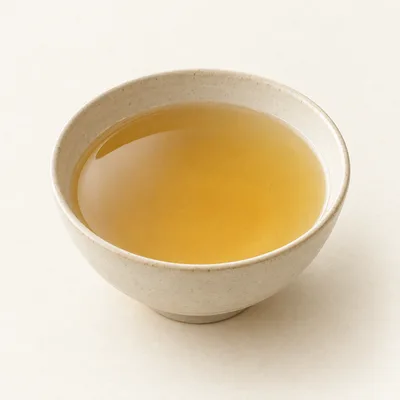 STOCKDashi
Kombu, bonito or other recipes
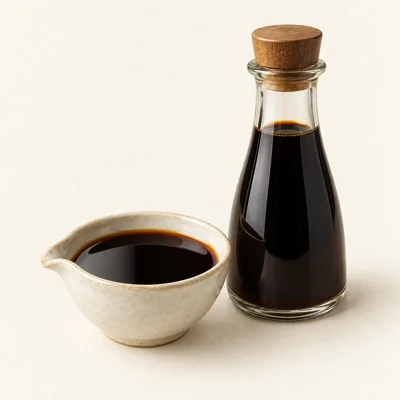 SEASONINGSoy sauce
Fermented savoury depth
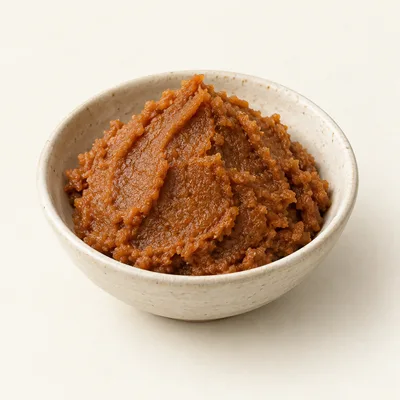 FERMENTMiso
Varies by grain and style
 CONDIMENTShichimi
A variable seven-spice blend
Dashi is a stock that provides savoury depth, or umami; a classic version combines kombu seaweed and bonito fish flakes. Soy sauce and miso bring fermented flavours to cooking and seasoning. These ingredients can be part of a liquid or sauce, even when they are not visible on the plate. [20][21]
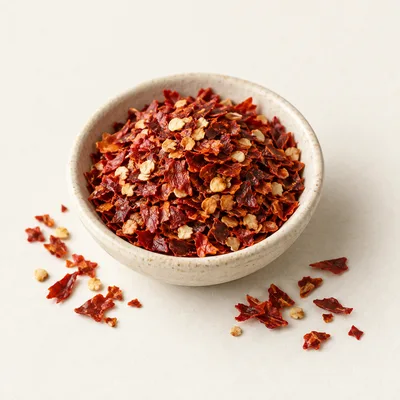
Shichimi togarashi is a spice blend used with foods such as noodles. It can contain sesame, and the blend varies between makers and regions. A small sprinkle still belongs in the ingredient conversation. [22]
Judge the meal, not a label.
A traditional meal can combine several food groups, but a trip can just as easily revolve around fried cutlets and rich noodle bowls. Japan’s agriculture ministry highlights dishes such as udon soup among foods that can contribute substantial salt. Judge ingredients, preparation and portions rather than treating “Japanese” as a nutrition claim. Allergy suitability is a separate question. [18][23]
Food-culture sources checked .
Stocks and seasonings run through the meal
Dashi may use bonito flakes, other dried fish, kombu or combinations. Shoyu usually contains soybeans and wheat; miso varies with its soybean, rice or barley base. Ask about the stock and seasoning in soups, noodle dipping sauces and simmered dishes.
Check the whole set
A set meal or multi-course dinner brings several recipes to the table. Include soup, side dishes, garnishes and dipping sauces in the check. At an izakaya, ask about the small starter, or otoshi, that may arrive automatically.
Preparation and region change the details
For tempura, investigate the batter and fryer; for noodles, the flour mix and cooking water. Regional names are not fixed recipes: barley miso is associated with parts of Kyushu, Chugoku and Shikoku, while soybean miso is associated with Aichi, Mie and Gifu. Confirm the version being served.
Ingredients worth recognising
A few useful starting points. Follow each ingredient for its names and recorded connections.
Bonito flakes
Used in dashi and as a topping. Ask whether the stock or seasoning contains fish, even when no fish pieces are visible.
Soybean
Recognise the connection to tofu, miso and shoyu. Check both the main ingredient and the seasoning.
Wheat flour
Relevant to batters and many noodles. Check the flour mix, coating and any added soy sauce.
Buckwheat flour
The grain behind soba. Buckwheat and wheat are different foods; ask about both flours in the actual noodles.
Sesame seed
Can appear in toppings and goma dressings. Ask about ground sesame and sesame paste as well as visible seeds.
How food labelling works
Japan’s rules require allergen declarations for specified ingredients in packaged processed foods. The mandatory list now has nine: shrimp, crab, walnut, wheat, buckwheat, egg, milk, peanut and cashew. A separate recommended list includes foods such as soy, sesame and apple; their allergen declarations may be absent.
Read the Japanese ingredients and allergen information on the actual pack. Restaurant meals and foods sold loose are outside the same mandatory system. A missing allergen icon is not confirmation that your food is absent, and a wheat declaration does not cover every gluten-containing grain.
Language and communication
Prepare a Japanese explanation naming each food you must avoid and the preparation checks you need. Show it before ordering and ask who can confirm the recipe, including bought-in sauces and stock. A translated food name helps recognition; a complete allergy request also explains what the kitchen needs to check.
Keep a copy on your phone and on paper. The Consumer Affairs Agency provides a bilingual communication sheet; it is a starting point, so add foods outside its checklist and check its edition against the latest labelling rules.
Eating in different settings
Restaurants and noodle counters
Check the broth, sauce and toppings before buying a meal ticket or ordering. Ask whether the kitchen can change the recipe and preparation. An English menu alone cannot answer those questions.
Ryokan and hotel meals
Contact the property when booking. Japan Tourism Agency recommends raising food requests in advance, ideally at least a few days before arrival. Confirm breakfast as well as dinner; not every property can accommodate every request.
Markets, bakeries and food counters
For loose or freshly served food, ask to see the recipe or ingredient information. Include glazes, fillings and shared tongs in the discussion; the shop setting does not tell you whether a full label is available.
Supermarkets and convenience stores
Check the exact packaged product each time. A bento may combine several dishes and sauce packets. For hot-counter food, ask staff about ingredients and shared preparation separately.
Before you travel
Plan with your clinician
Review your emergency plan and carry your prescribed medicines, including extra epinephrine if prescribed. Keep medicines and your plan accessible during travel.
Check Japan’s medicine import rules
MHLW lists an exemption from Import Confirmation for up to one month’s supply of prescription medicine and qualifying pre-filled syringes or self-injection kits. Conditions and controlled-drug rules still apply. Check your exact medicine, device and quantity before departure; arrange any required confirmation in advance.
Prepare the first day
Contact your accommodation and airline about your needs, save your Japanese explanation offline and plan how you will check your first meals.
Save help before you need it
Check insurance cover for your allergy, save nearby medical facilities and your accommodation’s address, and tell companions where your medicines and emergency plan are.
Emergency resources
For a suspected severe allergic reaction, follow your prescribed emergency plan and call for an ambulance. Give your location clearly.
119
Ambulance / fire in Japan. Use this number for an urgent medical emergency.
050-3816-2787
Japan Visitor Hotline: 24 hours, every day, with support in English, Chinese and Korean. From an overseas number: +81-50-3816-2787. Visitor assistance does not replace calling 119 for an ambulance.
Explore next
Your allergy in Japan
Choose an allergy for more detailed country notes and kitchen questions.
Japanese dishes
Explore dish records, ingredients and regional cuisine connections.
A guide for your own food list
Combine allergies and individual ingredients, with Japanese names where recorded.
Allergy cards
Prepare the details you need to communicate when eating away from home.
FAQs, sources and review dates
Can I rely on a restaurant’s allergen chart?
Use it to start the discussion. Ask which foods it covers and whether it includes the current recipe and shared preparation. The packaged-food rules do not require the same chart in restaurants.
Is a vegan dish suitable for every food allergy?
No. Soy, wheat, sesame or nuts can still be ingredients. In Japan, plant-based versions may use soy milk or soy-based meat alternatives. Check your own complete avoidance list.
Does this overview cover an unusual ingredient allergy?
The country context still helps. Build a guide using individual ingredients as well as allergy groups. Local names or food connections may be incomplete; an absent record is not evidence that an ingredient is absent from a meal.
Sources checked: . This researched draft is awaiting editorial review. Practical questions apply the sources below to local food settings; they do not confirm any individual meal's ingredients or preparation.
Sources & references (23)
- MAFF · Dashi and umami
Stock ingredients and their role in Japanese cooking.
- JETRO · Miso and soy sauce
Soy, wheat and regional miso bases; culinary facts only.
- GO TOKYO · Dietary needs and dining culture
Otoshi, tempura, soba and examples of plant-based substitutions; individual restaurant examples are not nationwide guarantees.
- MAFF · Spinach with sesame sauce
An example of ground sesame in a vegetable dish.
- JNTO · Soba noodles
Buckwheat noodles and wheat-containing blends.
- CAA · Current allergen labelling information
Current national rules and April 2026 handbook; Japanese.
- CAA · 1 April 2026 allergen update (PDF)
Cashew added to mandatory declarations; pistachio added to recommended declarations.
- Saitama City · Cashew transition period
National transition applies to relevant products manufactured, processed or imported by 31 March 2028.
- CAA · Japan’s food labelling system (English PDF)
Packaged-food scope and reading labels. This older English edition predates the April 2026 cashew and pistachio changes.
- CAA · Bilingual allergy communication sheet (PDF)
Communication aid; its 2024 checklist predates the 2026 changes and does not cover every possible food allergy.
- Japan Tourism Agency · Food requests at ryokan
Advance notice, seasonal multi-course meals and limits on accommodation.
- FARE · Dining out
General ingredient and cross-contact questions, applied here to local dining settings.
- FARE · Travelling with food allergies
General travel preparation, communication, medicines and emergency plans.
- MHLW · Bringing medicines into Japan
Personal-use quantities, injectable medicines, import confirmation and exceptions.
- JNTO · Japan Visitor Hotline and emergency numbers
119, hotline numbers, hours and supported languages.
- JNTO · Guide to finding medical care
Medical-facility search; confirm each facility’s hours and language support.
- FARE · Recognising and responding to a reaction
Follow the individual emergency plan and seek emergency help for a severe reaction.
- MAFF: the Japanese meal
- JNTO: familiar Japanese dishes
- MAFF: dashi and umami
- JETRO: miso and soy sauce
- MAFF: shichimi seasoning
- MAFF: salt in everyday meals