
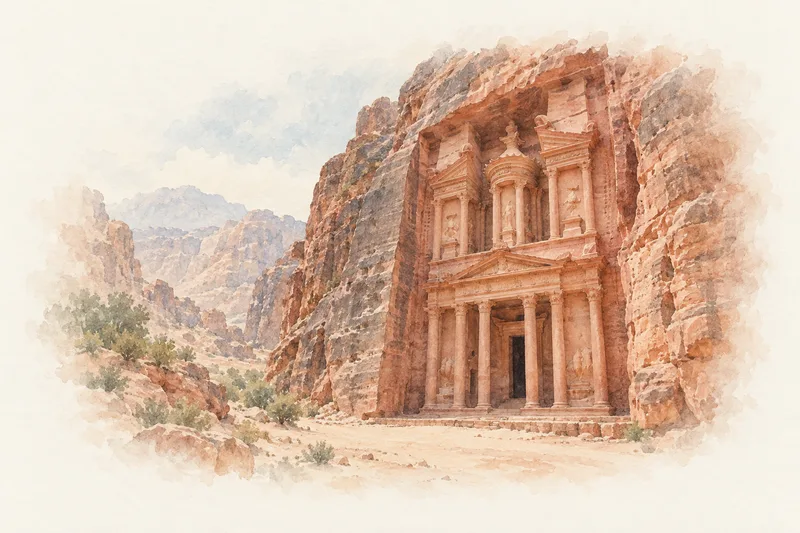
BEFORE YOUR FIRST MEAL
Navigating food allergies in Jordan
Jordanian food often combines bread, grains, pulses, dairy sauces, meat, vegetables and seasonings on the same table. Mansaf, freekeh, falafel, hummus, mezza and sweet pastries can vary by recipe, filling and finishing garnish. For an allergy or intolerance, ask about the complete dish, accompanying bread, sauces, stock, toppings and preparation surfaces rather than relying on a familiar name.
What to know first
Bread and grains recur
Khobez, pita, shrak, bulgur, freekeh, pastry and semolina appear across meals and sweets. Ask which grain or flour is used, especially where bread accompanies a dish.
Sauces and toppings matter
Tahini, yoghurt-based sauces, jameed, cheese, butter, nuts and zaatar can be added after cooking. Confirm the base, garnish and any sauce separately, not only the main food.
Explain the whole requirement
Give a written explanation in Arabic, naming the ingredient and the need to avoid it. Ask the cook to confirm the complete recipe, including bread, stock, oil and toppings.
Ask about shared preparation
For falafel, pastries or fried foods, check whether the same oil, pan, grill, board, utensils or serving spoon is used for other foods, and whether the dish is assembled separately.
Read the full label
Read the complete ingredients and allergen information on the actual product. If you avoid a food that is not highlighted, ask the producer or food provider to check it specifically.
Understanding the food
Wheat, rice, lentils, chickpeas, yoghurt, olive oil, lamb, herbs and seasonal vegetables connect northern farms, central cities, desert communities and the Jordan Valley. Mansaf is a national emblem, but mezze, breads, one-pot grain dishes and Palestinian, Circassian, Chechen and other community traditions broaden the table.
Highlands, valley and desert support different food contexts.
| Region or setting | Food landscape | Examples to explore |
|---|---|---|
| Amman & central cities | National crossroads, Palestinian and Circassian communities | Mezze, mansaf, musakhan, pastries and grills |
| North & Ajloun highlands | Olives, wheat, lentils, herbs and village dairy | Rashouf, freekeh, olive-oil dishes and seasonal greens |
| Jordan Valley | Irrigated vegetables, citrus, dates and warm-climate crops | Fresh produce, pickles, salads and stuffed vegetables |
| South, Petra & Wadi Rum | Bedouin hospitality, livestock, grain and desert travel | Zarb, mansaf, shrak bread and sweet tea |
Hospitality is a documented urban and rural value. UNESCO’s As-Salt listing emphasises shared social spaces, guest houses and traditions of hospitality among Muslim and Christian communities, giving context to communal food and coffee. [9]
Water scarcity shapes agriculture and season. FAO profiles irrigated Jordan Valley production beside rain-fed highland olives, wheat and livestock in one of the world’s most water-limited countries. [10]
Fermented dairy, grain and olive oil create the meal’s structure.
Shrak, khubz, freekeh and bulgur dishes
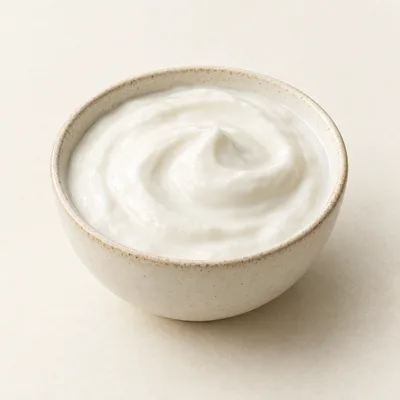 FERMENTED DAIRYJameed
Dried sheep or goat yoghurt for mansaf
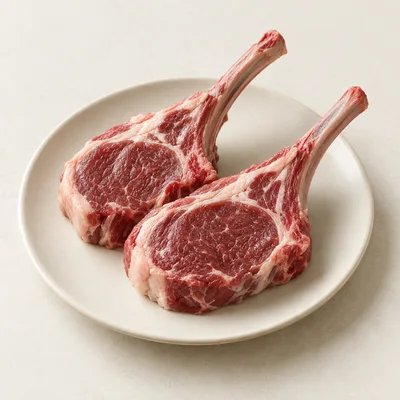 PASTORAL MEATLamb
Mansaf, grills, stews and celebration dishes
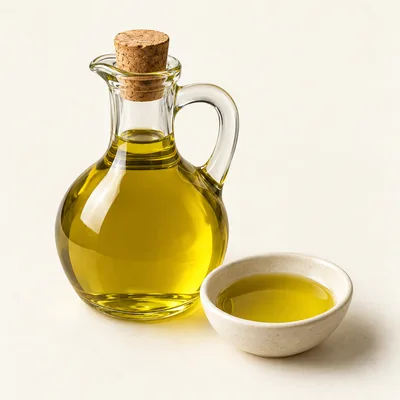 PRIMARY FATOlive oil
Mezze, village cooking, preserving and breakfast
Mansaf is a social arrangement as well as a recipe. Lamb, jameed sauce and rice or bulgur are arranged over thin bread on a shared platter. Occasion, serving order and communal eating carry meaning beyond the ingredients. [7][8]
Freekeh encodes an early harvest technique. Green wheat is roasted, dried and rubbed, creating smoky grains for pilafs and soups. Its flavour comes from processing rather than a spice blend. [10]
Bakeries, mezze restaurants and family kitchens offer different Jordan.
Start with bread and the cold dishes if you want to read the season. Hummus, mutabbal, labneh, olives, pickles, salads and herbs reveal dairy, produce and preservation before grilled food arrives. [7]
Desert dining should be attributed to its hosts. Zarb and Bedouin tea are often marketed through Wadi Rum tourism. Ask which community operates the camp and how the meal relates to everyday and ceremonial practice. [7][8]
Food-culture sources checked .
Bread, pastry and wheat grains
Wheat is prominent in pita, shrak, manakish, fatayer, sfiha, arayes, kibbeh, tabbouleh and pastries. Freekeh is roasted green wheat, while bulgur is cracked or processed wheat. Ask whether bread is served underneath, inside or alongside the meal, and whether a pastry, vermicelli or semolina layer changes the grain ingredients.
Breakfast, mezza and sesame
Recorded breakfast examples include fried eggs, labaneh, cheese, zaatar, olive oil and bread, with falafel and hummus also noted. Hummus, baba ghanoush, mutabbal and fattet hummus commonly connect with tahini; fattet hummus also has toasted pita and yoghurt. Ask whether zaatar contains sesame or wheat and whether tahini is in the dish or served separately.
Rice, meat and fermented dairy
Mansaf is associated with lamb, rice, shrak and a sauce made with jameed, a dried fermented yoghurt product. Kibbeh may use bulgur, and kibbeh labaniyeh has a yoghurt sauce; ouzi may combine rice or pastry with butter and nuts. Ask about the full sauce, dairy base, grain, pastry, garnish and cooking fat.
Fish, vegetables and regional variation
Maklouba, stuffed vegetables, mujaddara, sayadieh, rashouf and shorbat adas show variation in grains, pulses, fish, bread and dairy. Sayadieh has fish and may have a pine-nut garnish; shorbat adas can include wheat vermicelli or pasta. Ask whether a stock, garnish or bread is integral, optional or shared from another preparation.
Ingredients worth recognising
Start with these ingredients, then follow their names and recorded food connections. Check the recipe and product actually used.
Pita Bread
Pita is commonly made with wheat flour and may include sesame. It can form the bread component of fattoush or fattet hummus, or accompany falafel and dips. Check the flour, any sesame topping, and whether the same basket or serving tools touch other breads.
Freekeh (cracked green durum wheat)
Freekeh is a roasted green durum-wheat grain, recorded in freekeh with chicken and shorbat freekeh. Ask whether it is cooked alone or in stock, whether bread is added, and whether another grain is mixed through the finished dish.
Tahini
Tahini is sesame, and it is a core or frequent component of hummus, baba ghanoush, mutabbal, falafel sauces and fattet hummus. Ask whether the sauce is already mixed in, served on top, or made with the same spoon or blender as another preparation.
Jameed
Jameed is a dried fermented dairy product made from milk, associated particularly with mansaf and rashouf. Ask whether the sauce contains jameed, yoghurt or another dairy ingredient, and whether bread, rice and meat are served with the same sauce.
Fish
Fish is the defining protein in sayadieh and may also appear in a stock or shared cooking liquid. Ask what fish is used, whether fish stock or seafood stock is added to the rice or sauce, and whether the pan or oil is shared.
Zaatar seasoning
Zaatar commonly includes sesame, and some commercial versions include wheat or toasted wheat ingredients. It may top manakish or appear with bread, cheese and olive oil. Ask for the complete seasoning ingredients and whether it is added before baking or sprinkled afterwards.
How food labelling works
A current, country-specific allergen-labelling summary for Jordan has not yet been verified for this guide. Do not transfer the list of regulated allergens or restaurant disclosure rules from your home country to this one.
Read the complete ingredients on the actual package and keep any local-language sticker with the original label. For imported products, compare the information on that pack rather than a photograph of the brand sold elsewhere. Ask the manufacturer or seller to clarify an unfamiliar term.
For loose food or meals prepared to order, ask who can check the recipe and the labels on bought-in ingredients. Explain every food you avoid, including ingredients outside familiar allergy groups; a short symbol chart may not cover your list.
Language and communication
Arabic is Jordan’s national language, and Jordanian Arabic is the local vernacular. Modern Standard Arabic is learned across the country. Prepare a short written explanation in Arabic that names the ingredient to avoid and asks for confirmation of the complete recipe, sauce, bread and garnish.
Use Arabic first when discussing a Jordanian dish, particularly when checking details at a bakery, café or market. Dish names help recognition but are not a complete allergy request. Ask staff to confirm regional or household variation, especially for fillings, spice mixes, stock, shared oil and finishing toppings.
Eating in different settings
Falafel or hummus counter
Ask whether falafel contains wheat flour or egg, whether it is fried in shared oil, and whether tahini is mixed into the sauce. For hummus or baba ghanoush, confirm the tahini and ask for clean serving utensils rather than relying on the dish name.
Bakery or pastry shop
For khobez, manakish, fatayer, arayes, knafeh or ma’amoul, ask which flour, filling and topping are used. Confirm cheese, butter, cream, egg, sesame and nuts, and ask whether the same trays, tongs or work surfaces handle different pastries.
Restaurant or shared meal
Before ordering mansaf, freekeh, kibbeh, ouzi or sayadieh, ask about the complete sauce, stock, grain, bread and garnish. Confirm jameed or yoghurt, fish stock, wheat, nuts and butter, then ask whether toppings are added separately or from a shared dish.
Café or packaged-food shop
For desserts, salads, sandwiches and labelled foods, ask for the full recipe or ingredient list. Check wheat pastry, semolina, dairy, sesame, pistachio, walnut, almond and egg, including decorative toppings and fillings. Do not treat a ‘vegetarian’ or familiar-sounding item as automatically suitable.
Before you travel
Review your personal plan
Discuss your travel plans with your clinician and keep your prescribed medicines and emergency instructions accessible. Tell companions where these are and how to follow your plan.
Check your medicines before entering Jordan
The official source warns that the legal status and regulation of medicines prescribed or bought in the UK can differ in Jordan. Before travel, read the best-practice guidance on travelling with medicines from TravelHealthPro and ask the relevant authority what current requirements apply to your medicines.
Make the first meals easier to organise
Contact your accommodation and transport providers in advance. Save your written food list, menu questions and destination address offline. Check entry restrictions before packing backup food, and plan how you will check meals during arrival and onward journeys.
Plan access to medical help
The official source says medical facilities outside Amman and Aqaba are basic and advises seeking emergency treatment in those cities. Check that your travel insurance covers local treatment or unexpected medical evacuation, and consult the FCDO list of Jordanian medical providers when planning access, including any English-language support noted there.
Emergency resources
For a suspected severe allergic reaction, follow your prescribed emergency plan and seek urgent medical help. Give your exact location clearly.
Ambulance and urgent medical help
Call 911 and ask for an ambulance.
Explore next
Your allergy in Jordan
Choose a food concern for the country notes and questions relevant to it.
Dishes in Jordan
Follow the ingredients and cuisine connections in individual dish records.
Your own food list
Combine allergy groups and individual ingredients in one guide, with local names where recorded.
Allergy cards
Prepare the information you need to explain your food requirements.
FAQs, sources and review dates
Could falafel be free from wheat?
Falafel recipes and preparations can vary: some versions use wheat flour or wheat-based accompaniments, and some use egg as a binder. Ask about the mixture itself, the bread, tahini sauce, shared fryer and serving utensils rather than assuming the plain-looking fritter is complete.
What should I ask about mansaf if I avoid dairy?
Mansaf is recorded with jameed, a dried fermented yoghurt product made from milk, and shrak is commonly placed beneath or beside it. Ask whether the sauce contains jameed or another dairy ingredient, whether bread is included, and whether rice or meat is served with the same sauce.
Is olive always a concern for someone avoiding a particular additive?
Olive itself is not automatically a common food allergen, but some cured or processed olives may use sulphites, and this is not universal. Ask how the olives were cured or processed, request the complete ingredient list for packaged versions, and check whether they are added to the dish after cooking.
Sources checked: . This researched draft is awaiting editorial review. Practical questions apply the sources below to local food settings; they do not confirm any individual meal's ingredients or preparation.
Sources & references (10)
- FCDO · Jordan health and medical assistance
Emergency contact details, local healthcare and medicine guidance. UK-specific eligibility does not apply to every visitor.
- Wikivoyage contributors · Jordan
Community-edited culinary context only; not an allergy or medical authority. Brief food-context adaptations, CC BY-SA 4.0: https://creativecommons.org/licenses/by-sa/4.0/. Recipe questions also use PlateSafe’s draft records.
- FARE · Dining out
General recipe and preparation questions, applied here to country-specific food examples.
- FARE · Travelling with food allergies
General preparation, written communication and access to prescribed medicines. Not country-specific import permission.
- PlateSafe · Jordan recorded food connections
Existing draft dish and ingredient records, used as examples to investigate. These are not independently verified recipes or suitability assessments.
- Unicode CLDR · Territory language data
Language suggestions. Regional language needs must be confirmed with the particular food provider.
- Visit Jordan — Official tourism portal
- Government of Jordan — Tourism
- UNESCO World Heritage Centre — As-Salt: The Place of Tolerance and Urban Hospitality
- FAO — Jordan country profile