
BEFORE YOUR FIRST MEAL
Navigating food allergies in Kazakhstan
Kazakh and Russian cooking in Kazakhstan commonly brings meat, noodles, rice, potatoes, breads and dairy to the same table. Beshbarmak, laghman, manty, plov and shashlyk can vary by recipe, venue and region, so a familiar name is only a starting point. Ask about the complete dish, cooking liquid, toppings and preparation surfaces before ordering, especially where wheat, egg, milk or fish matter.
What to know first
Noodles and dumplings
Beshbarmak, laghman, manty and pelmeni can involve wheat dough or noodles; ask whether egg is present and whether dumplings or noodles share cooking water.
Broth matters
Laghman may be served as a soup, while meat dishes can be accompanied by stock. Ask whether broth, gravy or a sauce contains meat, wheat, dairy or other added ingredients.
Explain the whole concern
Use Russian or Kazakh in a written explanation of the complete dietary risk, then ask staff to confirm each dish, garnish, cooking liquid and shared utensil.
Preparation is part of the answer
Ask whether the food is fried, steamed, boiled, roasted or assembled separately, and whether oil, water, boards, pans or serving tools are shared with another food.
Read every label
Read the complete ingredients and allergen information on the actual product. If you avoid a food that is not highlighted, ask the producer or food provider to check it specifically.
Understanding the food
Horse, lamb, beef, fermented dairy, wheat and tea sit at the core of Kazakh hospitality, while Uighur, Dungan, Russian, Uzbek, Korean and other communities add noodles, dumplings, salads and rice traditions. The south, Caspian west, northern grain belt and mountain southeast each produce different meals.
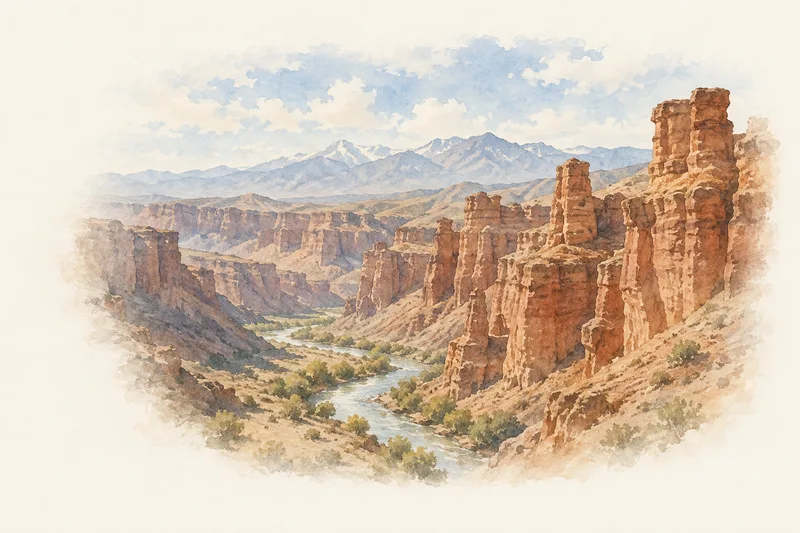
Steppe, mountain, irrigated south and Caspian coast shape different pantries.
| Region or setting | Food landscape | Examples to explore |
|---|---|---|
| North & central steppe | Wheat, livestock, winter preservation and Russian influence | Beshbarmak, breads, dumplings and preserved meat |
| South | Irrigated vegetables, fruit, rice and Central Asian city trade | Plov, lagman, manty, samsa and fresh salads |
| Southeast & mountains | Pastoral dairy, orchards and Uighur or Dungan traditions | Noodles, dumplings, fermented milk and apple dishes |
| West & Caspian | Camel herding, fish, oil towns and coastal exchange | Fish, camel milk, meat dishes and flatbreads |
Kazakh food is rooted in mobile pastoral hospitality. Meat, dairy and durable dough foods suited movement and long winters, while today’s tables also reflect settled agriculture and the country’s many ethnic communities. [7][8]
Grain agriculture now reshapes the northern pantry. FAO profiles Kazakhstan as a major wheat producer alongside extensive livestock systems, explaining the importance of bread, noodles and flour dishes beyond pastoral stereotypes. [9]
Meat, dough and cultured milk structure ceremonial and everyday meals.
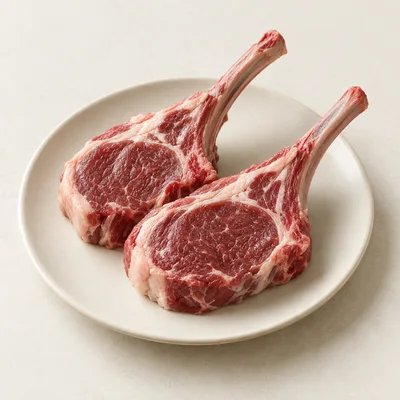 PASTORAL MEATLamb
Boiled meat platters, soups and dumpling fillings
Noodles, baursak, flatbread and dumpling dough
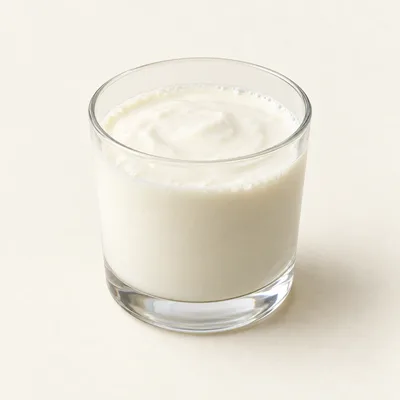 CULTURED DAIRYFermented milk
Kumis, shubat, ayran and dried curds
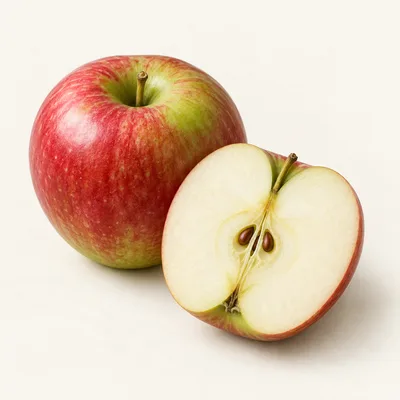 ORCHARDApple
Wild ancestry and cultivated fruit around Almaty
Beshbarmak is a serving order as much as a dish. Boiled meat is arranged over broad noodles with onion broth, and particular cuts may be offered according to age, status and relationship among guests. [7][8]
Bread carries a strong ethic of respect. Baursak and flatbreads appear at hospitality tables and ceremonies; UNESCO’s shared flatbread inscription emphasises making, passing and eating bread as social practice. [10]
Tea tables, family restaurants and bazaars reveal different layers.
Hospitality often begins and ends with tea. Black tea with milk, sweets, dried fruit and breads can surround the main meat course. The sequence helps explain why snacks on the table are part of the meal. [8]
Look for community-specific specialists in the cities. Uighur lagman, Dungan dishes, Uzbek plov and Korean salads belong to Kazakhstan’s contemporary food culture while retaining their own migration histories. [7]
Food-culture sources checked .
Wheat doughs and noodles
Wheat appears in the noodles or dough recorded for beshbarmak, kespe, naryn, orama and kattama. Baursak and tandyr nan are wheat-based examples, while manty uses wheat wrappers. Ask whether dough contains egg, milk or a filling, and whether wheat noodles are boiled in shared water. Wheat and gluten concerns are not the same as an IgE allergy, so describe the specific issue clearly.
Meat, rice and cooking liquid
Beshbarmak may use horse meat, beef or lamb with potato and onion; laghman combines thick noodles, meat, carrot and onion, often as soup. Plov is fried rice with meat and carrots, sometimes raisins or tomatoes. Ask what stock, marinade, gravy or oil is used, whether ingredients are cooked together, and whether a supposedly plain rice or potato portion was prepared in meat broth.
Steamed, roasted and filled foods
Manty are large steamed dumplings with meat and onion, with pumpkin versions also recorded. Shashlyk is marinated meat cooked on skewers, either over an open fire or by another method, and served with onions and flatbread. Ask about the marinade, bread, basting oil and shared grill or utensils; do not infer a recipe from the dish name alone.
Dairy, breads and market foods
Balkaymak, kaimak, irimshik, qurt, kozhe and kumis represent recorded dairy forms, while baursak is a hot bread and Korean-style salads are described as common bazaar foods. Ask whether dairy is mixed into a dish or served beside it, and check dressings, spice mixtures, oil and handling at market counters rather than assuming a salad is simply vegetables.
Ingredients worth recognising
Start with these ingredients, then follow their names and recorded food connections. Check the recipe and product actually used.
Wheat flour
Wheat flour is recorded in baursak, kattama, orama, shelpek, tandyr nan and tokash, as well as many wrappers and noodles. Ask whether the flour is in the dough, coating or sauce, and whether the same board or fryer handles other foods.
Egg
Egg may be included in baursak, beshbarmak noodles, kespe, manty wrappers and naryn noodles. Ask about the dough rather than only the filling, and check whether egg is brushed on top or used in another component of the same order.
Cow Milk
Cow milk is recorded in baursak and may replace water in some enriched breads; it also underlies several dairy preparations. Ask whether milk, cream, butter or yoghurt is added to dough, batter, sauce or a side serving.
Carp
Carp is the defining fish in koktal, so ask whether the fish is cooked whole or with a sauce, seasoning or topping. Confirm whether preparation uses a shared grill, tray, oil or utensil with other foods.
Raisins
Raisins can appear in plov alongside rice, meat, carrots or tomatoes. Ask whether they are added to the whole pot, whether another dried-fruit mixture is used, and whether packaged raisins or a prepared seasoning carries a complete ingredient list.
Vegetable Oil
Vegetable oil may be used in cooking, but its type may be unspecified and it may be soybean oil. Ask which oil is actually used, whether it is shared, and whether it is added to frying, dressing or marinade.
How food labelling works
A current, country-specific allergen-labelling summary for Kazakhstan has not yet been verified for this guide. Do not transfer the list of regulated allergens or restaurant disclosure rules from your home country to this one.
Read the complete ingredients on the actual package and keep any local-language sticker with the original label. For imported products, compare the information on that pack rather than a photograph of the brand sold elsewhere. Ask the manufacturer or seller to clarify an unfamiliar term.
For loose food or meals prepared to order, ask who can check the recipe and the labels on bought-in ingredients. Explain every food you avoid, including ingredients outside familiar allergy groups; a short symbol chart may not cover your list.
Language and communication
Write an explanation in Russian, the more useful of the two widely used languages, and in Kazakh, one of Kazakhstan’s official languages. State the ingredient or preparation concern plainly, including whether it applies to traces or shared equipment, then ask for confirmation of the complete recipe.
Kazakh and Russian names can help you recognise dishes and ingredients, but they are not a complete allergy request. Ask for a written or carefully checked answer about stock, sauce, toppings, oil, water and utensils. Regional language variation is less important than confirming the actual recipe at the venue you are using.
Eating in different settings
Bazaar salad counter
For Korean-style salads or other prepared foods at a bazaar, ask what is in the dressing, marinade and spice mixture, whether sesame or dairy is added, and whether the salad is scooped with a utensil used for other trays. Request confirmation before it is wrapped.
Bakery or bread stall
With baursak, tandyr nan, shelpek or kattama, ask whether the dough contains egg or milk, what flour is used, and whether toppings are added. Ask how the item is fried or baked and whether oil, trays or tongs are shared with other products.
Restaurant meal
For beshbarmak, laghman, manty, plov or shashlyk, show your written explanation and ask about every component: noodles, filling, broth, marinade, gravy, onions, flatbread and sides. Confirm whether cooking water, pans, grills, boards or serving utensils are shared.
Market or packaged-food shop
For milk products, raisins, oils or other packaged ingredients, read the complete ingredient list and ask about the product’s preparation where details are unclear. For fresh dairy such as kumis or qurt, ask what milk base is used and whether anything else is mixed in.
Before you travel
Review your personal plan
Discuss your travel plans with your clinician and keep your prescribed medicines and emergency instructions accessible. Tell companions where these are and how to follow your plan.
Check your medicines before entering Kazakhstan
For prescription medicine in Kazakhstan, carry a valid prescription; a UK prescription may need translation into Kazakh or Russian. Brand names can differ, so check the generic name and availability before travel. Ask the relevant Kazakh authority or your prescriber about any import documentation for your medicine.
Make the first meals easier to organise
Contact your accommodation and transport providers in advance. Save your written food list, menu questions and destination address offline. Check entry restrictions before packing backup food, and plan how you will check meals during arrival and onward journeys.
Plan access to medical help
Medical facilities in Kazakhstan may be less advanced than in the UK. Have adequate travel health insurance and accessible funds for treatment, air ambulance evacuation or repatriation. Check your insurer’s Kazakhstan terms and the current FCDO list of facilities where some staff may speak English.
Emergency resources
For a suspected severe allergic reaction, follow your prescribed emergency plan and seek urgent medical help. Give your exact location clearly.
Ambulance and urgent medical help
Dial 103 and ask for an ambulance. The operator answering may not speak English.
Explore next
Your allergy in Kazakhstan
Choose a food concern for the country notes and questions relevant to it.
Dishes in Kazakhstan
Follow the ingredients and cuisine connections in individual dish records.
Your own food list
Combine allergy groups and individual ingredients in one guide, with local names where recorded.
Allergy cards
Prepare the information you need to explain your food requirements.
FAQs, sources and review dates
Can I order a vegetarian version of a local dish?
Ask specifically whether the entire dish is meat-free, including stock, sauce, fat and cooking water. This matters for laghman, noodles, rice and dumplings. A pumpkin manty version is recorded, but confirm its wrapper, broth, oil, toppings and shared equipment rather than relying on the filling.
What should I check in plov if raisins are not my concern?
Ask about the complete pot: rice, meat, carrots, tomatoes, raisins, oil, stock and seasoning. Raisins are an individual ingredient outside common major allergy groups, but packaged or prepared versions can have additional ingredients. Confirm whether your portion is taken from the same mixed batch.
Are dairy names enough to identify the milk source?
No. Ask whether the preparation uses cow milk, cream, fermented milk, yoghurt, fresh cheese or mare’s milk, and whether butter is added. Kumis is recorded as mare’s milk, while several other foods use cow-milk-derived ingredients; a dish name alone does not establish the recipe.
Sources checked: . This researched draft is awaiting editorial review. Practical questions apply the sources below to local food settings; they do not confirm any individual meal's ingredients or preparation.
Sources & references (10)
- FCDO · Kazakhstan health and medical assistance
Emergency contact details, local healthcare and medicine guidance. UK-specific eligibility does not apply to every visitor.
- Wikivoyage contributors · Kazakhstan
Community-edited culinary context only; not an allergy or medical authority. Brief food-context adaptations, CC BY-SA 4.0: https://creativecommons.org/licenses/by-sa/4.0/. Recipe questions also use PlateSafe’s draft records.
- FARE · Dining out
General recipe and preparation questions, applied here to country-specific food examples.
- FARE · Travelling with food allergies
General preparation, written communication and access to prescribed medicines. Not country-specific import permission.
- PlateSafe · Kazakhstan recorded food connections
Existing draft dish and ingredient records, used as examples to investigate. These are not independently verified recipes or suitability assessments.
- Unicode CLDR · Territory language data
Language suggestions. Regional language needs must be confirmed with the particular food provider.
- Kazakhstan Tourism — Kazakh food
- Welcome to Kazakhstan — Cuisine
- FAO — Kazakhstan country profile
- UNESCO Intangible Heritage — Flatbread making and sharing culture