
BEFORE YOUR FIRST MEAL
Navigating food allergies in Kiribati
Kiribati’s eating choices may centre on fish and rice, especially in outlets on Tarawa, while imported and Western-style foods can vary as supplies arrive. Local sashimi, palusami, breadfruit, banana and pandanus identify foods or dishes to investigate, not fixed recipes. Ask about the complete preparation: fillings, marinades, sauces, stock, cooking liquid, garnishes and shared equipment. A written explanation of your needs can help you ask staff to check the exact portion and packaged ingredients.
What to know first
Fish and rice need separate questions
Fish and rice are a familiar pairing, but ask whether the fish is plain, seasoned, fried, grilled or served with sauce. Check the rice, cooking liquid, stock, toppings and serving utensils separately for the portion you will receive.
Sashimi is not a complete ingredient list
For local sashimi, ask which fish is used and whether it comes with marinade, dipping sauce, rice or garnishes. Check the knife, board, plate and serving utensils, including whether they are shared with other dishes.
Explain the complete concern
Show staff a clear written explanation and ask them to check every part of the exact recipe. Mention fillings, seasonings, stock, sauces, toppings, packaged ingredients, cooking surfaces and utensils rather than naming only one food.
Ask about shared preparation
Request details about shared pans, fryers, woks, boards, knives, serving spoons and cooking oil. For palusami or fish dishes, ask whether a separate portion can be prepared without assuming that separation is available.
Read every part of the label
Read the complete ingredient list and any highlighted warnings on the actual package. If an ingredient is unclear or a food you avoid is not highlighted, ask the food provider or manufacturer to check the specific product.
Understanding the food
Fish, coconut, pandanus, breadfruit, giant swamp taro and imported rice or flour sustain low coral islands where salt, drought and limited land constrain agriculture. Household preservation and community sharing are essential, while South Tarawa’s stores and restaurants reflect growing dependence on imported food.
Island group and remoteness determine what can be grown and landed.
| Island setting | Food landscape | Examples to explore |
|---|---|---|
| South Tarawa | Dense urban population, markets and imported staples | Fish, rice meals, bread, coconut and takeaway food |
| Outer Gilbert Islands | Fishing, household pits, breadfruit and coconut | Fresh or dried fish, babai, pandanus paste and toddy |
| Line Islands | Great distances, fisheries and variable supply routes | Tuna, coconut, imported rice and locally grown produce |
| Community feasts | Shared catch, preserved foods and maneaba gatherings | Fish, babai, coconut preparations and breadfruit |
Atoll ecology is the central food fact. FAO describes severe limits on soil, freshwater and crop diversity, making coconut, pandanus, breadfruit, babai and marine foods disproportionately important. [10][11]
The maneaba gives food a collective setting. Tourism guidance presents the meeting house as a centre of community discussion, dance and ceremony. Food shared there belongs to protocols and relationships, not only a menu. [8]
Ocean protein meets tree and pit crops.
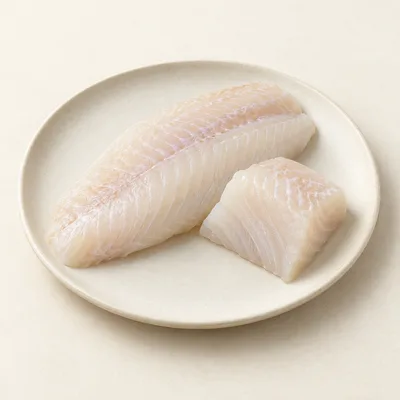 OCEAN PROTEINFish
Fresh, grilled, dried, salted or eaten raw-marinated
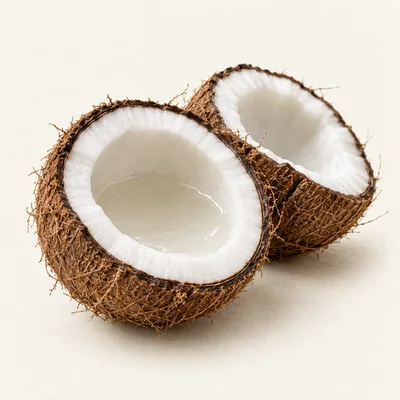 TREE CROPCoconut
Water, flesh, cream, oil and toddy
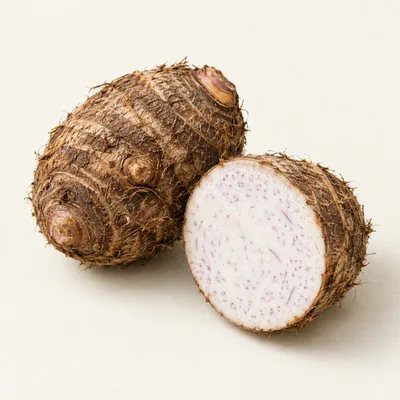 PIT CROPBabai
Giant swamp taro grown through intensive pit cultivation
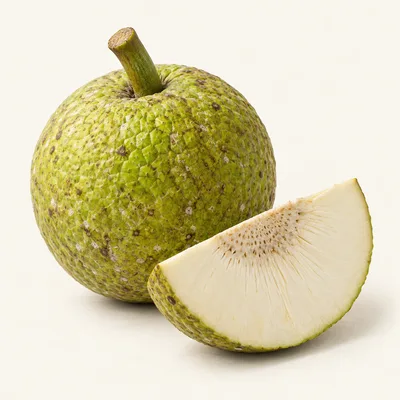 STARCH FRUITBreadfruit
Roasted, boiled or preserved when in season
Babai represents years of care and water management. Giant swamp taro is cultivated in deep pits reaching the freshwater lens and can be reserved for important occasions. It is not simply interchangeable with ordinary taro. [10][11]
Preservation protects against distance and season. Fish, pandanus and breadfruit may be dried or otherwise stored, while coconut provides several durable products. These methods respond to isolation and climate risk. [8][10]
A changing household meal is more representative than a fixed restaurant list.
Ask what was caught and grown locally. Imported rice, flour, tinned meat and noodles are common, especially in South Tarawa. Locally caught fish or prepared babai may require advance arrangement on outer islands. [9][10]
Food choices are inseparable from climate resilience. Saltwater intrusion, drought and transport disruption affect crops and prices. Gardens, pit cultivation and local fisheries are practical adaptation systems as well as cultural heritage. [11]
Food-culture sources checked .
Fish and rice outlets
Fish and rice are common examples in eating outlets on Tarawa, but the pairing does not describe one fixed preparation. Ask whether the fish is raw, grilled, fried or cooked in a sauce, and whether it has been coated or seasoned. Ask how the rice is cooked, including the liquid, stock and added flavourings. Check separate serving spoons, pans, fryers and garnishes, and ask whether a plain portion can be prepared without relying on the dish name.
Local sashimi
Local sashimi may be served straight from the ocean to the plate. Before ordering, establish the exact fish and whether it is plain, marinated or accompanied by dipping sauce, rice, herbs or another garnish. Ask whether the knife, board, plate and serving utensils are shared, and whether the fish is cut beside other foods. The term describes a style of serving, not every ingredient or handling detail, so check the complete plate at the point of service.
Palusami and coconut filling
Palusami can involve a coconut filling, and the filling may also include fish. Ask for every ingredient mixed into it, including any savoury filling, seasoning, sauce, crumb, pastry ingredient, thickener or dairy product. A bought-in savoury filling is a recipe to investigate rather than a single raw ingredient. Ask how the parcel is assembled, whether cooking liquid is added, and whether utensils, trays or work surfaces are shared before or after cooking.
Breadfruit, banana and pandanus foods
Kiribati food-tree systems include breadfruit, bananas and pandanus, but the crop name does not identify the finished dish. Ask whether breadfruit is boiled, baked, fried or served with sauce, and whether banana or pandanus is mixed with other ingredients. Check accompanying fish, rice, coconut preparations, seasonings and cooking liquid. Ask whether the portion is prepared separately and whether knives, boards, pans or serving tools have also handled other foods.
Ingredients worth recognising
Start with these ingredients, then follow their names and recorded food connections. Check the recipe and product actually used.
Fish
Fish may be served in rice meals, local sashimi or a palusami filling. Ask which fish is used, whether it is fresh, marinated, cooked or raw, and whether stock, sauce, garnish, shared oil or shared utensils are involved in your portion.
Rice
Rice commonly accompanies fish in Kiribati eating outlets. Ask what liquid and seasonings are used in the rice, whether it is cooked with other foods, and whether the serving spoon, cooker or pan is shared before your portion is served.
Coconut
Coconut is associated with palusami filling and wider Kiribati food-tree systems. Ask whether the relevant form is coconut flesh, milk, cream or another preparation, and what else is mixed into it, including fish, seasoning, sauce or a bought-in filling.
Breadfruit
Breadfruit is a Kiribati food crop, but a dish may involve boiling, baking, frying or another preparation. Ask how it is cooked, what accompanies it, whether sauces or cooking liquid are added, and whether the utensils and cooking surface are shared.
Pandanus Fruit
Pandanus fruit is included among Kiribati food crops, but the name does not reveal its serving form or recipe. Ask whether it is served alone or combined with coconut, banana, rice, fish, sauces or seasonings, and check preparation surfaces and utensils.
How food labelling works
A current, country-specific allergen-labelling summary for Kiribati has not yet been verified for this guide. Do not transfer the list of regulated allergens or restaurant disclosure rules from your home country to this one.
Read the complete ingredients on the actual package and keep any local-language sticker with the original label. For imported products, compare the information on that pack rather than a photograph of the brand sold elsewhere. Ask the manufacturer or seller to clarify an unfamiliar term.
For loose food or meals prepared to order, ask who can check the recipe and the labels on bought-in ingredients. Explain every food you avoid, including ingredients outside familiar allergy groups; a short symbol chart may not cover your list.
Language and communication
English is an official language of Kiribati and is used heavily in South Tarawa. Prepare a short written explanation in English naming the ingredients or preparation issues that must be avoided, then ask staff to confirm the complete recipe rather than only identifying a dish.
Kiribati, also called Gilbertese, becomes more prominent farther from the capital, while some English is spoken on Kiritimati Island. Carry the same written explanation in Kiribati as well as English, and ask for confirmation in the language most comfortable for the person preparing the food.
Eating in different settings
Tarawa fish-and-rice outlet
Ask whether the fish is plain, seasoned, coated or served with sauce, and whether rice contains stock, cooking liquid or toppings. Check shared fryers, pans, cookers, boards and serving spoons. Ask for the exact portion to be handled separately if the staff can do so, and confirm every accompaniment before accepting the meal.
Sashimi service
Ask for the fish name, its preparation and every marinade, dipping sauce and garnish. Check whether rice arrives with it and whether the same knife, board, plate or serving tools are used for other foods. Do not treat sashimi as a complete ingredient list, and ask staff to describe the precise plate being offered.
Marys or Otintaai hotel
Western-style meals are available at the Marys and Otintaai hotels according to the local food context. Show your written explanation before ordering and ask for the full recipe, including stocks, sauces, coatings, fillings and toppings. Check packaged ingredients and shared oil, pans, utensils and work surfaces, then confirm the answer for the chosen dish.
Chinese restaurant
Ask specifically about the ingredients in sauces, stocks, seasonings, coatings and thickeners, as well as the use of shared woks, pans, oil and utensils. Request details for the whole dish and each side order. A cuisine label does not identify a fixed recipe, so ask what is used today and whether a separate preparation is possible.
Before you travel
Review your personal plan
Discuss your travel plans with your clinician and keep your prescribed medicines and emergency instructions accessible. Tell companions where these are and how to follow your plan.
Check your medicines before entering Kiribati
Medicine rules can differ between the UK and Kiribati, including for medicines prescribed or bought in the UK. Before travelling, read the relevant TravelHealthPro guidance and check the legal status and documentation requirements with the appropriate Kiribati authority for each medicine.
Make the first meals easier to organise
Contact your accommodation and transport providers in advance. Save your written food list, menu questions and destination address offline. Check entry restrictions before packing backup food, and plan how you will check meals during arrival and onward journeys.
Plan access to medical help
The general hospital in Tarawa has modest facilities, and clinics elsewhere are generally staffed by nurse practitioners. Pharmaceuticals may not generally be available, so bring medicines you need. Ask your insurer whether your policy covers medical evacuation, overseas treatment and repatriation, and how to access funds if needed.
Emergency resources
For a suspected severe allergic reaction, follow your prescribed emergency plan and seek urgent medical help. Give your exact location clearly.
Ambulance and urgent medical help
Call 994 and ask for an ambulance.
Explore next
Your allergy in Kiribati
Choose a food concern for the country notes and questions relevant to it.
Dishes in Kiribati
Follow the ingredients and cuisine connections in individual dish records.
Your own food list
Combine allergy groups and individual ingredients in one guide, with local names where recorded.
Allergy cards
Prepare the information you need to explain your food requirements.
FAQs, sources and review dates
Can I order palusami if I avoid fish?
Not from the name alone. Palusami may have a coconut filling that includes fish, so ask whether fish is present in this version and what else is mixed into it. Check any bought-in savoury filling, sauce, cooking liquid, utensils, trays and preparation surfaces used for the parcel.
Does “fish” mean the whole dish is suitable for me?
No. Fish identifies one ingredient, not the cooking method or the accompanying foods. Ask whether it is plain, marinated, fried or served with sauce, and check stocks, seasonings, coatings, garnish, rice, shared oil and utensils for the exact portion.
How should I ask about pandanus fruit?
Ask what form of pandanus fruit is being served and whether it is combined with coconut, banana, rice, fish, sauce or seasoning. Clarify how it was prepared, what liquid was used, and whether knives, boards, pans or serving utensils were shared with other foods.
Sources checked: . This researched draft is awaiting editorial review. Practical questions apply the sources below to local food settings; they do not confirm any individual meal's ingredients or preparation.
Sources & references (11)
- FCDO · Kiribati health and medical assistance
Emergency contact details, local healthcare and medicine guidance. UK-specific eligibility does not apply to every visitor.
- Wikivoyage contributors · Kiribati
Community-edited culinary context only; not an allergy or medical authority. Brief food-context adaptations, CC BY-SA 4.0: https://creativecommons.org/licenses/by-sa/4.0/. Recipe questions also use PlateSafe’s draft records.
- FAO · Kiribati food-tree systems
Background on coconut, breadfruit, banana and pandanus food crops; not current shop availability.
- FARE · Dining out
General recipe and preparation questions, applied here to country-specific food examples.
- FARE · Travelling with food allergies
General preparation, written communication and access to prescribed medicines. Not country-specific import permission.
- PlateSafe · Kiribati recorded food connections
Existing draft dish and ingredient records, used as examples to investigate. These are not independently verified recipes or suitability assessments.
- Unicode CLDR · Territory language data
Language suggestions. Regional language needs must be confirmed with the particular food provider.
- Kiribati Tourism Authority — People, culture and heritage
- Kiribati Tourism Authority — Official portal
- FAO — Kiribati country profile
- FAO — Climate-smart agriculture and food security in Kiribati