

BEFORE YOUR FIRST MEAL
Navigating food allergies in Kuwait
Kuwait combines local dishes with a wide range of international restaurant food, mall dining and neighbourhood eateries. You may encounter wheat-based breads, puddings and pastries, fish and shrimp dishes, and dairy-rich desserts. Recipes can vary: ask about the complete dish, stock, sauces, garnishes and preparation surfaces rather than relying on a familiar name or appearance.
What to know first
Grains appear in many forms
Wheat flour, berries, cracked wheat, semolina, flatbread, noodles and vermicelli occur across dishes such as asida, jareesh, regag, balaleet and tashreeb.
Seafood is not limited to one dish
Fish appears in machboos, mutabbaq samak and some salona versions, while shrimp features in murabyan and dried-shrimp mumawwash.
Explain the whole recipe
Ask whether a dish contains wheat, milk, egg, sesame, fish or shrimp, then ask about stock, sauces, toppings and shared utensils in the same preparation.
Check preparation as well as ingredients
For fried or cooked food, ask what oil, pan, water and serving utensils are used, and whether the food is prepared alongside other dishes.
Read the complete label
Read the complete ingredients and allergen information on the actual product. If you avoid a food that is not highlighted, ask the producer or food provider to check it specifically.
Understanding the food
Rice, wheat, dates, fish, shrimp, lamb, legumes, dried lime, saffron and cardamom reflect maritime links with southern Iran, Iraq, India, East Africa and the Arabian Peninsula. Oil-era urban growth expanded international dining, but diwaniya hospitality and family rice dishes remain central cultural settings.
The key distinction is between maritime heritage, household hospitality and global city dining.
| Setting | Food landscape | Examples to explore |
|---|---|---|
| Old Kuwait & seafaring heritage | Pearling, fishing, dates and imported rice or spices | Mutabbaq samak, machboos, fish stews and breads |
| Diwaniya & family home | Coffee, dates, shared rice and ceremonial hospitality | Machboos, harees, sweets and cardamom coffee |
| Markets & casual restaurants | Gulf, Iraqi, Iranian and South Asian exchange | Grills, rice dishes, breads, legumes and tea |
| Contemporary Kuwait City | Large expatriate population and international dining | Regional specialists and global restaurant formats |
Kuwait’s pantry was historically sustained by sea and trade. A desert city imported grain, rice and spices through Gulf routes while relying on fishing, pearling and date trade, producing dishes whose ingredients map far beyond the coastline. [7][9]
Modern food access depends heavily on imports. FAO’s country profile reflects very limited arable land and water, making supply chains central to the contemporary menu even where dishes remain culturally Kuwaiti. [8]
Aromatic rice is built through stock, spice and garnish.
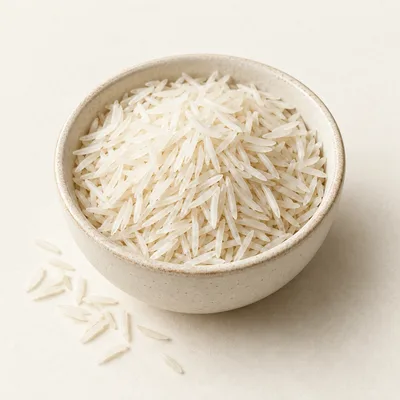 IMPORTED STAPLERice
Machboos, fish dishes and shared platters
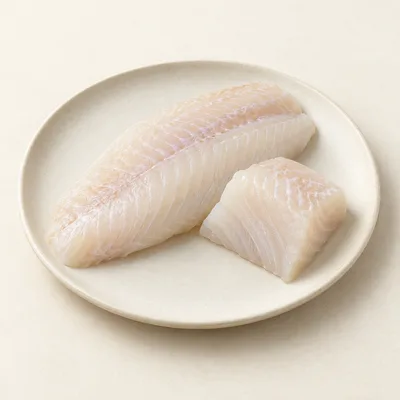 GULF CATCHFish
Fried, grilled or layered with spiced rice
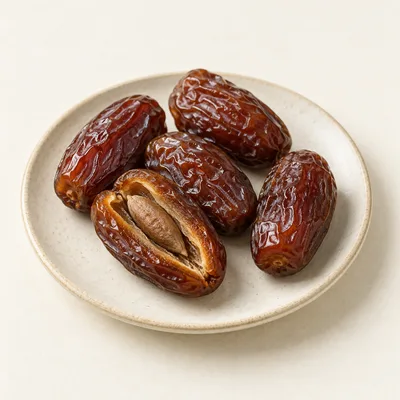 OASIS FRUITDate
Hospitality, sweets and everyday nourishment
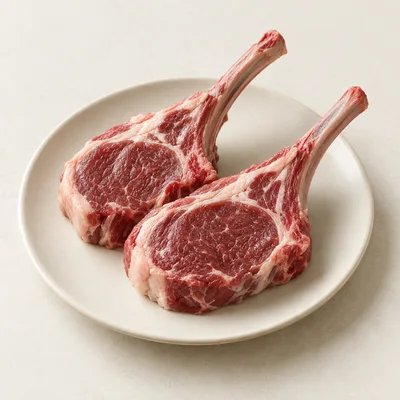 PASTORAL MEATLamb
Machboos, grills and celebration dishes
Machboos is a family of rice dishes. Meat, chicken, fish or shrimp cooks with spiced stock and rice, often finished with onions, raisins or split peas. Protein and household spice mixture define the variation. [7]
Dried lime supplies a Gulf signature. Noomi is pierced, simmered or ground into rice, stews and tea, bringing sourness and a slightly fermented bitterness that fresh citrus cannot duplicate. [9]
Hospitality is clearest through coffee, dates and shared platters.
The diwaniya is a social institution, not a themed dining room. Regular gatherings involve conversation, coffee, tea, dates and sometimes a full meal. Access and etiquette depend on host, family and occasion. [10][7]
Restaurant diversity reflects resident communities. Indian, Iranian, Iraqi, Levantine, Egyptian, Filipino and many other cuisines are part of daily Kuwait City eating. They should be named as community traditions rather than folded into a vague Gulf fusion. [10]
Food-culture sources checked .
Wheat across savoury and sweet dishes
Wheat is recorded in several different forms rather than one staple format. Harees uses wheat berries, jareesh uses cracked wheat, and tashreeb uses wheat flatbread soaked in broth. Regag is a wheat-based flatbread, while margoog has wheat dough pieces cooked in a stew. Ask whether the recipe uses wheat flour, whole kernels, semolina or bread, and whether a broth or sauce is added after cooking. Wheat and gluten questions should be kept distinct from questions about IgE allergy or coeliac disease.
Desserts and breakfast-style combinations
The recorded sweet dishes show varied combinations. Asida uses wheat flour and butter; balaleet uses wheat vermicelli and may have butter and an egg omelet topping. Elba is a milk-and-egg custard, while khanfaroosh may combine wheat and rice flour with milk and egg. Qatayef can have cream or cheese, egg in the batter, or walnut and pistachio fillings. Ask about batter, filling, finishing fat and garnish separately.
Fish, shrimp and mixed dishes
Fish is a recorded variation in machboos and a defining protein in mutabbaq samak; some salona versions also use fish. Murabyan has shrimp as a core ingredient, and the dried-shrimp version of mumawwash contains crustacean. Ask which protein is actually used today, whether stock or sauce contains seafood, and whether fish or shrimp is cooked in shared oil, water, pans or utensils.
Restaurant and delivery choices
Kuwait has local restaurants alongside international cuisines, with food courts and restaurant groupings in malls and neighbourhood areas. Traditional Kuwaiti examples are recorded at particular restaurants, but a dish name does not establish one fixed recipe. For eating in or ordering delivery, confirm every component: bread or rice, filling, sauce, stock, garnish, side dishes and cooking method. Ask whether the delivered item comes with toppings or sauce packed separately.
Ingredients worth recognising
Start with these ingredients, then follow their names and recorded food connections. Check the recipe and product actually used.
Wheat flour
Wheat flour forms the dough or base of asida, darabeel, gabout, khabeesa, luqaimat and several other dishes. Ask whether the recipe uses wheat flour, whether the flour is also in sauces or toppings, and whether gluten-containing bread or dough shares preparation equipment.
Butter
Butter is recorded in asida and balaleet, and commonly enriches ma'amoul. It is milk-derived, but a menu description may not show whether it is mixed into batter, used for frying or added at the end. Ask which fat is used at every stage.
Fish
Fish is a recognised machboos variation, the defining protein in mutabbaq samak and an option in some salona recipes. Ask which fish dish is being served, whether the broth or sauce also contains seafood, and whether it shares oil or cookware.
Yogurt
Yogurt is a common ingredient used to make jareesh creamy. Ask whether it is stirred into the grain during cooking or added as a topping, and whether the accompanying sauce, garnish or side contains further dairy ingredients such as cream or cheese.
Sesame Seed
Sesame seeds may top gers ogaily, khubz Iranian or luqaimat. Their presence can depend on the version, so ask specifically about the coating, garnish and serving surface rather than treating the dish name as an ingredient list. Check shared sprinkling utensils too.
Shrimp
Shrimp is the core ingredient recorded for murabyan, while dried shrimp occurs in one mumawwash version. Ask whether shrimp is fresh or dried, whether it is in stock or sauce, and whether seafood is cooked in the same oil, water or pan.
How food labelling works
A current, country-specific allergen-labelling summary for Kuwait has not yet been verified for this guide. Do not transfer the list of regulated allergens or restaurant disclosure rules from your home country to this one.
Read the complete ingredients on the actual package and keep any local-language sticker with the original label. For imported products, compare the information on that pack rather than a photograph of the brand sold elsewhere. Ask the manufacturer or seller to clarify an unfamiliar term.
For loose food or meals prepared to order, ask who can check the recipe and the labels on bought-in ingredients. Explain every food you avoid, including ingredients outside familiar allergy groups; a short symbol chart may not cover your list.
Language and communication
Arabic is Kuwait’s official language, and Kuwaiti dialect is used in everyday conversation. Prepare a written explanation in Arabic, naming the ingredients and the preparation concerns that matter to you. Use dish names only as recognition aids, not as a complete request, and ask for confirmation of the full recipe.
English is widely used and spoken in Kuwait, while Hindi, Tamil and Malayalam are also widely spoken. A written explanation in Arabic and English can help when discussing a recipe with a restaurant or shop. Regional variation and staff confirmation still matter: check each ingredient, sauce, stock, topping and shared cooking method.
Eating in different settings
Mall food court or restaurant cluster
Ask the counter which ingredients are in the complete dish, including bread, rice, sauce, stock and garnish. For fried items such as luqaimat, ask what oil and utensils are used. If a topping is optional, request confirmation that it is omitted rather than assuming the plain-looking portion is complete.
Traditional Kuwaiti restaurant
For machboos, mutabbaq samak, salona or murabyan, ask which protein and stock are used in this preparation. Check whether fish or shrimp is added to the sauce, whether rice or dough is cooked separately, and whether shared pans, serving spoons or garnishes affect the order.
Bakery or dessert counter
Ask about wheat flour, semolina, milk, butter, egg and fillings in items such as balaleet, qatayef, ma'amoul, gers ogaily and khanfaroosh. Confirm whether nuts, sesame or cream are added after baking or frying, and whether display tongs and trays are shared.
Co-operative Society or hypermarket
For packaged bread, noodles, vermicelli, dairy products, sauces or sweets, read the complete ingredient list rather than relying on front-of-pack wording. Check separate packets and toppings too. If vegetable oil is listed without its source, ask the manufacturer or retailer for the oil identity before deciding.
Before you travel
Review your personal plan
Discuss your travel plans with your clinician and keep your prescribed medicines and emergency instructions accessible. Tell companions where these are and how to follow your plan.
Check your medicines before entering Kuwait
Under Kuwait’s newer rules, all visitors must obtain permission from Kuwaiti authorities before arrival to carry certain prescription medicines; this covers many commonly prescribed medicines. Ask the relevant Kuwaiti authority whether your medicine requires permission and what current steps apply before travelling, and review TravelHealthPro guidance.
Make the first meals easier to organise
Contact your accommodation and transport providers in advance. Save your written food list, menu questions and destination address offline. Check entry restrictions before packing backup food, and plan how you will check meals during arrival and onward journeys.
Plan access to medical help
Kuwait has state medical services, local clinics and hospitals, as well as private medical and dental facilities. Private treatment can be expensive, so check that travel insurance covers treatment and repatriation and that funds are accessible. If working there, confirm employer cover or arrange appropriate personal insurance; provider information may identify facilities where some staff speak English.
Emergency resources
For a suspected severe allergic reaction, follow your prescribed emergency plan and seek urgent medical help. Give your exact location clearly.
Ambulance and urgent medical help
Call 112 and ask for an ambulance.
Explore next
Your allergy in Kuwait
Choose a food concern for the country notes and questions relevant to it.
Dishes in Kuwait
Follow the ingredients and cuisine connections in individual dish records.
Your own food list
Combine allergy groups and individual ingredients in one guide, with local names where recorded.
Allergy cards
Prepare the information you need to explain your food requirements.
FAQs, sources and review dates
Is machboos always a fish dish?
No single name should be treated as a fixed recipe. Fish is a recognised machboos variation, while other versions may differ. Ask which protein is used today, then check rice seasoning, stock, sauce, garnish and shared cookware rather than asking only whether the dish is machboos.
What should I ask about qatayef?
Ask about the pancake batter first, including wheat flour and any egg. Then ask whether the filling is cream, cheese, walnut or pistachio, and whether syrup or a finishing ingredient is added. Confirm how filled pieces are cooked and whether toppings or utensils are shared with other pastries.
Should I ask about vegetable oil?
Yes, especially when the oil source matters to you. The recorded ingredient is generic and may be soybean oil, but its source is unspecified. Ask what oil is used, whether it is a blend, and whether the same oil is used for seafood, wheat dough or other foods.
Sources checked: . This researched draft is awaiting editorial review. Practical questions apply the sources below to local food settings; they do not confirm any individual meal's ingredients or preparation.
Sources & references (10)
- FCDO · Kuwait health and medical assistance
Emergency contact details, local healthcare and medicine guidance. UK-specific eligibility does not apply to every visitor.
- Wikivoyage contributors · Kuwait
Community-edited culinary context only; not an allergy or medical authority. Brief food-context adaptations, CC BY-SA 4.0: https://creativecommons.org/licenses/by-sa/4.0/. Recipe questions also use PlateSafe’s draft records.
- FARE · Dining out
General recipe and preparation questions, applied here to country-specific food examples.
- FARE · Travelling with food allergies
General preparation, written communication and access to prescribed medicines. Not country-specific import permission.
- PlateSafe · Kuwait recorded food connections
Existing draft dish and ingredient records, used as examples to investigate. These are not independently verified recipes or suitability assessments.
- Unicode CLDR · Territory language data
Language suggestions. Regional language needs must be confirmed with the particular food provider.
- State of Kuwait — Tourism information
- FAO — Kuwait country profile
- UNESCO — Kuwait and maritime cultural heritage
- State of Kuwait — Official portal