

BEFORE YOUR FIRST MEAL
Navigating food allergies in Laos
Lao cooking often combines sticky rice, herbs, chilli, fresh vegetables and strongly seasoned sauces. Laap may use meat or fish, while tam mak hoong can include fermented crab or fish sauce. Breakfast baguettes and noodle dishes bring different questions about wheat, egg, stock and sauces. Ask about the complete recipe, not just the dish name, and explain your needs before ordering.
What to know first
Sticky rice is a staple
Sticky rice is commonly served separately in small baskets, so ask whether the rice itself is plain and whether anything is mixed into it or used for dipping.
Sauces can change the dish
Fermented fish, fish sauce and fermented crab appear across Lao examples, including laap, tam mak hoong, jeow and several soups and stews.
Explain the whole requirement
Give a written explanation in Lao where possible, then ask staff to confirm every sauce, stock, topping, marinade and garnish rather than relying on a food name.
Check shared preparation
For grilled, fried or pounded food, ask about shared oil, water, mortar, chopping board, grill space and utensils, especially when ordering alongside other dishes.
Read complete ingredient lists
Read the complete ingredients and allergen information on the actual product. If you avoid a food that is not highlighted, ask the producer or food provider to check it specifically.
Understanding the food
Glutinous rice, fish, herbs, chilli, bamboo shoots, mushrooms, riverweed and fermented pastes vary across lowland Lao, Khmu, Hmong and many other communities. Vientiane, Luang Prabang, the Mekong south and northern uplands retain different relishes, soups and celebration foods.
River lowlands and upland communities organise food differently.
| Region or community context | Food landscape | Examples to explore |
|---|---|---|
| Vientiane & central Mekong | Sticky rice, river fish, markets and national migration | Larb, tam mak hoong, grilled fish and noodle soups |
| Luang Prabang & north | Riverweed, forest herbs, aubergines and royal-city traditions | Or lam, khai paen, jeow bong and northern sausages |
| Southern Laos | Mekong fisheries, coffee plateau, herbs and Khmer links | Fish dishes, bamboo soups, spicy salads and Bolaven coffee |
| Upland communities | Dry rice, maize, foraging and community-specific foodways | Smoked foods, herbs, mushrooms and festival dishes |
Tourism Laos identifies sticky rice as the national meal anchor. It is pinched by hand and used to pick up relishes, grilled foods and larb, while soups and vegetables complete the shared table. [7]
Luang Prabang combines court, monastery and river-town histories. UNESCO records a town where Lao urban traditions meet colonial planning, providing context for market, temple and household food without reducing the region to former royal cuisine. [9]
Fermentation, herbs and char create depth around mild rice.
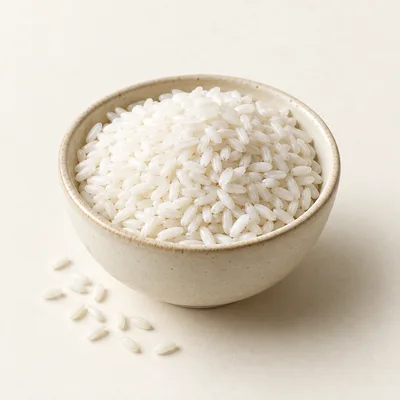 STAPLE GRAINGlutinous rice
Steamed in baskets and shared from lidded containers
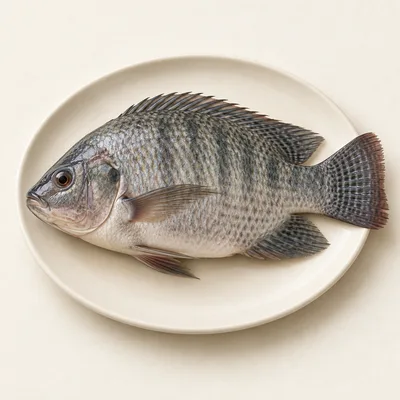 RIVER PROTEINFish
Grilled, steamed, fermented or cooked into soup
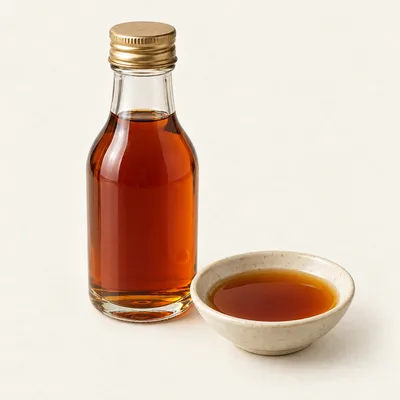 FERMENTED SEASONINGPadaek
Unfiltered fish paste or sauce with strong local identity
Pounded into jeow, salads and soups
Larb is a method and ritual food, not just minced meat salad. Meat, fish or mushrooms are chopped with toasted rice powder, herbs and seasoning; versions vary by region, occasion and whether the protein is cooked. [7]
Jeow makes the dipping sauce a central dish. Charred chilli, garlic, tomato, aubergine, mushroom or buffalo skin can be pounded into named relishes intended for sticky rice and vegetables. [7][8]
Markets, grill stalls and specialist noodle shops reveal different layers.
A shared Lao meal is assembled across several small dishes. Sticky rice, one or more jeow, vegetables, soup, grilled food and larb balance each other; ordering a single dish can hide that structure. [7]
Upland food needs community attribution. Hmong, Khmu, Akha and other communities maintain distinct crops, herbs and ceremonial practices. Use the community name and community-led interpretation rather than “hill tribe food”. [10][8]
Food-culture sources checked .
Rice, noodles and baguettes
Sticky rice is a central carbohydrate and may arrive plain beside laap, grilled chicken or other food. Foe can mean thin rice noodles or wide flat noodles, while khao piak sen has a rice-and-starch dough but some formulations include egg. Khao jee pate uses a wheat-based baguette; ask whether fillings, mayonnaise or sauces add egg, soy or other ingredients.
Pounded salads and dipping sauces
Tam mak hoong is green papaya salad, but some versions contain fermented fish sauce and sometimes peanuts; it is also associated with fermented crab. Jeow bong, jeow mak len and jeow som are sauces that may contain fermented fish or fish sauce. Ask what was pounded into the mortar, whether toppings were added, and whether the same utensils are used.
Meat, fish and steamed dishes
Laap may be made with minced meat or fish, with some versions using fish and fermented fish seasoning. Mok pa centres on fish, while mok gai uses chicken and may include fermented fish sauce. Ping gai is grilled chicken with a commonly used fermented-fish marinade; ask whether the protein, marinade and dipping sauce are all as described.
Soups, stews and fermented flavours
Khao poon commonly uses fish in its protein or broth, with possible soy-derived ingredients in pastes or sauces. Khao soi has fermented soybean paste; or lam, kaeng het, kaeng nor mai and kua pak have recorded fermented-fish variations. Tom khem includes egg and fish sauce, while tom som may involve fish or shrimp, so ask about the actual batch.
Ingredients worth recognising
Start with these ingredients, then follow their names and recorded food connections. Check the recipe and product actually used.
Baguette
A conventional baguette is primarily made from wheat flour, making it relevant when checking wheat separately from gluten. In khao jee pate, ask about the bread, pâté, mayonnaise, sauce and shared cutting surface.
Egg
Egg is the defining base of mok khai and is also recorded in tom khem. It can appear as a beaten coating on khao jee, in some khao piak sen noodles, or in mayonnaise. Ask whether egg is present in the complete preparation.
Fish sauce
Fish sauce is made by fermenting fish or fish parts and is a recurring seasoning in Lao examples, including laap, tam mak hoong, jeow som and ping gai. Ask which sauce was used, including in marinades, dressings, broth and dipping bowls.
Peanut
Peanuts may be mixed into nam khao or added as a garnish to tam mak hoong. They are not implied by every Lao salad or snack, so ask whether peanuts, crushed toppings or a peanut-containing dressing were added to this serving.
Fermented Soybean Paste
Fermented soybean paste is a characteristic seasoning in khao soi. Some recognised formulations include wheat, but this is not universal; ask to see the complete paste or sauce ingredients and check whether the same paste is used in the bowl.
Coconut
Coconut milk appears in the recorded dessert kanom kok and is not cow’s milk. Ask whether coconut, dairy milk or another enrichment was used, and check the batter, custard and toppings separately rather than inferring from the dessert name.
How food labelling works
A current, country-specific allergen-labelling summary for Laos has not yet been verified for this guide. Do not transfer the list of regulated allergens or restaurant disclosure rules from your home country to this one.
Read the complete ingredients on the actual package and keep any local-language sticker with the original label. For imported products, compare the information on that pack rather than a photograph of the brand sold elsewhere. Ask the manufacturer or seller to clarify an unfamiliar term.
For loose food or meals prepared to order, ask who can check the recipe and the labels on bought-in ingredients. Explain every food you avoid, including ingredients outside familiar allergy groups; a short symbol chart may not cover your list.
Language and communication
Prepare a written explanation first in Lao, the national language, naming the ingredients or exposures that must be avoided and asking for confirmation of the complete recipe. Lao dish names can help identify laap, tam mak hoong, khao jee pate and other examples, but names alone are not a full request.
In areas where another language is more useful, French is used in some government, commerce and professional settings, and Thai is widely understood; Chinese is increasingly encountered in larger cities and tourist areas. Northern communities also speak local languages, including Hmong, so arrange confirmation through a trusted Lao speaker where needed.
Eating in different settings
Night market grill or stall
For skewers, ping gai or other grilled food, ask what marinade and dipping sauce were used, whether fish sauce was added, and whether the grill, brush, oil or tongs are shared. For tam mak hoong, ask what went into the mortar and whether peanuts or fermented crab were added.
Morning market or baguette counter
With khao jee pate, ask whether the baguette is wheat-based, what the pâté contains, whether mayonnaise or egg was used, and whether sauce is included. Ask staff to use clean utensils and a separate surface if preparation equipment is shared.
Lao restaurant or shared meal
Ask for the protein and seasoning details in laap, mok pa, mok gai or khao poon. Confirm fish, fermented fish, stock, curry paste, soy-derived ingredients and toppings separately. If dishes are shared, ask which serving spoons and dipping bowls have touched other food.
Packaged-food shop
Read the complete ingredient list on fermented sauces, soybean paste, tamarind paste, noodles, baguettes and desserts. Check whether the named oil is specified, whether wheat is present, and whether a packaged product has egg, soy, fish or shellfish ingredients before buying it.
Before you travel
Review your personal plan
Discuss your travel plans with your clinician and keep your prescribed medicines and emergency instructions accessible. Tell companions where these are and how to follow your plan.
Check your medicines before entering Laos
International clinics, large hospitals and larger pharmacies may supply many prescription medicines, but access can be more difficult in remote areas. The legal status of a medicine bought or prescribed in the UK may differ in Laos. Check current import requirements with the relevant Lao authority and consult TravelHealthPro before travelling.
Make the first meals easier to organise
Contact your accommodation and transport providers in advance. Save your written food list, menu questions and destination address offline. Check entry restrictions before packing backup food, and plan how you will check meals during arrival and onward journeys.
Plan access to medical help
Medical care can be basic, particularly outside the capital, and reliable emergency facilities may not be available in remote areas. Treatment or ambulance costs may be requested in advance. Confirm cover, accessible funds, receipts and suitable providers with your insurer; check the FCDO list of medical providers in Laos and ask your insurer which providers and costs are covered.
Emergency resources
For a suspected severe allergic reaction, follow your prescribed emergency plan and seek urgent medical help. Give your exact location clearly.
Ambulance and urgent medical help
Request an ambulance on 1195 or 030 525 7239. Vientiane also has voluntary rescue services; consult the official assistance page for their contacts and how to identify legitimate responders.
Explore next
Your allergy in Laos
Choose a food concern for the country notes and questions relevant to it.
Dishes in Laos
Follow the ingredients and cuisine connections in individual dish records.
Your own food list
Combine allergy groups and individual ingredients in one guide, with local names where recorded.
Allergy cards
Prepare the information you need to explain your food requirements.
FAQs, sources and review dates
Can I assume laap is cooked meat?
No. Laap may be raw or cooked, and some versions include fish and fermented-fish seasoning. Ask whether the meat or fish is cooked, what sauce and herbs were added, and whether the preparation shared knives, boards or bowls with other food.
Is coconut milk the same as dairy milk?
No: coconut is a different ingredient from cow’s milk. Kanom kok is described with coconut milk, while recorded khao poon notes allow for dairy-enriched variations only when milk is actually used. Ask about the recipe, batter, custard and any added milk rather than relying on the dish name.
Could a plain-looking noodle bowl contain fish or soy?
Yes, depending on the preparation. Khao poon commonly has fish in its protein or broth, and seasoning sauces or pastes may include soy-derived ingredients; khao soi uses fermented soybean paste. Ask about broth, paste, sauce, toppings and the noodle formulation, including possible egg.
Sources checked: . This researched draft is awaiting editorial review. Practical questions apply the sources below to local food settings; they do not confirm any individual meal's ingredients or preparation.
Sources & references (10)
- FCDO · Laos health and medical assistance
Emergency contact details, local healthcare and medicine guidance. UK-specific eligibility does not apply to every visitor.
- Wikivoyage contributors · Laos
Community-edited culinary context only; not an allergy or medical authority. Brief food-context adaptations, CC BY-SA 4.0: https://creativecommons.org/licenses/by-sa/4.0/. Recipe questions also use PlateSafe’s draft records.
- FARE · Dining out
General recipe and preparation questions, applied here to country-specific food examples.
- FARE · Travelling with food allergies
General preparation, written communication and access to prescribed medicines. Not country-specific import permission.
- PlateSafe · Laos recorded food connections
Existing draft dish and ingredient records, used as examples to investigate. These are not independently verified recipes or suitability assessments.
- Unicode CLDR · Territory language data
Language suggestions. Regional language needs must be confirmed with the particular food provider.
- Tourism Laos — Food and flavours
- Tourism Laos — Official portal
- UNESCO World Heritage Centre — Town of Luang Prabang
- FAO — Lao People’s Democratic Republic country profile