

BEFORE YOUR FIRST MEAL
Navigating food allergies in Latvia
Latvian food often brings together rye or wheat, potatoes, cabbage, peas, pork, fish and abundant milk products. A named dish may still vary in its grain, binder, topping, broth or cooking fat. Ask about the complete recipe rather than relying on a dish name: check flour, dairy, egg, fish, stock, sauces, shared utensils and frying oil before ordering.
What to know first
Bread and grains recur
Rupjmaize is rye bread, while saldskābā maize combines rye and wheat. Ask which flour is used in bread, pastry, porridge, dumplings and coatings.
Sides may carry extras
Potatoes, buckwheat, cabbage and grey peas can be served with sour cream, bacon, pork fat or another topping. Check the complete side, not just its base.
Explain the whole dish
Describe the ingredient you avoid and ask about the recipe, broth, sauce, garnish, shared pan and oil. Latvian or Russian communication may be more useful depending on the setting.
Preparation can change the recipe
Ask whether a soup uses milk or broth, whether a patty contains egg or flour, and whether a fish or vegetable item shares equipment with other foods.
Read the full label
For prepacked food, EU rules require the 14 allergen categories used as ingredients to stand out in the ingredients list. Check the entire list, including foods outside those categories.
Understanding the food
Rye bread, potatoes, barley, pork, dairy, cabbage, herring, mushrooms and berries reflect a northern climate and traditions of souring, smoking, salting and preserving. Kurzeme’s coast, Latgale’s inland farms, Vidzeme’s forests and contemporary Riga contribute distinct products and dishes.
Coast, forest and eastern farm regions preserve different foods.
| Region or setting | Food landscape | Examples to explore |
|---|---|---|
| Riga & central Latvia | Markets, bakeries, dairy and contemporary national cuisine | Rye bread, smoked fish, grey peas and modern seasonal menus |
| Kurzeme & Baltic coast | Fishing, smokehouses, dairy and Suiti traditions | Smoked fish, sklandrausis, sour dishes and local breads |
| Latgale | Lakes, potatoes, hemp, pork and eastern border traditions | Potato dishes, freshwater fish, cottage cheese and breads |
| Vidzeme & Zemgale | Forests, grain fields, orchards and livestock | Mushrooms, berries, barley, pork and seasonal soups |
Official Latvian sources organise food around season and farm products. Rye, dairy, fish, potatoes, peas, mushrooms and berries recur because they suit local soils, forests and preservation, not because every region cooks them identically. [8][9]
Suiti food belongs to a living Catholic cultural enclave. UNESCO’s urgent-safeguarding inscription covers song, dress, language, weddings and cuisine in western Latvia; sklandrausis and feast foods gain meaning through that community context. [11]
Sourness and smoke make winter stores vivid.
Dense sour loaves, desserts and bread soups
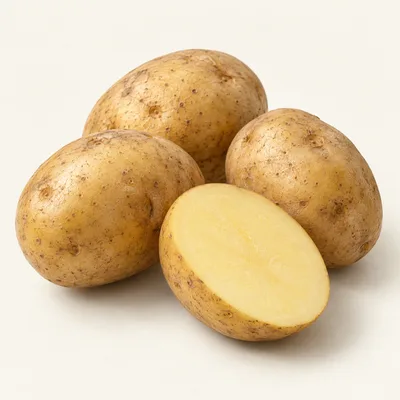 FIELD CROPPotato
Pancakes, dumplings, salads and everyday sides
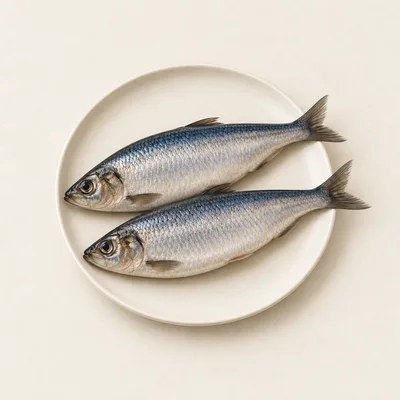 BALTIC FISHHerring
Salted, marinated, fried or layered in cold dishes
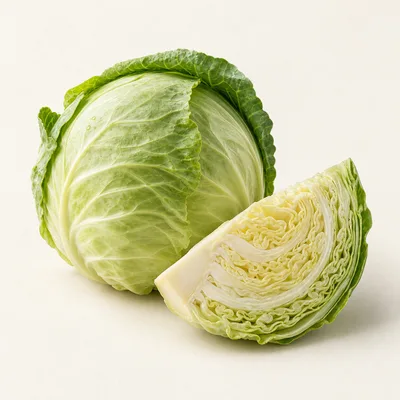 PRESERVED VEGETABLECabbage
Fresh, stewed or fermented for winter
Grey peas with bacon are a winter and celebration staple. Large local peas are simmered and served with onion and smoked pork, especially around Christmas and cold-weather meals. [9][8]
Rye bread carries cultural weight beyond nutrition. Long-fermented dark loaves are treated with respect, eaten daily and reused in layered desserts or sweet bread soup rather than discarded. [8]
Riga Central Market and regional producers make the pantry legible.
Market halls connect smokehouse, bakery, dairy and forest. Fish, rye loaves, curd products, pickles, mushrooms and berries show preservation and season before they appear in restaurant dishes. [10][9]
Contemporary Latvian kitchens often lighten rather than abandon tradition. Chefs use local grain, fish, roots and wild ingredients with modern plating while retaining sour, smoked and fermented flavour systems. [10]
Food-culture sources checked .
Bread, pastry and grains
Rye is prominent: rupjmaize is defined by rye flour, while saldskābā maize is described as a rye-and-wheat bread. Sklandrausis uses rye pastry around potato and carrot paste, and pīrāgi use wheat-flour yeast dough. Barley appears in porridge, blood sausage and potato-and-barley porridge. Ask about wheat added to rye bread, flour used for shaping, and shared bakery surfaces.
Potatoes, peas and dairy
Potatoes may be boiled, fried, mashed or served with quark; buckwheat can replace them. Grey peas may be boiled and fried with bacon, then accompanied by kefir or sour cream. Chanterelle sauce is described with sour cream and potatoes. Check whether a side contains bacon fat, butter, milk, sour cream or a separate sauce, and whether toppings are added after cooking.
Soups, fish and composed meals
Soups may be vegetable-based with broth or milk; named examples include meatball, pea, beetroot, sorrel, nettle and cold beet soup. Herring appears with cottage cheese or in a potato casserole, while smoked eel and sprats are recorded fish examples. Lunch may combine soup, a main dish and dessert, so question each course, garnish and dressing separately.
Ingredients worth recognising
Start with these ingredients, then follow their names and recorded food connections. Check the recipe and product actually used.
Barley
Barley is used in barley porridge, blood sausage and potato-and-barley porridge. Ask whether it is the grain in the complete recipe, and whether another cereal, milk or a separate topping is added. Barley is a gluten-containing cereal; it is not interchangeable with rye or wheat.
Rye bread
Rye bread is the base of rupjmaize and maizes zupa, and crumbs form layered rye bread dessert. Many formulations include wheat flour, though this is not universal. Check the exact loaf or dessert, added flour, cream topping and crumbs handled on shared surfaces.
Egg
Egg is recorded in cakes, pancakes, potato dumplings, meat patties and Jāņu cheese; it may bind, aerate or set a mixture. Ask whether it is in the batter, filling, cheese or topping, and whether a dressing such as mayonnaise is added separately.
Butter
Butter is recorded in apple cake, cottage-cheese tart, rhubarb cake and Jāņu cheese. Ask whether the recipe uses butter, another milk-derived ingredient or a dairy-free fat, and whether butter is brushed on pastry or added after cooking.
Eel
Eel is a recorded fish ingredient and appears as smoked eel in the local examples. Ask whether the item is definitely eel, what seasoning or glaze is used, and whether it was prepared with other fish or on shared equipment.
Vinegar
Generic vinegar has an unspecified source: some versions are malt-based and some formulations may contain sulphites. Ask which vinegar is used in a salad, pickle, sauce or cold soup, and request the product label where the exact formulation matters.
How food labelling works
EU food-information rules cover 14 allergen categories used as ingredients. On prepacked food, these must stand out in the ingredients list. The categories include gluten-containing cereals, crustaceans, eggs, fish, peanuts, soybeans, milk, specified nuts, celery, mustard, sesame, sulphites above the stated threshold, lupin and molluscs.
Allergen information is also required for food sold without prepacking, including restaurant meals. Ask how to obtain the information for the exact order. National arrangements affect how it is supplied; an ingredient declaration does not by itself describe shared equipment or handling.
If you avoid a food outside those categories, read the complete ingredients and name that food when speaking to staff. A short allergen key cannot answer every ingredient-specific question.
Language and communication
Latvian is Latvia’s only official language and should be prioritised for a written food explanation. Names such as rupjmaize, sklandrausis and aukstā zupa help recognise menu items, but they do not communicate a complete allergy request. Ask staff to confirm the exact recipe and preparation.
Russian is widely used by part of the population, with Russian more common in some areas; Latgalian is a supported regional context as a variant of Latvian. English use varies by generation and setting. Regional variation makes written details and staff confirmation important.
Eating in different settings
Market stall or open-air market
For fruit, vegetables, mushrooms, pies or prepared foods, ask whether the item is plain or coated, filled or glazed. Check additions such as butter, cream, flour or fruit preserves, and ask whether serving tongs or boards are shared.
Bakery or sweet counter
Ask which flour is in rupjmaize, saldskābā maize, pīrāgi, kliņģeris or a cake. Confirm egg, butter, cream and fillings, then ask about shared trays, knives and crumbs. For packaged sweets, read the complete ingredients list rather than relying on the product name.
Kafejnīca, ēdnīca or restaurant
A kafejnīca may serve full meals, while an ēdnīca can be a canteen and a restorāns a more formal restaurant. Ask separately about soup broth, cooking fat, sauce, garnish and shared pans for a potato, pea, meat or fish order.
Accommodation or food shop
For breakfast, self-catering or ready-made and frozen meals, inspect every packet and ask about milk, egg, wheat, rye, barley, fish and mayonnaise. Confirm whether bread, butter or spreads share knives, boards or serving utensils, and keep the original label for questions.
Before you travel
Review your personal plan
Discuss your travel plans with your clinician and keep your prescribed medicines and emergency instructions accessible. Tell companions where these are and how to follow your plan.
Check your medicines before entering Latvia
The legal status and regulation of medicines prescribed or bought in the UK can differ in Latvia. Before travel, read TravelHealthPro’s best-practice guidance and check any medicine import requirements with the relevant Latvian authority. Do not change prescribed medicines without appropriate clinical advice.
Make the first meals easier to organise
Contact your accommodation and transport providers in advance. Save your written food list, menu questions and destination address offline. Check entry restrictions before packing backup food, and plan how you will check meals during arrival and onward journeys.
Plan access to medical help
For eligible UK travellers, medically necessary state healthcare in Latvia requires a GHIC or EHIC, subject to the treatment rules described by the NHS. These cards are not travel insurance and may not cover private care, non-urgent treatment, extra costs or repatriation; check cover with your insurer.
Emergency resources
For a suspected severe allergic reaction, follow your prescribed emergency plan and seek urgent medical help. Give your exact location clearly.
Ambulance and urgent medical help
Call 113 and ask for an ambulance.
Explore next
Your allergy in Latvia
Choose a food concern for the country notes and questions relevant to it.
Dishes in Latvia
Follow the ingredients and cuisine connections in individual dish records.
Your own food list
Combine allergy groups and individual ingredients in one guide, with local names where recorded.
Allergy cards
Prepare the information you need to explain your food requirements.
FAQs, sources and review dates
Could a potato dish contain more than potato?
Yes. Potatoes may be fried, mashed or served with quark, and grey peas may be fried with bacon and accompanied by sour cream. Ask about the cooking fat, dairy topping, bacon, stock and garnish, rather than ordering from the word “potato” alone.
What should I ask about cold beet soup?
The recorded example uses a buttermilk base and commonly includes boiled egg, but recipes can vary. Ask whether this exact bowl contains buttermilk, egg, mayonnaise, vinegar or other dressing, and whether toppings are mixed in or added separately.
How do I check an ingredient outside common allergy groups?
Name the ingredient specifically and ask for the complete recipe and label, rather than relying on an allergen key. This matters for generic vinegar, whose source is unspecified, and for fruit preserves, which may vary in added preservatives.
Sources checked: . This researched draft is awaiting editorial review. Practical questions apply the sources below to local food settings; they do not confirm any individual meal's ingredients or preparation.
Sources & references (11)
- FCDO · Latvia health and medical assistance
Emergency contact details, local healthcare and medicine guidance. UK-specific eligibility does not apply to every visitor.
- Wikivoyage contributors · Latvia
Community-edited culinary context only; not an allergy or medical authority. Brief food-context adaptations, CC BY-SA 4.0: https://creativecommons.org/licenses/by-sa/4.0/. Recipe questions also use PlateSafe’s draft records.
- FARE · Dining out
General recipe and preparation questions, applied here to country-specific food examples.
- FARE · Travelling with food allergies
General preparation, written communication and access to prescribed medicines. Not country-specific import permission.
- PlateSafe · Latvia recorded food connections
Existing draft dish and ingredient records, used as examples to investigate. These are not independently verified recipes or suitability assessments.
- Unicode CLDR · Territory language data
Language suggestions. Regional language needs must be confirmed with the particular food provider.
- European Commission · Allergen information
Scoped allergen-labelling summary. Does not establish an individual meal’s ingredients or preparation.
- Latvia.eu — Latvian cuisine
- Latvia Travel — Latvian national cuisine
- Latvia Travel — Official portal
- UNESCO Intangible Heritage — Suiti cultural space