
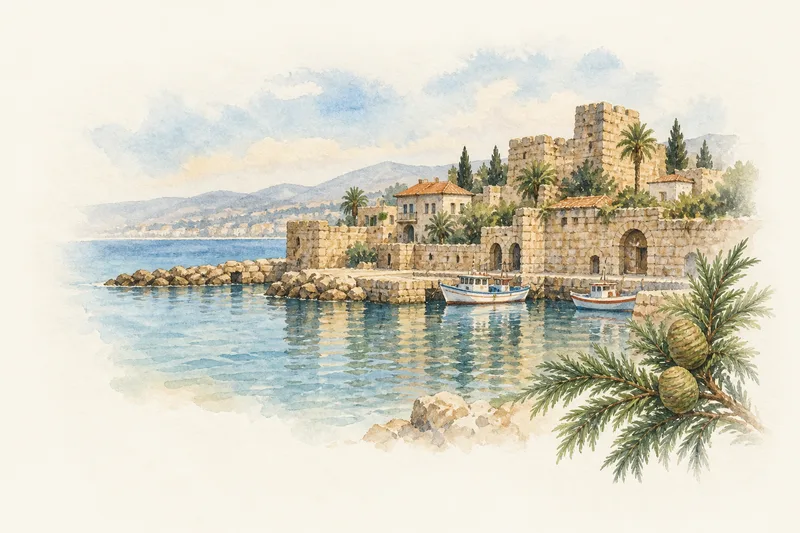
BEFORE YOUR FIRST MEAL
Navigating food allergies in Lebanon
Lebanese food may arrive as a spread of mezza, a grilled-meat sandwich, a filled flatbread or a syrup-soaked sweet. Recipes and toppings vary, so a familiar name is only a starting point. Ask about the complete dish, including bread, marinades, sauces, garnishes, stock and cooking surfaces. This is particularly important for wheat, sesame, milk, fish, egg and tree nuts.
What to know first
Mezza and dips
Hummus and mutabbal both commonly centre on tahini, while fatteh can combine tahini, toasted wheat pita, yoghurt and pine nuts. Ask about every topping and layer.
Breads and grains
Pita, manakish, sfiha, lahm bi ajine, kibbeh and freekeh dishes can involve wheat in different forms. Wheat, gluten and coeliac requirements need specific, separate discussion.
Explain the whole recipe
Show or read a written explanation in Arabic, Lebanese Arabic, French or another suitable language, then ask the cook to confirm bread, stock, sauce, garnish and preparation.
Ask about preparation
Check whether bread, meat, fish, vegetables or sweets share oil, water, trays, grills, knives or serving utensils. Ask whether a sauce or marinade is added before cooking.
Read the full label
For packaged foods, read the complete ingredient list rather than relying on a product name or dietary wording. Check seasonings, stocks, fillings, binders and preservatives each time.
Understanding the food
Wheat, pulses, olive oil, yoghurt, herbs, vegetables, fruit, nuts, lamb and fish connect mezze, breads, grills and preserves. Beirut’s restaurant culture is influential, but Tripoli sweets, Beqaa farming, mountain dairy and village mouneh preserve distinct local knowledge.
Coast, mountains and the Beqaa create different seasonal pantries.
| Region or setting | Food landscape | Examples to explore |
|---|---|---|
| Beirut & coast | Fish, mezze, bakeries and national migration | Grilled fish, hummus, kibbeh, manoushe and contemporary Lebanese food |
| North & Tripoli | Olives, citrus, dairy and renowned sweet making | Kibbeh, fish, baklava, halawet el jibn and pastries |
| Mount Lebanon | Terraces, orchards, village dairy and preservation | Labneh, kishk, wild greens, fruit preserves and breads |
| Beqaa & south | Grain, grapes, pulses, livestock and tobacco or olive country | Freekeh, stuffed vegetables, grilled meat and vineyard foods |
The national tourism ministry presents food through regions and crafts. Bakeries, wineries, olive presses, sweet makers and village producers connect dishes to agricultural landscapes rather than a generic mezze spread. [7][8]
Mountain terraces carry long religious and farming histories. UNESCO’s Qadisha Valley records monastic settlement within steep cultivated landscapes where orchards, grain, dairy and preservation supported communities. [9]
Acid, herbs and olive oil make pulses and grains bright.
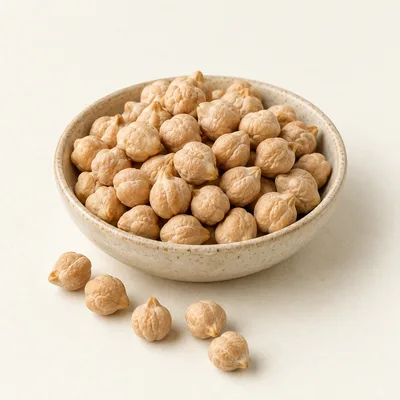 PULSEChickpea
Hummus, falafel, stews and warm breakfast dishes
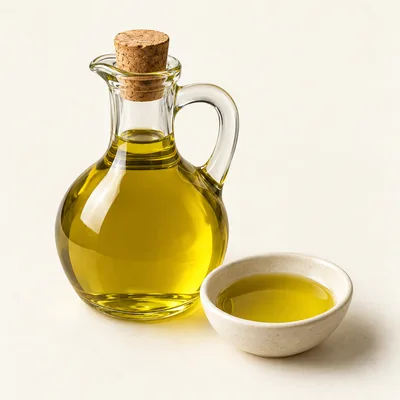 PRIMARY FATOlive oil
Mezze, baking, preserving and village cooking
Flatbreads, bulgur, freekeh and kibbeh shells
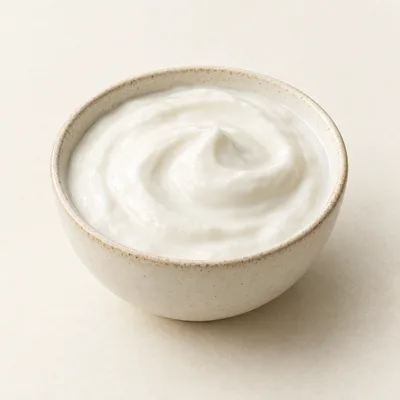 CULTURED DAIRYYoghurt
Labneh, sauces, soups and preserved dairy
Kibbeh is a family of techniques. Bulgur and meat may be pounded into a raw preparation, shaped and fried, baked in trays or cooked in yoghurt; vegetarian versions use pumpkin or potato. [7]
Mouneh is the architecture of the winter pantry. Pickles, olives, labneh balls, kishk, fruit molasses, jam and dried herbs preserve seasonal abundance and household identity. [10][9]
Mezze works best as a paced conversation with the table.
Cold and hot plates create a sequence. Raw vegetables, dips, salads and pickles may lead to pastries, kibbeh, grilled meat or fish. Ordering everything at once can obscure freshness and temperature. [7]
Community and origin should remain visible. Armenian-Lebanese, Palestinian, Druze and regional village kitchens contribute distinct foods to Lebanon’s cities. Name those traditions rather than folding them into an undifferentiated national menu. [8]
Food-culture sources checked .
Mezza, salads and dips
A Lebanese table may include tabbouleh, fattoush, hummus and mutabbal alongside other dishes. Tabbouleh contains bulgur in the recorded example, while fattoush includes toasted pita; hummus and mutabbal use tahini. For fatteh, ask whether the serving includes yoghurt, pine nuts and wheat pita, and whether toppings are added separately or mixed through. Confirm the recipe for each bowl rather than treating mezza as one standard preparation.
Flatbreads, sandwiches and grills
Manakish has a wheat-flour flatbread base, with cheese or zaatar among recorded topping variations; zaatar commonly includes sesame. Lahm bi ajine and sfiha also use wheat-based bases. Shawarma is commonly served in wheat pita and may come with tahini sauce. For shish taouk, ask about the yoghurt marinade; for grilled meat or chicken, ask about seasoning, basting, bread, sauces and shared grill surfaces.
Grains, dumplings and savoury dishes
Freekeh with chicken uses roasted green-wheat grain, while moghrabieh uses wheat-semolina couscous pearls. Kibbeh may use bulgur, including kibbeh bil sanieh, kibbeh labaniyeh and kibbeh nayyeh; shish barak has wheat wrappers and a yoghurt sauce. Ask whether rice has been replaced or combined with bulgur, whether stock or pasta is added, and whether pine nuts are mixed in or used only as a garnish.
Sweets and regional variation
Possible sweets include knefeh, atayef, awamat, ma'amoul, nammoura and sfouf. Wheat appears in several pastry, batter or semolina components; fillings and finishes may add cheese, cream, butter, egg, sesame, pistachio, walnut or almond. Tripoli is associated with Lebanese sweets. At a sweet shop, identify the exact piece and ask about fillings, toppings, shared trays and utensils rather than relying on its display name.
Ingredients worth recognising
Start with these ingredients, then follow their names and recorded food connections. Check the recipe and product actually used.
Pita Bread
Pita is commonly made with wheat flour and some formulations include sesame as a topping or ingredient. It appears with fattoush, fatteh and shawarma. Ask whether the bread is wheat-based, whether sesame is present, and whether it shares a toaster, griddle or serving surface.
Tahini
Tahini is directly derived from sesame and is central to hummus and mutabbal; it can also be a shawarma or fish-dish sauce. Ask whether the sauce is pure tahini or a prepared mixture, and whether a separate spoon is used.
Zaatar seasoning
Zaatar seasoning commonly includes sesame seeds, and some commercial blends include wheat or toasted wheat ingredients. It is used on manakish and can be sprinkled elsewhere. Ask to see the blend or its full label, and check whether it is added before baking.
Freekeh (cracked green durum wheat)
Freekeh is durum wheat and appears in the recorded freekeh-with-chicken dish. Ask whether it is cooked in water or stock, whether the same pot contains other grains, and whether garnishes or sauces are added after cooking. Do not treat roasting as changing its wheat identity.
Lamb sausage
Lamb sausage may contain wheat fillers or binders, soy-based additives, milk-derived ingredients or sulfite-containing preservatives, depending on the formulation. Ask for the full recipe or label, including casing treatment, seasoning and accompaniments, rather than assuming minced lamb is the only ingredient.
Yogurt
Yoghurt is a cow-milk ingredient in the typical recorded preparations, including fatteh, kibbeh labaniyeh, shish barak and some mutabbal recipes. Ask whether it is in the marinade, sauce or filling, whether it is mixed through, and what replaces it if omitted.
How food labelling works
A current, country-specific allergen-labelling summary for Lebanon has not yet been verified for this guide. Do not transfer the list of regulated allergens or restaurant disclosure rules from your home country to this one.
Read the complete ingredients on the actual package and keep any local-language sticker with the original label. For imported products, compare the information on that pack rather than a photograph of the brand sold elsewhere. Ask the manufacturer or seller to clarify an unfamiliar term.
For loose food or meals prepared to order, ask who can check the recipe and the labels on bought-in ingredients. Explain every food you avoid, including ingredients outside familiar allergy groups; a short symbol chart may not cover your list.
Language and communication
Arabic is Lebanon’s official and national language, and Lebanese Arabic is the everyday vernacular. Prepare a written explanation of the relevant ingredients and cross-contact questions in Arabic, then ask the cook to confirm the complete recipe, not simply the dish name. Names help recognition but are not a complete allergy request.
French is widely spoken, while English is widely spoken by the younger generation, especially in Beirut and other major cities. A written explanation in French or English may help where appropriate, but regional and generational variation matters. Ask for confirmation of bread, tahini, dairy, nuts, stock, sauces and shared equipment.
Eating in different settings
Roadside shawarma or sandwich shop
Ask whether the shawarma is served in wheat pita, whether tahini or another sauce is added, and whether fillings are assembled with the same knife or surface as other sandwiches. Check pickles, seasoning and garnishes, and ask whether meat is cooked or held on a shared grill.
Manakish or bakery counter
For manakish, ask whether the base is wheat flour and whether the chosen topping is cheese or zaatar. Check the zaatar blend for sesame and possible wheat ingredients. Ask whether different toppings share trays, tongs, ovens or preparation benches, and identify the exact item before ordering.
Mezza or shared restaurant meal
Ask for each dish’s complete recipe rather than treating a mixed mezza as one meal. Check hummus, mutabbal and fatteh for tahini, pita, yoghurt and pine nuts; ask whether garnishes are mixed in. Confirm shared spoons, bread baskets and serving utensils when dishes are placed together.
Sweet shop or packaged-food shop
At a sweet shop, ask whether an item is knefeh, atayef, ma'amoul, nammoura or another recipe, then check its pastry or semolina base, filling and topping. Ask about pistachio, walnut, almond, sesame, dairy and egg, plus shared trays. For packaged goods, read the complete ingredient list.
Before you travel
Review your personal plan
Discuss your travel plans with your clinician and keep your prescribed medicines and emergency instructions accessible. Tell companions where these are and how to follow your plan.
Check your medicines before entering Lebanon
Take needed medicines with you because supplies can occasionally be hard to find in Lebanon. For prescribed medicines, carry a medical certificate confirming the medicine is prescribed for a medical condition, and check the medicine’s legal status and regulation before travel.
Make the first meals easier to organise
Contact your accommodation and transport providers in advance. Save your written food list, menu questions and destination address offline. Check entry restrictions before packing backup food, and plan how you will check meals during arrival and onward journeys.
Plan access to medical help
Medical treatment availability and quality have been affected by the economic crisis and fuel shortages, although private healthcare in Beirut has stabilised. Treatment can be expensive and providers may require substantial cash deposits, including in emergencies. Arrange suitable travel insurance, accessible funds and cover for medical treatment and repatriation before departure.
Emergency resources
For a suspected severe allergic reaction, follow your prescribed emergency plan and seek urgent medical help. Give your exact location clearly.
Ambulance and urgent medical help
Dial 140 and ask for an ambulance.
Explore next
Your allergy in Lebanon
Choose a food concern for the country notes and questions relevant to it.
Dishes in Lebanon
Follow the ingredients and cuisine connections in individual dish records.
Your own food list
Combine allergy groups and individual ingredients in one guide, with local names where recorded.
Allergy cards
Prepare the information you need to explain your food requirements.
FAQs, sources and review dates
Could a dish called hummus be suitable if it has no visible sesame?
Not necessarily. The recorded hummus example uses tahini as a core ingredient, and tahini is sesame paste. Ask whether tahini is included, whether it is mixed through or added separately, and whether the serving spoon or preparation surface is shared with other dishes.
What should I ask about a meat dish such as Dawood Basha?
Ask for the complete meatball recipe and garnish. Pine nuts are commonly added to Dawood Basha in the recorded example, but the dish name alone cannot confirm their presence or absence. Also check sauces, stock, fillers, seasoning and whether nuts are mixed in or sprinkled on top.
Why ask about an ingredient such as tamarind paste?
Tamarind paste is not itself a general shorthand for an allergy group, but some commercial versions use sulfite preservatives. If it appears in a sauce or accompaniment, ask to see the product label or confirm the brand’s complete ingredients, rather than assuming every tamarind paste has the same formulation.
Sources checked: . This researched draft is awaiting editorial review. Practical questions apply the sources below to local food settings; they do not confirm any individual meal's ingredients or preparation.
Sources & references (10)
- FCDO · Lebanon health and medical assistance
Emergency contact details, local healthcare and medicine guidance. UK-specific eligibility does not apply to every visitor.
- Wikivoyage contributors · Lebanon
Community-edited culinary context only; not an allergy or medical authority. Brief food-context adaptations, CC BY-SA 4.0: https://creativecommons.org/licenses/by-sa/4.0/. Recipe questions also use PlateSafe’s draft records.
- FARE · Dining out
General recipe and preparation questions, applied here to country-specific food examples.
- FARE · Travelling with food allergies
General preparation, written communication and access to prescribed medicines. Not country-specific import permission.
- PlateSafe · Lebanon recorded food connections
Existing draft dish and ingredient records, used as examples to investigate. These are not independently verified recipes or suitability assessments.
- Unicode CLDR · Territory language data
Language suggestions. Regional language needs must be confirmed with the particular food provider.
- Lebanon Ministry of Tourism — Explore Lebanon
- Lebanon Ministry of Tourism — Official portal
- UNESCO World Heritage Centre — Ouadi Qadisha and the Forest of the Cedars of God
- FAO — Lebanon country profile