
BEFORE YOUR FIRST MEAL
Navigating food allergies in Lesotho
Lesotho’s food landscape includes maize, sorghum and wheat, while food examples discussed here include Makoenya, motoho, fermented milk and sorghum drinks. Makoenya is associated with wheat flour, but its full recipe can vary. Vegetable oil also needs identification because the phrase does not name its source. In Maseru, Western-style restaurants are available, and hosts may prepare traditional food. Ask about every ingredient, cooking liquid, sauce, utensil and preparation surface rather than relying on a dish name.
What to know first
Treat Makoenya as a complete-recipe question
Makoenya is associated with wheat flour, but the name does not describe every ingredient. Ask about extra flour, starch, coatings, fillings, toppings, sauces and the cooking medium before deciding whether to order or accept it.
Identify the oil
“Vegetable oil” does not identify a particular plant. Ask which named oil is being used, and request the bottle or product information where possible. Also ask whether the same oil has been used for other foods.
Explain the whole concern
Tell the cook or server exactly which ingredient or food you need to avoid, using English or Sesotho if helpful. Ask them to check the complete recipe, stock, sauces, toppings, cooking liquid and finishing ingredients.
Ask about shared preparation
For Makoenya or another fried food, ask whether the oil, pan, tongs, tray, utensils or work surface is shared with other foods. Ask how the portion is prepared, rather than assuming separate cooking from a simple description.
Read the full label
For packaged food, read the complete ingredient list and any allergen information on the actual pack. If an ingredient you avoid is not clearly identified, ask the retailer or producer to clarify the product before buying or eating it.
Understanding the food
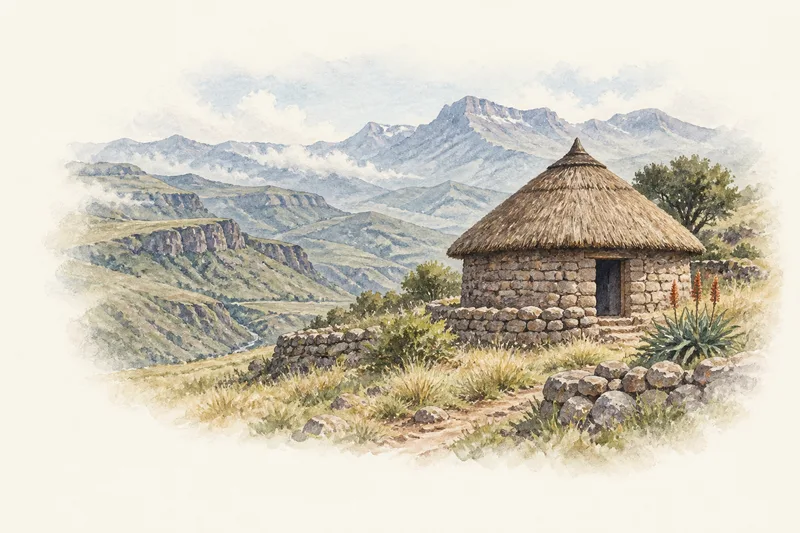
Steep mountains, cold winters and a short growing season favour maize meal, sorghum, wheat, beans, peas, potatoes, pumpkin, leafy vegetables, sheep and cattle. Lowland towns and mountain villages differ in access, while feasts connect bread, beer and meat to hospitality and ceremony.
Altitude affects what grows, travels and keeps.
| Region or setting | Food landscape | Examples to explore |
|---|---|---|
| Maseru & western lowlands | Maize, beans, vegetables, shops and national migration | Papa, moroho, beans, bread and grilled meat |
| Foothills | Mixed farming, orchards, wheat and livestock | Stews, potatoes, peas, breads and fermented drinks |
| Highlands | Sheep, cattle, wool, maize and difficult transport | Porridge, dairy, dried foods and mutton |
| Feasts & community gatherings | Large pots, home-brewed beer and shared meat | Motoho, leqebeko, stews and ceremonial cuts |
Food security is shaped by mountain ecology and imported staples. FAO profiles rain-fed maize, sorghum, wheat, beans and livestock within severe land degradation, climate and market constraints. [11]
The highlands are a cultural landscape as well as scenery. UNESCO’s Maloti-Drakensberg listing documents exceptional rock art and mountain ecosystems across the border region, requiring respect for long San histories alongside present Basotho livelihoods. [12]
Porridge takes identity from texture and relish.
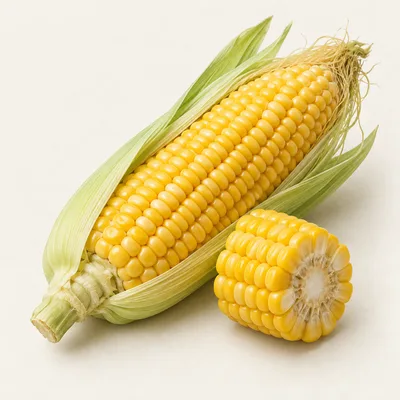 STAPLE GRAINMaize
Firm papa, soft porridge and breads
Motoho porridge and traditional beer
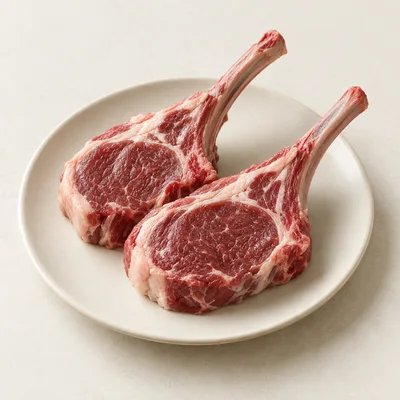 PASTORAL MEATMutton
Stews, grills and important gatherings
Everyday stews and accompaniments to papa
Motoho demonstrates controlled sour fermentation. Sorghum porridge ferments to a tangy drinkable or spoonable food served at home and gatherings; thickness and sourness vary by household. [9][11]
Moroho is a category of cooked greens. Cultivated or gathered leaves are simmered and served with papa, sometimes enriched with onion, tomato or fat. Naming the leaf makes the meal more precise. [11]
Home-style lodges and village hosts reveal more than hotel buffets.
Ask what came from the surrounding farm. Maize, beans, greens, bread, dairy and meat may be locally produced or brought long distances depending on altitude and season. [9][11]
Communal meat has rules beyond the recipe. Slaughter, cut distribution and serving can follow occasion, age and social role. A host-led explanation is more appropriate than presenting the meat as a generic barbecue. [10]
Food-culture sources checked .
Makoenya and its dough
Makoenya is the clearest named food example associated with wheat flour. Do not treat the name as a complete recipe: ask whether the dough contains other flour, starch, milk, flavourings or a bought-in savoury filling. Ask whether it is coated before cooking, what oil or other cooking liquid is used, and whether sauce or toppings are added afterwards. If a separate portion is offered, ask whether it was mixed, shaped and cooked with clean utensils and on a clean surface.
Motoho and fermented foods
Motoho is identified as a fermented porridge, while fermented milk is also described in food research from Roma. These identities do not establish a universal recipe. Ask which grain is used, whether wheat, maize or sorghum is present, and whether milk or another ingredient is added. Ask about sweeteners, flavourings and serving toppings, plus the cooking vessel, stirring utensil and ladle. If a portion is prepared separately, check when and how it was kept apart during preparation.
Sorghum drinks and beverages
Sorghum is used for Sesotho and hopose beverages, but a beverage name does not reveal its full contents. Ask whether the drink is made only from sorghum or includes milk, wheat, flavourings, sweeteners or another grain. Check whether ice, garnishes or a separate serving liquid is added. If it is poured from a shared container, ask how that container, scoop, jug or serving surface was used before your portion was served.
Maseru restaurant dishes
Maseru has Western-style restaurants, but a restaurant style does not establish a recipe or preparation method. For any chosen dish, ask about flour, maize, sorghum, milk, stock, sauces, marinades, toppings and finishing oil. Ask whether a bought-in savoury filling or sauce has its own ingredients to check. Confirm how a separate portion would be cooked, including the pan, utensils, cooking liquid and preparation surface, rather than relying on a simple menu description.
Ingredients worth recognising
Start with these ingredients, then follow their names and recorded food connections. Check the recipe and product actually used.
Wheat flour
Wheat flour may form the dough associated with Makoenya and may also appear in restaurant breads, coatings, sauces or bought-in fillings. Ask whether it is plain or part of a blend, where else it appears in the recipe, and whether shared utensils or surfaces are used.
Maize
Maize is a key food staple in Lesotho and may occur as meal, flour, grain or a prepared ingredient. Ask which form is used, whether it is combined with other grains or flavourings, and whether the pot, mill, spoon or serving utensil is shared.
Sorghum grain
Sorghum may be used as whole grain, meal, flour or in beverages such as Sesotho or hopose drinks. Ask which form is present, what else is added, and whether the drink or dish uses a shared container, ladle, mill or preparation surface.
Cow milk
Cow milk is relevant to fermented milk and may also be added to porridge, drinks, dough, sauces or toppings. Ask whether it is liquid milk, cultured milk, powder or another prepared form, and whether the spoon, jug, pot or serving vessel is shared.
Vegetable oil
Vegetable oil may be used for frying or other cooking, but the phrase does not identify its plant source. Ask which named oil or bottled product was used, whether it appears in sauces or fillings, and whether the oil, pan or utensils are shared.
How food labelling works
A current, country-specific allergen-labelling summary for Lesotho has not yet been verified for this guide. Do not transfer the list of regulated allergens or restaurant disclosure rules from your home country to this one.
Read the complete ingredients on the actual package and keep any local-language sticker with the original label. For imported products, compare the information on that pack rather than a photograph of the brand sold elsewhere. Ask the manufacturer or seller to clarify an unfamiliar term.
For loose food or meals prepared to order, ask who can check the recipe and the labels on bought-in ingredients. Explain every food you avoid, including ingredients outside familiar allergy groups; a short symbol chart may not cover your list.
Language and communication
Sesotho and English are Lesotho’s official languages. Prepare a written explanation in both, naming the ingredient or preparation you need checked and asking for the complete recipe. Use the names as recognition aids, not as a substitute for confirmation of what was actually used.
Ask which language will work best with your host or the person taking your order, and arrange reliable help when needed. Keep the written Sesotho and English explanations together so the food list stays consistent. Allow time for the cook to check each ingredient and explain the preparation rather than interpreting a short answer as confirmation.
Eating in different settings
Maseru Western-style restaurant
Ask for the complete recipe before choosing a dish, including flour, grains, milk, stock, sauces, toppings and cooking oil. Ask the server to check with the cook, and ask whether a separate portion can use a clean pan and utensils. Clarify whether a sauce or filling arrives ready-made and needs its own ingredient check.
Makoenya counter or takeaway
Before accepting Makoenya, ask what flour and other ingredients are in the dough, whether it has a filling or coating, and what oil is used. Ask whether tongs, trays, surfaces and frying oil are shared. If the answer is uncertain, request the product or recipe information rather than relying on the name.
Meal prepared by local hosts
Explain your concern before shopping or cooking begins. Ask hosts to list every ingredient in the meal, including grains, milk, flour, oil, stock, sauces and toppings. Ask whether a separate portion can be prepared with clean equipment, and repeat the check if ingredients or methods change during cooking.
Packaged-food shop
Read the complete ingredient list and any allergen information on the actual package, rather than relying on its name or a general dietary description. Check unfamiliar terms and identify the oil, flour or grain used. Ask the retailer for clarification if the recipe or an ingredient is not clearly stated on the pack.
Before you travel
Review your personal plan
Discuss your travel plans with your clinician and keep your prescribed medicines and emergency instructions accessible. Tell companions where these are and how to follow your plan.
Check your medicines before entering Lesotho
Medicine rules in Lesotho can differ from those in the UK, including for medicines prescribed or bought in the UK. Before travel, read the relevant TravelHealthPro guidance and check what it says about the medicine and any documentation. Follow that advice when preparing for travel.
Make the first meals easier to organise
Contact your accommodation and transport providers in advance. Save your written food list, menu questions and destination address offline. Check entry restrictions before packing backup food, and plan how you will check meals during arrival and onward journeys.
Plan access to medical help
Lesotho has basic medical facilities. Check travel insurance arrangements and the suitable care route before departure; most foreign visitors use facilities in Bloemfontein, South Africa. In Lesotho, main hospitals are in the Maseru area, with district hospitals in most districts. The FCDO list may help identify providers where some staff speak English.
Emergency resources
For a suspected severe allergic reaction, follow your prescribed emergency plan and seek urgent medical help. Give your exact location clearly.
Ambulance and urgent medical help
Request an ambulance on 112. FCDO lists an alternative local contact, 80093030121, if that line is unavailable, plus hospital and ambulance contacts in Bloemfontein, South Africa. Save the appropriate backup before travelling.
Explore next
Your allergy in Lesotho
Choose a food concern for the country notes and questions relevant to it.
Dishes in Lesotho
Follow the ingredients and cuisine connections in individual dish records.
Your own food list
Combine allergy groups and individual ingredients in one guide, with local names where recorded.
Allergy cards
Prepare the information you need to explain your food requirements.
FAQs, sources and review dates
Can Makoenya be assumed to contain only wheat flour and oil?
No. Wheat flour is associated with its dough, but that does not describe the complete recipe. Ask about other dough ingredients, fillings, coatings, toppings, sauces and cooking liquids. Confirm whether the oil is shared and whether the food was shaped, cooked or served with equipment used for other foods.
How should I ask about vegetable oil if soybean matters to me?
Ask which named oil was used and request to see the bottle or product information. “Vegetable oil” does not identify the plant source. Ask whether the oil also appears in a sauce or filling and whether the same oil, pan or utensils were used for other foods.
What should I do if I do not recognise an individual ingredient?
Ask for its ordinary name, physical form and role in the recipe. Ask whether it was mixed into the dish, used in a sauce, added as a topping or included in a filling. You can also ask how it was prepared and whether equipment or serving vessels were shared; do not classify it by name alone.
Sources checked: . This researched draft is awaiting editorial review. Practical questions apply the sources below to local food settings; they do not confirm any individual meal's ingredients or preparation.
Sources & references (12)
- FCDO · Lesotho health and medical assistance
Emergency contact details, local healthcare and medicine guidance. UK-specific eligibility does not apply to every visitor.
- Wikivoyage contributors · Lesotho
Community-edited culinary context only; not an allergy or medical authority. Brief food-context adaptations, CC BY-SA 4.0: https://creativecommons.org/licenses/by-sa/4.0/. Recipe questions also use PlateSafe’s draft records.
- National University of Lesotho · Traditional fermented foods
2013 food-preparation research involving interviews in Roma; examples of motoho, sorghum drinks and fermented milk. Not a universal household recipe.
- FAO · Lesotho country brief
The August 2026 country brief identifies maize as a key staple alongside sorghum and wheat.
- FARE · Dining out
General recipe and preparation questions, applied here to country-specific food examples.
- FARE · Travelling with food allergies
General preparation, written communication and access to prescribed medicines. Not country-specific import permission.
- PlateSafe · Lesotho recorded food connections
Existing draft dish and ingredient records, used as examples to investigate. These are not independently verified recipes or suitability assessments.
- Unicode CLDR · Territory language data
Language suggestions. Regional language needs must be confirmed with the particular food provider.
- Visit Lesotho — Official tourism portal
- Government of Lesotho — Tourism
- FAO — Lesotho country profile
- UNESCO World Heritage Centre — Maloti-Drakensberg Park