

BEFORE YOUR FIRST MEAL
Navigating food allergies in Liberia
Liberian food ranges from substantial soups and stews served with cassava-based fufu to rice dishes, fried plantain and baked breads. Recipes can vary by cook, particularly in the protein, stock and thickening ingredients. For allergies or coeliac disease, discuss the complete preparation rather than relying on a dish name, and check snacks, sauces and cooking fats separately.
What to know first
Stews are variable
Cassava-leaf stew, potato greens, palava sauce and palm-butter soup may have different protein choices. Ask whether fish, meat, stock or another added ingredient is used today.
Breads need recipe checks
Johnny cake can contain butter, egg and wheat flour; kala uses wheat flour, while Liberian rice bread may use egg. Confirm the full dough and cooking method.
Explain the whole concern
Tell the cook what must be avoided, then ask about the recipe, stock, toppings, oil, water, utensils and shared pans. Use English or Kreyol where appropriate.
Preparation matters
Ask whether fried plantain chips, roasted foods or snacks share oil, trays, tongs or preparation surfaces with other foods, and whether soup or rice shares cooking water or utensils.
Read complete labels
Checked label notes are unavailable for Liberia. Read the complete ingredient list on packaged food and do not infer suitability from a product name or dietary wording.
Understanding the food
Rice, cassava, plantain, eddoes, palm oil, greens, peanuts, chilli, fish and bush or farmed meats take different forms among Kpelle, Bassa, Kru, Grebo, Vai and other communities. Monrovia also carries Americo-Liberian, regional West African and diasporic influences, so “Liberian cuisine” is plural rather than one fixed menu.
Coast, forest belt and capital markets assemble different meals.
| Region or setting | Food landscape | Examples to explore |
|---|---|---|
| Monrovia & Montserrado | National migration, Atlantic trade and busy cooked-food markets | Jollof rice, dry rice, cassava-leaf stew and pepper soup |
| Kru coast & southeast | Fishing, cassava, plantain and coastal communities | Fresh or smoked fish, palm-butter dishes and dumplings |
| Central forest belt | Rice farms, cassava, greens, oil palm and gathering | Torborgee, palava sauce, rice bread and leaf stews |
| Northern counties | Upland rice, cattle links and Guinea or Sierra Leone exchange | Rice dishes, groundnut sauces, grilled meat and greens |
Rice is both an everyday staple and a question of food security. FAO describes rice and cassava as central food crops within a farming system that also includes vegetables, tree crops, fisheries and livestock. [9]
Regional names need community context. Liberia’s tourism and cultural institutions present the country through many peoples, languages and landscapes; food from a Kru coastal community should not be treated as interchangeable with a Kpelle forest-region dish. [7][10]
Leaves, smoke, chilli and red palm oil build the pot around rice.
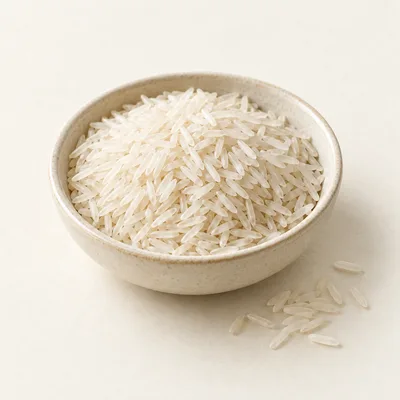 STAPLE GRAINRice
Boiled, cooked with seasoning or served beneath sauce
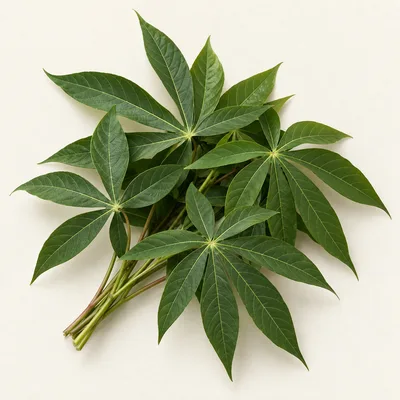 LEAF CROPCassava leaves
Pounded and simmered slowly with oil and protein
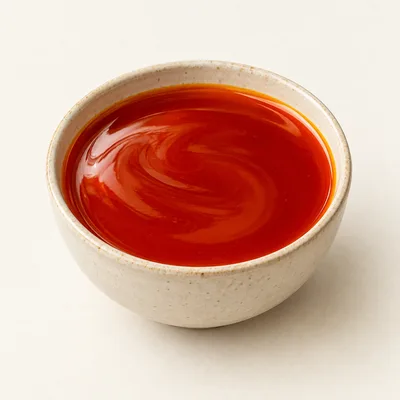 PRIMARY FATRed palm oil
Colour and richness for soups, greens and palm butter
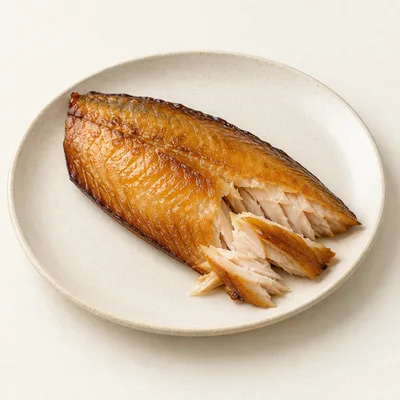 COASTAL PROTEINFish
Fresh, dried or smoked to season the entire pot
A sauce can carry several layers of protein. Fish may season a pot that also contains chicken, meat or shellfish; smoked and dried ingredients contribute flavour even when they are not obvious on the plate. [7][9]
Leaf stews are techniques, not a single recipe. Cassava leaf, potato greens and palava sauce are pounded or chopped and cooked with palm oil, chilli and changing combinations of fish or meat. [8][9]
Cookshops and household tables explain the meal better than a shortened hotel menu.
Ask what is inside the pot, not only what gives it its name. Stock fish, dried shrimp, meat, groundnut and palm products may all appear in one preparation, while recipes and serving customs vary by household and community. [7][8]
Respect knowledge that survived conflict and displacement. Markets, farms and family kitchens preserve techniques across internal migration and the Liberian diaspora. Attribute a dish to its cook or community when that history is known. [10]
Food-culture sources checked .
Soups and leafy stews
You may encounter cassava-leaf stew, potato greens, palava sauce, Country Chop, Torborgee and GB soup. Fish is a common variation in several of these, while cassava-leaf stew may use ground peanuts as a thickener. Ask which greens, protein, stock and thickener are in the specific pot, rather than treating the dish title as a fixed recipe.
Palm, peanut and pepper soups
Palm butter soup, peanut butter soup and pepper soup require different questions. Peanut butter is the defining base of peanut butter soup; fish may be used in palm butter soup and pepper soup. Ask whether a spoon, ladle or pot has also been used for another soup, and whether stock or a separate seasoning paste has been added.
Rice, cassava and fried foods
You may encounter chock rice and jollof's rice, alongside fufu made from fermented cassava dough. Ask about the complete rice recipe, including stock, sauce and toppings, and whether shared serving utensils are used. Street snacks may include fried plantain chips, roasted corn or plantains, bananas and mangoes, so check oil and handling for prepared items.
Baked foods and portions
Fresh morning breads may range from banana-bread-like to corn-bread-like, with some being oily. Johnny cake may use butter, egg and wheat flour; kala uses wheat flour; Liberian rice bread may use egg. Ask for the exact flour, binder, fat and cooking surface.
Ingredients worth recognising
Start with these ingredients, then follow their names and recorded food connections. Check the recipe and product actually used.
Wheat flour
Wheat flour provides the main structure of Johnny cake and forms the dough for kala. Ask whether wheat flour is present in the named bread or snack, whether another flour is also used, and how it is prepared on the work surface.
Fish
Fish may be added to cassava-leaf stew, Country Chop, GB soup, okra soup, palava sauce, palm butter soup, pepper soup, potato greens and Torborgee. Ask which protein is in the serving, and whether fish stock or shared ladles are involved.
Peanut
Ground peanut is a common thickener or flavouring in cassava-leaf stew, and it is the defining base of kanyah. Ask about peanut in the dish, snack or sauce, plus shared grinders, pans and serving utensils.
Egg
Some established Liberian rice-bread recipes use egg as a binder, and some Johnny cake recipes use it in the dough. Ask whether egg is included in this recipe and whether the same bowl, brush or cooking surface is shared.
Butter
Butter may be used in Johnny cake dough or for cooking, and the recorded ingredient is cow milk or milk-derived. Ask whether butter, another dairy fat or a mixed spread is used, and whether the baking tray is shared.
Stock
Fish stock is a recognised stock formulation, while celery is common in prepared stocks but not universal. Ask what stock is used in rice, soup or stew, whether it is bought or made in-house, and which ingredients are in it.
How food labelling works
A current, country-specific allergen-labelling summary for Liberia has not yet been verified for this guide. Do not transfer the list of regulated allergens or restaurant disclosure rules from your home country to this one.
Read the complete ingredients on the actual package and keep any local-language sticker with the original label. For imported products, compare the information on that pack rather than a photograph of the brand sold elsewhere. Ask the manufacturer or seller to clarify an unfamiliar term.
For loose food or meals prepared to order, ask who can check the recipe and the labels on bought-in ingredients. Explain every food you avoid, including ingredients outside familiar allergy groups; a short symbol chart may not cover your list.
Language and communication
Prepare a written explanation in English, Liberia’s official language, setting out the food or ingredient that must be avoided and the seriousness of the risk. Ask the cook or server to confirm the complete recipe, stock, sauce, toppings and cooking equipment in writing where possible.
Kreyol is used as a lingua franca in Liberia’s interior, and a local guide may help in more remote areas. Regional language use can vary, so have your written English explanation checked and ask for confirmation of the exact dish and preparation.
Eating in different settings
Street vendor
For fried plantain chips, roasted corn, roasted plantains, bananas or mangoes, ask whether the item is cooked, peeled or cut on site. For fried foods, ask what else uses the oil, pan, tongs and preparation surface before ordering.
Bread stall or bakery
Ask which flour, binder and fat are used in the particular bread. For Johnny cake, check wheat flour, butter and egg; for Liberian rice bread, ask about egg. Confirm whether trays, brushes and utensils are shared.
Soup or stew restaurant
Ask which protein is in today’s cassava-leaf stew, potato greens, palava sauce, palm butter soup or pepper soup. Confirm stock, peanut thickener, sauce and toppings, then ask whether the same pot, ladle or serving spoon is used for other dishes.
Rice meal or accommodation kitchen
For chock rice, jollof’s rice or fufu with soup, ask for the complete recipe and cooking liquid. Check stock, sauce, added protein and shared cooking water or utensils; if someone else is cooking, provide the written explanation before preparation starts.
Before you travel
Review your personal plan
Discuss your travel plans with your clinician and keep your prescribed medicines and emergency instructions accessible. Tell companions where these are and how to follow your plan.
Check your medicines before entering Liberia
The legal status and regulation of medicines prescribed or bought in the UK can differ in Liberia. Medicines are usually sold over the counter, supplies can be unreliable, and UK medicines may not be available. Carry an adequate supply of prescribed medicine and check the current rules for travelling with medicines with an appropriate authority before travel.
Make the first meals easier to organise
Contact your accommodation and transport providers in advance. Save your written food list, menu questions and destination address offline. Check entry restrictions before packing backup food, and plan how you will check meals during arrival and onward journeys.
Plan access to medical help
Hospitals and medical facilities in Liberia are poorly equipped, with scarce quality medication and unreliable blood supplies. Check your travel insurer’s eligibility, payment and medical evacuation arrangements before departure, and make sure you have accessible funds in case providers require cash.
Emergency resources
For a suspected severe allergic reaction, follow your prescribed emergency plan and seek urgent medical help. Give your exact location clearly.
Ambulance and urgent medical help
Ambulance services are not reliable. Establish how to reach a hospital locally; your accommodation or the police may help identify transport and medical contacts.
Explore next
Your allergy in Liberia
Choose a food concern for the country notes and questions relevant to it.
Dishes in Liberia
Follow the ingredients and cuisine connections in individual dish records.
Your own food list
Combine allergy groups and individual ingredients in one guide, with local names where recorded.
Allergy cards
Prepare the information you need to explain your food requirements.
FAQs, sources and review dates
Can I assume cassava-based food is free from wheat?
No. Fufu is described as fermented cassava dough, but a dish name does not establish the full meal or prevent cross-contact. Ask separately about the soup, stock, thickener, sauce and utensils, and check whether wheat-containing breads or snacks were prepared nearby.
What should I ask about a soup if I avoid fish or shellfish?
Ask whether the soup contains fish, fish stock, crayfish or dried shrimp, and whether a fish-based ladle, pot or serving spoon is shared. This is relevant to okra soup, where crayfish is a common ingredient, and to several soups with fish variations.
Does oily banana bread mean it contains a particular allergen?
No. The description of some local breads as oily does not identify the fat or any allergen. Ask whether the bread is banana-bread-like or corn-bread-like, then confirm the complete flour, egg, dairy, oil and shared-tray preparation.
Sources checked: . This researched draft is awaiting editorial review. Practical questions apply the sources below to local food settings; they do not confirm any individual meal's ingredients or preparation.
Sources & references (10)
- FCDO · Liberia health and medical assistance
Emergency contact details, local healthcare and medicine guidance. UK-specific eligibility does not apply to every visitor.
- Wikivoyage contributors · Liberia
Community-edited culinary context only; not an allergy or medical authority. Brief food-context adaptations, CC BY-SA 4.0: https://creativecommons.org/licenses/by-sa/4.0/. Recipe questions also use PlateSafe’s draft records.
- FARE · Dining out
General recipe and preparation questions, applied here to country-specific food examples.
- FARE · Travelling with food allergies
General preparation, written communication and access to prescribed medicines. Not country-specific import permission.
- PlateSafe · Liberia recorded food connections
Existing draft dish and ingredient records, used as examples to investigate. These are not independently verified recipes or suitability assessments.
- Unicode CLDR · Territory language data
Language suggestions. Regional language needs must be confirmed with the particular food provider.
- Enjoy Liberia — Official tourism portal
- FAO — Liberia country profile
- Liberia Ministry of Information, Cultural Affairs and Tourism