
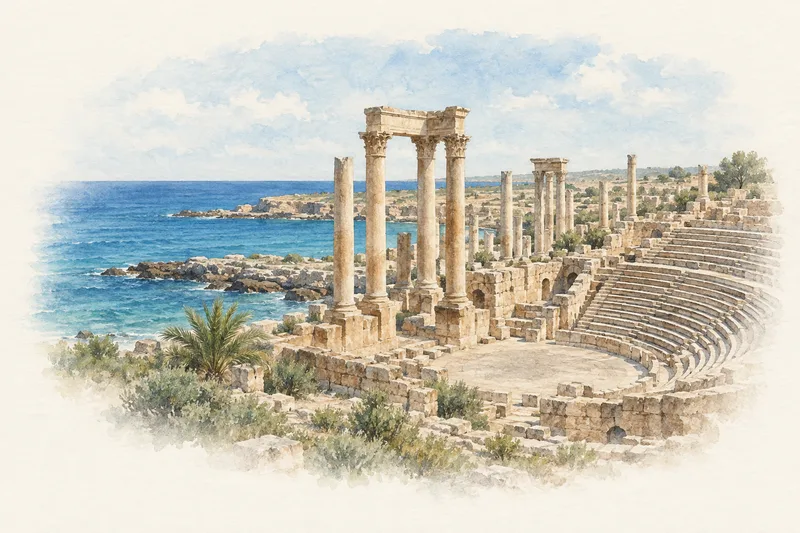
BEFORE YOUR FIRST MEAL
Navigating food allergies in Libya
Libya’s food choices can vary sharply between a Tripoli café, a seafood restaurant, a fast-food outlet and a private dinner. You may encounter wheat-based couscous, brik, pasta dishes, egg preparations, dairy-rich sweets and fish such as werata. Ask about the complete recipe and preparation, rather than relying on a dish name, appearance or a familiar-sounding menu description.
What to know first
Grains and doughs
Couscous is made from wheat semolina; bazin traditionally uses barley flour, while brik, kaak, pasta dishes and many breads commonly involve wheat.
Fish and fillings
Fish features in possible versions of haraimi, tuna-filled brik, seafood couscous, stuffed calamari and werata, but sauces and coatings still need checking.
Explain the whole concern
Show a written Arabic explanation covering the ingredient, severity and need to avoid cross-contact, then ask whether the complete dish, stock, sauce and garnish comply.
Ask about preparation
For fried foods such as batata mubatana or brik, ask what oil, pan and utensils are used, and whether they are shared with other battered or flour-coated foods.
Read complete labels
Read the complete ingredients and allergen information on the actual product. If you avoid a food that is not highlighted, ask the producer or food provider to check it specifically.
Understanding the food
Barley, wheat, couscous, dates, olive oil, tomato, chickpeas, lamb, camel, fish and warming spice connect Amazigh, Arab, Tuareg and Tebu foodways. Tripolitania, Cyrenaica and Fezzan have distinct histories, while Ottoman, Maghrebi, Saharan and Italian connections remain visible in urban cooking.
Three broad regions meet through markets but do not cook identically.
| Region or setting | Food landscape | Examples to explore |
|---|---|---|
| Tripolitania & northwest | Olives, grain, coastal cities and Maghrebi or Ottoman links | Couscous, bazin, mbakbaka, stuffed vegetables and grilled fish |
| Cyrenaica & east | Pasture, wheat, sheep and eastern Mediterranean exchange | Aseeda, breads, lamb dishes, dates and herb-seasoned stews |
| Fezzan & southern oases | Dates, pastoral herds and trans-Saharan routes | Date foods, barley dishes, camel or goat and preserved ingredients |
| Coastal cities | Fishing, cafés, pasta and layered migration histories | Seafood, macaroni dishes, soups, pastries and strong tea |
Agriculture concentrates where water and arable land allow it. FAO’s country profile places cereals, olives, dates, vegetables, sheep and goats within an extremely water-scarce food system dependent on imports. [8]
Ghadamès makes oasis food intelligible as a complete system. UNESCO describes a compact Saharan settlement adapted to heat and oasis life; dates, water management, storage and pastoral exchange belong to that environment. [9]
Grain is shaped, steamed or simmered before rich sauce reaches it.
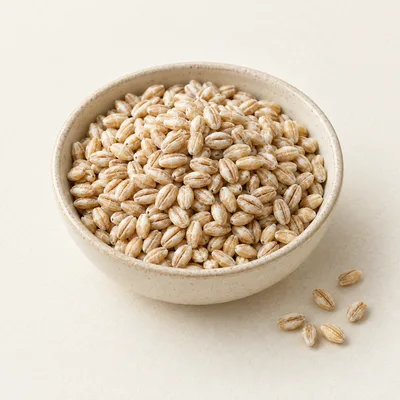 GRAIN BASEBarley
Bazin, breads, porridges and pastoral staples
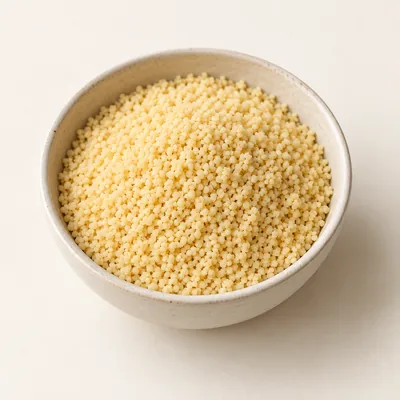 STEAMED GRAINCouscous
Fine grains carrying vegetable, chickpea and meat broth
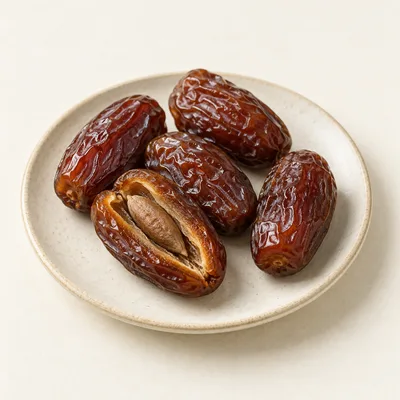 OASIS FRUITDates
Everyday sweetness, hospitality and stored energy
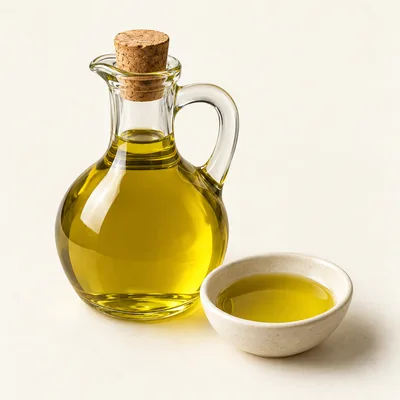 PRIMARY FATOlive oil
Sauces, salads, breads and coastal cooking
Bazin is eaten through a shared sauce. A firm barley-flour dome is surrounded by tomato, lamb, potato or egg sauce and portioned by hand, making texture and communal serving part of the dish. [7][8]
Mbakbaka turns pasta into a distinctly Libyan one-pot meal. Short pasta cooks directly in a chilli, tomato and spice broth with meat, seafood or legumes rather than being dressed after boiling. [7]
Hospitality is expressed through abundance, tea and the pace of sharing.
The central platter is a social arrangement. Couscous, bazin and rice dishes may arrive for several people, with portions and prized pieces distributed by the host. [7]
Use Amazigh, Tuareg and Tebu names where the source permits. Southern and mountain food knowledge should not be relabelled as generic “desert cuisine”; community attribution preserves who developed the practice. [9][8]
Food-culture sources checked .
Couscous, grains and pasta
Recorded couscous uses wheat semolina, while bazin is based on barley flour and may sometimes include wheat flour. Libyan shorba usually contains short wheat-based pasta; mbakbaka and rishda are also wheat-based pasta examples. Ask whether a grain or pasta is made from wheat, barley or another flour, and whether broth, sauce or added toppings introduce further ingredients.
Pastry and fried preparations
Brik combines a wheat pastry wrapper with a characteristic egg filling; a common tuna filling adds fish. Batata mubatana may be coated with egg and wheat flour before frying, while sfinz uses wheat-flour dough. Ask about the coating, filling, frying oil and utensils, including whether the same oil is used for other flour-coated foods.
Egg, dairy and sesame details
Egg may be intrinsic to shakshuka, where it is poached in the sauce, and binds Libyan tajine, which commonly also includes cheese. Asida uses butter and wheat flour; fatta may use ghee, tahini and wheat pita. Ghraiba and magrood use butter, with sesame possible in several garnishes. Check every topping and finish.
Fish and regional or venue variation
You may encounter seafood couscous, stuffed calamari and werata served grilled or baked with local herbs and spices, particularly in Tripoli’s eating-out context. You may also find Turkish, Moroccan, Lebanese and western-style venues. Do not assume those styles share one recipe: ask what stock, marinade, sauce, oil and garnish accompany the named fish.
Ingredients worth recognising
Start with these ingredients, then follow their names and recorded food connections. Check the recipe and product actually used.
Couscous
Traditional couscous is made from durum wheat. It may appear as the base of seafood couscous or with other stews. Ask whether it is wheat couscous, what broth or sauce is added, and whether separate serving utensils are used.
Barley Flour
Barley flour is the grain base of traditional bazin and is also the principal flour in zmeeta when roasted. Ask whether wheat flour has been added or substituted, and whether the recipe is served with a separate sauce or topping.
Egg
Egg may feature in brik, batata mubatana, Libyan tajine and shakshuka. Ask whether it is in the filling, coating or sauce, and whether the same pan or oil is used for other foods.
Butter
Butter is milk-derived and appears in asida, ghraiba and magrood. Ask whether the dish or sweet uses butter, ghee or another fat, and whether a topping, dough or finishing brush contains an additional dairy ingredient.
Tahini
Tahini is directly derived from sesame and is recorded in some fatta toppings or sauces. Ask specifically whether tahini is mixed into the dish, offered separately or replaced with another sauce, and check accompanying pita and garnishes.
Seasoned broth
Prepared seasoned broth may contain celery, soy-containing seasonings or wheat-containing flavourings, depending on its formulation. Ask whether it is used in shorba, couscous or a fish dish, and request the complete product ingredients rather than accepting ‘stock’ as a full answer.
How food labelling works
A current, country-specific allergen-labelling summary for Libya has not yet been verified for this guide. Do not transfer the list of regulated allergens or restaurant disclosure rules from your home country to this one.
Read the complete ingredients on the actual package and keep any local-language sticker with the original label. For imported products, compare the information on that pack rather than a photograph of the brand sold elsewhere. Ask the manufacturer or seller to clarify an unfamiliar term.
For loose food or meals prepared to order, ask who can check the recipe and the labels on bought-in ingredients. Explain every food you avoid, including ingredients outside familiar allergy groups; a short symbol chart may not cover your list.
Language and communication
Arabic is Libya’s official language, and Libyan Arabic is the everyday vernacular. Prepare a written explanation in Arabic naming the ingredient to avoid, the need to check the complete recipe, and the risk from shared oil, water, utensils, stock, sauce and toppings. Use ingredient names as recognition aids, not as a complete request.
Everyday conversation may use Libyan Arabic, while Modern Standard Arabic can support a written explanation. Ask which wording the person checking your food understands. If you need help in Amazigh or another locally used language, arrange it beforehand and keep the same complete ingredient and preparation questions in each version.
Eating in different settings
Tripoli seafood restaurant or souq counter
For seafood couscous, stuffed calamari or grilled or baked werata, ask what is in the marinade, herb-and-spice mixture, stock, sauce and garnish. Confirm whether the fish or calamari shares a grill, pan, oil or utensils with flour-coated foods, and whether couscous is wheat-based.
Café or mixed-style restaurant
Tripoli venues may serve western-style, Moroccan, Lebanese or Turkish food as well as local dishes. Ask for the complete recipe of the named dish, including bread, pasta, butter, cheese, tahini and broth. Confirm which sauce and garnish will arrive, rather than ordering by cuisine or dish name alone.
Bakery, sweet counter or fried-food stall
For asida, ghraiba, magrood, kaak or sfinz, ask about flour, butter, sesame and any coating or garnish. For brik or batata mubatana, ask what is inside, what coats it and whether frying oil, trays and tongs are shared with other wheat- or egg-containing foods.
Private dinner or wedding meal
If invited to a Libyan meal, explain the concern in Arabic before food is served and ask the host to identify each course, bread, grain, sauce and sweet. Check whether a shared serving spoon, cooking pot or finishing garnish has contacted an ingredient you avoid, including in a dish that looks plain.
Before you travel
Review your personal plan
Discuss your travel plans with your clinician and keep your prescribed medicines and emergency instructions accessible. Tell companions where these are and how to follow your plan.
Check your medicines before entering Libya
The legal status and regulation of medicines prescribed or bought in the UK may differ in Libya. Before travelling, read TravelHealthPro guidance on travelling with medicines and check the medicine, prescription and documentation requirements with the relevant Libyan authority. Do not stop or change prescribed medicine without clinical advice.
Make the first meals easier to organise
Contact your accommodation and transport providers in advance. Save your written food list, menu questions and destination address offline. Check entry restrictions before packing backup food, and plan how you will check meals during arrival and onward journeys.
Plan access to medical help
Healthcare in Libya is generally below UK standards, with shortages of skilled personnel and medical supplies, particularly for chronic conditions. Private clinics are available in Tripoli. Check insurance wording, accessible funds and arrangements for treatment abroad or possible evacuation to Malta or mainland Europe before travel.
Emergency resources
For a suspected severe allergic reaction, follow your prescribed emergency plan and seek urgent medical help. Give your exact location clearly.
Ambulance and urgent medical help
Request an ambulance on 1415. Remote areas may lack medical assistance. Rescue availability is uncertain, and even an international air-ambulance arrangement may not have permission to operate within Libya.
Explore next
Your allergy in Libya
Choose a food concern for the country notes and questions relevant to it.
Dishes in Libya
Follow the ingredients and cuisine connections in individual dish records.
Your own food list
Combine allergy groups and individual ingredients in one guide, with local names where recorded.
Allergy cards
Prepare the information you need to explain your food requirements.
FAQs, sources and review dates
Could a plain-looking shorba still need checking?
Yes. The recorded shorba example usually uses short wheat-based pasta, and a broth may add ingredients not apparent in the bowl. Ask what pasta is used and whether the broth is prepared or packaged, then check its complete ingredients, including seasonings and flavourings.
Is every dried short pasta made with egg?
No. Egg is used in recognised egg-pasta formulations, but it is not universal in dried short pasta. Ask whether the particular pasta contains egg and whether it is wheat-based or made from another formulation. Also ask about the cooking water and shared colander.
What about pine nuts or coconut in a Libyan dish?
Pine nuts or coconut are not identified as ingredients or toppings in the Libyan dishes described here. Do not infer their presence or absence from a dish name. Ask the cook to identify every garnish, sauce and mixed-in ingredient, and check any packaged topping’s complete ingredient list.
Sources checked: . This researched draft is awaiting editorial review. Practical questions apply the sources below to local food settings; they do not confirm any individual meal's ingredients or preparation.
Sources & references (10)
- FCDO · Libya health and medical assistance
Emergency contact details, local healthcare and medicine guidance. UK-specific eligibility does not apply to every visitor.
- Wikivoyage contributors · Libya
Community-edited culinary context only; not an allergy or medical authority. Brief food-context adaptations, CC BY-SA 4.0: https://creativecommons.org/licenses/by-sa/4.0/. Recipe questions also use PlateSafe’s draft records.
- FARE · Dining out
General recipe and preparation questions, applied here to country-specific food examples.
- FARE · Travelling with food allergies
General preparation, written communication and access to prescribed medicines. Not country-specific import permission.
- PlateSafe · Libya recorded food connections
Existing draft dish and ingredient records, used as examples to investigate. These are not independently verified recipes or suitability assessments.
- Unicode CLDR · Territory language data
Language suggestions. Regional language needs must be confirmed with the particular food provider.
- Libyan Tourism — Food and hospitality
- FAO — Libya country profile
- UNESCO World Heritage Centre — Old Town of Ghadamès
- UNESCO World Heritage Centre — Archaeological Site of Cyrene