

BEFORE YOUR FIRST MEAL
Navigating food allergies in Liechtenstein
Liechtenstein’s food examples include barley soup, wheat-based dumplings, cheese-rich Käsknöpfle, cornmeal dishes and fried pastries. Small bakeries are common, while restaurants are found in larger towns. German is official, but everyday Alemannic speech can vary noticeably. Treat each recipe as a fresh check: ask about the full mixture, cooking medium, toppings and shared utensils rather than relying on a dish name.
What to know first
Alpine soups may contain more than their named grain
For barley soup, ask whether the broth includes celery and what stock, garnish or thickener is added. The grain name alone does not describe the complete bowl.
Dumpling recipes combine several ingredients
Hafalaab and Käsknöpfle are recorded with wheat flour; Käsknöpfle also commonly involves egg and cheese. Ask about dough, filling, sauce and finishing ingredients together.
Use German first, then clarify local wording
Prepare a written explanation in German and ask the person preparing the food to confirm each ingredient. If replies become difficult, request a written recipe or label.
Check preparation as well as the recipe
Ask whether fried foods use shared oil, whether soup uses a shared ladle, and whether boards, pans or utensils have contacted other foods.
Read the complete ingredient list
For packaged foods, read the full ingredient list rather than relying on a product name or dietary wording. Check compound broths, bakery items, sauces and toppings individually.
Understanding the food
Cheese, milk, maize, potatoes, flour, pork, game, orchard fruit and wine connect mountain pasture to the Rhine plain. The principality shares culinary ground with eastern Switzerland and Vorarlberg, yet dishes such as Käsknöpfle and Ribel carry their own local associations.
A short distance separates valley farms, vineyards and high pasture.
| Region or setting | Food landscape | Examples to explore |
|---|---|---|
| Vaduz & central valley | Wine, restaurants, bakeries and national gathering place | Käsknöpfle, local wine, pastries and seasonal menus |
| Unterland | Rhine plain, maize, vegetables, orchards and dairy | Ribel, soups, fruit products and farm food |
| Oberland villages | Livestock, cheese, potatoes and cross-border Alpine links | Cheese noodles, rösti, dumplings and cured meat |
| Malbun & mountain Alps | Summer pasture, game and cold-weather hospitality | Alpine cheese, venison, hearty soups and hut meals |
The food landscape is compressed but not uniform. Official tourism material links vineyards around Vaduz, farm shops in the valley and mountain restaurants in Malbun within a few kilometres. [7][8]
Agriculture maintains the open cultural landscape. Government material describes livestock, dairy, arable fields, orchards and ecological stewardship as practical parts of the principality rather than decorative tourism scenery. [9]
Cheese and maize mark the meeting of Alpine and valley kitchens.
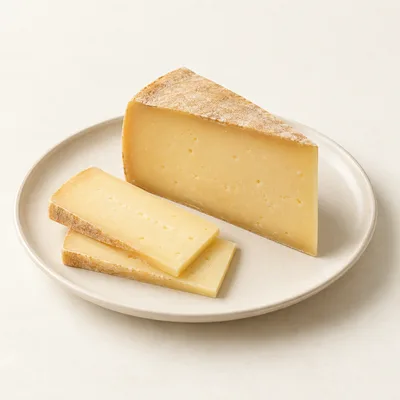 ALPINE DAIRYCheese
Melted through dumplings or served from local dairies
 VALLEY GRAINMaize
Coarsely milled for Ribel and simple farm meals
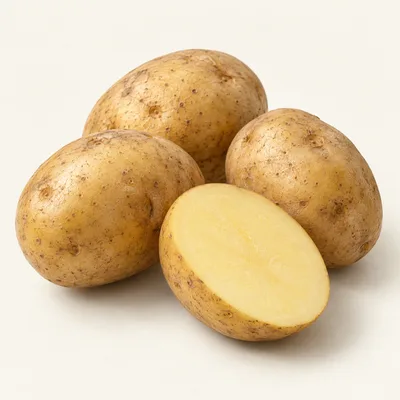 FIELD CROPPotato
Rösti, soups, sides and winter cooking
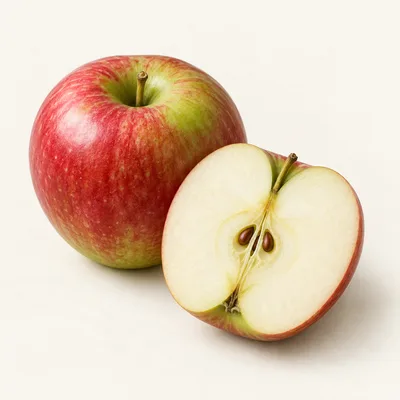 ORCHARD FRUITApple
Juice, preserves, pastry and distilling
Käsknöpfle is the signature combination. Small flour-and-egg dumplings are layered with melted cheese and usually served with fried onion and apple purée; cheese blend and dumpling size vary by kitchen. [8][7]
Ribel recalls a practical Rhine-valley staple. Maize semolina is cooked with milk or water, then broken into toasted crumbs and served sweet or savoury. [7][9]
Farm shops, wine cellars and mountain inns are the useful scale.
Local does not mean isolated from neighbours. Menus naturally overlap with Swiss, Austrian and wider Alpine cooking; provenance is clearest in the cheese, wine, fruit, meat and producer story. [7][8]
Season changes the strongest offer. Asparagus, berries and fruit appear from the valley, while game and hearty cheese dishes become more prominent in cooler months and mountain settings. [9][8]
Food-culture sources checked .
Soups, broths and aromatic vegetables
Barley soup is recorded with barley as its defining grain and celery as a common aromatic vegetable. Ask whether the stock is beef broth, vegetable broth or another preparation, and whether celery is cooked into the base or added later. Confirm any cream, flour, garnish or seasoning, then ask whether the serving ladle and pot are shared with other soups.
Dumplings, noodles and cheese
Hafalaab is recorded as wheat-flour dumplings, while Käsknöpfle uses wheat flour, egg and cheese in its core preparation. Ask whether the dough contains anything else, whether the cheese is mixed through or added on top, and whether a sauce, browned butter or other topping is included. Confirm how the dumplings are boiled, drained and served.
Cornmeal and dairy-rich preparations
Ribel is associated with cornmeal that is traditionally cooked or served with cow milk and may be browned with butter. Ask whether the cornmeal is made with water, milk or a mixture, and whether butter is used in the pan or added at the table. Check accompanying sauces, stewed foods and toppings rather than treating the dish name as a full recipe.
Bakeries, pastries and fried foods
Small bakeries offer warm rolls and pastries, and Funkaküachle is recorded with wheat flour and commonly egg in its dough or batter. Ask for the complete recipe, including fillings, glaze and dusting, and ask whether the item is fried in shared oil. A fresh appearance does not answer questions about ingredients, equipment or preparation.
Ingredients worth recognising
Start with these ingredients, then follow their names and recorded food connections. Check the recipe and product actually used.
Wheat flour
Recorded in Funkaküachle, Hafalaab and Käsknöpfle, wheat flour may appear in dough or dumplings. Ask whether another flour, starch, dusting flour or crumb coating is also used, and check sauces or toppings made in the same preparation.
Barley
Barley is the defining grain in the recorded barley soup example. Ask whether it is cooked directly in the soup or added separately, and confirm the broth, thickener, garnish and ladle used. Wheat and barley should be checked as distinct ingredients.
Egg
Egg is commonly included in Funkaküachle dough or batter and is typical in Käsknöpfle dough. Ask whether egg is brushed on, mixed into the dough or used in a topping, and whether the same bowl, brush or fryer is shared.
Butter
Ribel may be browned with butter, and butter can also be a finishing element in other flour-based dishes. Ask whether butter is used in the pan, mixed through the food or added afterwards, and whether a different cooking fat is substituted.
Celery
Celery is recorded as an aromatic vegetable in some Alpine-style barley soup and may therefore be part of a broth base rather than visible in the bowl. Ask about stock ingredients, vegetable bases, garnishes and shared soup utensils.
Vegetable Oil
The recorded vegetable-oil ingredient is unspecified and may be soybean oil. Ask what oil is used, whether it is a single-ingredient oil or a labelled blend, and whether fried pastries or other foods share the same oil.
How food labelling works
A current, country-specific allergen-labelling summary for Liechtenstein has not yet been verified for this guide. Do not transfer the list of regulated allergens or restaurant disclosure rules from your home country to this one.
Read the complete ingredients on the actual package and keep any local-language sticker with the original label. For imported products, compare the information on that pack rather than a photograph of the brand sold elsewhere. Ask the manufacturer or seller to clarify an unfamiliar term.
For loose food or meals prepared to order, ask who can check the recipe and the labels on bought-in ingredients. Explain every food you avoid, including ingredients outside familiar allergy groups; a short symbol chart may not cover your list.
Language and communication
German is Liechtenstein’s official language, while Alemannic is widely used in everyday speech. Prepare your written food explanation in German, and ask for the reply in standard German if local pronunciation or dialect makes an ingredient confirmation unclear. Dish names help recognition, not suitability.
Alemannic is part of the wider dialect group spoken in Liechtenstein and nearby German-speaking regions, so wording can vary between places. Keep the German explanation available in writing, point to the exact dish or ingredient, and ask the person preparing it to confirm the complete recipe.
Eating in different settings
Bakery counter
At a bakery, ask whether the roll or pastry contains wheat flour, egg, milk or butter, and whether a filling, glaze or dusting is added. For Funkaküachle, ask about the full batter and frying oil. Ask whether tongs, trays or display surfaces are shared.
Restaurant soup service
For barley soup, ask what stock forms the base and whether celery, beef broth, flour, cream or a garnish is included. Ask whether the pot is shared with other soups and whether the ladle is dedicated. Request confirmation of the bowl’s final toppings before ordering.
Dumpling or shared-meal table
For Hafalaab or Käsknöpfle, ask about the dough, cooking water, cheese, egg, butter and any sauce or topping. Ask whether dumplings are drained with shared utensils and whether the same pan or serving spoon is used for other dishes.
Packaged-food shop
Read the complete ingredient list on broth, flour, bakery products, cooking oil and prepared meals. Check compound ingredients and seasoning mixtures, then ask for clarification where the label is unclear. Do not infer the recipe from a picture, product name or a dietary description.
Before you travel
Review your personal plan
Discuss your travel plans with your clinician and keep your prescribed medicines and emergency instructions accessible. Tell companions where these are and how to follow your plan.
Check your medicines before entering Liechtenstein
The health guidance notes that medicines prescribed or bought in the UK may have different legal status or regulation abroad. Before travel, read the TravelHealthPro guidance on travelling with medicines and ask the relevant authority whether any requirements apply to your medicines.
Make the first meals easier to organise
Contact your accommodation and transport providers in advance. Save your written food list, menu questions and destination address offline. Check entry restrictions before packing backup food, and plan how you will check meals during arrival and onward journeys.
Plan access to medical help
Liechtenstein accepts health insurance cards. UK visitors needing medically necessary state healthcare should first check whether they qualify for a GHIC or EHIC and what it covers; these cards do not replace travel insurance. Before travelling, ask the NHS about eligibility and covered treatment, and check private-care limits and available providers.
Emergency resources
For a suspected severe allergic reaction, follow your prescribed emergency plan and seek urgent medical help. Give your exact location clearly.
Ambulance and urgent medical help
Dial 144 or 112 and ask for an ambulance.
Explore next
Your allergy in Liechtenstein
Choose a food concern for the country notes and questions relevant to it.
Dishes in Liechtenstein
Follow the ingredients and cuisine connections in individual dish records.
Your own food list
Combine allergy groups and individual ingredients in one guide, with local names where recorded.
Allergy cards
Prepare the information you need to explain your food requirements.
FAQs, sources and review dates
Could barley soup contain celery even if celery is not visible?
Yes, celery may be used as a common aromatic vegetable in Alpine-style barley soup. Ask whether it is in the broth or vegetable base, and check stock, garnish, thickener and shared ladles. Checking visible ingredients is not enough for a complete soup recipe.
What should I ask about Ribel if I avoid coconut or pine nuts?
Ribel is recorded as a cornmeal preparation that may use cow milk and butter. Ask which liquid and cooking fat are actually used, and ask about every topping or accompanying dish. Coconut and pine nuts should be checked as individual ingredients rather than assigned to another allergen group.
How can I check Käsknöpfle without relying on its name?
Ask the preparer to confirm the dumpling dough, including wheat flour and egg, then ask which cheese is used and whether butter, sauce or other toppings are added. Confirm the cooking and serving utensils too, especially where dumplings are prepared alongside other dishes.
Sources checked: . This researched draft is awaiting editorial review. Practical questions apply the sources below to local food settings; they do not confirm any individual meal's ingredients or preparation.
Sources & references (10)
- FCDO · Liechtenstein health and medical assistance
Emergency contact details, local healthcare and medicine guidance. UK-specific eligibility does not apply to every visitor.
- Wikivoyage contributors · Liechtenstein
Community-edited culinary context only; not an allergy or medical authority. Brief food-context adaptations, CC BY-SA 4.0: https://creativecommons.org/licenses/by-sa/4.0/. Recipe questions also use PlateSafe’s draft records.
- FARE · Dining out
General recipe and preparation questions, applied here to country-specific food examples.
- FARE · Travelling with food allergies
General preparation, written communication and access to prescribed medicines. Not country-specific import permission.
- PlateSafe · Liechtenstein recorded food connections
Existing draft dish and ingredient records, used as examples to investigate. These are not independently verified recipes or suitability assessments.
- Unicode CLDR · Territory language data
Language suggestions. Regional language needs must be confirmed with the particular food provider.
- Liechtenstein Marketing — Official tourism portal
- Liechtenstein Marketing — Wine and culinary experiences
- Principality of Liechtenstein — Agriculture
- UNESCO — Liechtenstein country profile