
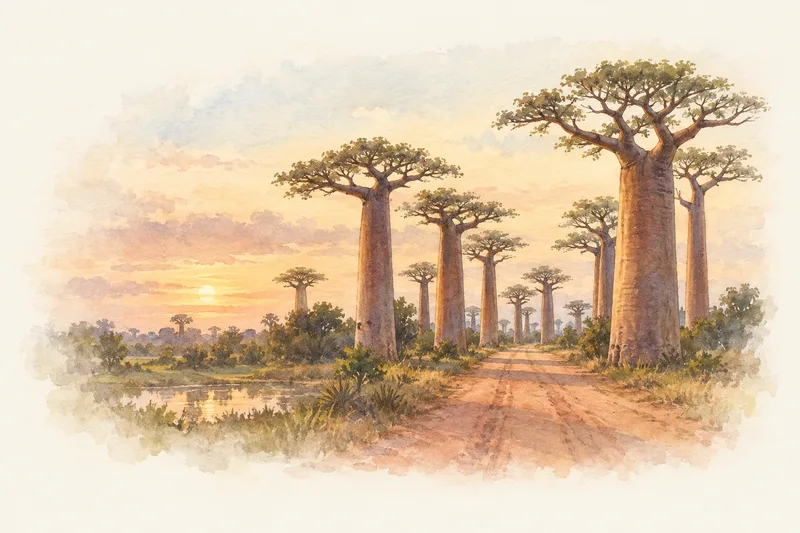
BEFORE YOUR FIRST MEAL
Navigating food allergies in Madagascar
Madagascar’s everyday food can be built around rice, a laoka side dish and rice water, while street stalls offer bananas and rice cakes. Restaurant menus may also include steak-frites, and coffee may arrive sweetened with condensed milk. Recipes vary, so discuss the complete preparation rather than relying on a dish name, especially for filled snacks, sauces and fried foods.
What to know first
Rice-centred meals
At a hotely, ask what the laoka contains, how it is seasoned, and whether stock, sauce or a shared serving utensil is used alongside the rice.
Filled and fried foods
Treat sambos, menakely, mofo akondro and nem Malagasy as recipe questions: ask about the wrapper or batter, filling, frying oil and any dipping sauce.
Explain the whole concern
Prepare a written explanation in Malagasy and French, including the ingredient to avoid and the risk from shared oil, water, utensils or surfaces.
Check preparation separately
Ask whether a food is cooked in the same oil, pan or water as another item, and whether toppings, condensed milk or seasoning are added after cooking.
Read complete labels
Read the complete ingredients and allergen information on the actual product. If you avoid a food that is not highlighted, ask the producer or food provider to check it specifically.
Understanding the food
Rice, cassava, leafy greens, zebu, freshwater and marine fish, coconut, beans, peanuts and sharp pickles reflect an island settled through African and Austronesian worlds. Merina highland, Betsileo rice-country, Sakalava western, Betsimisaraka eastern and southern pastoral foodways should remain visible within the national story.
Altitude, rainfall and community history alter the bowl.
| Region or setting | Food landscape | Examples to explore |
|---|---|---|
| Central Highlands | Terraced rice, zebu, vegetables and cooler-climate dairy | Romazava, vary amin’anana, ravitoto and highland sausages |
| East & northeast | Rainforest edge, vanilla, cloves, coconut and seafood | Coconut fish, leafy stews, tropical fruit and spice-growing traditions |
| West & northwest | Drier rice country, cattle, baobab and Mozambique Channel fish | Zebu grills, fish, cassava, beans and sakay relishes |
| South & southwest | Semi-arid pastoral land, cassava, maize and marine resources | Cassava preparations, goat or zebu, dried fish and coastal seafood |
Rice is cultivated almost everywhere but carries particular highland density. FAO describes rice as Madagascar’s most widespread crop and notes that family farms combine it with other crops and livestock rather than operating as single-crop systems. [9][10]
The south cannot be explained through the lush-island shorthand. Semi-arid conditions make cassava, maize, livestock and resilient gathered foods more important than in wetter rice-growing regions. [7][9]
A mild rice centre is sharpened by greens, broth and sakay.
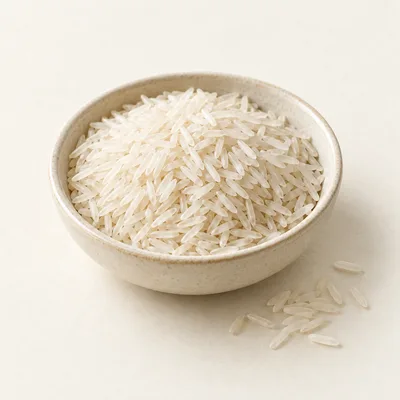 MEAL FOUNDATIONRice
Steamed for daily meals and cooked into breakfast porridges
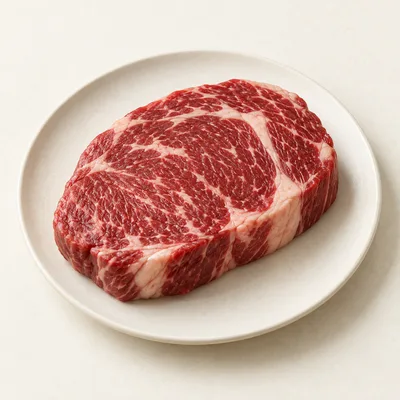 PASTORAL PROTEINZebu
Braised, grilled, dried or served ceremonially
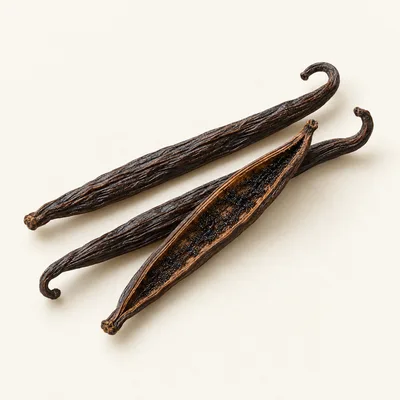 NORTHEASTERN CROPVanilla
An export spice also used in sweets and infused preparations
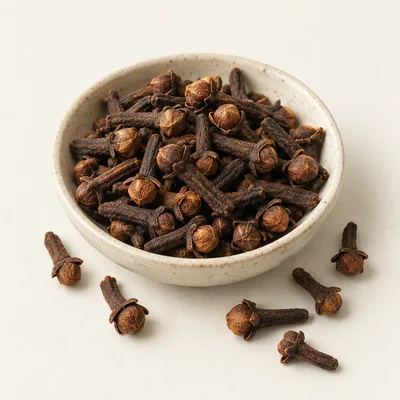 AROMATIC SPICEClove
A major eastern crop with culinary and trade significance
Romazava describes a broth-and-greens structure. Zebu or other meat is simmered with mixed leafy greens, including peppery anamalao where available, and served with rice; composition shifts by household and season. [8][7]
Ravitoto turns cassava leaves into a slow-cooked main. Pounded leaves are cooked thoroughly, often with pork and oil, producing a dense sauce for rice rather than a raw leafy side. [8][9]
Hotely eateries, markets and household tables reveal the useful everyday scale.
The rice portion often defines whether a plate feels complete. A relish, broth or protein may be modest beside a substantial mound of rice; ask for vary and the accompanying laoka rather than judging the meal by the sauce alone. [7][10]
Spice prestige should not eclipse growers and local food security. Vanilla, cloves, pepper and cacao are globally valuable, while rice and cassava remain central to daily diets and climate resilience. Present both stories together. [9][10]
Food-culture sources checked .
Rice, laoka and rice water
A hotely meal may centre on a plate of rice with laoka, a side dish such as chicken, beans or pork, plus rice water. Ask whether the named side is the complete recipe or arrives with gravy, stock, seasoning or a garnish. Check whether rice and accompaniments use separate serving spoons, particularly when choosing a simple-looking plate.
Street snacks and sweet foods
Bananas and rice cakes are recorded as widely available street foods, while koba ravina has a recorded ground-peanut filling. Menakely and mofo akondro may involve wheat flour, with the latter commonly using it in batter. Ask about every flour, filling and topping, and whether a stall fries different snacks in the same oil.
Savoury filled dishes
Nem Malagasy can have seasoned fillings containing soy sauce, seafood or crustaceans, and some wrappers are wheat-based. Sambos are recorded with a wheat-flour pastry wrapper. Ask which filling is used today, what the wrapper contains, whether the dipping sauce is separate, and whether the same oil is used for other fried foods.
Fish, meat and restaurant variation
Possible versions include fish in trondro amin’ny voanio, eel in henakisoa sy amalona, and crab in foza sy hena-kisoa. Achard de légumes may use mustard seed as a seasoning in one version. Steak-frites is also available in larger-town restaurants. Confirm the recipe, sauce, garnish and cooking surface rather than inferring them from the title.
Ingredients worth recognising
Start with these ingredients, then follow their names and recorded food connections. Check the recipe and product actually used.
Wheat flour
Wheat flour is recorded in menakely dough, mofo akondro batter and sambos pastry, while some nem Malagasy wrappers may also use it. Ask whether flour is present in the wrapper, batter, filling or sauce, and whether frying equipment is shared.
Peanut
Ground peanut is recorded as a core filling in koba ravina. Ask whether peanut is mixed through the filling, added as a topping or handled on the same surface as other cakes, and check packaged versions for the complete ingredient list.
Fish
Fish is the named core protein in trondro amin’ny voanio, while fish and eel appear in other recorded dishes. Ask which species is used, whether stock or sauce also contains fish, and whether the fish is cooked on a shared grill or pan.
Crab
Crab is the core ingredient recorded for foza sy hena-kisoa, and seafood-filled nem Malagasy may use shrimp or other crustaceans. Ask whether crab or another filling is used, whether sauces contain seafood, and whether utensils or oil are shared.
Soy Sauce
Soy sauce is used in some seasoned nem Malagasy fillings. Ask whether it is included in the filling, marinade or dipping sauce, whether another sauce is added, and whether the seller can show the bottle or a complete packaged ingredient list.
Mustard Seed
Mustard seed is noted as a common seasoning in the recorded Mauritian achard example, while achard de légumes is a relevant dish connection here. Ask whether mustard seed or prepared mustard is used, and whether the pickle contains additional seasoning or sauce.
How food labelling works
A current, country-specific allergen-labelling summary for Madagascar has not yet been verified for this guide. Do not transfer the list of regulated allergens or restaurant disclosure rules from your home country to this one.
Read the complete ingredients on the actual package and keep any local-language sticker with the original label. For imported products, compare the information on that pack rather than a photograph of the brand sold elsewhere. Ask the manufacturer or seller to clarify an unfamiliar term.
For loose food or meals prepared to order, ask who can check the recipe and the labels on bought-in ingredients. Explain every food you avoid, including ingredients outside familiar allergy groups; a short symbol chart may not cover your list.
Language and communication
Prepare a written explanation first in Malagasy, the national daily language, and French, the second official language. State the ingredient to avoid, the possibility of traces from shared preparation, and the need for staff to confirm the complete recipe. Use dish and ingredient names as recognition aids only, not as a complete allergy request.
Malagasy has regional dialect variation, with Merina identified around the Antananarivo highlands and used more widely as the official form. Keep the written message available when travelling between regions, and ask for confirmation of the exact local preparation rather than assuming one wording or recipe applies across the island.
Eating in different settings
Hotely meal
For rice with laoka, ask what the side dish contains and whether chicken, beans or pork is cooked with stock, sauce or seasoning. Ask whether rice water is made separately and whether serving spoons are shared between the rice and other dishes.
Street-food stall
Before buying bananas, rice cakes, menakely, mofo akondro or sambos, ask about the full batter or filling. For fried items, ask what else goes into the oil, whether the oil is reused, and whether toppings or sauces are added after frying.
Restaurant in a larger town
For steak-frites or a fish, eel or crab dish, ask how the protein is cooked and what the sauce, marinade and garnish contain. Confirm whether chips share oil with battered foods and whether the plate is finished with butter, seasoning or a separate sauce.
Supermarket or packaged-food shop
Read the complete ingredient list on local or Western-style packaged goods rather than relying on the front label or product name. Ask staff to identify unclear ingredients, and check sauces, snacks, wrappers and yoghurt products separately rather than assuming similar packaging means the same recipe.
Before you travel
Review your personal plan
Discuss your travel plans with your clinician and keep your prescribed medicines and emergency instructions accessible. Tell companions where these are and how to follow your plan.
Check your medicines before entering Madagascar
The legal status and regulation of medicines prescribed or bought in the UK may differ in Madagascar. Before travel, check the relevant medicine guidance and TravelHealthPro’s best-practice advice, and ask the appropriate authority whether any import documentation or supply requirements apply.
Make the first meals easier to organise
Contact your accommodation and transport providers in advance. Save your written food list, menu questions and destination address offline. Check entry restrictions before packing backup food, and plan how you will check meals during arrival and onward journeys.
Plan access to medical help
Public and private hospitals in Antananarivo are described as handling routine operations, while complex surgery may require transfer to Mauritius, South Africa or Réunion. Check travel-health insurance for treatment abroad and repatriation, confirm accessible funds, and review the FCDO list of medical providers.
Emergency resources
For a suspected severe allergic reaction, follow your prescribed emergency plan and seek urgent medical help. Give your exact location clearly.
Ambulance and urgent medical help
Call 117 from a mobile or 17 from a landline and ask for an ambulance.
Explore next
Your allergy in Madagascar
Choose a food concern for the country notes and questions relevant to it.
Dishes in Madagascar
Follow the ingredients and cuisine connections in individual dish records.
Your own food list
Combine allergy groups and individual ingredients in one guide, with local names where recorded.
Allergy cards
Prepare the information you need to explain your food requirements.
FAQs, sources and review dates
Can I treat a vegetable dish as free from animal ingredients?
No. Achard de légumes is a vegetable dish, but one version may include mustard seed as seasoning, and recipes may vary. Ask about stock, sauce, toppings and shared utensils, and confirm whether any animal-based ingredient is added.
What should I ask about coffee and yoghurt?
Coffee may be served very sweet with condensed milk, and a small homemade yoghurt may accompany a hotely meal. Ask what milk product is used, whether sugar or other additions are mixed in, and whether the cup, spoon or serving container is shared or freshly cleaned.
Is coconut automatically covered by a common allergy category?
No classification should be inferred for coconut. If coconut is mentioned in a dish or sauce, ask whether it is present, how it was prepared, and whether the same utensil, pan or surface was used for another recipe. Confirm the complete ingredients rather than relying on the dish name.
Sources checked: . This researched draft is awaiting editorial review. Practical questions apply the sources below to local food settings; they do not confirm any individual meal's ingredients or preparation.
Sources & references (10)
- FCDO · Madagascar health and medical assistance
Emergency contact details, local healthcare and medicine guidance. UK-specific eligibility does not apply to every visitor.
- Wikivoyage contributors · Madagascar
Community-edited culinary context only; not an allergy or medical authority. Brief food-context adaptations, CC BY-SA 4.0: https://creativecommons.org/licenses/by-sa/4.0/. Recipe questions also use PlateSafe’s draft records.
- FARE · Dining out
General recipe and preparation questions, applied here to country-specific food examples.
- FARE · Travelling with food allergies
General preparation, written communication and access to prescribed medicines. Not country-specific import permission.
- PlateSafe · Madagascar recorded food connections
Existing draft dish and ingredient records, used as examples to investigate. These are not independently verified recipes or suitability assessments.
- Unicode CLDR · Territory language data
Language suggestions. Regional language needs must be confirmed with the particular food provider.
- Madagascar National Tourism Board — Official portal
- Madagascar National Tourism Board — Madagascar, Treasure Island
- FAO — World Agriculture Watch: Madagascar
- FAO — Hand-in-Hand: Madagascar