
BEFORE YOUR FIRST MEAL
Navigating food allergies in Maldives
Food choices in the Maldives vary sharply between resort dining and Malé’s small cafés. Maldivian cooking commonly centres on fish, rice, coconut, chilli and lime, with wheat-based roshi and fried snacks also prominent. A dish that sounds simple may still involve broth, curry paste, pastry, batter or shared oil, so ask for the complete recipe and preparation method before ordering.
What to know first
Fish is central
Tuna appears in mas huni, garudhiya, mas riha, gulha, keemia and masroshi. Ask which fish is used, whether it is smoked, and whether fish paste or broth is added.
Wheat is common in wrappers
Bajiya, gulha, keemia, masroshi, roshi and huni roshi may use wheat-based pastry or flatbread. Check flour, batter and crumbs separately.
Explain the whole requirement
Describe the ingredient you must avoid and ask about complete recipes, stock, sauces, toppings, shared oil, shared water and utensils. Confirm the answer before accepting a dish.
Preparation can change the question
Ask whether fish is grilled, fried, baked or simmered, and whether a pastry, fritter or flatbread shares oil, surfaces or utensils with other foods.
Read complete labels
Read the complete ingredients and allergen information on the actual product. If you avoid a food that is not highlighted, ask the producer or food provider to check it specifically.
Understanding the food
Skipjack tuna, reef fish, coconut, rice, breadfruit, taro, screwpine, chilli and flatbread reflect small-island resources and centuries of Indian Ocean movement. Atoll specialities, Malé tea shops, inhabited-island homes and resort dining are related but very different food settings.
Atolls repeat core ingredients but preserve their own sweets, breads and fish preparations.
| Region or setting | Food landscape | Examples to explore |
|---|---|---|
| Greater Malé | Fish market, tea shops, migration and imported foods | Mas huni, hedhikaa, garudhiya and modern Maldivian cafés |
| Northern atolls | Tuna processing, rice breads and island-specific preserved foods | Haalu folhi, masbon’di, smoked tuna and flatbreads |
| Central atolls | Reef fishing, coconut, breadfruit and guesthouse food | Fish curries, roshi, breadfruit dishes and short eats |
| Southern atolls | Distinct Addu and Huvadhu sweets, toddy and seafaring links | Addu bon’di, coconut sweets, fish dishes and toddy products |
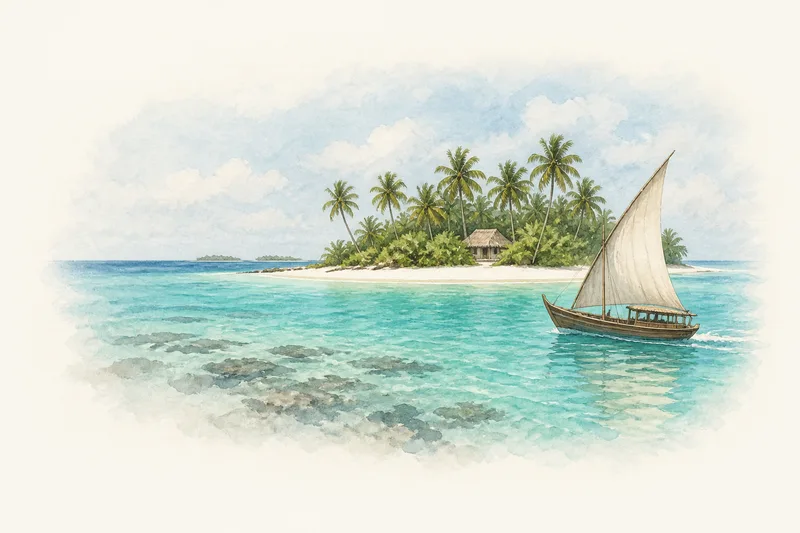
Geography limits land crops and magnifies the sea. Visit Maldives describes 26 atolls and hundreds of inhabited islands whose food grew from available fish, coconut and starches plus skills carried by Indian Ocean settlers and traders. [9][7]
Island variation is documented, not decorative. The official local-food guide names Laamu fish-ball curry, Kulhudhuffushi rice crepes and masbon’di, Baa screwpine sweets and Addu coconut confections. [8]
Tuna and coconut change form across every meal.
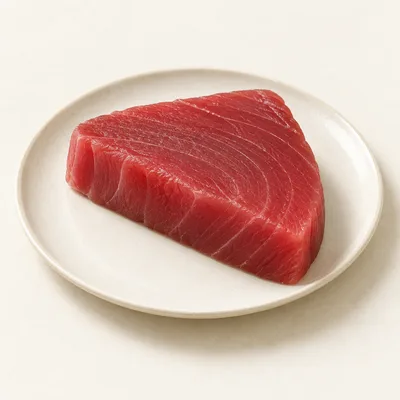 OCEAN STAPLETuna
Fresh, boiled, smoked, dried or reduced to rihaakuru
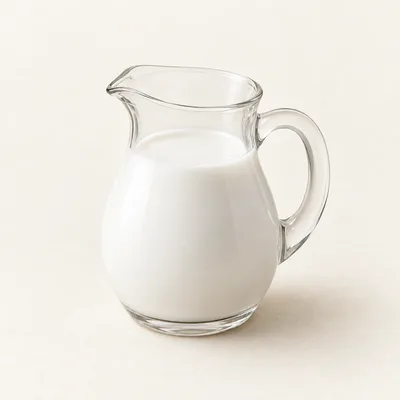 ISLAND CROPCoconut
Grated flesh, milk, oil, sap and toddy sugar
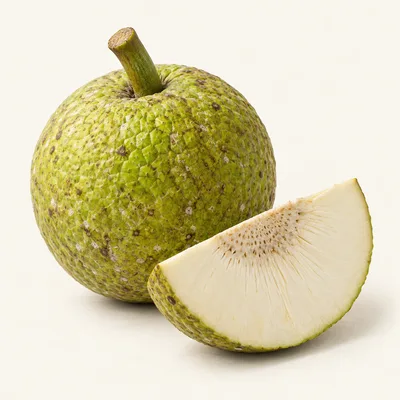 STARCH CROPBreadfruit
Boiled, fried, curried or cooked into sweets
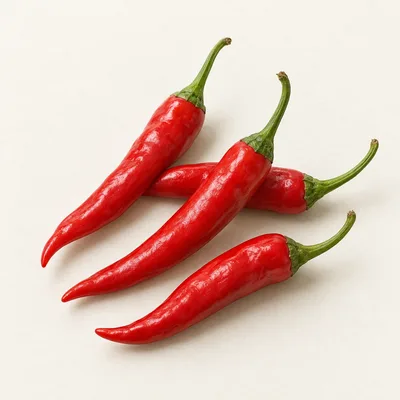 HEATChilli
Fresh or dried in fish mixtures, curries and relishes
Mas huni makes breakfast from preserved ocean knowledge. Flaked tuna is mixed with grated coconut, onion, chilli and lime, then eaten with roshi flatbread rather than treated as a standalone salad. [7]
Hedhikaa are the grammar of the tea shop. Small fried or baked snacks wrap or combine spiced fish, coconut and starch into bajiyaa, gulha, boakibaa and other forms eaten with sweet tea. [7][8]
A resort buffet is not the same experience as an inhabited-island tea shop.
Ask specifically for local dishes at resorts. Resorts often foreground international food and may schedule Maldivian nights, while cafés in Malé and tea shops on inhabited islands serve hedhikaa and everyday fish dishes routinely. [7][8]
Alcohol rules depend on the tourism setting. Alcohol is restricted on inhabited islands but licensed resort islands operate differently; coconut toddy and its non-alcoholic syrups also have local culinary uses. [9][8]
Food-culture sources checked .
A fish-and-rice meal
Garudhiya is recorded as a clear tuna broth, while a traditional meal is described with rice and sides such as lime, chilli and onions. Ask whether the broth is made only with fish and water or includes stock, seasoning or another prepared paste, and whether side dishes are mixed in or served separately.
Curries, coconut and heat
Maldivian food is described as drawing on South Indian traditions and often being hot, spicy and flavoured with coconut. Mas riha is recorded as a tuna curry, while breadfruit curry is another named example. Ask about the curry base, coconut, chilli, fish paste, garnishes and whether a shared sauce is spooned across dishes.
Flatbreads and filled pastries
Roshi and huni roshi are wheat-flour flatbreads; masroshi combines a roshi wrapper with smoked tuna filling. Bajiya, gulha and keemia are recorded with wheat-flour pastry or wrappers and tuna-based fillings. Ask whether the dough contains egg, whether fillings are prepared separately, and whether baking or frying uses shared equipment.
Fried snacks and variation by venue
Hedhikaa snacks are described as commonly fish-based and deep-fried, with kavaabu, kulhi boakibaa and theluli mas among recorded fish examples. Resort restaurants may serve modern European or generic Asian food, while Malé hotaa offer local meals. Treat each recipe and kitchen as specific: ask about oil, batter and seasoning.
Ingredients worth recognising
Start with these ingredients, then follow their names and recorded food connections. Check the recipe and product actually used.
Tuna
Tuna is the defining or principal fish in mas huni, garudhiya and mas riha, and a core filling in several snacks. Ask whether it is fresh, canned or smoked, and whether the recipe adds fish paste, broth or sauce.
Wheat flour
Wheat flour forms the recorded bases or wrappers for roshi, huni roshi, bajiya, gulha, keemia, masroshi and rihaakuru folhi. Ask about flour in pastry, batter, crumbs and shared preparation surfaces, rather than relying on the dish name.
Coconut
Coconut is recorded in the cuisine context and in mas huni’s grated-coconut connection. Ask whether it is grated, used in a curry or included in a prepared mixture, and whether the kitchen adds other ingredients to that mixture.
Egg
Egg is recorded as a common binder in cassava aluvi boakibaa recipes. Ask whether egg is used in the binder, batter or coating, and whether the utensil or cooking surface is also used for other egg-containing foods.
Rihaakuru fish paste
Rihaakuru is a concentrated fermented fish paste and is itself the defining base of rihaakuru. Ask whether it is added to a curry, broth, filling or seasoning mixture, even when the menu description mentions only fish.
Vegetable Oil
The recorded source notes that generic vegetable oil may be soybean oil, but does not specify which oil a kitchen uses. Ask what oil is in the fryer and whether it is shared with battered pastries, fritters or other foods.
How food labelling works
A current, country-specific allergen-labelling summary for Maldives has not yet been verified for this guide. Do not transfer the list of regulated allergens or restaurant disclosure rules from your home country to this one.
Read the complete ingredients on the actual package and keep any local-language sticker with the original label. For imported products, compare the information on that pack rather than a photograph of the brand sold elsewhere. Ask the manufacturer or seller to clarify an unfamiliar term.
For loose food or meals prepared to order, ask who can check the recipe and the labels on bought-in ingredients. Explain every food you avoid, including ingredients outside familiar allergy groups; a short symbol chart may not cover your list.
Language and communication
Prepare a written explanation in Dhivehi, the Maldives’ official and national language, and in English. Dhivehi is written in Thaana, from right to left. Include the exact ingredients and preparations to avoid, not just a dish name, and show the note when ordering.
English is widely used in tourism, but confirmation can vary between resorts and other venues. Use Dhivehi or English to ask staff to check the full recipe, stock, sauce, toppings, oil, water and utensils. Do not assume that other regional languages will be available.
Eating in different settings
Resort restaurant or buffet
Ask the chef or server which dishes contain tuna, fish paste, wheat, egg or coconut, and whether broth or curry sauce is shared. At a buffet, ask whether serving spoons, grills or pans are shared, and request a freshly prepared portion only if the kitchen confirms the ingredients and method.
Malé hotaa
For a local meal, ask whether the rice comes with garudhiya, fish seasoning, curry or a separate sauce. With mas huni, roshi or fish snacks, check every component: tuna type, grated coconut, wheat, chilli, lime, oil and shared utensils.
Fried-snack counter
Before ordering bajiya, gulha, keemia, kavaabu or theluli mas, ask what is in the filling, pastry and batter. Ask whether the fryer oil is shared with wheat-coated or other filled foods, and whether the item is fried on a shared surface.
Packaged-food shop
Read the complete ingredient list rather than trusting a product name or dietary description. Check for tuna, fish paste, wheat flour, egg, coconut and the stated oil, then ask staff or the manufacturer about unclear compound ingredients or preparation wording.
Before you travel
Review your personal plan
Discuss your travel plans with your clinician and keep your prescribed medicines and emergency instructions accessible. Tell companions where these are and how to follow your plan.
Check your medicines before entering Maldives
Medicine rules can differ between the UK and the Maldives, including for medicines prescribed or bought in the UK. Before travel, check current TravelHealthPro best-practice guidance and confirm import or documentation requirements with the relevant Maldivian authority for each medicine.
Make the first meals easier to organise
Contact your accommodation and transport providers in advance. Save your written food list, menu questions and destination address offline. Check entry restrictions before packing backup food, and plan how you will check meals during arrival and onward journeys.
Plan access to medical help
Medical facilities are limited; fully equipped hospitals are in Malé and Hulhumalé. Most resort islands are within reach of a doctor or have their own medical facilities, but many are several hours from emergency treatment. Ask your resort about its medical arrangements, and ask your insurer whether your policy covers local treatment and unexpected medical evacuation.
Emergency resources
For a suspected severe allergic reaction, follow your prescribed emergency plan and seek urgent medical help. Give your exact location clearly.
Ambulance and urgent medical help
Dial 102 and ask for an ambulance.
Explore next
Your allergy in Maldives
Choose a food concern for the country notes and questions relevant to it.
Dishes in Maldives
Follow the ingredients and cuisine connections in individual dish records.
Your own food list
Combine allergy groups and individual ingredients in one guide, with local names where recorded.
Allergy cards
Prepare the information you need to explain your food requirements.
FAQs, sources and review dates
Can I treat plain rice as separate from the fish meal?
Not automatically. Rice may be paired with garudhiya and side dishes, while local recipes may include curry or fish-based accompaniments. Ask whether the rice is cooked separately, whether stock or seasoning is added, and whether serving utensils are shared with fish dishes or sauces.
What should I ask about coconut in mas huni?
The recorded connection describes mas huni as based on flaked tuna, and the culinary context includes grated coconut with onions, chilli and lime. Ask whether coconut is included, whether the mixture is made in a shared bowl, and whether any prepared sauce or seasoning is added.
Is cassava aluvi boakibaa automatically egg-free?
No. The recorded recipe connection says egg is commonly used as a binder in cassava aluvi boakibaa. Ask whether this version uses egg, what else is in the binder, and whether the dish is cooked with shared utensils or on a shared surface.
Sources checked: . This researched draft is awaiting editorial review. Practical questions apply the sources below to local food settings; they do not confirm any individual meal's ingredients or preparation.
Sources & references (10)
- FCDO · Maldives health and medical assistance
Emergency contact details, local healthcare and medicine guidance. UK-specific eligibility does not apply to every visitor.
- Wikivoyage contributors · Maldives
Community-edited culinary context only; not an allergy or medical authority. Brief food-context adaptations, CC BY-SA 4.0: https://creativecommons.org/licenses/by-sa/4.0/. Recipe questions also use PlateSafe’s draft records.
- FARE · Dining out
General recipe and preparation questions, applied here to country-specific food examples.
- FARE · Travelling with food allergies
General preparation, written communication and access to prescribed medicines. Not country-specific import permission.
- PlateSafe · Maldives recorded food connections
Existing draft dish and ingredient records, used as examples to investigate. These are not independently verified recipes or suitability assessments.
- Unicode CLDR · Territory language data
Language suggestions. Regional language needs must be confirmed with the particular food provider.
- Visit Maldives — Maldivian cuisine
- Visit Maldives — Eat like a local
- Visit Maldives — Maldivian side of life
- FAO — Maldives country profile