
BEFORE YOUR FIRST MEAL
Navigating food allergies in Mali
Malian food varies from rice with sauce and peanut-based maafe to millet porridge, grilled fish, fried snacks and northern couscous. Recipes and fillings can change between households and regions. In Bamako and other cities, you may also encounter Chinese, Vietnamese, Italian or Lebanese restaurants. For allergy avoidance, discuss the complete recipe, cooking medium, sauces and shared utensils rather than relying on a dish name.
What to know first
Rice dishes are assembled around sauces
Riz sauce may involve a peanut-based sauce or fish in some versions. Ask which sauce and protein were used, rather than ordering rice without further detail.
Pastry and batter need separate checks
Fataya and pastels commonly use wheat-flour dough, while some beignets de banane batters include egg. Ask about dough, binder and frying oil together.
Explain the whole request before ordering
Use French or Bambara where possible, and show a written explanation of the ingredient to avoid. Ask the cook to confirm sauces, stock, toppings and preparation.
Ask how food is prepared, not just named
Check whether your portion shares oil, water, pans, knives or serving utensils with other foods, especially at roadside tables, counters and kitchens serving several dishes.
Read the complete ingredient list
Read the complete ingredients and allergen information on the actual product. If you avoid a food that is not highlighted, ask the producer or food provider to check it specifically.
Understanding the food
Millet, sorghum, rice, fonio, cowpea, groundnut, okra, baobab leaf, fish and pastoral dairy support Bambara, Fulani, Songhai, Soninke, Dogon, Tuareg and other foodways. Bamako’s rice-and-sauce lunches, Inland Delta fish, northern wheat breads and pastoral milk traditions belong to different ecologies.
Rainfall and the Niger determine which grain anchors the meal.
| Region or community context | Food landscape | Examples to explore |
|---|---|---|
| Bamako & south | Rice, maize, market gardens and national migration | Rice with peanut, tomato, leaf or okra sauces |
| Ségou & Niger irrigation | Rice, millet, vegetables and river trade | Rice dishes, tô, beans and fish sauces |
| Mopti & Inland Delta | Fishing, herding, rice and floodplain exchange | Fresh or dried fish, millet, dairy and rice |
| North & Sahara | Pastoral milk, dates, wheat and caravan histories | Flatbreads, meat, tea, dairy and date foods |
Millet and sorghum remain food-security grains. FAO reports them alongside maize and irrigated rice, with production and prices shaped by rainfall, flooding and insecurity. [7][8]
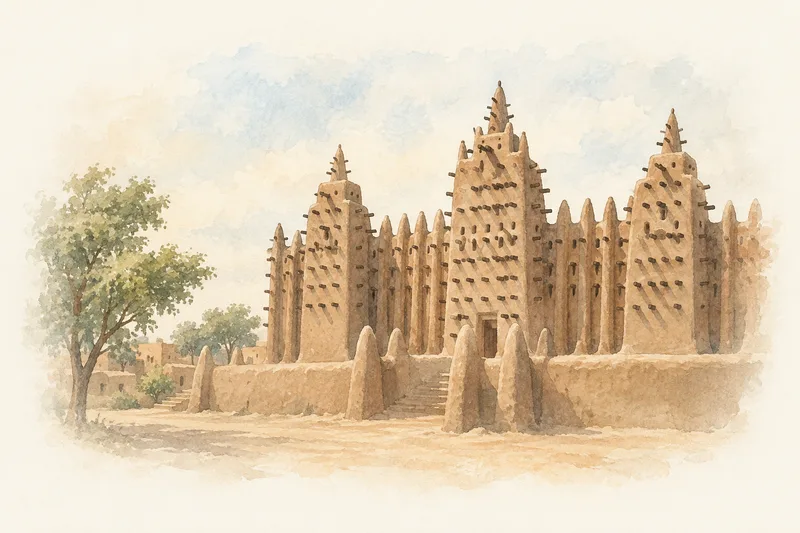
The Inland Delta links farmer, fisher and herder economies. Djenné’s historic trading position helps explain why rice, dried fish, livestock products and Sahelian grains meet in central markets. [9][8]
Grain becomes tô, couscous or rice beneath a changing sauce.
Porridge, tô, couscous and fermented drinks
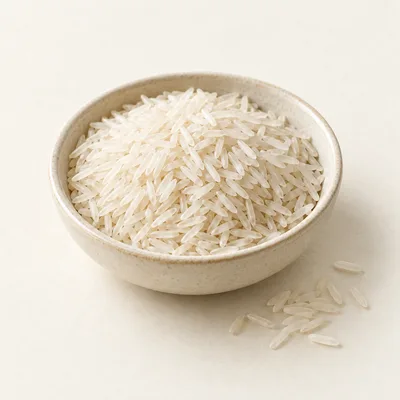 RIVER GRAINRice
Daily plates with leaf, peanut or tomato sauce
Pounded into rich tigadèguèna-style sauces
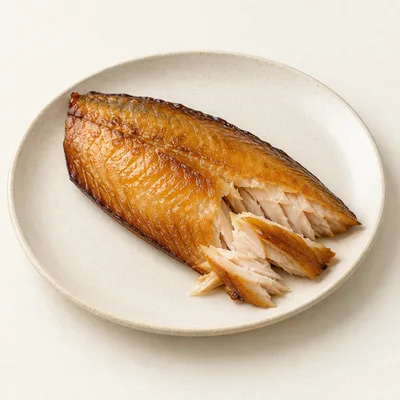 RIVER PROTEINFish
Fresh, smoked or dried through Niger communities
Tô is understood through the sauce beside it. A firm millet, sorghum or maize paste is portioned into okra, baobab-leaf or vegetable sauce; the grain and sauce both vary by place and season. [8][7]
Rice-and-sauce is an urban everyday format. One cooking pot may combine tomato, greens, groundnut, fish or meat, allowing cooks to change the sauce while keeping rice as the familiar centre. [8]
Shared bowls and market kitchens reward attention to community and season.
Eat from the section in front of you. When a meal is shared, the host may distribute meat or fish and indicate how to approach the common bowl; follow that lead rather than reaching across it. [9][10]
Do not turn northern food into a generic desert category. Tuareg, Songhai, Arab and pastoral communities maintain distinct breads, milk practices, tea rituals and preservation methods that deserve specific attribution. [7][10]
Food-culture sources checked .
Rice, sauce and protein
Rice with sauce is described with peanut, tomato, onion, oil, leaf or okra-based sauces; fish or meat may be added. Ask: which sauce is this today, is peanut paste included, and was fish or meat cooked in the same pot? For riz sauce, confirm the sauce separately from the rice, plus stock, garnishes and serving spoon.
Millet, corn and regional breads
To is a gelatinous corn or millet food served with sauce, while bouillie de mil is a millet preparation that may receive dairy toppings. Taguella uses a wheat-flour bread base, and couscous is noted as common in the north. Ask which grain or flour was used and what is added after cooking.
Fried, grilled and filled foods
Street and restaurant examples include omelet sandwiches, fried rice, potatoes, chicken, meatballs, beef kebabs and fish. Fataya and pastels are wheat-flour pastries with fish among recorded filling variations; dibi is grilled and may come with mustard. Ask about the filling, marinade, condiment, frying oil and shared grill or fryer.
Ingredients worth recognising
Start with these ingredients, then follow their names and recorded food connections. Check the recipe and product actually used.
Wheat flour
Wheat flour forms the dough for fataya and pastels, and is the customary base for taguella; it also forms the batter or dough of beignets de banane. Ask whether the recipe uses wheat flour and whether flour dust or shared equipment is involved.
Egg
Some beignets de banane batters include egg, while omelet sandwiches are another recorded food example. Ask whether egg is in the batter or filling, and whether the same pan, oil or utensils are used for other orders.
Peanut
Peanuts are characteristic of djouka, and peanut paste defines maafe; peanut-based sauces are also a recognised variation of riz sauce. Ask whether peanut or peanut paste is in the sauce, garnish or cooking mixture, and whether it was added separately.
Fish
Fish may fill fataya and pastels, and appears in some versions of fakoye, lafidi, sauce gombo and riz sauce. Grilled capitaine uses a freshwater fish as its main protein. Ask which fish was used and whether fish stock or shared utensils are involved.
Yogurt
Yogurt is a core ingredient in dèguè, and bouillie de mil may be served with milk or dairy toppings. Ask whether the dairy is mixed through the dish or added on top, and whether the stated product is yogurt, cow milk or both.
Mustard Paste
Mustard is a common condiment served with grilled dibi. Ask whether mustard paste is included in the marinade, brushed on during grilling or served separately, and request confirmation of every sauce or relish placed beside the meat.
How food labelling works
A current, country-specific allergen-labelling summary for Mali has not yet been verified for this guide. Do not transfer the list of regulated allergens or restaurant disclosure rules from your home country to this one.
Read the complete ingredients on the actual package and keep any local-language sticker with the original label. For imported products, compare the information on that pack rather than a photograph of the brand sold elsewhere. Ask the manufacturer or seller to clarify an unfamiliar term.
For loose food or meals prepared to order, ask who can check the recipe and the labels on bought-in ingredients. Explain every food you avoid, including ingredients outside familiar allergy groups; a short symbol chart may not cover your list.
Language and communication
Prepare a written explanation in French and Bambara, naming the ingredient to avoid and asking for confirmation of the complete recipe. Use the names as recognition aids, not as a substitute for checking the cooking process, sauces and accompaniments.
French remains a communication language between ethnic groups, while Bambara is widely spoken; other regional languages include Peulh/Fula, Dogon and Tamashek. Language use varies by region, so ask for confirmation in the language understood by the cook or seller.
Eating in different settings
Roadside table or transport centre
For rice, sauces, fried foods or kebabs, ask which pot, oil and serving utensils were used. Ask whether peanut sauce, fish, mustard or egg was added, and whether your food can be served without the requested ingredient rather than assuming a plain portion is separate.
Malian restaurant
When ordering maafe, riz sauce, dibi or grilled capitaine, ask for the full recipe, marinade, stock, sauce and garnish. Confirm whether the grill, pan or spoon is shared, and whether a condiment such as mustard arrives automatically or can be left off.
Bakery or snack counter
For beignets de banane, fataya, pastels or fried doughs, ask about wheat flour, egg and the filling. Ask what else is fried in the oil, whether the pastry is made on shared surfaces and whether fish filling is mixed into the batch.
Market or packaged-food shop
For peanuts, sesame sticks, little cakes, frozen juices or other packaged snacks, inspect the complete ingredient list. Ask about unfamiliar terms, added milk or flour, and whether the item is sold from a shared container rather than its original packaging.
Before you travel
Review your personal plan
Discuss your travel plans with your clinician and keep your prescribed medicines and emergency instructions accessible. Tell companions where these are and how to follow your plan.
Check your medicines before entering Mali
Pharmacies are readily identifiable in Bamako, but medicines prescribed or bought in the UK may have different legal status or regulation in Mali. Before travel, check TravelHealthPro guidance and confirm import or documentation requirements with the relevant authority for each medicine.
Make the first meals easier to organise
Contact your accommodation and transport providers in advance. Save your written food list, menu questions and destination address offline. Check entry restrictions before packing backup food, and plan how you will check meals during arrival and onward journeys.
Plan access to medical help
Medical facilities in Mali are very limited. Arrange adequate travel health insurance and accessible funds for treatment abroad and possible repatriation. Check the FCDO list of medical providers in Mali, including any regional limits and whether the provider’s staff meet your communication needs.
Emergency resources
For a suspected severe allergic reaction, follow your prescribed emergency plan and seek urgent medical help. Give your exact location clearly.
Ambulance and urgent medical help
The emergency contact is 15, but response resources are very limited. Seek local help identifying a medical facility and arranging transport when urgent assistance is needed.
Explore next
Your allergy in Mali
Choose a food concern for the country notes and questions relevant to it.
Dishes in Mali
Follow the ingredients and cuisine connections in individual dish records.
Your own food list
Combine allergy groups and individual ingredients in one guide, with local names where recorded.
Allergy cards
Prepare the information you need to explain your food requirements.
FAQs, sources and review dates
Could a dish described as ‘sauce gombo’ contain more than okra?
Yes, the recorded example commonly adds fish, so ask what protein, stock, oil and seasonings are in today’s sauce. Confirm whether the okra sauce was cooked in a shared pot and whether a separate serving uses the same ladle.
How should I check a bowl of dèguè or bouillie de mil?
Ask whether yogurt, cow milk or another dairy topping was mixed into the dish or added at serving. Confirm the complete preparation and the spoon or bowl used, especially if the counter serves several porridges or chilled foods.
Is plain grilled capitaine automatically suitable?
No dish name gives the complete recipe. Ask whether the fish was marinated, what oil or seasoning was used, whether mustard was added, and whether the grill and utensils are shared with meat or other fish.
Sources checked: . This researched draft is awaiting editorial review. Practical questions apply the sources below to local food settings; they do not confirm any individual meal's ingredients or preparation.
Sources & references (10)
- FCDO · Mali health and medical assistance
Emergency contact details, local healthcare and medicine guidance. UK-specific eligibility does not apply to every visitor.
- Wikivoyage contributors · Mali
Community-edited culinary context only; not an allergy or medical authority. Brief food-context adaptations, CC BY-SA 4.0: https://creativecommons.org/licenses/by-sa/4.0/. Recipe questions also use PlateSafe’s draft records.
- FARE · Dining out
General recipe and preparation questions, applied here to country-specific food examples.
- FARE · Travelling with food allergies
General preparation, written communication and access to prescribed medicines. Not country-specific import permission.
- PlateSafe · Mali recorded food connections
Existing draft dish and ingredient records, used as examples to investigate. These are not independently verified recipes or suitability assessments.
- Unicode CLDR · Territory language data
Language suggestions. Regional language needs must be confirmed with the particular food provider.
- FAO GIEWS — Mali country brief
- FAO — Review of food and agricultural policies in Mali
- UNESCO World Heritage Centre — Old Towns of Djenné
- UNESCO World Heritage Centre — Cliff of Bandiagara