
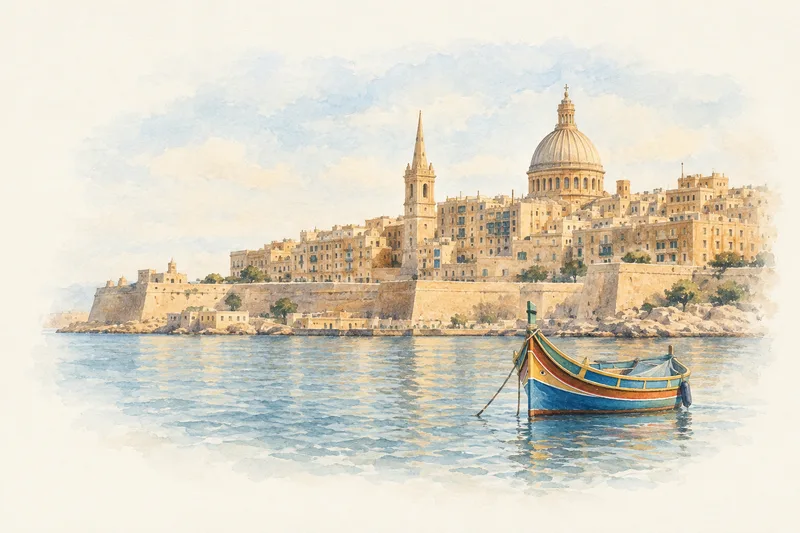
BEFORE YOUR FIRST MEAL
Navigating food allergies in Malta
Maltese food combines humble vegetable soups, fish, rabbit, filled pastries and bread-based dishes, with Italian influence visible in pasta and baked recipes. A familiar name can cover different fillings or methods: pastizzi may be ricotta-filled, while ftira and ħobż biż-żejt can carry several toppings. Ask about the complete recipe, cooking liquids, garnishes and preparation surfaces before ordering.
What to know first
Rabbit dishes have stages
Fenkata may begin with spaghetti in rabbit sauce before stewed or fried rabbit. Ask about both courses, including wine, gravy, stock and any shared serving utensils.
Pastry names do not settle ingredients
Pastizzi, qassatat, kannoli and figolli involve pastry or dough, but fillings and enrichments differ. Check wheat, egg, milk, nuts and the exact filling separately.
Explain the whole concern
In Maltese or English, give staff a written explanation of the food you avoid, then ask them to confirm the recipe, sauces, toppings and preparation rather than relying on a dish name.
Ask about the cooking process
For fried fritters, pastries or vegetables, ask what oil, utensils and cooking water are used, and whether the same equipment handles other dishes or coatings.
Read the complete label
EU food-information rules cover 14 allergen categories; on prepacked food, relevant allergens must stand out in the ingredients list. Check the full list, not only a short allergen key.
Understanding the food
Wheat bread, tomatoes, olives, capers, sheep and goat cheese, rabbit, pork, lampuki, citrus and honey carry Sicilian, Arab, North African and British connections. Malta and Gozo share a pantry but not always the same breads, cheeses, rural rhythms or feast specialities.
Harbour city, village bakery and Gozitan farm reveal different scales.
| Region or setting | Food landscape | Examples to explore |
|---|---|---|
| Valletta & harbour towns | Bakeries, fish markets, cafés and layered port history | Pastizzi, timpana, seafood and contemporary Maltese dining |
| Central & southern Malta | Dry farming, tomatoes, olives, rabbit and village feasts | Stuffat tal-fenek, bigilla, bread and seasonal sweets |
| Northern coast | Fishing, salt pans, tourism and market gardens | Lampuki, octopus, capers and tomato preserves |
| Gozo | Small farms, sheep or goat dairy and its own ftira tradition | Gbejniet, Gozitan ftira, ravioli and farm products |
Official tourism sources place Maltese cooking between Sicily and North Africa. That exchange is visible in pasta, pastry, citrus, spice and bread, but local ingredients and feast customs make the result more than borrowed cuisine. [9][10]
Ftira is recognised as a living craft. UNESCO records the ring-shaped sourdough bread and the knowledge of bakers and eaters who fill, share and adapt it across everyday life. [11]
Salt, acidity and pastry concentrate the island pantry.
Crusty loaves, ftira and plates moistened with tomato
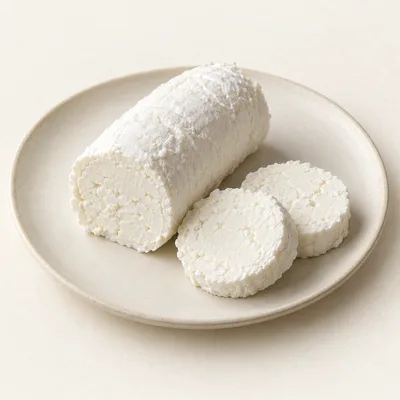 FRESH CHEESEĠbejna
Fresh, dried or peppered sheep and goat cheese
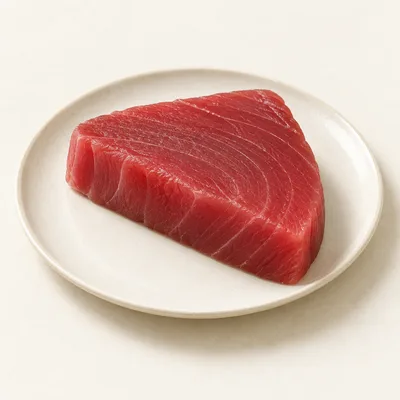 SEASONAL FISHLampuki
Fried, baked, stewed or enclosed in pie
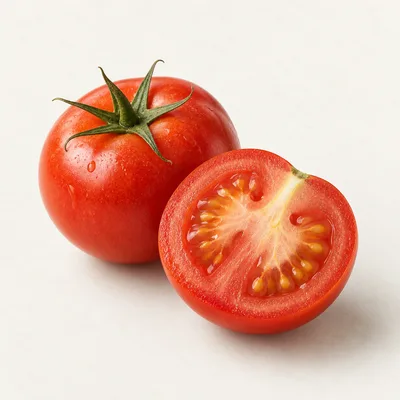 PRESERVED FRUITTomato
Kunserva paste, sauces, soups and bread topping
Pastizzi are a snack with two classic centres. Flaky pastry is most often filled with ricotta or curried peas, sold hot from specialist shops and eaten throughout the day. [9]
Rabbit is both stew and social meal. Fenkata commonly extends from spaghetti with rabbit sauce to fried or braised rabbit, potatoes and wine, making the occasion larger than one plate. [8][9]
Bakery, każin, fish restaurant and farmhouse each reveal a different Malta.
Village feasts change the street-food landscape. Seasonal religious festas bring sweets, savoury snacks, drinks and temporary stalls into public space alongside household celebration foods. [8][10]
Gozo should be named, not used as a rustic adjective. Gozitan ftira, cheeses and farm products belong to a specific island economy and community; identify origin where producers do. [9][11]
Food-culture sources checked .
Rabbit meals and sauces
Fenkata is a celebratory rabbit meal: spaghetti in rabbit sauce can precede rabbit that is stewed or fried, with or without gravy. Some versions of stuffat tal-fenek are associated with wine. Ask whether the sauce, marinade and gravy are separate, whether stock is used, and whether the first course and main course share serving tools.
Pastries, bread and filled dough
Pastizzi are widely encountered savoury pastries, while qassatat may have ricotta or anchovy fillings. Maltese bread dishes include ħobż biż-żejt and ftira, with toppings such as tuna, olives, sun-dried tomatoes and capers; Gozitan ftira examples include anchovies. Confirm the dough, filling, spread, topping and any oil used for finishing.
Soups, pasta and baked dishes
Soppa tal-armla can be a coarse mash of seasonal vegetables in a thick tomato stock, and some versions include fresh cheese or egg. Minestra can contain wheat-based pasta. Imqarrun il-forn, timpana and ross il-forn are baked examples where egg, cheese, butter or wheat components may vary by recipe.
Fish, vegetables and regional variation
Malta’s cooking is fish- and vegetable-based, while lampuki may be fried and served with tomato and caper sauce. Aljotta centres on fish, and Gozitan ftira may have an anchovy filling. Ask whether fish stock, a named fish, wine or a particular topping is included in the version served.
Ingredients worth recognising
Start with these ingredients, then follow their names and recorded food connections. Check the recipe and product actually used.
Wheat flour
Wheat flour forms the pastry or dough in imqaret, qassatat, figolli and Gozitan ftira, and is used in many recorded breads and pastries. Check the flour, crumbs, batter and any wheat-based coating separately.
Ricotta
Ricotta is a standard pastizzi option and a common filling for qassatat; it also appears in ravjul tal-irkotta and kannoli. Ask whether the filling is ricotta, what else is mixed into it, and whether the pastry contains egg or butter.
Egg
Egg is recorded in bragioli filling, fritter batter, baked pasta, ravioli dough and several cakes or pastries. Ask whether it is in the dough, binder, filling, glaze or icing, rather than assuming it belongs only to sweet dishes.
Tuna
Tuna is a customary topping for ħobż biż-żejt, alongside possible anchovy, olives, tomatoes and capers. Ask which fish is used, whether the topping is mixed with a spread or sauce, and whether the bread is prepared on a surface also used for other toppings.
Tahini
Tahini is the defining sesame paste in helwa tat-Tork, while sesame also appears in recorded sweet and biscuit examples. Ask whether tahini, sesame seeds or a sesame-containing garnish is present, and whether the same spoon or container is used for other sweets.
Dry White Wine
Wine is recorded in some versions of rabbit and octopus stews, and white wine may occur in bebbux. Ask whether wine is in the marinade, braising liquid or sauce, and whether the kitchen can identify the exact wine used in that recipe.
How food labelling works
EU food-information rules cover 14 allergen categories used as ingredients. On prepacked food, these must stand out in the ingredients list. The categories include gluten-containing cereals, crustaceans, eggs, fish, peanuts, soybeans, milk, specified nuts, celery, mustard, sesame, sulphites above the stated threshold, lupin and molluscs.
Allergen information is also required for food sold without prepacking, including restaurant meals. Ask how to obtain the information for the exact order. National arrangements affect how it is supplied; an ingredient declaration does not by itself describe shared equipment or handling.
If you avoid a food outside those categories, read the complete ingredients and name that food when speaking to staff. A short allergen key cannot answer every ingredient-specific question.
Language and communication
Maltese and English are Malta’s official languages. Prepare a written explanation in Maltese and English describing the food you avoid, including whether the concern applies to ingredients, sauces, crumbs, shared oil or utensils. Ask staff to read it and confirm the complete order in writing where practical.
Italian is widely understood and spoken, and Italian influence is visible in pasta and baked dishes, but recognition of a food name is not confirmation of its recipe. If using Italian, still ask for staff confirmation of regional or restaurant-specific variations and preparation details.
Eating in different settings
Pastizzi or pastry counter
For pastizzi, qassatat, imqaret or figolli, ask which filling is inside and whether the pastry includes wheat, egg, butter or nuts. Ask whether savoury and sweet items use shared trays, tongs or preparation surfaces, and request the ingredient information for the exact item.
Bakery or bread shop
When ordering ħobż biż-żejt or ftira, ask what the bread dough contains and list each topping separately: tuna, anchovy, olives, tomatoes, capers or arjoli. Ask whether toppings are added with shared knives, boards or spoons and whether oil is flavoured or mixed.
Restaurant serving fenkata
Ask the restaurant to describe both the spaghetti course and rabbit course before ordering. Check the rabbit marinade, sauce, gravy, stock and frying method, then ask whether pasta water, pans or serving utensils are shared with other dishes.
Packaged-food shop
For biscuits, chocolate, candied fruit, bread or prepared pastries, read the complete ingredient list and highlighted allergen information. Ask about a named ingredient outside common allergen categories as well, and do not treat a product name or a short allergen key as a full recipe.
Before you travel
Review your personal plan
Discuss your travel plans with your clinician and keep your prescribed medicines and emergency instructions accessible. Tell companions where these are and how to follow your plan.
Check your medicines before entering Malta
UK prescriptions are not recognised in Malta. Before travelling, ask a Maltese medical practitioner or pharmacist about the medicine’s local equivalent and whether a local prescription or assessment is needed. A Maltese pharmacist may issue a prescription from an EU member state if the prescriber’s licence can be confirmed.
Make the first meals easier to organise
Contact your accommodation and transport providers in advance. Save your written food list, menu questions and destination address offline. Check entry restrictions before packing backup food, and plan how you will check meals during arrival and onward journeys.
Plan access to medical help
For medically necessary state healthcare, check whether you qualify for and carry a GHIC or EHIC; these do not replace travel insurance and may not cover private care, non-urgent treatment or repatriation. Check current eligibility and cover with the NHS or insurer, and use the FCDO provider information when arranging care.
Emergency resources
For a suspected severe allergic reaction, follow your prescribed emergency plan and seek urgent medical help. Give your exact location clearly.
Ambulance and urgent medical help
Dial 112 and ask for an ambulance.
Explore next
Your allergy in Malta
Choose a food concern for the country notes and questions relevant to it.
Dishes in Malta
Follow the ingredients and cuisine connections in individual dish records.
Your own food list
Combine allergy groups and individual ingredients in one guide, with local names where recorded.
Allergy cards
Prepare the information you need to explain your food requirements.
FAQs, sources and review dates
Could a Maltese bread dish contain more than bread and oil?
Yes. Ħobż biż-żejt can include tomato paste with olives, tuna, sun-dried tomatoes and capers, with optional arjoli; ftira may have anchovy in Gozitan examples. Ask for every topping, spread and finishing oil, not just the bread name.
What should I ask about a fish soup or stew?
For aljotta, ask which fish is used and whether the broth contains seafood stock or other fish ingredients. For stuffat tal-qarnit, ask about wine in the braising liquid. Confirm the sauce, garnish and serving utensils for the exact preparation.
How do I check an ingredient outside common allergy groups, such as olives?
Name the ingredient directly and ask whether it is present in the dish, garnish, sauce or packaged product. Olives may be cured or processed with sulphites in some formulations, so check the complete recipe or label rather than relying on the dish description.
Sources checked: . This researched draft is awaiting editorial review. Practical questions apply the sources below to local food settings; they do not confirm any individual meal's ingredients or preparation.
Sources & references (11)
- FCDO · Malta health and medical assistance
Emergency contact details, local healthcare and medicine guidance. UK-specific eligibility does not apply to every visitor.
- Wikivoyage contributors · Malta
Community-edited culinary context only; not an allergy or medical authority. Brief food-context adaptations, CC BY-SA 4.0: https://creativecommons.org/licenses/by-sa/4.0/. Recipe questions also use PlateSafe’s draft records.
- FARE · Dining out
General recipe and preparation questions, applied here to country-specific food examples.
- FARE · Travelling with food allergies
General preparation, written communication and access to prescribed medicines. Not country-specific import permission.
- PlateSafe · Malta recorded food connections
Existing draft dish and ingredient records, used as examples to investigate. These are not independently verified recipes or suitability assessments.
- Unicode CLDR · Territory language data
Language suggestions. Regional language needs must be confirmed with the particular food provider.
- European Commission · Allergen information
Scoped allergen-labelling summary. Does not establish an individual meal’s ingredients or preparation.
- Visit Malta — Gastronomy
- Visit Malta — Our delicacies
- Visit Malta — Experience taste
- UNESCO Intangible Heritage — Il-Ftira