

BEFORE YOUR FIRST MEAL
Navigating food allergies in Mauritius
Mauritian food brings together French, Indian, Chinese and Eastern African influences, so a familiar dish name may cover different preparations. Rice, farata, dholl puri, lentils, vegetables, pickles, seafood and richly seasoned sauces appear across the island’s food culture. For allergy-aware travel, ask how each dish is made, what is added at the end, and whether utensils, oil or cooking water are shared.
What to know first
Rice, breads and noodles vary
Meals may centre on rice, wheat-based farata or dholl puri, while mine bouillie and mine frit use wheat noodles. Confirm the exact base before ordering.
Sauces can change the dish
Bol renversé and mine frit may include soy sauce, while rougaille is tomato-and-onion based. Ask about stock, bottled sauces, marinades and finishing seasonings.
Explain the whole concern
Give a written explanation in French, English or Mauritian Creole, then ask staff to confirm every component, including toppings, garnishes and accompaniments.
Ask about shared preparation
For street snacks, fried foods and restaurant dishes, check whether the same oil, pan, water, board or utensils are used for other foods.
Read the complete list
For packaged foods, read the full ingredient list rather than relying on a dish name or dietary description. The available notes do not establish a national labelling rule.
Understanding the food
Rice, wheat noodles, pulses, seafood, tomato, chilli, coconut, tropical fruit and pickles move through markets and family tables shaped by slavery, indenture, migration and trade. Port Louis street food, Tamil and Bhojpuri traditions, Sino-Mauritian dishes, Muslim tables, Creole cooking and outer-island food remain distinct within the whole.
Market, plantation belt and outer island hold different migration histories.
| Region or community context | Food landscape | Examples to explore |
|---|---|---|
| Port Louis | Central market, harbour migration and street-food exchange | Dholl puri, boulettes, mine frire and gato piment |
| Central plateau | Dense towns, tea, bakeries and multicultural family cooking | Biryani, curries, noodles, pickles and pastries |
| Coast & fishing villages | Lagoon fish, octopus, coconut and tourism | Fish vindaye, octopus curry, rougaille and grilled seafood |
| Rodrigues | Drier outer-island farming, seafood and preserves | Octopus, red beans, maize, chilli paste and fruit pickles |
The island’s food cannot be separated from migration. UNESCO’s Aapravasi Ghat records the arrival of indentured labourers whose descendants helped shape today’s Indo-Mauritian foodways alongside earlier Creole and later Chinese communities. [9][8]
Sugar land did not produce a single plantation cuisine. Agriculture, fishing and imported staples developed differently across communities and islands; official sources present food as a shared but plural national culture. [7][10]
Chilli, pickle and sourness cut through fried dough, rice and sauce.
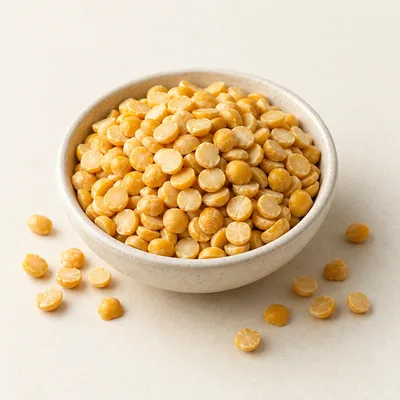 PULSESplit pea
Ground into dholl puri and simmered in curries
Flatbreads, noodles, fritters and bakery foods
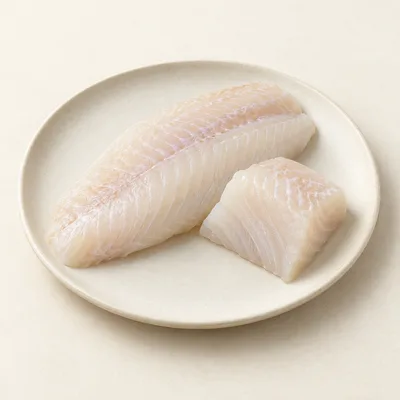 COASTAL PROTEINFish
Curried, fried, grilled or preserved as vindaye
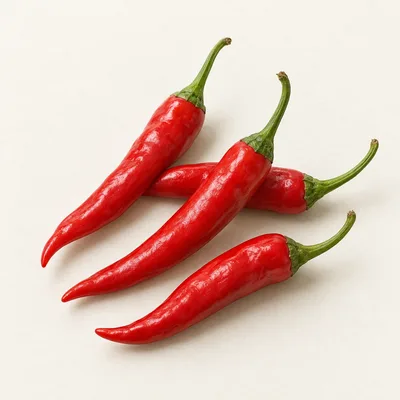 SHARP RELISHChilli
Fresh, pickled or pounded beside most savoury foods
Dholl puri is assembled, not eaten bare. A thin split-pea flatbread is folded around bean curry, rougaille, chutney and pickle, with the vendor balancing heat and moisture to order. [8]
Rougaille is a flexible tomato technique. Tomato, onion, thyme and chilli may surround sausage, fish, egg or salted ingredients; its identity comes from the sauce structure rather than one protein. [8][7]
Street stalls and family-run tables show the island’s culinary fluency.
One meal may cross several community traditions. A plate can combine flatbread, Chinese-style dumplings, Creole pickle and Indian Ocean curry without making those histories interchangeable. [8][9]
Rodrigues deserves its own name. Its octopus, beans, maize, honey and preserved fruit reflect a smaller, drier island economy rather than a picturesque version of mainland Mauritius. [7][10]
Food-culture sources checked .
Rice, roti and lentil-based meals
Depending on the region or recipe, rice or wheat-based flat bread may accompany curries. Farata is described as a local name for paratha, while dholl puri uses wheat dough and is associated with lentils. Ask whether the bread is made from wheat flour, what is in the dal, and whether pickles, vegetables or beans are served separately. A plate’s accompaniments may matter as much as its main curry.
Curries, stews and tomato sauces
Possible examples include cari poisson, daube de poisson, vindaye poisson and rougaille poisson, all associated with fish. Vindaye uses mustard seed as a core seasoning, while rougaille is tomato-and-onion based and may be made with meat or seafood. Ask which protein is present, what stock or marinade is used, and whether a sauce is added before serving.
Street snacks and fried foods
Street snacks include gateaux piments, vegetable or meat samosas and octopus curry in bread. The recorded samosa example uses a wheat-flour wrapper, while boulettes may use wheat flour as a binder or wrapper. Ask what is inside the filling, whether batter or flour is used, and whether the frying oil is shared with other snacks.
Chinese-influenced noodles and layered dishes
Mine bouillie is a soup with wheat noodles; mine frit is based on wheat noodles and may include egg, fish or soy sauce. Bol renversé is linked with a fried egg, possible fish and soy sauce. Mauritian briani is associated with spiced rice, meat, potatoes and yoghurt in the recorded example. Confirm each version rather than assuming a standard recipe.
Ingredients worth recognising
Start with these ingredients, then follow their names and recorded food connections. Check the recipe and product actually used.
Wheat flour
Wheat flour forms the dough or wrapper in dholl puri, farata and Mauritian samosas, and may bind boulettes. Ask whether it is present in pastry, dumpling skins, bread, batter or a thickener. Check the complete recipe, not just the filling.
Egg
Egg may top bol renversé and mine dishes, bind fish dumplings, or appear in banana tart, gâteau coco and custard pastries. Ask whether it is fried separately, mixed into batter, brushed onto pastry or included in a filling.
Fish
Fish is recorded in cari poisson, daube de poisson, rougaille poisson, vindaye poisson, boulettes poisson and kat kat manioc. Ask which fish or seafood is used, whether fish stock is added, and whether the same pan or oil is used.
Mustard Seed
Mustard seed is a common seasoning in achard de légumes and a core seasoning in vindaye poisson. Ask whether whole or ground mustard is included in the pickle, marinade or spice mixture, and whether a prepared sauce or paste is also used.
Cow Milk
Cow milk or a milk-derived ingredient is recorded in alouda, and in the filling or pastry of puits d’amour. Butter and yoghurt also occur in recorded Mauritian pastries and briani. Ask about milk, butter, yoghurt, custard and powdered dairy additions.
Soy Sauce
Soy sauce is a common seasoning or variation in bol renversé, boulettes vapeur, mine bouillie and mine frit. Ask whether it is in the cooking liquid, filling, topping or dipping sauce, and request the bottle or complete ingredient list where possible.
How food labelling works
A current, country-specific allergen-labelling summary for Mauritius has not yet been verified for this guide. Do not transfer the list of regulated allergens or restaurant disclosure rules from your home country to this one.
Read the complete ingredients on the actual package and keep any local-language sticker with the original label. For imported products, compare the information on that pack rather than a photograph of the brand sold elsewhere. Ask the manufacturer or seller to clarify an unfamiliar term.
For loose food or meals prepared to order, ask who can check the recipe and the labels on bought-in ingredients. Explain every food you avoid, including ingredients outside familiar allergy groups; a short symbol chart may not cover your list.
Language and communication
Write your explanation first in French, which is widely used in professional and formal settings, and also provide it in English, the country’s official language. Ask staff to read it fully and confirm the response in writing where possible. Use dish names only as recognition aids, not as the allergy request itself.
Mauritian Creole is widely used in conversation and is French-based, while French is generally understood. A written explanation can therefore include French and Mauritian Creole, with English alongside them when useful. Regional or community language use may vary; ask the particular cook or server to confirm the complete recipe, sauces and preparation method.
Eating in different settings
Street-snack counter
For gateaux piments, samosas or boulettes, ask what flour, batter and filling are used. Check whether the same oil, tongs, tray or preparation surface handles fish, egg, wheat-based wrappers and other snacks. For octopus curry in bread, confirm both the bread and curry ingredients.
Bakery or sweet counter
For banana tart, gâteau coco, gâteau patate, Napolitain or puits d’amour, ask about wheat flour, egg, butter, milk and custard. Confirm whether products are made on shared trays or cut with shared utensils, and request the complete recipe or packaged ingredient list.
Restaurant serving rice or curry
When ordering briani, cari poisson, vindaye or rougaille, ask what protein is used and whether stock, yoghurt, mustard, wine or bottled sauce is added. Confirm whether rice, curry, pickles and bread are cooked or served with shared utensils.
Noodle or Chinese-influenced meal
For mine frit, mine bouillie, bol renversé or boulettes vapeur, ask about wheat noodles or wrappers, egg, fish and soy sauce. Check the soup, stir-fry sauce, topping and cooking pan separately, including whether cooking water or oil is shared.
Before you travel
Review your personal plan
Discuss your travel plans with your clinician and keep your prescribed medicines and emergency instructions accessible. Tell companions where these are and how to follow your plan.
Check your medicines before entering Mauritius
Common medicines for personal use require a copy of the prescription. Tranquillisers, hypnotics, narcotics and other strong painkillers require prior authorisation. Check requirements with Mauritius’s Ministry of Health and Wellness or the Mauritius High Commission in the UK before travel.
Make the first meals easier to organise
Contact your accommodation and transport providers in advance. Save your written food list, menu questions and destination address offline. Check entry restrictions before packing backup food, and plan how you will check meals during arrival and onward journeys.
Plan access to medical help
Private healthcare is available in Mauritius but may be expensive, and complex cases may require evacuation to Réunion or South Africa. Ask your insurer what local treatment and repatriation your policy covers, and whether you need accessible funds or any arrangements before departure.
Emergency resources
For a suspected severe allergic reaction, follow your prescribed emergency plan and seek urgent medical help. Give your exact location clearly.
Ambulance and urgent medical help
Call 999 or 114 and ask for an ambulance.
Explore next
Your allergy in Mauritius
Choose a food concern for the country notes and questions relevant to it.
Dishes in Mauritius
Follow the ingredients and cuisine connections in individual dish records.
Your own food list
Combine allergy groups and individual ingredients in one guide, with local names where recorded.
Allergy cards
Prepare the information you need to explain your food requirements.
FAQs, sources and review dates
Could a vegetarian-sounding dish still need checking?
Yes. Achard de légumes is a vegetable pickle, but mustard seed is a recorded common seasoning. Ask about the pickle, oil, vinegar, spice mixture and any prepared dressing rather than assuming the vegetable description covers every ingredient.
What should I ask about a mixed noodle dish?
For mine frit or mine bouillie, ask whether the noodles are wheat-based, whether egg or fish is included, and whether soy sauce or stock is used. Then ask if the same wok, ladle, oil or cooking water is used for other dishes.
How should I check an ingredient outside common allergy groups, such as coconut?
Ask specifically whether coconut is in the recipe, filling, topping or drink, and whether coconut milk or desiccated coconut is used. For gâteau coco or another sweet, request the complete recipe rather than inferring ingredients from the name.
Sources checked: . This researched draft is awaiting editorial review. Practical questions apply the sources below to local food settings; they do not confirm any individual meal's ingredients or preparation.
Sources & references (10)
- FCDO · Mauritius health and medical assistance
Emergency contact details, local healthcare and medicine guidance. UK-specific eligibility does not apply to every visitor.
- Wikivoyage contributors · Mauritius
Community-edited culinary context only; not an allergy or medical authority. Brief food-context adaptations, CC BY-SA 4.0: https://creativecommons.org/licenses/by-sa/4.0/. Recipe questions also use PlateSafe’s draft records.
- FARE · Dining out
General recipe and preparation questions, applied here to country-specific food examples.
- FARE · Travelling with food allergies
General preparation, written communication and access to prescribed medicines. Not country-specific import permission.
- PlateSafe · Mauritius recorded food connections
Existing draft dish and ingredient records, used as examples to investigate. These are not independently verified recipes or suitability assessments.
- Unicode CLDR · Territory language data
Language suggestions. Regional language needs must be confirmed with the particular food provider.
- Mauritius Now — Official tourism portal
- Mauritius Now — Mauritian food
- UNESCO World Heritage Centre — Aapravasi Ghat
- FAO — Mauritius country profile