

BEFORE YOUR FIRST MEAL
Navigating food allergies in Moldova
Moldovan food can vary considerably, from simple cornmeal-based servings, filled pastries, soups and minced-meat dishes to festive enriched doughs. Examples often use wheat, egg and dairy, but a named dish may be prepared differently in each kitchen. Treat mămăligă, plăcintă, sarmale and other familiar names as starting points: ask about the complete recipe, accompaniments and preparation.
What to know first
Expect component dishes
Mămăligă may arrive with butter or cheese, while sarmale may have sour cream alongside. Ask whether these are included, optional, or added after cooking.
Pastry names hide variation
Plăcintă, colțunași and îngvârtită can involve wheat dough, cheese, walnuts or egg. Confirm the exact filling, dough and finishing ingredients before ordering.
Explain the whole concern
In Romanian, give a written explanation of the ingredient you avoid and ask staff to check the complete recipe, including stock, sauce, garnish and accompaniments.
Ask about preparation
Check whether your food shares oil, water, boards, pans or utensils with breaded mixtures, pastry, egg-bound meatballs or other dishes containing the ingredient.
Read every complete list
Read the complete ingredients and allergen information on the actual product. If you avoid a food that is not highlighted, ask the producer or food provider to check it specifically.
Understanding the food
Maize, wheat, sunflower, grapes, orchard fruit, peppers, tomatoes, cabbage, pork and sheep cheese carry Romanian, Ukrainian, Gagauz, Bulgarian, Jewish and Russian influences. Northern, central and southern regions—and autonomous Gagauzia—make familiar foods in different shapes and proportions.
Orchards, vineyards and ethnic communities change the same household dishes.
| Region or community context | Food landscape | Examples to explore |
|---|---|---|
| Central Moldova & Codru | Vineyards, walnuts, orchards and Chișinău markets | Plăcinte, zeamă, sarmale and winery meals |
| North | Cooler hills, fruit, dairy and Ukrainian links | Soups, dumplings, filled breads and fruit preserves |
| South & Lower Prut | Warmer vineyards, peppers, sheep and Bulgarian communities | Mămăligă, fish, pepper dishes and southern wines |
| Gagauzia | Turkic-speaking Orthodox community, livestock and wine | Gözleme-style breads, lamb, bulgur dishes and pickles |
Official tourism sources stress regional variation. Plăcintă and sarmale change in filling, shape and technique from one area to another, while Gagauzia maintains its own language and hospitality traditions. [8][10]
Wine routes organise geography as well as tasting. Codru, Ștefan Vodă and Valul lui Traian connect grape varieties to central, southeastern and southern landscapes and to restaurants serving local food. [9]
Sour soup, filled pastry and preserved vegetables structure the table.
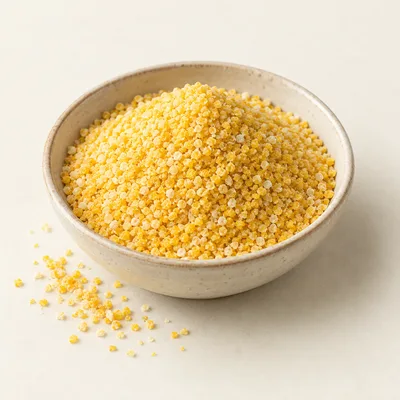 PORRIDGE GRAINMaize
Mămăligă served with cheese, cream and stews
Wine, must, preserves and leaves for wrapping
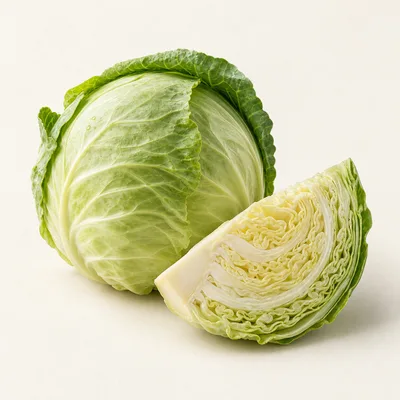 GARDEN VEGETABLECabbage
Fresh salads, souring and sarmale wrappers
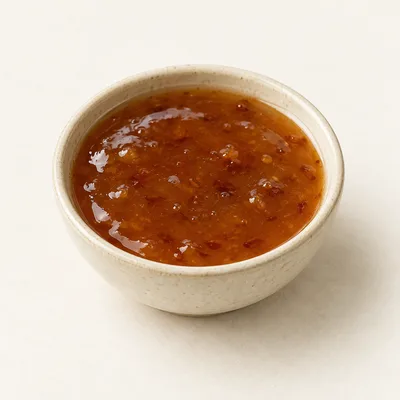 ORCHARD FRUITPlum
Jam, pastry, compote and fruit distillates
Plăcinte describe a form with many centres. Thin or layered dough encloses brined cheese, potato, cabbage, pumpkin, apple or sour cherry and may be pan-cooked or baked. [7]
Zeamă is bright rather than heavy. Chicken broth with homemade noodles, vegetables and herbs is soured to taste, often with borș, and finished with abundant lovage. [7]
A rural guesthouse or winery table makes hospitality visible.
Food arrives as a sequence of generosity. Bread, pickles, salads, pies, soup, mains and wine may accumulate; hosts often communicate welcome through repeated offers rather than a restaurant-style course boundary. [7][9]
Name the community when the host does. Gagauz, Bulgarian, Ukrainian, Jewish and Roma contributions should remain attributed instead of being absorbed into a single folkloric Moldovan label. [8][10]
Food-culture sources checked .
Cornmeal dishes and accompaniments
Mămăligă is a useful example of a dish whose base and serving matter should be separated in your questions: the recorded connection allows butter or cheese with some versions. Ask whether either is cooked into it, placed on top, or served separately, and whether the same utensil or pan is used for another dish.
Pastries, doughs and fillings
Wheat flour is recorded in plăcintă, colțunași, cozonac, gogoși, mucenici moldovenești, pască, poale-n brâu, varzare, turte cu julfă and îngvârtită. Fillings and finishes vary: cheese, milk, butter, walnuts and sometimes egg are all recorded connections. Ask about dough, filling, glaze and dusting separately.
Soups and bound mixtures
Ciorbă de burtă may receive sour cream and egg whisked into a sour-cream mixture or broth. Celery is recorded in ciorbă de fasole and ciorbă de perișoare, while egg binds the latter’s meatballs. Ask whether stock, thickener, garnish and meatball mixture are made separately.
Meat, vegetables and markets
Chiftele and pârjoale moldovenești may use breadcrumbs and egg to structure minced meat; tochitură moldovenească may have a fried or poached egg. Salată de vinete may use mayonnaise. For fresh produce, markets are noted as a shopping option; ask vendors about dressings, preserve or added seasonings.
Ingredients worth recognising
Start with these ingredients, then follow their names and recorded food connections. Check the recipe and product actually used.
Wheat flour
Wheat flour forms the dough or pastry in plăcintă, colțunași, cozonac and varzare, and thickens some chisăliță. Ask whether it appears in the dough, filling, sauce or garnish, and whether flour dusting occurs during preparation.
Bread crumbs
Bread crumbs may bind chiftele and pârjoale moldovenești. Their source can be wheat bread, rye bread or enriched bread; recorded notes also identify possible sesame, milk, soy or egg depending on the bread. Ask which bread was used and whether crumbs share equipment.
Egg
Egg is recorded in batter, enriched dough, cheese fillings and meatball mixtures, including alivancă, cozonac, ciorbă de perișoare and papanași. Ask whether it is mixed through, brushed on, whisked into broth, or used only as a topping or binder.
Fresh Cheese
Fresh cheese appears as a filling or accompaniment in colțunași, poale-n brâu, pască and îngvârtită, while alivancă uses fresh cheese as a customary dairy ingredient. Ask what milk the cheese is made from and whether cream, butter or egg is added.
Celery
Celery is recorded as an aromatic vegetable in ciorbă de fasole and ciorbă de perișoare. It may also enter a broth or stock rather than remain visible. Ask whether the soup base, stock and seasoning vegetables contain celery, including when the finished soup is strained.
Walnut
Walnut is recorded in cozonac and mucenici moldovenești fillings or toppings, and as a sweet variation in îngvârtită. Ask whether walnut is inside the filling, scattered over the surface, or handled on the same board, tray or serving utensil.
How food labelling works
A current, country-specific allergen-labelling summary for Moldova has not yet been verified for this guide. Do not transfer the list of regulated allergens or restaurant disclosure rules from your home country to this one.
Read the complete ingredients on the actual package and keep any local-language sticker with the original label. For imported products, compare the information on that pack rather than a photograph of the brand sold elsewhere. Ask the manufacturer or seller to clarify an unfamiliar term.
For loose food or meals prepared to order, ask who can check the recipe and the labels on bought-in ingredients. Explain every food you avoid, including ingredients outside familiar allergy groups; a short symbol chart may not cover your list.
Language and communication
Romanian is Moldova’s official language and is the first language for a written food explanation. Prepare a note naming the ingredient you avoid and asking for the complete recipe, including stock, sauce, filling, topping and shared preparation. Use dish names only to identify what you are asking about.
Russian is widely spoken and may be useful for a second written version; Gagauz is relevant in Gagauzia, and Ukrainian is spoken in parts of Transnistria and by a minority. Regional language choice and staff confirmation still matter, so show the written explanation and ask the server to verify it with the cook.
Eating in different settings
Market or small food shop
For fruit and vegetables, ask whether a prepared salad, preserve or dressing contains vinegar, mayonnaise, stock or another added ingredient. With imported or packaged items, request the unopened label and read the complete ingredient list rather than relying on a stall description.
Bakery or pastry counter
Ask whether plăcintă, cozonac, covrigi, pască or gogoși contain wheat, milk, butter, egg, walnut or sesame. Confirm fillings and glaze separately, then ask whether tongs, trays, display surfaces or cutting tools are shared with other pastries.
Restaurant soup or main course
For ciorbă, chiftele, pârjoale, tochitură or sarmale, ask about stock, breadcrumbs, egg, celery, sour cream and toppings. Check whether the requested portion is finished in a shared pan or served with an accompaniment added at the pass.
Accommodation or packaged-food shop
Ask staff to help compare complete labels for bread, noodles, preserves, raisins, butter, cheese or cream. If cooking privately, ask whether the shared kitchen has separate utensils, pans, boards and oil, and whether another person has prepared dough or breadcrumbs there.
Before you travel
Review your personal plan
Discuss your travel plans with your clinician and keep your prescribed medicines and emergency instructions accessible. Tell companions where these are and how to follow your plan.
Check your medicines before entering Moldova
The legal status and regulation of medicines prescribed or bought in the UK may differ in Moldova. Before travel, ask the relevant Moldovan authority what requirements apply to bringing your medicine and check TravelHealthPro guidance.
Make the first meals easier to organise
Contact your accommodation and transport providers in advance. Save your written food list, menu questions and destination address offline. Check entry restrictions before packing backup food, and plan how you will check meals during arrival and onward journeys.
Plan access to medical help
State medical facilities are described as generally poor, while private clinics and hospitals offer a better standard of care; payment is commonly expected at treatment. Check your insurer’s cover, accessible funds and arrangements for treatment or repatriation, and review the FCDO list of facilities where some staff may speak English.
Emergency resources
For a suspected severe allergic reaction, follow your prescribed emergency plan and seek urgent medical help. Give your exact location clearly.
Ambulance and urgent medical help
Call 112 and ask for an ambulance. Staff may only speak Russian or Romanian.
Explore next
Your allergy in Moldova
Choose a food concern for the country notes and questions relevant to it.
Dishes in Moldova
Follow the ingredients and cuisine connections in individual dish records.
Your own food list
Combine allergy groups and individual ingredients in one guide, with local names where recorded.
Allergy cards
Prepare the information you need to explain your food requirements.
FAQs, sources and review dates
Can I order mămăligă without dairy?
The recorded connection says some versions are served with butter or cheese, but it does not establish that every version is plain. Ask whether dairy is mixed into the mămăligă, placed on top, or offered separately, and ask about the pan and serving utensil.
Is a dish called salată de vinete free from egg?
Not necessarily: some recorded versions use mayonnaise, which may contain egg. Ask whether mayonnaise is included, what the mayonnaise contains, and whether it is added to the whole bowl or can be left out. Also ask about shared spoons and preparation surfaces.
What about walnut, which is not my common allergy?
Walnut is recorded in cozonac and mucenici moldovenești, and as a possible sweet filling in îngvârtită. Ask specifically about fillings, toppings and shared trays or knives; do not assume a plain-sounding pastry lacks walnut.
Sources checked: . This researched draft is awaiting editorial review. Practical questions apply the sources below to local food settings; they do not confirm any individual meal's ingredients or preparation.
Sources & references (10)
- FCDO · Moldova health and medical assistance
Emergency contact details, local healthcare and medicine guidance. UK-specific eligibility does not apply to every visitor.
- Wikivoyage contributors · Moldova
Community-edited culinary context only; not an allergy or medical authority. Brief food-context adaptations, CC BY-SA 4.0: https://creativecommons.org/licenses/by-sa/4.0/. Recipe questions also use PlateSafe’s draft records.
- FARE · Dining out
General recipe and preparation questions, applied here to country-specific food examples.
- FARE · Travelling with food allergies
General preparation, written communication and access to prescribed medicines. Not country-specific import permission.
- PlateSafe · Moldova recorded food connections
Existing draft dish and ingredient records, used as examples to investigate. These are not independently verified recipes or suitability assessments.
- Unicode CLDR · Territory language data
Language suggestions. Regional language needs must be confirmed with the particular food provider.
- Moldova Travel — Gastronomy
- Moldova Travel — Places and regions
- Moldova Travel — Wine Road
- Moldova Tourism Office — Regions of Moldova