
BEFORE YOUR FIRST MEAL
Navigating food allergies in Monaco
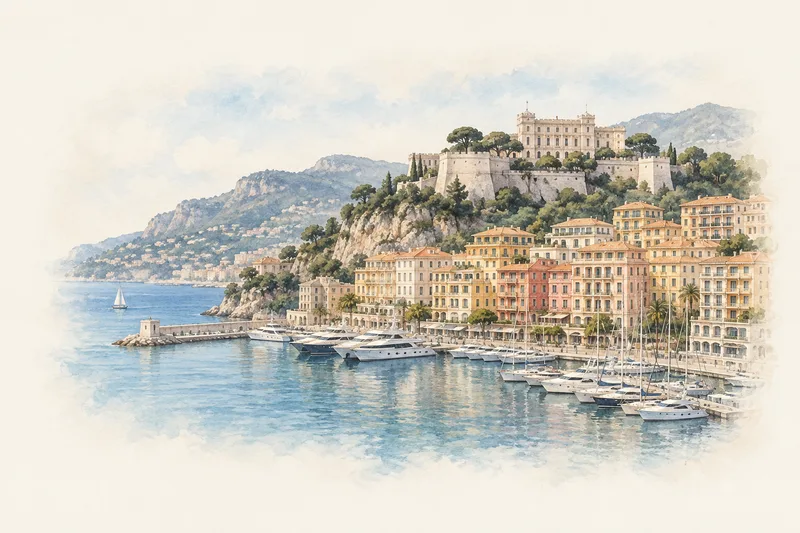
Monaco’s food scene ranges from marina cafés serving pizza, salads and hotdogs to restaurants offering bouillabaisse and elaborate dining. Local and nearby Riviera examples include wheat-based pastries, filled breads, fish, eggs, olives and dairy ingredients. Recipes vary, so use dish names only as starting points: ask for the complete recipe, every topping and how the meal is prepared.
What to know first
Pastry and bread
Monegasque fougasse, barbagiuàn, pan bagnat and pissaladière commonly involve wheat flour or wheat bread. Confirm the base rather than relying on the dish name.
Fish and toppings
Stocafi centres on cod, while pan bagnat and salade niçoise commonly use tuna or anchovies. Ask whether fish, egg and extra toppings are included.
Explain the whole recipe
In French, describe the ingredient you must avoid and ask staff to check bread, fillings, sauces, stock, toppings and preparation, not just the menu heading.
Ask about preparation
For cafés, marina counters or restaurants, check shared oil, water, boards, knives and utensils, and ask whether the requested meal is assembled separately.
Read the full label
Read the complete ingredients and allergen information on the actual product. If you avoid a food that is not highlighted, ask the producer or food provider to check it specifically.
Understanding the food
Olive oil, tomato, chard, squash, chickpea, salt cod, anchovy and citrus connect Monaco to Liguria and the County of Nice, while a handful of local dishes retain Monegasque names. Market counters and family bakeries tell a different story from Monte-Carlo’s luxury restaurants.
Neighbourhood and venue matter more than distance.
| Setting | Food landscape | Examples to explore |
|---|---|---|
| La Condamine | Market hall, bakeries and everyday counters | Barbagiuàn, socca, pissaladière and seasonal produce |
| Monaco-Ville | Historic lanes, local snacks and visitor restaurants | Fougasse monégasque, stockfish dishes and pastries |
| Monte-Carlo | Palace hotels, international chefs and fine dining | Mediterranean tasting menus and contemporary Creole links |
| Larvotto & port | Seafood, beach dining and Riviera exchange | Grilled fish, shellfish, salads and Provençal-Ligurian dishes |
The market is the clearest everyday reference point. Condamine Market brings produce, bread, prepared food and local specialities together beneath a civic rather than hotel setting. [8][7]
International gastronomy is part of Monaco but not its whole identity. Visit Monaco presents Michelin dining alongside neighbourhood restaurants and markets; keep Monegasque dishes visible within that global scene. [9]
Greens, olive oil and pastry define the local savoury register.
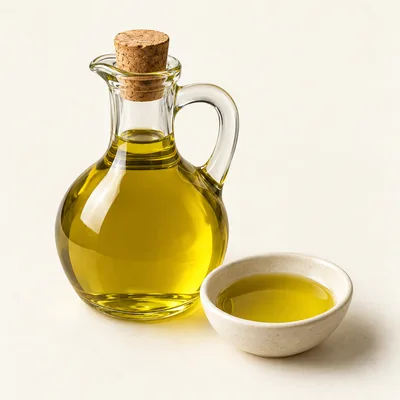 PRIMARY FATOlive oil
Pastry fillings, vegetables, fish and bread
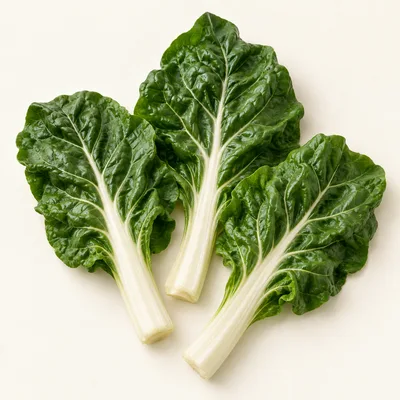 LEAFY VEGETABLEChard
The characteristic green in barbagiuàn and pies
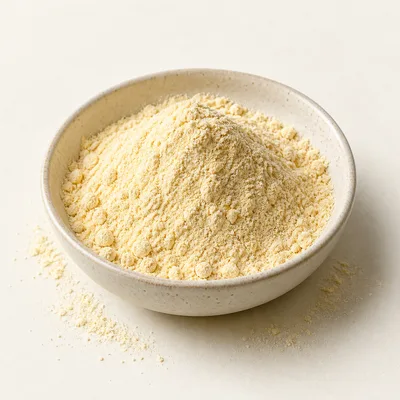 PULSE FLOURChickpea
Baked into thin socca at market counters
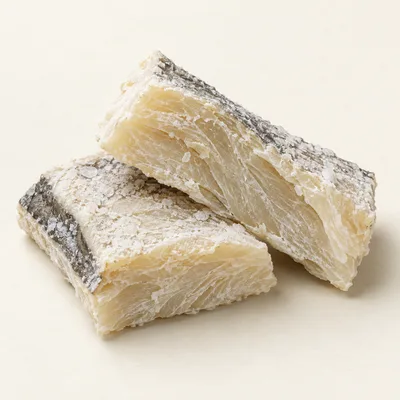 PRESERVED FISHSalt cod
Slow-cooked in stockfish-style preparations
Barbagiuàn is Monaco’s reference snack. Small fried pastries enclose chard, ricotta, herbs and changing additions; the filling links garden greens to portable market food. [8][7]
Fougasse monégasque is festive and sweet. The flat bread is scented with orange blossom and decorated with nuts or anise, distinguishing it from savoury breads with the same name elsewhere. [7]
Use the market and old town to balance the palace-hotel view.
Ask for the local name as well as the French description. Menus may move among French, Italian and Monegasque vocabulary because the principality sits inside a continuous Riviera food region. [8][7]
Fine dining increasingly foregrounds season and sourcing. Official restaurant profiles highlight gardens, Mediterranean fish and lower-waste practice, but those claims belong to the specific restaurant rather than Monaco as a whole. [9]
Food-culture sources checked .
Pastry shells and enriched dough
Several recorded Monegasque and Riviera-style dishes use wheat pastry: barbagiuàn has a wheat-flour shell, while tourte de blettes uses wheat pastry around a chard filling. Monegasque fougasse uses wheat flour and may have almond and walnut toppings, with egg and butter in the enriched dough. Ask about flour, binders, toppings, glaze and the bakery’s shared surfaces.
Filled breads and open bases
Pan bagnat is a wheat-bread sandwich with tuna as a defining filling, anchovy as a traditional addition and hard-boiled egg common in many versions. Pissaladière typically has a wheat-flour base and anchovy topping. Confirm the exact bread, spreads, seasoning, fish, egg and whether the same knife, board or serving utensils handle other foods.
Fish-led dishes and sauces
Stocafi may be prepared with cod, while bouillabaisse is a dish worth seeking in Monaco. No complete recipe is specified. Aïoli may use egg yolk to stabilise its emulsion. Ask which fish and stock are used, whether aïoli is served, and whether sauce, bread or garnishes are added separately.
Café meals and salads
Marina-side cafés are described as serving simple meals such as pizza, salads and hotdogs during the day. Salade niçoise commonly includes tuna or anchovies and hard-boiled egg, but the recorded connections are not a universal recipe. Ask about dressing, vinegar, oil, bread, toppings, shared utensils and whether any hotdog or pizza components are pre-prepared.
Ingredients worth recognising
Start with these ingredients, then follow their names and recorded food connections. Check the recipe and product actually used.
Wheat flour
Wheat flour forms the pastry shell of barbagiuàn and tourte de blettes, and the dough or base of Monegasque fougasse and pissaladière. Ask whether a pastry, pizza or tart uses wheat flour and whether flour dust may contact preparation surfaces.
Cod
Cod is the fish recorded for stocafi. Confirm that cod is the fish used, ask about the complete preparation and stock, and check whether it is cooked or served with sauces, garnishes, bread or shared utensils.
Egg
Egg is used as a binder in some barbagiuàn pastry formulations and is part of enriched fougasse dough; it also appears in recorded salad and sandwich examples. Ask about dough, glaze, filling, mayonnaise-style sauces and toppings.
Butter
Butter is a cow-milk dairy ingredient recorded in Monegasque fougasse. Ask whether butter is in the dough or used during finishing, and whether the recipe also contains another dairy ingredient or is brushed on after baking.
Walnut
Walnut is recorded as a possible fougasse topping, alongside almond. Confirm whether the loaf is topped, filled or finished with walnut, and ask about shared trays, knives and surfaces used for nut-topped products.
Olive
Olives may appear in salads, breads or savoury plates, while some cured or processed olives may use sulfites, though this is not universal. Ask how the olives were prepared and request the product information or complete recipe.
How food labelling works
A current, country-specific allergen-labelling summary for Monaco has not yet been verified for this guide. Do not transfer the list of regulated allergens or restaurant disclosure rules from your home country to this one.
Read the complete ingredients on the actual package and keep any local-language sticker with the original label. For imported products, compare the information on that pack rather than a photograph of the brand sold elsewhere. Ask the manufacturer or seller to clarify an unfamiliar term.
For loose food or meals prepared to order, ask who can check the recipe and the labels on bought-in ingredients. Explain every food you avoid, including ingredients outside familiar allergy groups; a short symbol chart may not cover your list.
Language and communication
French is Monaco’s official and most frequently used language. Prepare a written French explanation naming the ingredient or food trigger, then ask staff to check the complete recipe, sauces, stock, toppings, bread and preparation equipment. Use dish names only to identify what you want to discuss.
Monegasque is the historic language of Monaco’s native population and appears chiefly in official documents and street signs, while Italian, German and Russian are also commonly spoken. If relevant to the setting, ask for confirmation in the language available, but keep the written French explanation as the main reference.
Eating in different settings
Marina-side café
For pizza, salads or hotdogs, ask what is in the bread or base, dressing, sauce and toppings. Check whether food is assembled on a shared board, cut with a shared knife or cooked in shared oil, and ask what can be left off.
Bakery or pastry counter
For fougasse, barbagiuàn or tourte de blettes, ask about wheat flour, egg, butter, ricotta, almond and walnut. Check toppings and glaze, then ask whether separate trays, tongs, knives and preparation surfaces are used.
Restaurant or seafood meal
Before ordering stocafi, bouillabaisse, pan bagnat or salade niçoise, ask which fish, stock, bread, egg, anchovy, tuna and sauces are included. Confirm whether aïoli or dressing is made separately and how the dish is plated.
Packaged-food shop
For olives, raisins, vinegar, bread or other packaged ingredients, read the complete ingredient list and product information. Ask staff to identify the exact product, especially where processing may differ between brands or where a dressing or seasoning is included.
Before you travel
Review your personal plan
Discuss your travel plans with your clinician and keep your prescribed medicines and emergency instructions accessible. Tell companions where these are and how to follow your plan.
Check your medicines before entering Monaco
The legal status and regulation of some medicines prescribed or bought in the UK can differ in Monaco. Before travel, read TravelHealthPro guidance on travelling with medicines.
Make the first meals easier to organise
Contact your accommodation and transport providers in advance. Save your written food list, menu questions and destination address offline. Check entry restrictions before packing backup food, and plan how you will check meals during arrival and onward journeys.
Plan access to medical help
Monaco is not an EU member, and EHIC or UK GHIC cards are not accepted there. Arrange adequate travel health insurance and accessible funds for medical treatment and possible repatriation. Check the policy’s eligibility, exclusions and payment arrangements before departure, particularly if you have a health condition or are pregnant.
Emergency resources
For a suspected severe allergic reaction, follow your prescribed emergency plan and seek urgent medical help. Give your exact location clearly.
Ambulance and urgent medical help
Call 112 from a mobile or 18 from a landline and ask for an ambulance.
Explore next
Your allergy in Monaco
Choose a food concern for the country notes and questions relevant to it.
Dishes in Monaco
Follow the ingredients and cuisine connections in individual dish records.
Your own food list
Combine allergy groups and individual ingredients in one guide, with local names where recorded.
Allergy cards
Prepare the information you need to explain your food requirements.
FAQs, sources and review dates
Can I rely on a salade niçoise without fish or egg?
No. Common versions of salade niçoise may include tuna or anchovies and hard-boiled egg, but recipes vary. Ask for the complete version, including dressing and garnish, and confirm whether the salad is assembled with shared utensils or alongside fish-containing dishes.
What should I ask about aïoli?
Ask for every ingredient in the aïoli and the dish it accompanies. Modern recipes may use egg yolk to stabilise the emulsion, but this is not a universal recipe. Check whether it contains oil, egg or other additions, and whether the same spoon is used for other sauces.
Is a pine nut the same as a walnut or almond?
No. Pine nut, walnut and almond are different ingredients. Ask specifically whether pine nut is present in a topping, salad or sauce, and whether the kitchen uses separate utensils and surfaces. Do not assume that removing walnut or almond also answers a pine-nut question.
Sources checked: . This researched draft is awaiting editorial review. Practical questions apply the sources below to local food settings; they do not confirm any individual meal's ingredients or preparation.
Sources & references (10)
- FCDO · Monaco health and medical assistance
Emergency contact details, local healthcare and medicine guidance. UK-specific eligibility does not apply to every visitor.
- Wikivoyage contributors · Monaco
Community-edited culinary context only; not an allergy or medical authority. Brief food-context adaptations, CC BY-SA 4.0: https://creativecommons.org/licenses/by-sa/4.0/. Recipe questions also use PlateSafe’s draft records.
- FARE · Dining out
General recipe and preparation questions, applied here to country-specific food examples.
- FARE · Travelling with food allergies
General preparation, written communication and access to prescribed medicines. Not country-specific import permission.
- PlateSafe · Monaco recorded food connections
Existing draft dish and ingredient records, used as examples to investigate. These are not independently verified recipes or suitability assessments.
- Unicode CLDR · Territory language data
Language suggestions. Regional language needs must be confirmed with the particular food provider.
- Visit Monaco — Official tourism portal
- Visit Monaco — Condamine Market
- Visit Monaco — Eating out
- FAO — Monaco country profile