
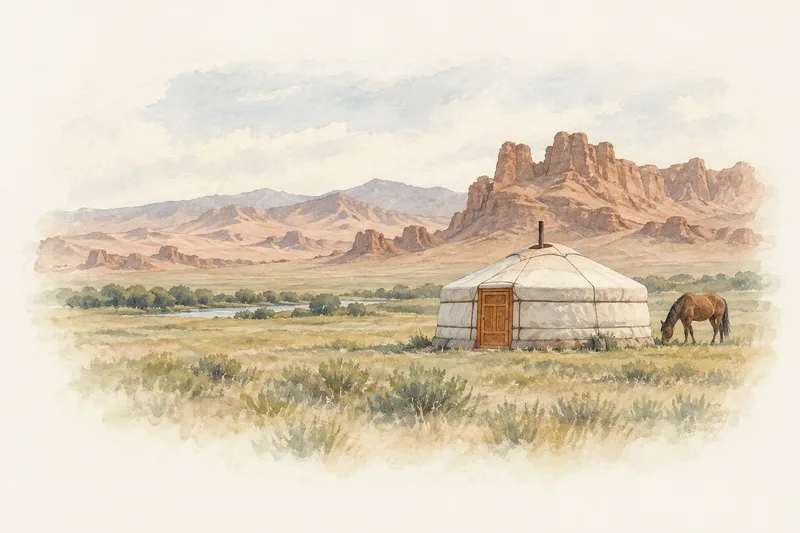
BEFORE YOUR FIRST MEAL
Navigating food allergies in Mongolia
Mongolian food examples often centre on mutton, wheat dough, noodles and dairy, while recipes and available ingredients can vary between Ulaanbaatar, roadside guanz and countryside meals. Buuz, khuushuur and tsuivan may look familiar but still need a complete recipe check: ask about fillings, broth, oil, toppings, utensils and whether milk or flour appears elsewhere in the meal.
What to know first
Dumplings and noodles
Buuz uses meat in steamed wheat-flour dough, while tsuivan combines meat with hand-cut wheat noodles. Ask about the full dough, filling, cooking liquid and any side sauce.
Frying and shared oil
Khuushuur is a meat-filled fried flatbread, and vegetable oil is recorded as potentially soybean oil but unspecified. Ask what oil is used and whether it is shared.
Explain before ordering
Prepare a written explanation in Mongolian, especially outside Ulaanbaatar. Ask staff or a guide to confirm every ingredient, stock, topping, sauce and preparation surface rather than relying on a dish name.
Cooking method matters
For khorkhog, ask what enters the kettle with the mutton, including onions, potatoes, carrots, water and hot stones, and whether broth is served separately or poured over.
Read complete labels
Read the complete ingredients and allergen information on the actual product. If you avoid a food that is not highlighted, ask the producer or food provider to check it specifically.
Understanding the food
Mutton, beef, horse, camel, yak, milk, flour, noodles and wild or garden plants shift across Khalkha, Kazakh, Buryat, Tuvan and other communities. Ulaanbaatar’s cafés and apartment kitchens add vegetables and international influences to foodways still anchored in herding and preservation.
Herd, altitude and distance determine the pantry.
| Region or community context | Food landscape | Examples to explore |
|---|---|---|
| Central steppe | Sheep, goats, cattle, dairy and wheat | Buuz, tsuivan, airag and milk tea |
| Gobi | Camel herding, scarce water and durable foods | Camel milk, dried curds, mutton and flour dishes |
| West & Altai | Kazakh, Tuvan and Mongol pastoral traditions | Horse meat, beshbarmak, dairy and celebration foods |
| Ulaanbaatar | National migration, Korean, Chinese and Russian influences | Dumplings, noodle soups, cafés and modern Mongolian cooking |
Pastoral food changes with the animal and season. FAO documents a livestock-centred economy exposed to drought and dzud; meat, milk and preservation are practical responses to mobility and winter. [10]
Urban food is not less Mongolian. Ulaanbaatar’s official guide places dumplings and meat dishes beside vegetables, cafés and Russian, Chinese and Western influences in a rapidly changing capital. [9]
Dairy is fermented, dried and distilled into many distinct foods.
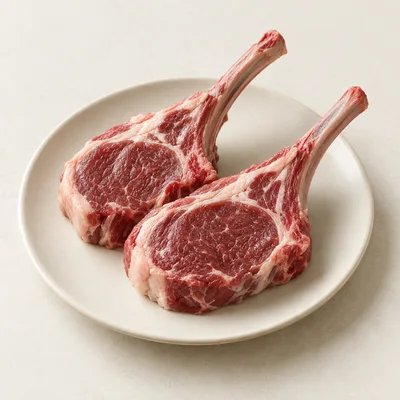 HERD MEATMutton
Boiled, steamed in dumplings or cooked with noodles
Fermented into seasonal airag
Dried curd stored and carried through the year
Buuz wrappers, fried khuushuur and noodles
Buuz are both everyday and Lunar New Year food. Steamed dumplings enclose seasoned meat and are prepared in large numbers for Tsagaan Sar, when folding and hosting become collective work. [7][8]
Boodog and khorkhog are event techniques. Hot stones cook whole-animal or bone-in meat in enclosed spaces; safe preparation requires experienced hosts and should not be reduced to novelty spectacle. [7]
Ger hospitality has its own sequence of tea, dairy and meat.
Accepting a small taste acknowledges the host. Milk tea, aaruul, cream and meat may be offered repeatedly; receive items respectfully and follow the household’s seating and serving cues. [8][7]
Name western Kazakh food separately. Eagle-hunting tourism often foregrounds Kazakh households; their breads, horse meat, dairy and feast customs should be attributed as Kazakh-Mongolian rather than generic nomad food. [8]
Food-culture sources checked .
Steamed, fried and boiled dough
Buuz are steamed dumplings with meat filling; khuushuur is a deep-fried meat-and-onion flatbread; bansh and guriltai shol are recorded with wheat-based dough or noodles. Ask whether dough is made separately, what flour is used, and whether the same water, oil, board or utensils handle other foods.
Noodles, meat and accompaniments
Tsuivan is recorded as fried noodles with meat and a few vegetables, sometimes served with ketchup. Ask whether the noodles are fried in oil, whether the ketchup is added from a bottle or made in the kitchen, and whether stock, seasoning or a garnish is included in the complete serving.
Kettles, broth and enclosed cooking
Khorkhog combines mutton with onions, potatoes, carrots, water and hot stones in a sealed kettle, producing a salty broth as well as meat and vegetables. Boodog cooks meat, vegetables, water and stones inside an animal skin. Ask what is included, how portions are separated and whether broth is part of the dish.
Dairy and regional access
Byaslag is a mild fresh cheese, while öröm is clotted cream and aaruul is dried curd; suutei tsai is salted milk tea. Ulaanbaatar has varied restaurants, but a countryside guanz may offer a simpler menu such as tsuivan and milk tea. Ask in advance what alternatives and ingredients are actually available.
Ingredients worth recognising
Start with these ingredients, then follow their names and recorded food connections. Check the recipe and product actually used.
Wheat flour
Recorded in buuz, bansh, bantan, boortsog, gambir, khuushuur, guriltai shol, tsuivan and other dough or noodle dishes. Ask whether wheat flour is in the wrapper, thickener, pastry, noodles or garnish, and request the complete recipe.
Vegetable Oil
Vegetable oil may be used for frying foods such as khuushuur or dough-based dishes, but its source is unspecified and may be soybean oil. Ask which oil is used, whether it is a blend, and whether the fryer or pan is shared.
Animal Milk
Aaruul, airag, byaslag, eezgii and other dairy preparations may be made from animal milk. Because the animal source can differ, ask whether milk, curds, cream or butter is present and identify the source rather than assuming it is cow’s milk.
Mare Milk
Mare’s milk is recorded in airag and is also linked with shimiin arkhi through fermented mare’s milk. Ask whether the drink is made from mare’s milk, whether other milk is added, and whether flavourings or a separate serving accompaniment are included.
Milk Curds
Milk curds define eezgii and are used in aaruul and khuruud, including dried or pressed forms. Ask whether curds are served alone or with butter, cream, flour or other additions, and check the complete recipe for mixed preparations.
How food labelling works
A current, country-specific allergen-labelling summary for Mongolia has not yet been verified for this guide. Do not transfer the list of regulated allergens or restaurant disclosure rules from your home country to this one.
Read the complete ingredients on the actual package and keep any local-language sticker with the original label. For imported products, compare the information on that pack rather than a photograph of the brand sold elsewhere. Ask the manufacturer or seller to clarify an unfamiliar term.
For loose food or meals prepared to order, ask who can check the recipe and the labels on bought-in ingredients. Explain every food you avoid, including ingredients outside familiar allergy groups; a short symbol chart may not cover your list.
Language and communication
Mongolian is Mongolia’s national language and is written in Cyrillic. Prepare a written explanation in Mongolian for ordering and show it while asking for confirmation of the whole recipe, including sauces, stock, oil, utensils and toppings. Dish names in Cyrillic can help recognition but are not a complete allergy request.
Kazakh is spoken in western Mongolia and among Kazakh communities in Ulaanbaatar; Russian is spoken by many older Mongolians, while English use is more common among younger people. Regional variation matters, so have a guide or trusted local speaker confirm details where needed.
Eating in different settings
Roadside guanz
A countryside guanz may have a short menu centred on tsuivan and salted milk tea. Before ordering, ask what flour, meat, oil, milk, stock and seasoning are used, whether noodles are made on the same surface, and whether a plain portion can be prepared separately.
Buuz or khuushuur counter
At a dumpling or fried-food counter, ask whether buuz wrappers or khuushuur pastry contain wheat flour, what is in the meat filling, and what oil is used. Confirm whether dumplings, flatbreads and other foods share boards, tongs, oil or cooking water.
Ger meal or hosted cooking
For a hosted khorkhog or boodog meal, discuss the complete recipe before cooking. Ask which meat is used, whether vegetables, water, broth or seasonings are added, how serving utensils are managed, and whether you can receive a portion without a particular addition.
Shop or packaged-food purchase
When buying aaruul, dairy drinks, dried curds, flour products or imported snacks, read the entire ingredient list and ask about unfamiliar ingredients. Do not rely on a product name or picture; check whether milk, wheat, oil, butter or compound flavourings are present.
Before you travel
Review your personal plan
Discuss your travel plans with your clinician and keep your prescribed medicines and emergency instructions accessible. Tell companions where these are and how to follow your plan.
Check your medicines before entering Mongolia
The legal status of UK medicines can differ in Mongolia. Bring prescribed medication and a first aid kit, read TravelHealthPro guidance, and check import or documentation requirements with the relevant Mongolian authority before travel. Pharmacy products may come from China or Russia and may not be recognisable.
Make the first meals easier to organise
Contact your accommodation and transport providers in advance. Save your written food list, menu questions and destination address offline. Check entry restrictions before packing backup food, and plan how you will check meals during arrival and onward journeys.
Plan access to medical help
There is no reciprocal healthcare agreement between the UK and Mongolia, so UK travellers cannot get free healthcare in Mongolia. Remote or non-Ulaanbaatar care may be limited; hospitals require 80% of costs in advance. Check insurance for full medical expenses and evacuation, and confirm available providers before travelling.
Emergency resources
For a suspected severe allergic reaction, follow your prescribed emergency plan and seek urgent medical help. Give your exact location clearly.
Ambulance and urgent medical help
Call 103 and ask for an ambulance.
Explore next
Your allergy in Mongolia
Choose a food concern for the country notes and questions relevant to it.
Dishes in Mongolia
Follow the ingredients and cuisine connections in individual dish records.
Your own food list
Combine allergy groups and individual ingredients in one guide, with local names where recorded.
Allergy cards
Prepare the information you need to explain your food requirements.
FAQs, sources and review dates
Can I assume a meat dish contains only meat?
No. Buuz and khuushuur may include dough, onion and cooking oil, while tsuivan includes noodles and may come with ketchup. Ask for the filling, dough, frying method, stock, sauce and garnish, and confirm whether preparation equipment is shared.
What should I ask about aaruul or other curds?
Aaruul is recorded as dried curds, and milk curds are also linked with eezgii and khuruud. Ask what milk was used, whether the product is mixed with butter, cream or flour, and whether anything is added after drying or pressing.
How should I check an unfamiliar meat such as marmot?
Do not infer ingredients or preparation from the name. Ask exactly which animal is used, whether the dish includes vegetables, water, organs, broth or seasonings, and how it is cooked and served. Confirm that the portion and utensils are kept distinct if required.
Sources checked: . This researched draft is awaiting editorial review. Practical questions apply the sources below to local food settings; they do not confirm any individual meal's ingredients or preparation.
Sources & references (10)
- FCDO · Mongolia health and medical assistance
Emergency contact details, local healthcare and medicine guidance. UK-specific eligibility does not apply to every visitor.
- Wikivoyage contributors · Mongolia
Community-edited culinary context only; not an allergy or medical authority. Brief food-context adaptations, CC BY-SA 4.0: https://creativecommons.org/licenses/by-sa/4.0/. Recipe questions also use PlateSafe’s draft records.
- FARE · Dining out
General recipe and preparation questions, applied here to country-specific food examples.
- FARE · Travelling with food allergies
General preparation, written communication and access to prescribed medicines. Not country-specific import permission.
- PlateSafe · Mongolia recorded food connections
Existing draft dish and ingredient records, used as examples to investigate. These are not independently verified recipes or suitability assessments.
- Unicode CLDR · Territory language data
Language suggestions. Regional language needs must be confirmed with the particular food provider.
- Mongolia Travel — Official tourism portal
- Go Mongolia — Explore and experience
- Ulaanbaatar Tourism — 2025 guide
- FAO — Mongolia country profile