
BEFORE YOUR FIRST MEAL
Navigating food allergies in Montenegro
Montenegro’s food changes noticeably between northern mountain cooking, central recipes and the Adriatic coast. Traditional examples include dairy-rich cicvara, smoked meats and cheeses, fish dishes, seafood stews and wheat-based pastries. Dish names alone are not enough: ask about every ingredient, stock, sauce, topping and cooking surface, especially where wine, dairy, eggs, wheat, fish or shellfish may be involved.
What to know first
Northern dishes can be dairy-rich
Cicvara may centre on kajmak, cheese or butter, while kačamak is commonly enriched with kajmak, butter or cheese. Ask which additions are used, rather than relying on the name.
Coastal recipes may combine seafood and wine
Brudet, buzara and crni rizot can involve fish, prawns, seafood stock or wine. Confirm the exact seafood, stock and wine used in the individual preparation.
Explain the whole concern
Tell the cook exactly what must be avoided, then ask about the complete recipe, shared utensils, oil, water, stock, sauces and toppings. Request confirmation from someone who can check.
Preparation matters as much as ingredients
Ask whether a dish is fried in shared oil, boiled in shared water or finished with a common sauce. Check whether pans, boards and serving utensils are shared.
Read the complete label
Read the complete ingredients and allergen information on the actual product. If you avoid a food that is not highlighted, ask the producer or food provider to check it specifically.
Understanding the food
Olive oil, fish, leafy greens and citrus define much of the coast; dairy, lamb, potato, buckwheat and smoked meat strengthen inland and mountain cooking. Venetian, Ottoman and wider Balkan connections meet local cheeses, wines and household preservation.
Three climate zones create three strong kitchen profiles.
| Region | Food landscape | Examples to explore |
|---|---|---|
| Adriatic coast | Fish, olive, citrus, chard and Venetian links | Brodet, black risotto, grilled fish and pašticada |
| Lake Skadar & central plain | Carp, bleak, vineyards, figs and pomegranate | Smoked carp, eel, lake fish soup and Vranac wine |
| Cetinje & Njeguši | Karst pasture, smokehouses and historic road trade | Njeguški pršut, cheese, lamb and rustic bread |
| Northern mountains | Katun pasture, dairy, buckwheat and forest products | Kačamak, cicvara, lamb, layered cheese and berries |
The national tourism strategy explicitly recognises coastal, central and mountain cuisines. This geographic division explains why seafood and olive oil give way to smoked meat, dairy and hearty grain dishes within a short journey. [9][7]
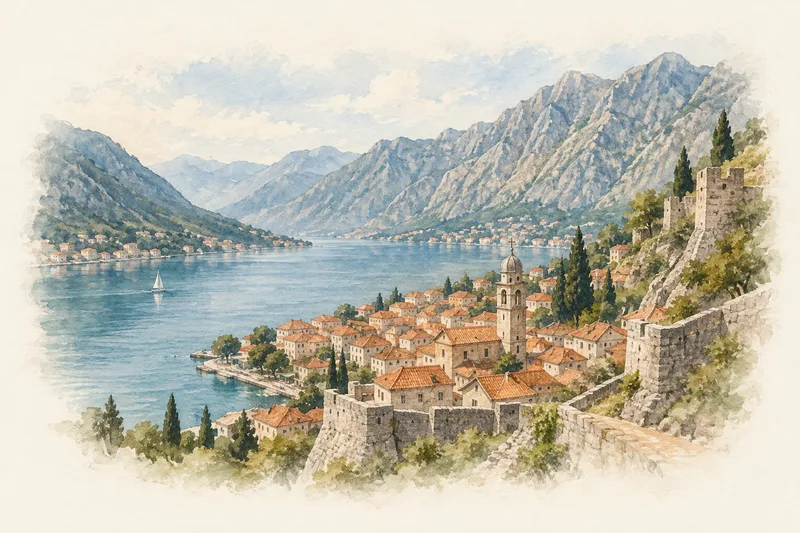
Kotor’s food belongs to a maritime cultural landscape. UNESCO records fortified towns and a bay shaped by seafaring exchange, context for Venetian techniques and coastal fish dishes. [10]
Smoke and cultured dairy carry mountain abundance through winter.
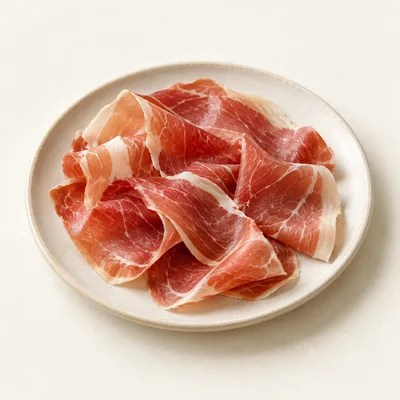 CURED MEATNjeguški pršut
Pork cured with mountain air and wood smoke
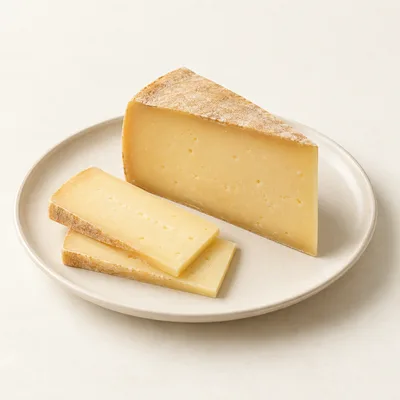 MOUNTAIN DAIRYCheese
Fresh, aged, smoked or layered by region
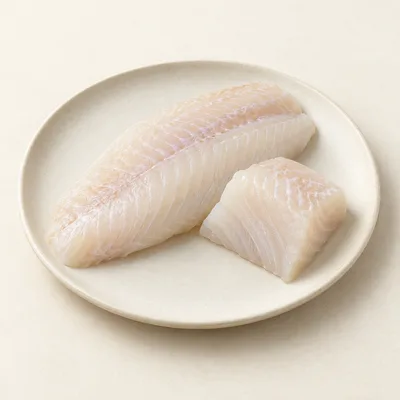 LAKE FISHCarp
Smoked, fried or simmered with fruit and vegetables
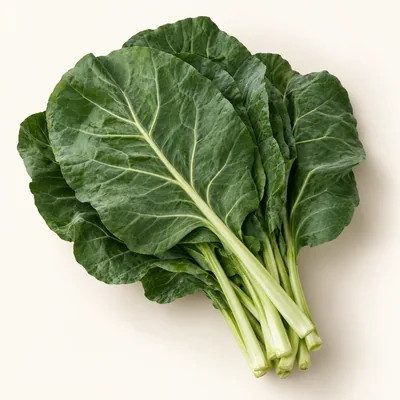 LEAFY GREENRaštan
Collard-like greens simmered with potato and meat
Kačamak is mountain fuel with regional texture. Potato and maize meal are beaten together and commonly enriched with kajmak or cheese, while some versions rely more heavily on grain. [8][7]
Cheese names map the landscape. Official food routes distinguish smoked Njeguši, Pljevlja, Kuči, Kolašin layered cheese and Krajina goat cheese rather than treating Balkan white cheese as one product. [7]
Konoba, vineyard and katun each set a different pace.
A household food route adds the producer story. Tourism material encourages visits to farms, cellars and village hosts where curing, cheese making and wine remain connected to place. [7][8]
Coastal menus can hide inland range. After seafood towns, travel north for dairy, lamb, buckwheat and forest foods rather than assuming the Adriatic menu represents the country. [9]
Food-culture sources checked .
Northern mountain cooking
In northern Montenegro, you may encounter boiled lamb, lamb cooked in milk, cicvara in fresh milk cream and boiled potatoes with cheese and fresh cream. Kačamak may also be rich in dairy. Ask whether milk, kajmak, butter or cheese is cooked into the dish, added afterwards, or used in a shared pot.
Central and coastal plates
Central and coastal examples include kastradina, carp from Skadar Lake, fresh sea fish and seafood dishes. Krap na orizu specifically contains carp, while riblja lešada centres on fish and may use celery as seasoning. Confirm the species, cooking liquid, garnish and whether seafood stock or mixed seafood is included.
Stews, sauces and wine
Brudet is fish-based, with some mixed-seafood versions including prawns; buzara may use prawns or fish. Crni rizot can use seafood stock, and wine is common in brudet, buzara and crni rizot. Ask whether the stock is fish-based, whether shellfish is present and what replaces or accompanies the wine.
Breads, pastries and sweets
Wheat appears in cicvara alternatives, handmade skaljarski makaruli, popara, priganice, uštipci, zeljanica and pastry-based tortas. Dobrotska and Peraska torta may include almonds or walnuts, eggs, butter and wheat flour. Ask about the dough, filling, crumbs, toppings and any separate preparation before ordering.
Ingredients worth recognising
Start with these ingredients, then follow their names and recorded food connections. Check the recipe and product actually used.
Wheat flour
Wheat flour forms the dough or pastry base in examples including priganice, uštipci, zeljanica and Peraska torta. Ask whether wheat flour is used in the main dish, coating, sauce or shared preparation.
Butter
Butter is a milk-derived ingredient recorded in cicvara, kačamak and Peraska torta contexts. Ask whether it is cooked in, brushed on, added as a topping or used on the pan, and whether another dairy ingredient is also present.
Egg
Egg is central to Žućenica sa jajima and appears in cakes, coatings, pasta dough and zeljanica filling. Ask whether egg is in the batter, pastry, binding mixture or glaze, and whether utensils are shared.
Carp
Carp is the defining fish in krap na orizu and is also recorded among central and coastal food examples. Ask which fish is used, whether the cooking liquid is shared with other seafood, and how the fish is prepared.
Red Wine
Red wine commonly contributes to pašticada’s braising liquid, and the ingredient may contain sulfites. Ask whether wine is used in the sauce, whether the finished sauce is separate, and what other stock or seasoning is added.
Celery
Celery is a common vegetable seasoning in fish lešada. Ask whether it is in the broth, chopped through the dish or used only as a garnish, and whether the same stock or serving spoon is used elsewhere.
How food labelling works
A current, country-specific allergen-labelling summary for Montenegro has not yet been verified for this guide. Do not transfer the list of regulated allergens or restaurant disclosure rules from your home country to this one.
Read the complete ingredients on the actual package and keep any local-language sticker with the original label. For imported products, compare the information on that pack rather than a photograph of the brand sold elsewhere. Ask the manufacturer or seller to clarify an unfamiliar term.
For loose food or meals prepared to order, ask who can check the recipe and the labels on bought-in ingredients. Explain every food you avoid, including ingredients outside familiar allergy groups; a short symbol chart may not cover your list.
Language and communication
Montenegrin is the official language and is written in both Latin and Cyrillic, with Latin more common. It is closely related to Serbian, Croatian and Bosnian. Prepare a written explanation in the language most useful to your journey, and show it before ordering.
In Ulcinj, and in areas including Plav, Gusinje and Malesia, Albanian has supported local relevance, so regional communication may vary. Italian can be useful along the coast, while English is more likely in Podgorica and coastal areas. Ask staff to confirm the complete recipe, not merely recognise a dish name.
Eating in different settings
Coastal seafood restaurant
For brudet, buzara or crni rizot, ask whether the dish contains fish, prawns or other shellfish, and whether seafood stock is used. Confirm the wine, sauce and garnish, then ask whether the pan, spoon and cooking liquid are shared with other seafood orders.
Mountain restaurant or tavern
When considering cicvara, kačamak, boiled lamb or potatoes with cheese, ask whether milk, kajmak, butter or cheese is cooked into the dish or added at the table. Ask about wheat flour in regional versions and whether the pot or serving utensils are shared.
Bakery or dessert counter
For priganice, uštipci, zeljanica or a torta, ask about wheat flour, egg, milk, butter, cheese, almonds and walnuts. Check fillings, glaze and toppings separately, and ask whether items are prepared on shared trays or with shared tongs.
Packaged-food shop or accommodation
Read the complete ingredient list on bread, breadcrumbs, vinegar, wine and prepared foods. Ask the host or shop worker to identify every ingredient in a meal, including stock, sauce, oil and toppings, rather than assuming a familiar label describes the recipe.
Before you travel
Review your personal plan
Discuss your travel plans with your clinician and keep your prescribed medicines and emergency instructions accessible. Tell companions where these are and how to follow your plan.
Check your medicines before entering Montenegro
For medicines brought into Montenegro, check the customs requirements on the official Entry Requirements page and read TravelHealthPro’s best-practice guidance before travel.
Make the first meals easier to organise
Contact your accommodation and transport providers in advance. Save your written food list, menu questions and destination address offline. Check entry restrictions before packing backup food, and plan how you will check meals during arrival and onward journeys.
Plan access to medical help
The UK recognises a reciprocal healthcare arrangement for British nationals with a valid British passport and GHIC, subject to a certificate of entitlement from the Montenegrin Health Insurance Fund. Without the certificate, treatment may need to be paid for; check current eligibility and insurance cover.
Emergency resources
For a suspected severe allergic reaction, follow your prescribed emergency plan and seek urgent medical help. Give your exact location clearly.
Ambulance and urgent medical help
Dial 112 for an ambulance.
Explore next
Your allergy in Montenegro
Choose a food concern for the country notes and questions relevant to it.
Dishes in Montenegro
Follow the ingredients and cuisine connections in individual dish records.
Your own food list
Combine allergy groups and individual ingredients in one guide, with local names where recorded.
Allergy cards
Prepare the information you need to explain your food requirements.
FAQs, sources and review dates
Could a fish dish contain shellfish?
Yes, recipes vary. Brudet is fish-based, but some mixed-seafood versions include prawns; buzara may use prawns or fish. Ask which seafood is present, whether the stock is shared and whether the same pan or serving utensils are used.
What should I ask about almonds or walnuts in dessert?
Dobrotska torta may use almond and/or walnut, while Peraska torta contains almonds in its filling. Ask about the pastry, filling, decoration and preparation surface separately. Do not infer ingredients from the word “torta” or from the dessert’s appearance.
Is celery relevant if I am avoiding fish stock?
Celery is recorded as a common vegetable seasoning in fish lešada, while seafood stock is commonly prepared from fish bones or trimmings. Ask whether celery and stock are both used, and whether the broth is also used for another dish.
Sources checked: . This researched draft is awaiting editorial review. Practical questions apply the sources below to local food settings; they do not confirm any individual meal's ingredients or preparation.
Sources & references (10)
- FCDO · Montenegro health and medical assistance
Emergency contact details, local healthcare and medicine guidance. UK-specific eligibility does not apply to every visitor.
- Wikivoyage contributors · Montenegro
Community-edited culinary context only; not an allergy or medical authority. Brief food-context adaptations, CC BY-SA 4.0: https://creativecommons.org/licenses/by-sa/4.0/. Recipe questions also use PlateSafe’s draft records.
- FARE · Dining out
General recipe and preparation questions, applied here to country-specific food examples.
- FARE · Travelling with food allergies
General preparation, written communication and access to prescribed medicines. Not country-specific import permission.
- PlateSafe · Montenegro recorded food connections
Existing draft dish and ingredient records, used as examples to investigate. These are not independently verified recipes or suitability assessments.
- Unicode CLDR · Territory language data
Language suggestions. Regional language needs must be confirmed with the particular food provider.
- Montenegro Travel — Food and wine
- Montenegro Travel — Flavours of Montenegro
- Montenegro tourism development strategy
- UNESCO World Heritage Centre — Natural and Culturo-Historical Region of Kotor