
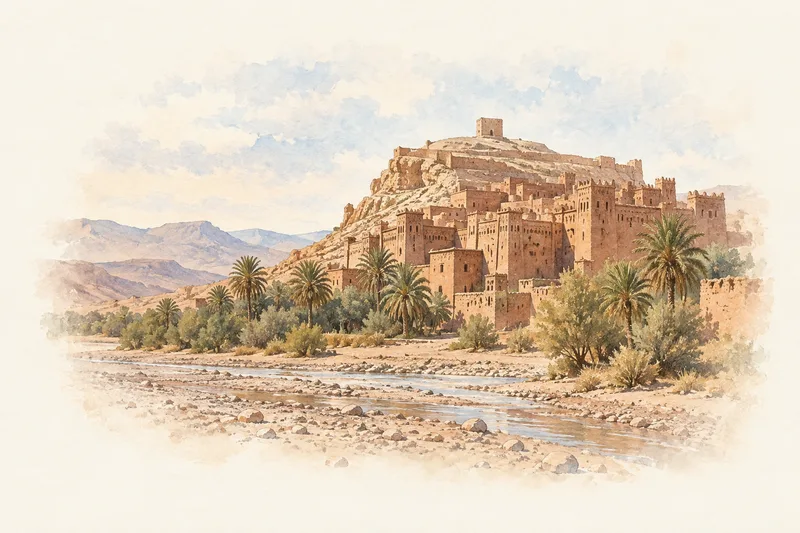
BEFORE YOUR FIRST MEAL
Navigating food allergies in Morocco
Moroccan food ranges from slow-cooked tagines and harira to market snacks, filled breads and elaborate pastries. The same dish name can cover different fillings, garnishes or cooking fats: a tagine may contain meat, vegetables, eggs or seafood, while pastilla may use poultry, lamb or fish. Ask how each component was made, especially at stalls, cafés and shared tables.
What to know first
Culinary variation
Couscous may accompany a stew or become a main dish with meat and vegetables; ask whether the grain, broth and toppings were prepared separately.
Pastry and frying
Pastilla, briouat, msemen and sfenj involve wheat-based doughs or pastry, while frying may use shared oil. Confirm fillings, brushing fats and the oil used.
Communication
Explain your allergy or food restriction before ordering, then ask the cook to confirm every component: dough, stock, sauce, garnish, topping and cooking surface.
Preparation
For tagines, harira, sandwiches and salads, ask about shared utensils, pans, grills, chopping boards, frying oil and water, rather than relying on the dish name.
Labels
Moroccan packaged-food labelling requirements have not been checked here; read the complete ingredient list and ask a shop or manufacturer about unclear ingredients.
Understanding the food
Wheat, barley, couscous, olive oil, pulses, preserved lemon, dried fruit, almonds, fish and spice carry Amazigh, Arab, Andalusi, Jewish, Saharan and sub-Saharan histories. Fes refinement, Riffian dairy, Atlantic fish, Souss argan and oasis dates belong to different landscapes.
City, mountain, coast and oasis each produce a recognisable table.
| Region or community context | Food landscape | Examples to explore |
|---|---|---|
| Fes, Meknes & north | Andalusi, Jewish, Riffian and imperial-city traditions | Pastilla, khlii, goat cheese, olives and intricate pastries |
| Marrakech & High Atlas | Amazigh valleys, saffron, walnuts and urban ovens | Tanjia, tagines, barley breads and mountain couscous |
| Souss & Atlantic coast | Argan, almonds, fishing ports and fertile plains | Amlou, argan oil, grilled fish and seafood tagines |
| Oases & Sahara | Dates, pastoral dairy, barley and caravan exchange | Medfouna, date foods, camel dairy and slow-cooked meat |
Official tourism material states that every region and city has specialities. It maps saffron to Taliouine, fish to Atlantic ports, tanjia to Marrakech and sweet-savoury court dishes to Fes. [9][8]
Couscous is shared Maghrebi heritage. UNESCO recognises cultivation, rolling, steaming, serving and convivial knowledge across Morocco and neighbouring countries rather than assigning the food to one modern border. [10]
Slow steam, preserved acidity and layered spice build depth.
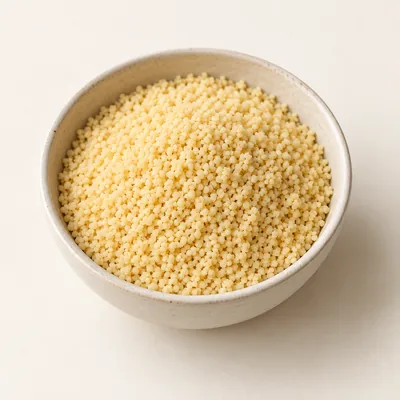 STEAMED GRAINCouscous
Hand-rolled semolina steamed above broth
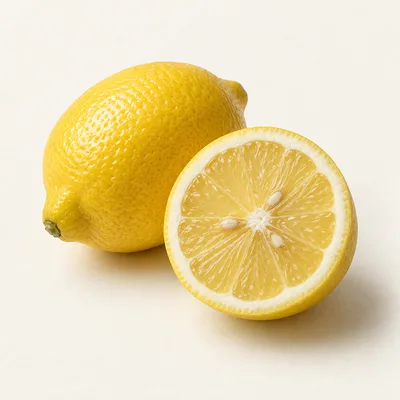 PRESERVED CITRUSLemon
Salt-cured for poultry, olives and sauces
Culinary oil and the base of almond amlou
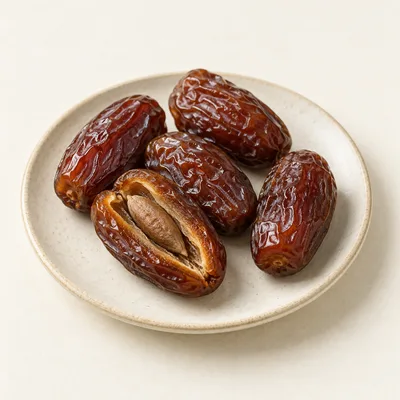 DRIED FRUITDate
Oasis staple, hospitality food and sweetener
Tagine names both vessel and moist cooking method. Fish, chicken, lamb or vegetables cook slowly with region-specific fats, fruits, herbs and spices; there is no single national tagine recipe. [7][9]
Bread is the everyday utensil and staple. Round loaves accompany salads, tagines and grilled foods, while msemen, baghrir and regional barley breads fill breakfast and market roles. [7]
Souk stall, home table, bakery and riad kitchen disclose different knowledge.
Friday couscous is a social rhythm. The dish is commonly prepared for family and community after prayer, with grain and broth shared from a broad platter. [7][10]
Mint tea is active hospitality. Green tea, mint and sugar are brewed and poured with ceremony; accepting a glass participates in welcome rather than simply ordering a beverage. [7]
Food-culture sources checked .
Steamed grains and breads
Couscous is made from semolina and may be served with stew, or mixed with meat and vegetables. Possible versions of couscous, msemen, batbout, baghrir, khobz, meloui and sfenj use wheat or durum semolina. Ask whether a grain or bread was made from wheat, what was added to the dough, and whether butter, egg or a shared surface was involved.
Tagines, soups and broths
A tagine is a clay-pot cooking method as well as a menu description. Possible versions include kefta with egg and vegetables, chicken with preserved lemon, lamb with prunes and almonds, and coastal fish, shrimp or octopus versions. Harira includes lentils, chickpeas, lamb stock, tomatoes and vegetables; ask about flour, vermicelli, celery, stock and shared ladles.
Pastries and sweet preparations
Pastilla uses flaky wheat-based pastry and may contain chicken, lamb, beef, pigeon or fish; some versions include egg in the filling. Briouat, chebakia, fekkas, ghriba, kaab el ghazal and sellou can involve wheat, egg, butter, sesame, almonds or peanuts. Ask about the complete filling, decoration, glaze and preparation surface.
Markets, cafés and quick meals
Market and café food can include bissara, ghoulal, grilled sardines, rotisserie chicken, sandwiches, maakouda and sfenj. Sandwiches may combine baguette, tuna, chicken, brochettes, salads, mayonnaise and chips. Ask whether the bread, mayonnaise, salad, seasoning, grill, pan or frying oil is shared, and whether a fish stall will cook your item separately.
Ingredients worth recognising
Start with these ingredients, then follow their names and recorded food connections. Check the recipe and product actually used.
Couscous
Traditional couscous is made from durum wheat and may form a dish with stew, meat or vegetables. Ask whether the grains are wheat-based, what broth or sauce was added, and whether toppings were cooked in the same vessel.
Celery
Celery is a recognised aromatic in harira recipes and may also appear in prepared broths. Ask specifically about celery in the soup, stock and seasoning base, including ingredients added before the final serving.
Peanut
Some sellou formulations include peanuts alongside almonds and sesame. Do not assume a nut-free sweet from its name: ask whether peanut was included, whether the mixture was made with shared equipment, and whether toppings were added separately.
Butter
Butter may enrich briouat, chebakia, ghriba or kaab el ghazal, and is also associated with sellou. Ask whether pastry was brushed, fried or bound with butter, and whether another cooking fat was used for the same batch.
Egg
Egg can bind or form part of pastilla, chebakia, fekkas, ghriba and maakouda, and may be poached in kefta mkaouara sauce. Ask about batter, pastry wash, filling and shared pans rather than checking only the menu title.
Sardine
Sardines are the defining ingredient in sardines chermoula and are also sold grilled in coastal markets. Ask what the chermoula contains, whether fish is gutted and cooked on a shared grill, and whether other seafood uses the same utensils.
How food labelling works
A current, country-specific allergen-labelling summary for Morocco has not yet been verified for this guide. Do not transfer the list of regulated allergens or restaurant disclosure rules from your home country to this one.
Read the complete ingredients on the actual package and keep any local-language sticker with the original label. For imported products, compare the information on that pack rather than a photograph of the brand sold elsewhere. Ask the manufacturer or seller to clarify an unfamiliar term.
For loose food or meals prepared to order, ask who can check the recipe and the labels on bought-in ingredients. Explain every food you avoid, including ingredients outside familiar allergy groups; a short symbol chart may not cover your list.
Language and communication
Arabic is an official language, and Moroccan Arabic (Darija) is the everyday vernacular. French is widely used in commerce and government. Prepare a written explanation in Arabic and French, naming the ingredients and preparation questions you need answered, rather than relying on a dish name.
Berber languages are also official: Tashelhit is especially relevant in south-western Morocco, while Central Morocco Tamazight is spoken in the Atlas Mountains. Regional language and staff confirmation matter; ask which language the person prefers, particularly outside major cities.
Eating in different settings
Market soup or snack stall
At a bissara, harira, ghoulal or sfenj stall, ask what is in the pot or dough, including stock, flour, vermicelli and seasoning. Ask whether the ladle, pan, oil or serving bowl is shared, and whether the item can be prepared in a separate vessel.
Fish market or coastal grill
For sardines, mixed fish or another seafood plate, ask which species are included and what the chermoula or marinade contains. Confirm whether the grill, tongs, board, oil and serving plate are shared with other fish, shellfish or bread.
Bakery or pastry counter
For pastilla, briouat, msemen, chebakia, fekkas or sellou, ask for the complete dough, filling, glaze and garnish. Check wheat, egg, butter, sesame, almond and peanut where relevant, plus shared trays, cutters, brushes and frying oil.
Café, restaurant or accommodation meal
Before ordering a tagine, couscous, harira or sandwich, ask for the full recipe and every sauce, broth, mayonnaise and topping. Confirm whether vegetables, meat, eggs or seafood share the same pot, grill, utensils or preparation board, and communicate in advance for a planned meal.
Before you travel
Review your personal plan
Discuss your travel plans with your clinician and keep your prescribed medicines and emergency instructions accessible. Tell companions where these are and how to follow your plan.
Check your medicines before entering Morocco
For UK prescription medicines, bring an adequate supply for the trip and plan carefully, as travellers have sometimes struggled to source medicines in Morocco. Legal status and regulation may differ from the UK. Before travel, check guidance on travelling with medicines and consult TravelHealthPro.
Make the first meals easier to organise
Contact your accommodation and transport providers in advance. Save your written food list, menu questions and destination address offline. Check entry restrictions before packing backup food, and plan how you will check meals during arrival and onward journeys.
Plan access to medical help
Public facilities provide limited medical care, while private clinics operate to a higher standard. Arrange adequate travel health insurance and accessible funds, including for treatment abroad and repatriation. Ask your insurer what treatment, evacuation and repatriation costs are covered and which provider options are available.
Emergency resources
For a suspected severe allergic reaction, follow your prescribed emergency plan and seek urgent medical help. Give your exact location clearly.
Ambulance and urgent medical help
Dial 150 and ask for an ambulance.
Explore next
Your allergy in Morocco
Choose a food concern for the country notes and questions relevant to it.
Dishes in Morocco
Follow the ingredients and cuisine connections in individual dish records.
Your own food list
Combine allergy groups and individual ingredients in one guide, with local names where recorded.
Allergy cards
Prepare the information you need to explain your food requirements.
FAQs, sources and review dates
Could a vegetable tagine still contain an animal-derived ingredient?
Yes, a vegetable tagine should not automatically be assumed to use vegetarian broth. Ask what stock, seasoning fat and sauce were used, and whether the vegetables shared a pot or serving spoon with meat.
What should I ask about a Moroccan sandwich?
Ask for each filling rather than accepting “sandwich” as a complete description. Confirm the baguette, tuna, chicken or brochette, salad, mayonnaise, chips and seasonings, then ask whether the bread knife, board, grill and oil are shared.
Is a raisin simply dried fruit for ingredient-checking purposes?
Not always. Some commercial raisin formulations, especially light-coloured varieties, use sulphites. Check the particular packet or preparation, including any added preservative, rather than treating all raisins as identical.
Sources checked: . This researched draft is awaiting editorial review. Practical questions apply the sources below to local food settings; they do not confirm any individual meal's ingredients or preparation.
Sources & references (10)
- FCDO · Morocco health and medical assistance
Emergency contact details, local healthcare and medicine guidance. UK-specific eligibility does not apply to every visitor.
- Wikivoyage contributors · Morocco
Community-edited culinary context only; not an allergy or medical authority. Brief food-context adaptations, CC BY-SA 4.0: https://creativecommons.org/licenses/by-sa/4.0/. Recipe questions also use PlateSafe’s draft records.
- FARE · Dining out
General recipe and preparation questions, applied here to country-specific food examples.
- FARE · Travelling with food allergies
General preparation, written communication and access to prescribed medicines. Not country-specific import permission.
- PlateSafe · Morocco recorded food connections
Existing draft dish and ingredient records, used as examples to investigate. These are not independently verified recipes or suitability assessments.
- Unicode CLDR · Territory language data
Language suggestions. Regional language needs must be confirmed with the particular food provider.
- Moroccan National Tourist Office — Food and drink
- Moroccan National Tourist Office — Gastronomy
- Moroccan National Tourist Office — Morocco at a glance
- UNESCO Intangible Heritage — Knowledge and practices pertaining to couscous