
BEFORE YOUR FIRST MEAL
Navigating food allergies in Namibia
Namibian meals often centre on grilled, stewed or dried meat, with maize or mahangu pap and bread-based sides. Coastal towns add fish and seafood, while imported produce varies outside larger centres. A braai, market stall, lodge potjie, bakery or supermarket may use different recipes, so check the complete preparation rather than relying on a dish name.
What to know first
Culinary pattern
Kapana is grilled beef strips, while biltong and droewors are spiced or marinated dried meat. Ask what seasoning, marinade and dipping sauce were used before eating.
Culinary variation
Coastal restaurants may serve kingklip, sole or hake; inland fish may have travelled frozen. Ask which fish is present and how it was prepared, rather than ordering “line fish” by name.
Communication
Explain the ingredient or food you must avoid, then ask the cook to describe the full recipe, including stock, sauce, toppings, garnishes and anything added after cooking.
Preparation
For braai, potjie, vetkoek or rosterbrood, ask whether the same grill, pot, oil, water or utensils are used for other foods, and whether the recipe changes by location.
Labels
Read the complete ingredients and allergen information on the actual product. If you avoid a food that is not highlighted, ask the producer or food provider to check it specifically.
Understanding the food
Mahangu pearl millet, maize, sorghum, beans, melons, gathered plants, cattle, goat, game and Atlantic fish take different forms among Aawambo, Kavango, Zambezi, Damara, Nama, Ovaherero, Ovahimba, San and other communities. German and South African colonial histories remain visible in bakeries and meat culture, but they are only one layer.
The food map changes wherever dependable water returns.
| Region or community context | Food landscape | Examples to explore |
|---|---|---|
| North-central regions | Mahangu fields, cattle, beans and Aawambo foodways | Oshifima, ombidi greens, beans and grilled or dried meat |
| Kavango & Zambezi | Rivers, fish, maize, millet and wetter woodland | Freshwater fish, porridge, leafy relishes and groundnuts |
| Central & eastern Namibia | Ranching, urban migration and Kalahari gathering | Beef, goat, game, melons and contemporary city food |
| Atlantic coast & south | Cold-water fisheries, Nama traditions and colonial bakeries | Hake, oysters, pot breads, lamb and preserves |
Official tourism material divides Namibia into seven contrasting clusters. The water-rich northeast, populous north, central plateau, Atlantic coast and arid south support markedly different crops, livestock and markets. [7][9]
Community names belong in the food description. Visit Namibia identifies Aawambo, Kavango, Damara, Nama, Ovaherero, Ovahimba, San, Zambezi peoples and others as distinct cultural groups rather than a single “tribal” cuisine. [8]
Millet porridge becomes a meal through greens, legumes and protein.
Pearl millet milled for oshifima and soft porridges
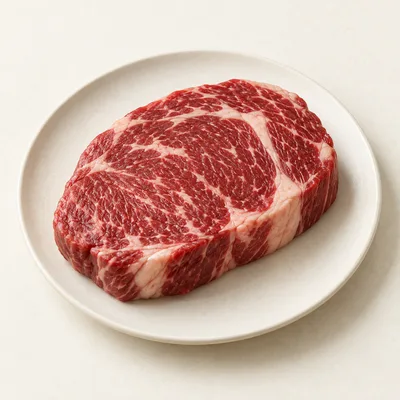 PASTORAL PROTEINBeef
Fresh, grilled, stewed or dried as long-keeping meat
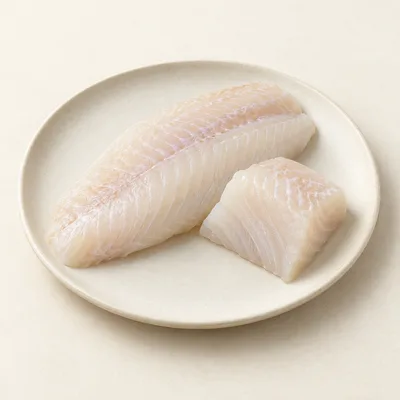 RIVER & OCEANFish
Freshwater catch inland and hake or shellfish on the coast
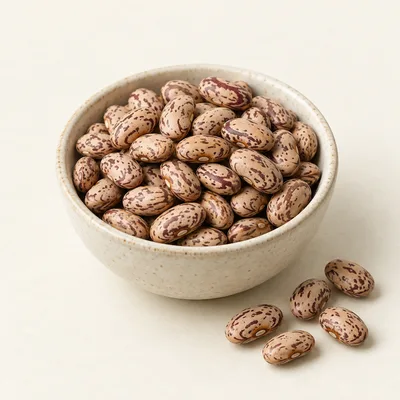 FIELD LEGUMEBean
Cooked with grain or served as a porridge relish
Oshifima names a relationship, not a complete plate. Firm mahangu or maize porridge is shaped by hand and eaten with greens, fermented dairy, beans, fish or meat according to region and household. [9][8]
Dried meat answers climate and mobility. Strips of beef, goat or game can be salted and air-dried for storage, while commercial biltong represents only one modern expression of that need. [7][9]
Community conservancies and local hosts give food its proper setting.
Ask who prepared the meal and where its ingredients came from. Millet, gathered plants, livestock and fish may represent local production, while remote lodges also depend heavily on transported supplies. [7][9]
Rock-art country has living custodians. UNESCO’s Twyfelfontein listing documents a long record of hunter-gatherer knowledge; present-day San and Damara food knowledge should be attributed to living people, not framed as prehistoric survival. [10][8]
Food-culture sources checked .
Braai, grilled meat and market food
A braai is a mixed wood-fired barbecue found at homes, campsites and lodges. Kapana is grilled beef strips and may be made hot with seasoning; biltong and droewors are spiced or marinated dried meat. Ask whether meat was brushed with a marinade, served with sauce, or placed beside bread on the same grill. At an open market, confirm the cut, seasoning and preparation before choosing a portion.
Stews, offal and slow cooking
Goat meat may be stewed or grilled, while matangara is beef, sometimes goat, tripe in a tangy sauce and can be hot. Matangara may also be sold pre-cooked in a supermarket. Potjie is stew prepared in a cast-iron pot over an open fire and may be offered by lodges or restaurants. Ask what stock, thickener, vinegar, seasoning and shared utensils went into the complete dish.
Pap, breads and fried dough
Maize pap and mahangu, or pearl millet, pap are porridge-like staples commonly served with sauce. Junkies or vetkoek are dough dumplings fried in oil and may accompany meat or be sweet; rosterbrood is a rich, slightly sweet dough roll baked on the braai. Ask which flour or grain is used, what is in the dough, and whether frying oil or grill space is shared.
Coastal fish and regional supply
In coastal towns, kingklip, sole and hake are examples of fish available in restaurants, while “line fish” or “angel fish” may mean the catch brought in that day. Inland restaurant fish may have travelled frozen. Produce availability also changes: larger-town supermarkets carry more standard products, whereas remote shops may have only limited tomatoes, onions, potatoes or apples.
Ingredients worth recognising
Start with these ingredients, then follow their names and recorded food connections. Check the recipe and product actually used.
Egg
Egg is recorded as an intrinsic ingredient for egg-based preparations and appears in some koeksister doughs as a binder. Ask whether the dough contains egg, whether an egg wash is used, and whether the finished item shares equipment with other pastries.
Vegetable Oil
Vegetable oil may be used for fried vetkoek or junkies, although the particular oil is unspecified and may be soybean oil. Ask which oil is in the fryer, whether it is shared with other foods, and whether oil is added to sauces or dressings.
Stock
Stock can occur in Namibian fish stew, matangara or potjie-style cooking, but its formulation varies. Prepared stock may use celery, and fish stock is another recognised form. Ask whether stock, bouillon or a seasoning paste was added and request the full ingredient list.
Vinegar
Vinegar may matter in tangy sauces, marinades or dressed preparations accompanying meat and fish. Generic vinegar is unspecified: some forms are malt-based and some formulations may contain sulphites. Ask which vinegar was used and whether the sauce includes any additional seasoning or prepared condiment.
Wheat flour
Wheat flour forms the dough in potbrood and vetkoek and is the pastry base in koeksisters. Ask about flour in bread, fried dough and sweet pastries, including dusting flour, fillings and toppings. Wheat and gluten concerns should be discussed separately from IgE allergy questions.
Fish
Fish is the core protein in Namibian fish stew and is also represented by coastal examples such as kingklip, sole and hake. Ask for the exact species, whether stock or sauce contains fish, and whether fish shares oil, pans or utensils with other orders.
How food labelling works
A current, country-specific allergen-labelling summary for Namibia has not yet been verified for this guide. Do not transfer the list of regulated allergens or restaurant disclosure rules from your home country to this one.
Read the complete ingredients on the actual package and keep any local-language sticker with the original label. For imported products, compare the information on that pack rather than a photograph of the brand sold elsewhere. Ask the manufacturer or seller to clarify an unfamiliar term.
For loose food or meals prepared to order, ask who can check the recipe and the labels on bought-in ingredients. Explain every food you avoid, including ingredients outside familiar allergy groups; a short symbol chart may not cover your list.
Language and communication
English is Namibia’s official language and is widely spoken, with stronger use in the north and more limited English among some older people. Afrikaans is also widely used; older people in the south may be more likely to speak Afrikaans or German. Prepare a written explanation in English and Afrikaans, with the exact foods and ingredients to avoid.
Regional languages include Oshiwambo, Otjiherero, Damara/Nama, San languages, Rukwangali and Silozi. Kwanyama and Ndonga names are also used. Where a market, lodge or restaurant uses a regional language, show the written explanation and ask a local speaker to confirm the complete recipe and cooking process.
Eating in different settings
Braai at a campsite, lodge or home
Ask who seasoned the meat and whether kapana, goat, biltong or droewors contains a marinade, spice blend or sauce. Confirm whether rosterbrood or other bread shares the grill, and whether utensils or serving boards are reused between foods.
Open market or food stall
For kapana or pre-cooked matangara, ask what meat is in the portion, what was added during cooking and whether the hot sauce is separate. Confirm the cooking oil, pan, knife and serving tongs used for your food.
Coastal restaurant or fish counter
Ask for the exact fish rather than ordering only “line fish” or “angel fish”. Check whether it is grilled, fried or stewed, what stock or sauce accompanies it, and whether the fryer, pan, oil or utensils are shared.
Bakery or supermarket
For koeksisters, vetkoek, potbrood, pap or packaged matangara, ask to see the complete ingredient list or recipe. Check wheat flour, egg, butter, milk, stock, vinegar and frying oil, and ask about fillings, glazes and shared equipment.
Before you travel
Review your personal plan
Discuss your travel plans with your clinician and keep your prescribed medicines and emergency instructions accessible. Tell companions where these are and how to follow your plan.
Check your medicines before entering Namibia
The legal status and regulation of medicines prescribed or bought in the UK may differ in Namibia. Before travel, ask TravelHealthPro and the relevant Namibian authority what requirements apply to your medicine and journey. Check the latest best-practice guidance for travelling with medicines.
Make the first meals easier to organise
Contact your accommodation and transport providers in advance. Save your written food list, menu questions and destination address offline. Check entry restrictions before packing backup food, and plan how you will check meals during arrival and onward journeys.
Plan access to medical help
Windhoek has good medical facilities, but private hospitals may require payment before treatment and some may not recognise every travel-insurance policy. Ask your insurer whether your policy and product are accepted in Namibia, arrange alternative cover if needed, and confirm these details before travel.
Emergency resources
For a suspected severe allergic reaction, follow your prescribed emergency plan and seek urgent medical help. Give your exact location clearly.
Ambulance and urgent medical help
Call 211111 (in Windhoek) or 10111 (everywhere else) and ask for an ambulance.
Explore next
Your allergy in Namibia
Choose a food concern for the country notes and questions relevant to it.
Dishes in Namibia
Follow the ingredients and cuisine connections in individual dish records.
Your own food list
Combine allergy groups and individual ingredients in one guide, with local names where recorded.
Allergy cards
Prepare the information you need to explain your food requirements.
FAQs, sources and review dates
Can I assume kapana is only beef and seasoning?
Kapana is described as grilled beef strips, but the preparation can still include seasoning, marinade, hot sauce or a shared grill. Ask what was added before and after grilling, whether the sauce is separate, and whether the same tongs or board handled other meats or bread.
What should I ask about mahangu or maize pap?
The food description identifies maize and mahangu pap as porridge types usually served with sauce. Ask which grain was used, whether milk or another ingredient was added, and exactly what is in the accompanying sauce. Do not infer suitability from “pap” alone or from the plain appearance of the porridge.
What about an ingredient such as sand in wild spinach?
Wild spinach, or omboga, is described as growing in mahangu fields and may retain sand inside its leaves. This is not an allergy classification. If you are concerned about an individual non-allergen ingredient or texture, ask how the leaves were sourced, cleaned and cooked before ordering.
Sources checked: . This researched draft is awaiting editorial review. Practical questions apply the sources below to local food settings; they do not confirm any individual meal's ingredients or preparation.
Sources & references (10)
- FCDO · Namibia health and medical assistance
Emergency contact details, local healthcare and medicine guidance. UK-specific eligibility does not apply to every visitor.
- Wikivoyage contributors · Namibia
Community-edited culinary context only; not an allergy or medical authority. Brief food-context adaptations, CC BY-SA 4.0: https://creativecommons.org/licenses/by-sa/4.0/. Recipe questions also use PlateSafe’s draft records.
- FARE · Dining out
General recipe and preparation questions, applied here to country-specific food examples.
- FARE · Travelling with food allergies
General preparation, written communication and access to prescribed medicines. Not country-specific import permission.
- PlateSafe · Namibia recorded food connections
Existing draft dish and ingredient records, used as examples to investigate. These are not independently verified recipes or suitability assessments.
- Unicode CLDR · Territory language data
Language suggestions. Regional language needs must be confirmed with the particular food provider.
- Visit Namibia — Namibia at a glance
- Visit Namibia — Cultural groups
- FAO — Namibia country profile
- UNESCO World Heritage Centre — Twyfelfontein