

BEFORE YOUR FIRST MEAL
Navigating food allergies in Nauru
Nauru’s food reflects an island setting where imported rice, wheat products, noodles, frozen meat and tinned meat are part of the food supply. Seafood is popular in restaurants, and cooked or smoked ham is also familiar. Western and primarily Chinese food are available, alongside foods using coconut, breadfruit, banana, papaya or pandanus. Recipes may be simple or altered when ingredients are unavailable, so ask about the complete dish, not only its name.
What to know first
Ask about the whole seafood recipe
Fish and crab feature in named examples such as Coconut Fish and Coconut Crab, but a dish name does not establish every ingredient. Ask about sauces, stock, coconut, seasoning, toppings, cooking liquid and garnish, then check whether the portion was prepared separately.
Treat substitutions as part of the recipe
Imported rice, wheat products, noodles, frozen meat and tinned meat may appear in meals or shops. Ask whether the named dish has been changed, whether an ingredient was substituted, and what is in the replacement, sauce or cooking liquid.
Explain the requirement before ordering
State clearly which ingredient you need to avoid and ask staff to confirm the complete recipe. A short written note can help keep the request consistent, but still ask about marinades, stock, garnish, cooking oil, utensils and the final portion.
Check shared preparation
For seafood, ham, meat, noodles or rice, ask whether pans, woks, boards, knives, oil, water or serving utensils are shared. Also ask whether a separate portion can be prepared without relying on the dish name or a simple appearance.
Read every part of the actual label
For packaged food, inspect the full ingredient list and any allergen information on the item you are buying. Check sauces, seasoning sachets, fillings and flavourings as well as the main product, and ask a food provider about any wording you cannot identify.
Understanding the food
Reef fish, tuna, coconut and pandanus form the older island pantry, while rice, flour, canned meat, frozen poultry and packaged foods now shape everyday eating. Phosphate mining damaged much cultivable land, so restoration, shipping and household growing are inseparable from the food story.
On one small island, land condition and access still change the pantry.
| Setting | Food landscape | Examples to explore |
|---|---|---|
| Coastal districts | Reef access, coconut, shops and household kitchens | Grilled fish, coconut fish, rice and shared family dishes |
| Buada Lagoon | Freshwater depression and surviving garden potential | Fruit, household crops and foods grown in deeper soils |
| Topside | Phosphate-mined plateau with severe soil disturbance | Land rehabilitation rather than a separate cuisine |
| Community events | Church, family and national gatherings | Fish, pork or chicken, rice, salads and imported celebration foods |
Nauru’s physical history limits food production. Government and FAO profiles describe a raised coral island whose phosphate extraction removed or disturbed much of the productive interior. [9][10]
Imported food is part of the present, not an aside. Shipping supplies most staples and processed foods, while price, storage, water and transport interruptions directly shape household choice. [11][10]
Ocean fish and tree crops remain the strongest local reference points.
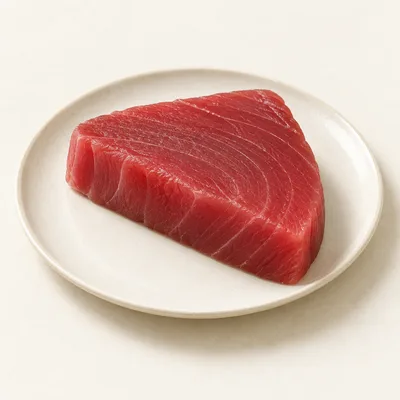 OCEAN PROTEINTuna
Fresh catch grilled, fried or cooked with coconut
 PALM CROPCoconut
Flesh and milk with fish, starch and sweets
Aromatic fruit eaten fresh or prepared into paste
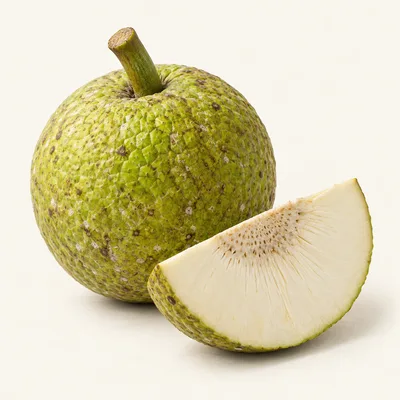 TREE STARCHBreadfruit
Roasted or boiled when locally available
Coconut fish is a structure with household variation. Fresh fish is combined with coconut milk or grated coconut, onion, citrus and changing seasoning rather than following one standard national recipe. [11][9]
Local food recovery is also land and health work. Reviving gardens, fishing knowledge and tree crops requires soil rehabilitation and water access while reducing dependence on nutrient-poor imports. [10][12]
Family and community meals are the meaningful scale.
Availability can change with the ship and the catch. A café or shop menu may shift quickly, so ask what fish is fresh and what produce was grown locally rather than expecting a fixed island menu. [10][11]
Do not romanticise scarcity. Traditional foods remain important, but land damage, climate exposure and chronic-disease pressures are material constraints rather than picturesque simplicity. [12][10]
Food-culture sources checked .
Seafood, coconut and named dishes
Seafood is popular in Nauruan restaurants, and Coconut Fish and Coconut Crab are useful examples for asking precise questions: fish is central to the first name and crab to the second. Neither name gives a complete recipe. Ask whether coconut flesh or coconut cream is used, what stock, sauce, seasoning or garnish is added, and whether the seafood is cooked in shared oil, water, pans or utensils. Ask whether the serving can be kept separate from other preparations.
Ham, pork and other meat
Cooked and smoked ham are familiar foods, and meat is among the main dishes mentioned for Nauru. Ask what was added before, during or after cooking, including a glaze, marinade, sauce or seasoning. For pork or other meat, check whether it was sliced on a shared board, reheated in shared equipment, or served with cooking juices. A bought-in savoury filling is a recipe to check: ask its complete ingredients rather than treating the filling as a single raw ingredient.
Chinese-style food, noodles and rice
Small inexpensive eating places sell Chinese food, while imported rice, wheat products and noodles are part of Nauru’s food supply. Ask which ingredients are in the complete dish, including stock, sauce, batter, noodles, rice, vegetables and toppings. Check whether the wok, fryer, oil, boiling water, ladle or serving utensils are shared. If the dish has been simplified or changed because an ingredient was unavailable, ask exactly what replaced it and whether the replacement came packaged.
Breadfruit, banana, papaya and pandanus
Breadfruit is cooked; bananas may be eaten ripe or cooked green; pandanus fruit is eaten; and papaya is among the foods grown or used locally. Ask how the named fruit or crop is prepared and what else is served with it. For coconut, ask whether the recipe uses flesh, cream or another form. Check cooking water, sauces, toppings, shared pans and separate portions, particularly when a simple side is prepared alongside seafood or meat.
Ingredients worth recognising
Start with these ingredients, then follow their names and recorded food connections. Check the recipe and product actually used.
Fish
Fish may be served fresh, cooked or as part of a named dish such as Coconut Fish. Ask which species and form are being used, whether the complete recipe includes sauce, stock or coconut, and whether the fish shares oil, pans, boards or utensils with other food.
Crab
Crab is the central seafood named in Coconut Crab, but the title does not describe the complete preparation. Ask whether the crab is whole, picked or bought in a filling, and check every sauce, stock, seasoning, cooking liquid and shared utensil.
Coconut
Coconut may appear as flesh or coconut cream in cooking. Ask which form is used, how much is added and whether it is in the sauce, cooking liquid, topping or side. Also check whether the coconut preparation shares pans, oil, water or utensils.
Rice
Rice is an imported staple that may be served plain or included in a wider dish. Ask whether it was cooked in water, stock or another liquid, whether seasoning was added, and whether the pot, rice cooker, serving spoon or preparation area is shared.
Pork
Pork may be served as meat, ham or part of a savoury prepared filling. Ask whether it is fresh, cooked, smoked, tinned or bought in, and check marinades, glazes, sauces, cooking juices, labels and shared slicing or cooking equipment.
How food labelling works
A current, country-specific allergen-labelling summary for Nauru has not yet been verified for this guide. Do not transfer the list of regulated allergens or restaurant disclosure rules from your home country to this one.
Read the complete ingredients on the actual package and keep any local-language sticker with the original label. For imported products, compare the information on that pack rather than a photograph of the brand sold elsewhere. Ask the manufacturer or seller to clarify an unfamiliar term.
For loose food or meals prepared to order, ask who can check the recipe and the labels on bought-in ingredients. Explain every food you avoid, including ingredients outside familiar allergy groups; a short symbol chart may not cover your list.
Language and communication
Nauruan is a distinct Pacific Island language and English is also official. Prepare a written explanation in both languages where possible, naming the relevant ingredient or preparation and asking for confirmation of the complete recipe, including sauces, stock, toppings and shared equipment. Names alone are recognition aids, not a complete request.
English is widely used for government and commercial purposes, while about half the population is fluent in Nauruan. Ask staff to repeat or write down the answer if a recipe is unclear, and allow time for confirmation. Regional or personal language differences may matter, so do not assume a brief dish name communicates the whole requirement.
Eating in different settings
Seafood restaurant
For fish, crab or another seafood order, ask staff to list the complete recipe rather than confirming only the main protein. Check coconut, sauce, stock, seasoning and garnish, then ask about the cooking method, oil, water, pans and utensils. Request a separately prepared portion only if staff can explain how it will be handled.
Chinese-food eating place
When ordering noodles, rice, meat or vegetables, ask which ingredients are in the whole dish and whether the recipe has been changed. Check stock, sauce, batter, toppings and cooking oil, along with shared woks, fryers, boiling water, ladles and serving utensils.
Restaurant serving ham or meat
Ask whether ham is cooked or smoked and what was added during preparation. For pork or another meat, check marinades, glazes, sauces and cooking juices, then ask whether slicing, reheating and plating use shared boards, knives, pans or serving utensils. Check any bought-in filling as a complete recipe.
Shop or accommodation kitchen
For packaged rice, noodles, tinned meat, sauces or imported snacks, read the complete label on the actual item. Ask about unclear ingredients and check seasoning sachets or fillings. If preparing food yourself, keep ingredients, cookware, utensils, cooking water and serving equipment separate from other preparations.
Before you travel
Review your personal plan
Discuss your travel plans with your clinician and keep your prescribed medicines and emergency instructions accessible. Tell companions where these are and how to follow your plan.
Check your medicines before entering Nauru
UK medicines can have different legal status or regulation in Nauru. Supplies of basic and prescription medicines are limited, so bring enough for the trip in original packaging with your UK prescription. Before travel, check the current import position with the relevant Nauruan authority and read TravelHealthPro guidance.
Make the first meals easier to organise
Contact your accommodation and transport providers in advance. Save your written food list, menu questions and destination address offline. Check entry restrictions before packing backup food, and plan how you will check meals during arrival and onward journeys.
Plan access to medical help
Medical facilities in Nauru are very basic, and medical evacuation to Australia by air ambulance may be needed. Before travelling, check with your insurer how care and evacuation are handled, and review current official travel and mental-health guidance.
Emergency resources
For a suspected severe allergic reaction, follow your prescribed emergency plan and seek urgent medical help. Give your exact location clearly.
Ambulance and urgent medical help
Call 111 and ask for an ambulance.
Explore next
Your allergy in Nauru
Choose a food concern for the country notes and questions relevant to it.
Dishes in Nauru
Follow the ingredients and cuisine connections in individual dish records.
Your own food list
Combine allergy groups and individual ingredients in one guide, with local names where recorded.
Allergy cards
Prepare the information you need to explain your food requirements.
FAQs, sources and review dates
Can a dish called Coconut Fish be treated as only fish and coconut?
No. The name identifies a dish example associated with fish, but it does not establish the complete recipe. Ask whether coconut flesh or cream is used and check sauces, stock, seasoning, toppings, garnish, cooking liquid and shared equipment. Confirm what will be placed on the final plate.
What should I ask about a bought-in savoury filling?
Treat it as a prepared recipe rather than as a single ingredient. Ask to see the actual label where possible and check the filling’s ingredients, seasoning, sauce, stock and cooking method. Ask whether it was sliced, reheated or served with shared utensils, boards, pans, oil or water.
What about an ingredient outside the common allergy groups, such as pandanus?
Ask specifically whether pandanus fruit is present, which part is used and how it was prepared. Also ask about accompanying sauces, toppings, cooking liquid and shared equipment. Do not infer its presence from a dish name, and do not assume a food is free from an ingredient simply because it is not mentioned.
Sources checked: . This researched draft is awaiting editorial review. Practical questions apply the sources below to local food settings; they do not confirm any individual meal's ingredients or preparation.
Sources & references (12)
- FCDO · Nauru health and medical assistance
Emergency contact details, local healthcare and medicine guidance. UK-specific eligibility does not apply to every visitor.
- Wikivoyage contributors · Nauru
Community-edited culinary context only; not an allergy or medical authority. Brief food-context adaptations, CC BY-SA 4.0: https://creativecommons.org/licenses/by-sa/4.0/. Recipe questions also use PlateSafe’s draft records.
- Nauru · Climate Smart Agriculture Plan 2021–2025
Background on imported rice, wheat products, noodles and meat in Nauru’s food supply; no claim about today’s shipment schedule.
- FAO · Nauru agricultural production assessment
Culinary uses of coconut, breadfruit, banana, papaya and pandanus in Nauru. Excludes medicinal or suitability claims.
- FARE · Dining out
General recipe and preparation questions, applied here to country-specific food examples.
- FARE · Travelling with food allergies
General preparation, written communication and access to prescribed medicines. Not country-specific import permission.
- PlateSafe · Nauru recorded food connections
Existing draft dish and ingredient records, used as examples to investigate. These are not independently verified recipes or suitability assessments.
- Unicode CLDR · Territory language data
Language suggestions. Regional language needs must be confirmed with the particular food provider.
- Government of Nauru — About Nauru
- FAO — Nauru country profile
- Pacific Community — Nauru food systems profile
- WHO — Nauru country overview