

BEFORE YOUR FIRST MEAL
Navigating food allergies in Nepal
Nepali meals vary between the rice, lentil and vegetable combination of daal-bhaat-tarkaari, Newari specialities in the Kathmandu Valley, and Tibetan-influenced dishes in Himalayan areas. Recipe details can change between homes, teahouses and restaurants: ask about the complete dish, not just its name. Wheat wrappers, dairy, sesame, soybean, egg, fish and cooking oils all merit specific checks.
What to know first
A meal may contain several components
Daal-bhaat-tarkaari combines lentils, boiled rice and spiced vegetables, with possible dahi, chutney or achaar. Ask about every side, garnish and pouring sauce, not only the main serving.
Regional dishes can differ
Momos may have meat or vegetable fillings, while Himalayan dishes can be less spicy and Newari platters may include egg, sesame or black soybeans. Confirm the recipe and variation offered.
Explain the whole restriction
Give a written explanation in Nepali and show it before ordering. Ask whether the cook can confirm ingredients, stock, sauces, toppings, shared oil, water and utensils for the complete meal.
Ask how it is prepared
For fried or griddled foods such as pakora, bara, chatamari or rikikul, ask what else uses the oil or surface, and whether fillings, batter and toppings are prepared separately.
Read the complete ingredient list
Checked label notes are not available here. For packaged foods, read the entire ingredient list and check compound seasonings, broth, sauces and processing details rather than relying on a product name or dietary label.
Understanding the food
Rice, lentils, millet, maize, buckwheat, wheat, potato, buffalo, yak dairy, fermented greens and timur shift across Newar, Thakali, Tharu, Sherpa, Tamang, Gurung, Magar, Rai, Limbu, Madhesi and many other communities. Dal bhat is widespread, but it is a format rather than the sum of Nepali cuisine.
Altitude and community reshape grain, fat and preservation.
| Region or community context | Food landscape | Examples to explore |
|---|---|---|
| Kathmandu Valley | Newar farming, trade, feast systems and dense markets | Bara, chatamari, choila, yomari and ceremonial sets |
| Middle hills | Rice, millet, maize, buffalo and many community cuisines | Dal bhat, dhido, gundruk, sel roti and pickles |
| Himalaya & trans-Himalaya | Barley, buckwheat, potato, yak dairy and Tibetan trade | Thukpa, momo, tsampa, dried meat and butter tea |
| Terai & Madhesh | Rice, wheat, pulses, fish and north Indian plain connections | Flatbreads, rice meals, fish, sweets and fermented pickles |
Official tourism sources emphasise ethnic and linguistic diversity. They identify distinct Newar, Tharu, Sherpa, Thakali, Tamang, Gurung, Magar, Rai, Limbu and other food traditions rather than one mountain cuisine. [7][8]
Crop choice tracks elevation and monsoon. FAO’s country profile connects rice in warmer valleys and plains with maize, millet, buckwheat, barley and potato at different altitudes. [10]
Fermentation and achar make staple grains vivid.
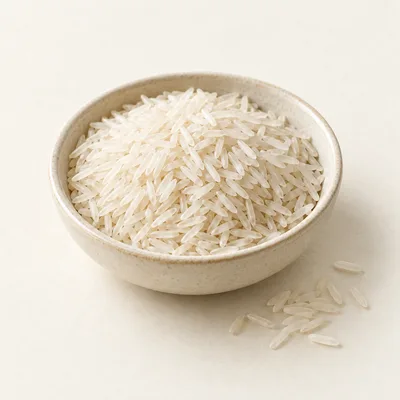 MEAL FOUNDATIONRice
The bhat at the centre of many daily sets
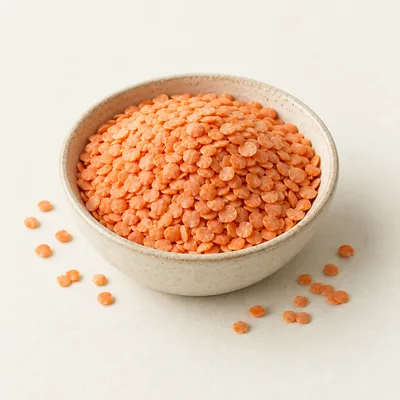 PULSELentil
Dal soups that vary in pulse, tempering and thickness
Fermented leafy vegetables dried for soup and pickle
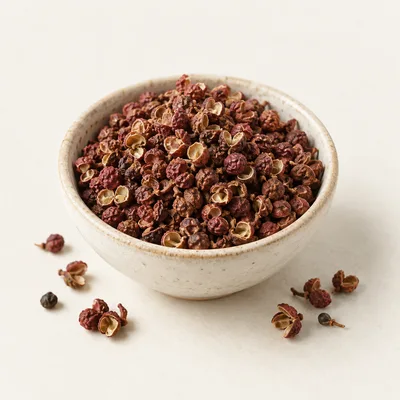 HIMALAYAN SPICETimur
Citrusy numbing pepper used in achar and meat dishes
Dal bhat is assembled through balance. Rice or another staple arrives with pulse soup, vegetable tarkari, achar and sometimes greens, yoghurt or meat; refills and proportions vary by household. [9][7]
Momo has many local lives. Dumpling wrapper, filling, fold, broth and achar reflect Tibetan, Newar and urban restaurant contexts rather than one definitive recipe. [9]
Community homestays can preserve attribution when hosts lead the story.
Ask whose cuisine is being served. A Newar feast, Thakali set, Tharu meal and Sherpa household table use different grains, serving systems and ritual meanings even when tourism menus group them together. [7][8]
Trekking food reflects logistics as well as tradition. Remote menus depend on altitude, road access, season and fuel; imported pizza or noodles may coexist with local buckwheat, potato and dairy without replacing them. [10][7]
Food-culture sources checked .
The everyday plate
The recorded national meal, daal-bhaat-tarkaari, pairs spiced lentils with boiled rice and vegetables cooked with spices. Dahi, fresh chutney or achaar may accompany it. Ask whether the lentils, vegetables and each accompaniment use broth, ghee, mustard oil or other seasonings, and whether a shared spoon or serving pot adds ingredients from another dish.
Newari combinations and snacks
Newari food is described as particularly diverse in the Kathmandu Valley, with Newari restaurants and platter-style examples such as Samay Baji and Newari Khaja. Recorded connections include egg, sesame and black soybeans. Ask which components are included today, how pickles or seasonings are made, and whether the platter is assembled from separate prepared foods.
Tibetan-influenced Himalayan dishes
Momos are dumplings with meat or vegetable fillings; the wrapper is recorded as wheat flour and some fillings or accompanying sauces use soy sauce. Shyakpa and thukpa use wheat-based noodles. Ask about wrapper dough, filling, stock, dipping sauce and noodle water, including whether the same pot or utensils are used.
Breads, sweets and dairy
Possible versions include wheat-based lakhamari, milk-based kheer, yoghurt dishes such as dahi chiura and juju dhau, and chhurpi-based soup. Yomari has a sesame filling, while potato pancakes may be served with butter or yak-milk cheese. Ask about the dough, dairy, fillings, garnishes and cooking surface for each item.
Ingredients worth recognising
Start with these ingredients, then follow their names and recorded food connections. Check the recipe and product actually used.
Wheat flour
Wheat flour is the principal dough ingredient in lakhamari and is recorded in bara as a possible binder; it also forms momo wrappers. Ask whether flour is in batter, sauces or dusting, and how the dough is handled.
Egg
Egg is a common topping or platter component in bara, chatamari and Samay Baji. Ask whether it is mixed into the base, added after cooking, or used in another shared pan, and confirm any accompanying sauce.
Sesame Seed
Sesame is recorded in Aloo Sadheko, Yomari, and possible Samay Baji pickles or seasonings. Ask whether seeds, paste or oil are used, where they are added, and whether the same grinder, spoon or garnish container serves other dishes.
Yogurt
Yogurt is the milk-derived ingredient recorded in dahi chiura, and dairy preparation is central to juju dhau. Ask whether it is plain or flavoured, whether it is served separately, and what milk or toppings are included.
Mustard Oil
Mustard oil is recorded as a dressing or finishing oil in Aloo Sadheko and Bhatmas Sadheko, and as a characteristic cooking medium for choila. Ask whether it is used in the recipe, dressing or pan, and whether another oil is available.
Soy Sauce
Some momo fillings or accompanying sauces use soy sauce, so the dumpling itself is not the only part to check. Ask whether it is in the filling, dipping sauce, marinade or stock, and request the complete sauce ingredients.
How food labelling works
A current, country-specific allergen-labelling summary for Nepal has not yet been verified for this guide. Do not transfer the list of regulated allergens or restaurant disclosure rules from your home country to this one.
Read the complete ingredients on the actual package and keep any local-language sticker with the original label. For imported products, compare the information on that pack rather than a photograph of the brand sold elsewhere. Ask the manufacturer or seller to clarify an unfamiliar term.
For loose food or meals prepared to order, ask who can check the recipe and the labels on bought-in ingredients. Explain every food you avoid, including ingredients outside familiar allergy groups; a short symbol chart may not cover your list.
Language and communication
Nepali is Nepal’s official language and is normally written in Devanagari. Prepare a written explanation in Nepali that names the ingredients or preparation issues to avoid, then ask the cook to confirm the complete recipe, sauces, stock, toppings and shared equipment.
You may encounter Tharu around Chitwan, Newari in the Kathmandu Valley and Sherpa in the Everest area as mother tongues or regional languages. A written Nepali explanation may need local confirmation; dish names in these languages are recognition aids, not a complete allergy request.
Eating in different settings
Teahouse or home-style meal
For daal-bhaat-tarkaari, ask separately about lentils, rice, tarkari, dahi, chutney and achaar. Check whether broth, ghee, mustard oil or another seasoning is used, and whether serving spoons move between pots. Ask for the full plate to be confirmed before it is assembled.
Momo stall or restaurant
Ask what flour is in the wrapper and whether the filling is meat or vegetable. Check soy sauce in both filling and dip, then ask about stock, steamer trays, boiling water and utensils shared with other dumplings. Confirm toppings and sauces at the point of ordering.
Newari restaurant or platter
For Samay Baji or Newari Khaja, request a component-by-component explanation rather than accepting the platter as one recipe. Ask about egg, sesame in pickles or seasonings, black soybeans, oils and any chutney, and whether each item is prepared or garnished separately.
Bakery, sweet shop or packaged-food shop
For lakhamari, kheer, juju dhau, yoghurt or yomari, ask about wheat flour, milk, sesame fillings and garnishes. With packaged foods, read the complete ingredient list, including compound toppings and flavourings, and ask staff to identify unclear ingredients rather than relying on the product name.
Before you travel
Review your personal plan
Discuss your travel plans with your clinician and keep your prescribed medicines and emergency instructions accessible. Tell companions where these are and how to follow your plan.
Check your medicines before entering Nepal
The legal status and regulation of medicines prescribed or bought in the UK can differ in Nepal. Before travel, read current TravelHealthPro guidance and check medicine import or documentation requirements with the relevant Nepali authority, carrying the documents your prescriber or insurer advises.
Make the first meals easier to organise
Contact your accommodation and transport providers in advance. Save your written food list, menu questions and destination address offline. Check entry restrictions before packing backup food, and plan how you will check meals during arrival and onward journeys.
Plan access to medical help
The source says medical treatment can be expensive at western travellers’ clinics, while healthcare is poor outside the Kathmandu Valley and Pokhara. Check that insurance and accessible funds cover treatment, repatriation and remote evacuation, and verify suitable providers and eligibility with your insurer.
Emergency resources
For a suspected severe allergic reaction, follow your prescribed emergency plan and seek urgent medical help. Give your exact location clearly.
Ambulance and urgent medical help
Contact the nearest hospital for emergency transport. Nepal has no central public ambulance service, although private providers operate in major cities. FCDO links to hospitals in Kathmandu and Pokhara.
Explore next
Your allergy in Nepal
Choose a food concern for the country notes and questions relevant to it.
Dishes in Nepal
Follow the ingredients and cuisine connections in individual dish records.
Your own food list
Combine allergy groups and individual ingredients in one guide, with local names where recorded.
Allergy cards
Prepare the information you need to explain your food requirements.
FAQs, sources and review dates
Could a vegetarian dish still need detailed questions?
Yes. A vegetable momo, bara, chatamari or tarkari can still have wheat, egg, soy sauce, sesame, broth or a particular cooking oil. Ask about the batter or wrapper, filling, stock, sauce, topping, shared pan and utensils instead of treating “vegetarian” as a complete recipe.
What should I ask about chhurpi or yak-milk cheese?
Chhurpi is recorded as a traditional milk-derived cheese, and yak-milk cheese may be served with potato pancakes. Ask which cheese or dairy ingredient is actually used, whether butter is added on the griddle, and whether the dish comes with a separate sauce or garnish.
How should I check a mixed Newari platter?
Ask the server to name every component before serving, including pickles, seasonings and garnishes. Samay Baji may include egg, sesame and black soybeans in some versions; Newari Khaja includes black soybeans. Confirm the preparation of each item and any shared serving utensils.
Sources checked: . This researched draft is awaiting editorial review. Practical questions apply the sources below to local food settings; they do not confirm any individual meal's ingredients or preparation.
Sources & references (10)
- FCDO · Nepal health and medical assistance
Emergency contact details, local healthcare and medicine guidance. UK-specific eligibility does not apply to every visitor.
- Wikivoyage contributors · Nepal
Community-edited culinary context only; not an allergy or medical authority. Brief food-context adaptations, CC BY-SA 4.0: https://creativecommons.org/licenses/by-sa/4.0/. Recipe questions also use PlateSafe’s draft records.
- FARE · Dining out
General recipe and preparation questions, applied here to country-specific food examples.
- FARE · Travelling with food allergies
General preparation, written communication and access to prescribed medicines. Not country-specific import permission.
- PlateSafe · Nepal recorded food connections
Existing draft dish and ingredient records, used as examples to investigate. These are not independently verified recipes or suitability assessments.
- Unicode CLDR · Territory language data
Language suggestions. Regional language needs must be confirmed with the particular food provider.
- Visit Nepal — Culture and food
- Nepal Tourism Board — People of Nepal
- Nepal Tourism Board — Heritage cuisine recipe book
- FAO — Nepal country profile