
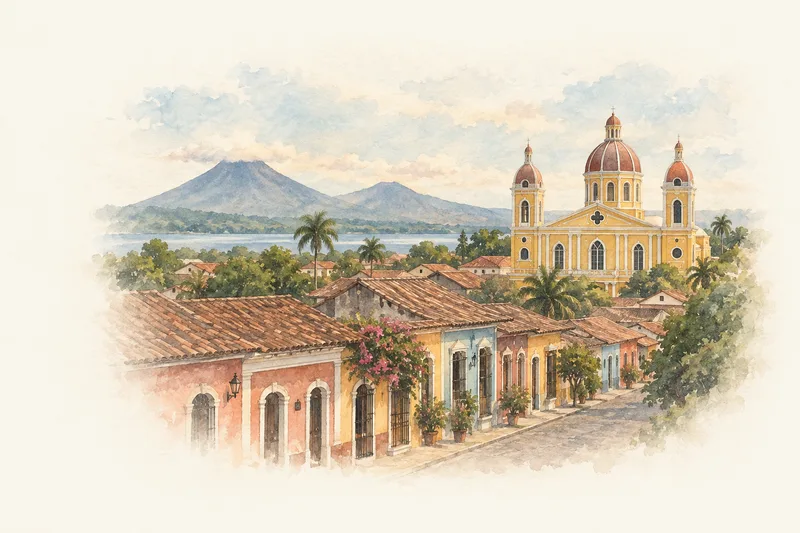
BEFORE YOUR FIRST MEAL
Navigating food allergies in Nicaragua
Nicaraguan meals often combine rice, small red beans, meat or fish, salad and fried plantains, while street stalls and fritangas bring varied frying and grilling practices. Corn tortillas, dairy-rich quesillo, nacatamales, soups and Caribbean coconut dishes add different questions. Recipes and preparation can vary between regions and cooks, so check the complete dish rather than relying on its name.
What to know first
Rice, beans and sides
Gallo pinto combines rice and beans, while a typical plate may add meat, salad and fried plantains. Ask whether stock, seasoning or shared serving utensils enter each part.
Fried and wrapped foods
Fritangas fry foods in vegetable oil or lard; tacos and enchiladas have filled, battered tortillas, while nacatamales are seasoned fillings wrapped in banana leaf. Confirm every layer.
Explain the whole concern
In Spanish, describe the ingredient to avoid and ask about the complete recipe, sauces, stock, toppings and cooking surface. “I do not eat meat” may not communicate every restriction.
Ask about preparation
For fried, grilled, steamed or boiled food, ask whether oil, water, grills, pans, knives and serving utensils are shared with the ingredient you avoid.
Read the full label
Read the complete ingredients and allergen information on the actual product. If you avoid a food that is not highlighted, ask the producer or food provider to check it specifically.
Understanding the food
Maize, beans, rice, plantain, cassava, cheese, pork, beef, freshwater fish and tropical fruit connect Indigenous, Spanish, African-descended and migrant food histories. Pacific and central dishes differ sharply from Miskitu, Mayangna, Rama, Garifuna and Creole traditions on the Caribbean coast.
Two coasts and volcanic highlands organise different staples and fats.
| Region or community context | Food landscape | Examples to explore |
|---|---|---|
| Pacific cities | Maize, beans, cheese, pork and fritanga culture | Gallo pinto, vigorón, quesillo, nacatamal and grilled meats |
| Northern & central highlands | Coffee, cattle, maize, beans and cooler farms | Soups, cuajada cheese, tortillas and roast meats |
| Great Lakes & Río San Juan | Freshwater fish, cassava, plantain and wetlands | Fish soups, guapote, vigorón and river foods |
| Caribbean autonomous regions | Coconut, seafood, root crops and Indigenous or Creole foodways | Rondón, patí, coconut rice and smoked fish |
INTUR explicitly describes territorial cuisines. Its material distinguishes coastal food and regional dishes such as vaho, mondongo and ajiaco rather than offering one national shortlist. [8]
Caribbean food requires community attribution. Rondón and patí sit within Afro-Caribbean and Indigenous coast histories, while Garifuna heritage is shared across several Central American countries. [7][10]
Maize, bean and plantain take new forms throughout the day.
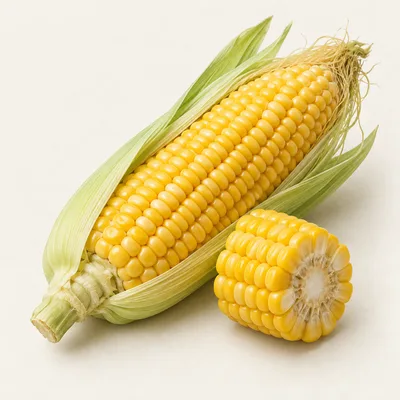 FOUNDATIONAL GRAINMaize
Tortillas, nacatamal masa, drinks and sweets
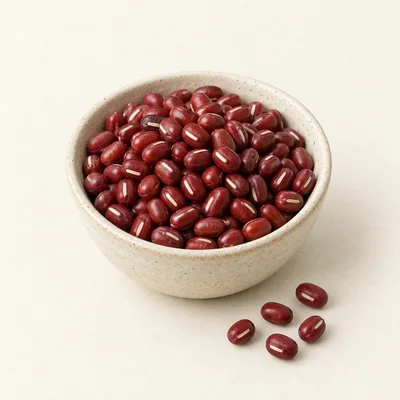 EVERYDAY LEGUMERed bean
Cooked alone or fried with rice as gallo pinto
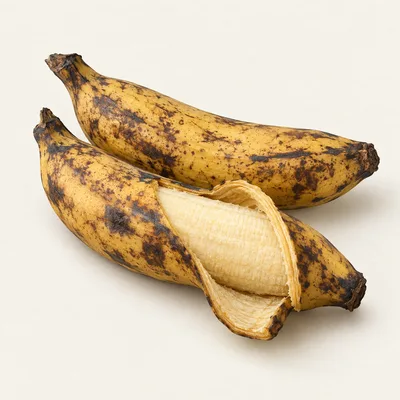 COOKING BANANAPlantain
Green tajadas, ripe maduros and boiled sides
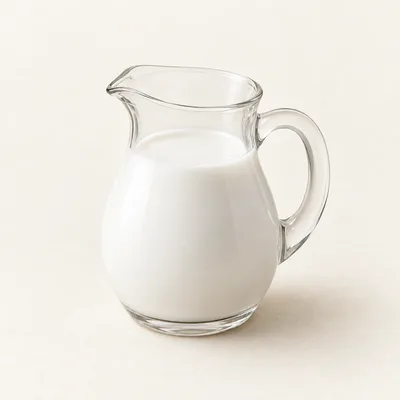 CARIBBEAN RICHNESSCoconut milk
Rondón, rice, seafood and coast breads
Nacatamal is weekend and family labour. Seasoned maize dough, pork, rice, potato and changing additions are wrapped in plantain leaf and steamed, commonly prepared for Friday-to-Sunday eating. [7]
Fritanga is a venue as much as a frying method. Evening stands assemble grilled beef, pork or chicken with gallo pinto, cabbage salad, fried cheese and green or ripe plantain. [7]
Market comedor, fritanga and Caribbean home kitchen offer different vocabularies.
Ask for the regional version. Gallo pinto, tamales, soups and corn drinks change in seasoning, wrapping and serving between cities and coasts. [8][7]
Do not present turtle as an uncomplicated attraction. Some historical Caribbean preparations used turtle, but conservation law and community practice require current, local guidance; fish or beef versions of rondón are widely available. [7][9]
Food-culture sources checked .
Fritanga plates and frying
Fritangas commonly offer grilled chicken, beef and pork alongside fried foods. Tacos may contain chicken or beef in a rolled tortilla with cabbage salad, cream, sauce and chile; enchiladas contain beef and rice, batter and a deep-fried tortilla. Ask whether oil, batter, toppings and utensils are shared.
Corn, dairy and traditional dishes
Gallo pinto is a rice-and-bean mixture often served at breakfast. Quesillo wraps mozzarella-type cheese, pickled onion, watery sour cream and salt in a thick corn tortilla. Nacatamales use pork or beef with seasonings in banana leaf, while Indio Viejo uses corn masa, shredded chicken or beef and mint.
Regional and recipe variation
Caribbean cooking includes coconut dishes such as fish soup with coconut and pan de coco; rundown may need advance ordering and can include fish or other seafood. Carne en baho combines beef, yucca, sweet potato and potato steamed in plantain leaves. Ask which regional version is being prepared and what stock or sauce it uses.
Ingredients worth recognising
Start with these ingredients, then follow their names and recorded food connections. Check the recipe and product actually used.
Wheat flour
Wheat flour is recorded in pan de coco, pati, Pio Quinto and other baked examples, and may form pastry or sponge cake. Ask whether flour appears in the dish, batter, crumbs or bakery equipment, using this exact ingredient name.
Corn tortilla
Nicaraguan tortillas are described as thick corn tortillas, including the wrapping for quesillo and fried tacos or enchiladas. Some formulated tortillas also use wheat flour, so ask what the tortilla contains and whether it shares a griddle or fryer.
Cow Milk
Milk appears in dairy-based examples such as Cajeta de Leche and can contribute to custards, soups or enriched corn mixtures. Ask whether the recipe uses milk, a milk-derived product, or a substitute, and check cream or cheese separately.
Egg
Egg is recorded as a binder or structural ingredient in quesillo, Pio Quinto, sopa de albóndigas and some cakes or dumplings. Ask about fillings, batters, custards and garnishes rather than assuming a savoury dish is egg-free.
Vegetable Oil
Fried plantains, fritanga foods and fried tortillas may be prepared with vegetable oil, although lard may also be used. Ask which fat is in the fryer and whether it is shared with other foods.
How food labelling works
A current, country-specific allergen-labelling summary for Nicaragua has not yet been verified for this guide. Do not transfer the list of regulated allergens or restaurant disclosure rules from your home country to this one.
Read the complete ingredients on the actual package and keep any local-language sticker with the original label. For imported products, compare the information on that pack rather than a photograph of the brand sold elsewhere. Ask the manufacturer or seller to clarify an unfamiliar term.
For loose food or meals prepared to order, ask who can check the recipe and the labels on bought-in ingredients. Explain every food you avoid, including ingredients outside familiar allergy groups; a short symbol chart may not cover your list.
Language and communication
Spanish is Nicaragua’s official language and should be the priority for a written food explanation. List the exact ingredient to avoid, the dishes being considered, and the need to check recipe, stock, sauce, toppings, oil and utensils. Ask staff to confirm the complete preparation, not just the dish name.
Creole English and indigenous languages are spoken along parts of the Caribbean coast, while remote eastern areas may differ linguistically from the rest of the country. For regional travel, prepare the same written explanation in advance and seek confirmation from the person responsible for cooking; names are recognition aids, not a complete request.
Eating in different settings
Fritanga or street grill
For grilled meat, fried tacos, enchiladas or plantains, ask what oil or lard is used, whether the fryer is shared, and whether cabbage salad, cream, ketchup, tomato sauce or chile is added separately.
Quesillo or roadside counter
Ask the person assembling quesillo whether the tortilla contains only corn or also wheat flour, and whether cheese, cream, pickled onion and salt are added. Check the surface, knife and serving materials used for other fillings.
Bakery or pastry shop
For pan de coco, pati, cakes or pastries, ask for the complete recipe and ingredient list, including wheat flour, butter, milk and egg. Ask whether fillings, toppings and equipment are shared between different baked goods.
Supermarket or small shop
In supermarkets, markets or pulperias, read every packaged ingredient list and ask about unclear terms. For dairy, check whether the product uses milk, cream or vegetable fat; do not treat a familiar brand or food category as proof.
Before you travel
Review your personal plan
Discuss your travel plans with your clinician and keep your prescribed medicines and emergency instructions accessible. Tell companions where these are and how to follow your plan.
Check your medicines before entering Nicaragua
British prescriptions cannot be used locally in Nicaragua, and the legal status of UK medicines may differ. Before travel, check medicine import requirements and best-practice guidance with TravelHealthPro or the relevant Nicaraguan authority. Identify a pharmacy in advance; named national chains include FarmaValue, Farmacia MEDCO, Farmacia Saba, Farmacia Kielsa and Farmacia El Ahorro.
Make the first meals easier to organise
Contact your accommodation and transport providers in advance. Save your written food list, menu questions and destination address offline. Check entry restrictions before packing backup food, and plan how you will check meals during arrival and onward journeys.
Plan access to medical help
Public hospitals are generally the lower-cost route for emergency treatment, but facilities vary and some staff may not speak English. Private hospitals usually require payment up front, often in cash. Check travel insurance cover, accessible funds and the FCDO provider list before travel, including which providers may have English-speaking staff.
Emergency resources
For a suspected severe allergic reaction, follow your prescribed emergency plan and seek urgent medical help. Give your exact location clearly.
Ambulance and urgent medical help
Call 911 and ask for an ambulance.
Explore next
Your allergy in Nicaragua
Choose a food concern for the country notes and questions relevant to it.
Dishes in Nicaragua
Follow the ingredients and cuisine connections in individual dish records.
Your own food list
Combine allergy groups and individual ingredients in one guide, with local names where recorded.
Allergy cards
Prepare the information you need to explain your food requirements.
FAQs, sources and review dates
Could a corn tortilla still need checking?
Yes. The recorded corn-tortilla example notes that some formulated tortillas use wheat flour as well as corn. Ask what flour is used, whether the tortilla is made on a shared surface, and whether a fried version enters shared oil.
What should I ask about coconut dishes?
Coconut appears in Caribbean examples including fish soup with coconut, coconut shrimp soup and pan de coco. Ask whether coconut is present in this recipe, and separately confirm fish, shrimp, stock, flour, milk or other additions.
How should I check a nacatamal or soup?
Ask for the full filling or broth recipe, not only the main meat or fish. For nacatamales, check the masa, seasoning and banana-leaf preparation; for soup, ask about stock, garnish, cream, coconut and shared ladles.
Sources checked: . This researched draft is awaiting editorial review. Practical questions apply the sources below to local food settings; they do not confirm any individual meal's ingredients or preparation.
Sources & references (10)
- FCDO · Nicaragua health and medical assistance
Emergency contact details, local healthcare and medicine guidance. UK-specific eligibility does not apply to every visitor.
- Wikivoyage contributors · Nicaragua
Community-edited culinary context only; not an allergy or medical authority. Brief food-context adaptations, CC BY-SA 4.0: https://creativecommons.org/licenses/by-sa/4.0/. Recipe questions also use PlateSafe’s draft records.
- FARE · Dining out
General recipe and preparation questions, applied here to country-specific food examples.
- FARE · Travelling with food allergies
General preparation, written communication and access to prescribed medicines. Not country-specific import permission.
- PlateSafe · Nicaragua recorded food connections
Existing draft dish and ingredient records, used as examples to investigate. These are not independently verified recipes or suitability assessments.
- Unicode CLDR · Territory language data
Language suggestions. Regional language needs must be confirmed with the particular food provider.
- Nicaragua Tourism Board — Nicaraguan gastronomy
- Nicaragua Tourism Board — Gastronomy as an attraction
- FAO — Nicaragua country profile
- UNESCO — Language, dance and music of the Garifuna