
BEFORE YOUR FIRST MEAL
Navigating food allergies in Niger
Nigerian meals may centre on a grain or dough with a sauce, while street-food choices include brochettes, kilishi, masa and fried dough. Regional availability matters: dumbou is associated with Djerma/Zarma areas, and recipes can vary by cook. For an allergy or gluten-related requirement, identify the base, sauce, seasoning paste and cooking method separately rather than relying on a dish name.
What to know first
A grain base may not be plain
Millet porridge, rice, corn cous-cous, macaroni and wheat-based doughs appear in different meals. Ask what the base contains before considering the accompanying sauce.
Sauces and coatings matter
Okra, pepper, tomato and squash sauces can accompany grain dishes, while peanut may enrich kilishi, tsire, miyan taushe and other recorded preparations.
Explain the whole requirement
Give a written explanation in French or Hausa, then ask for confirmation of the complete recipe, including stock, spice paste, garnish, topping and any shared utensils.
Separate ingredients from preparation
Ask whether food is fried, grilled, boiled or mixed in the same oil, water, pan or serving dish as another food, and whether a fresh utensil can be used.
Read the complete label
Read the complete ingredients and allergen information on the actual product. If you avoid a food that is not highlighted, ask the producer or food provider to check it specifically.
Understanding the food
Millet, sorghum, cowpea, rice, groundnut, okra, moringa, dates, milk and livestock vary among Hausa, Zarma-Songhai, Tuareg, Fulani, Kanuri, Toubou and other communities. Southern farming towns, river settlements, Aïr oases and mobile pastoral camps depend on different harvests and markets.
Rain, river and herd determine the grain beneath the sauce.
| Region or community context | Food landscape | Examples to explore |
|---|---|---|
| South-central Hausa belt | Millet, sorghum, cowpea, groundnut and market farming | Tô, millet couscous, bean cakes and leafy sauces |
| Niger River west | Irrigated rice, fish, vegetables and Zarma-Songhai foodways | Rice with sauce, river fish, okra and millet dishes |
| Aïr & Agadez | Oasis dates, gardens, camel trade and Tuareg pastoral food | Flatbreads, meat, dates, milk and tea |
| Diffa & Lake Chad east | Kanuri farming, livestock, peppers and cross-border trade | Millet, fish, meat broths and dried vegetables |
Millet and sorghum are climate-sensitive foundations. FAO’s current brief tracks planting, rainfall and prices across a short rainy season, showing how quickly cereal availability changes. [7][8]
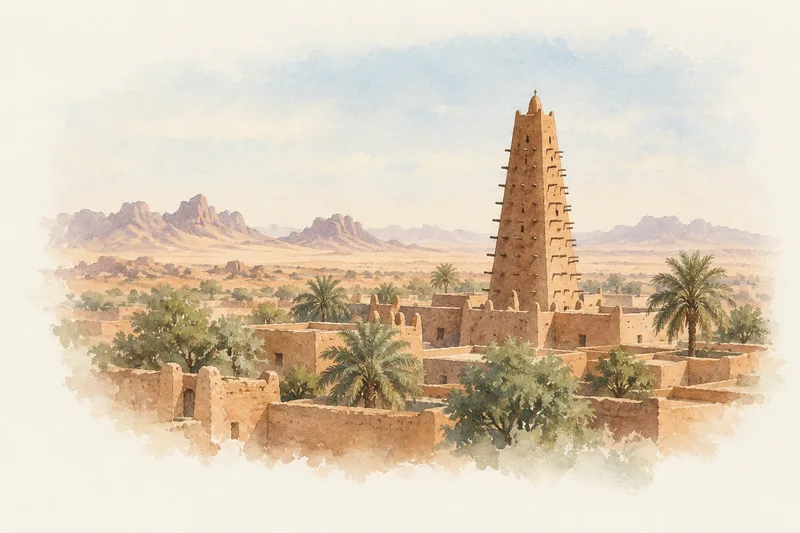
Agadez grew through caravan and oasis exchange. UNESCO records a historic trading centre at the gateway to the Sahara, context for dates, pastoral foods, wheat and tea without reducing Tuareg cuisine to desert imagery. [9][10]
Fermented grain, leaf sauce and cultured milk extend scarce harvests.
Porridge, tô, couscous and fermented drinks
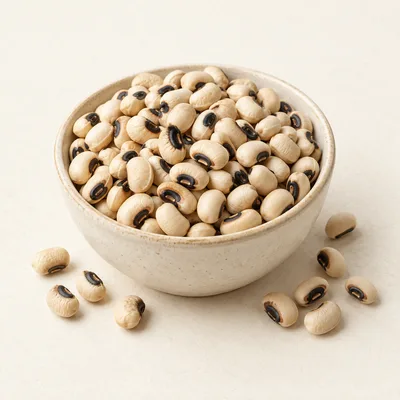 FIELD LEGUMECowpea
Stews, bean cakes and grain combinations
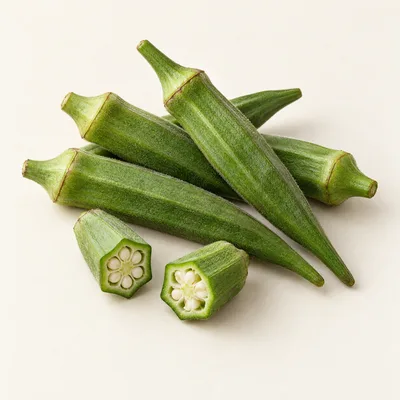 LEAF & PODOkra
Fresh or dried to thicken sauces
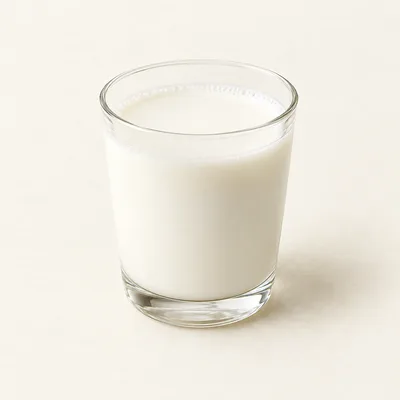 PASTORAL DAIRYMilk
Fresh, soured or mixed into millet foods
Millet is processed into several textures. It may be pounded for firm paste, rolled into couscous, cooked as porridge or fermented into drink, allowing one grain to serve different meals and seasons. [8][7]
Pastoral dairy is a food system, not a garnish. Fulani, Tuareg and other herding communities use fresh and soured milk with grain, while mobility, pasture and animal health determine supply. [8][10]
A market bowl and a pastoral welcome follow different rules.
Shared dishes are organised by host and household. Rice, millet or couscous may arrive with a common sauce and small amount of meat; follow the section and pace indicated by those sharing the bowl. [9][8]
Food insecurity is current context, not culinary character. Conflict, restricted field access, rainfall and high prices affect what people can eat; do not romanticise lean ingredients as timeless simplicity. [7]
Food-culture sources checked .
Porridge, rice and sauce
A dense millet porridge may be topped with okra, pepper, tomato or squash sauce, sometimes with vegetables and pieces of meat. Rice may be served with the same sauce choices, and rice and beans is another recorded combination. Ask whether the sauce contains ground peanut, dried fish, stock or a seasoning paste, and whether toppings are added after cooking.
Corn, leaves and regional variation
A version of Dumbou combines corn cous-cous with moringa leaves, black-eyed peas and sauce, and it is associated with Djerma/Zarma regions. Availability therefore needs checking locally. Ask whether the corn base is prepared alone, what binds or seasons the mixture, and whether the sauce and legumes are cooked in the same pot or added separately.
Fried and dough-based foods
Masa is described as a sourdough pancake served with a peanut, hot-pepper or ginger spice mix, or a brown sauce. Fari masa is fried dough served with squash-tomato salsa or sugar, while chichena is a similar fried item made from bean flour rather than wheat flour. Confirm the flour, batter ingredients, oil and serving accompaniment.
Meat, fish and chilled foods
Brochettes may use beef, lamb or goat; kilishi is dried beef with regular, peanut-spiced or hot-pepper-spiced versions. Fried fish sandwiches, omelet sandwiches, ground beef sandwiches and yoghurt are also recorded. Ask about marinades, coating paste, bread, mayonnaise or sauce, frying oil, and whether chilled dairy is cow-milk based.
Ingredients worth recognising
Start with these ingredients, then follow their names and recorded food connections. Check the recipe and product actually used.
Peanut
Peanut may be ground into a coating or seasoning for kilishi and tsire, and used in sauces or spice mixes such as masa accompaniments. Ask whether it is present as whole pieces, powder, paste or oil, and whether the same grinder or spoon is used.
Wheat flour
Wheat flour is recorded as the base for Alkaki and Taguella, and chichena is specifically distinguished from wheat-based fried dough by its bean flour. Ask which flour is in the dough, whether a filling or sauce adds flour, and how it is fried.
Dried Fish
Dried fish appears in some Miyan Kuka preparations and in savoury variations of Miyan Wake; it can provide protein or seasoning. Ask whether the fish is added whole, powdered or in stock, and whether the same pot or ladle is used for other sauces.
Egg
Egg is an occasional accompaniment with Dan Wake, while omelet sandwiches are also recorded in the wider food description. Ask whether egg is mixed into the main batter, added on top, or cooked separately, and whether the pan and spatula are shared.
Cow Milk
Cow milk or a milk-derived ingredient is recorded in Fura da Nono, while yoghurt is described as a sweet, pasteurised chilled food. Ask whether the serving is made with cow milk, what else is mixed in, and whether the container or spoon is shared.
Peanut Oil
Peanut oil is a recorded ingredient distinct from peanut paste or ground peanut. Do not assume the frying oil is vegetable oil: ask what oil is used for fari masa, fried fish, brochettes or other food, and whether it has been reused.
How food labelling works
A current, country-specific allergen-labelling summary for Niger has not yet been verified for this guide. Do not transfer the list of regulated allergens or restaurant disclosure rules from your home country to this one.
Read the complete ingredients on the actual package and keep any local-language sticker with the original label. For imported products, compare the information on that pack rather than a photograph of the brand sold elsewhere. Ask the manufacturer or seller to clarify an unfamiliar term.
For loose food or meals prepared to order, ask who can check the recipe and the labels on bought-in ingredients. Explain every food you avoid, including ingredients outside familiar allergy groups; a short symbol chart may not cover your list.
Language and communication
Prepare a written explanation first in French, Niger’s official language, and ask the person taking the order to read it back or confirm each part of the recipe. French may be more useful in Niamey than in some markets, so keep the wording short and specific.
Hausa is locally used, while Djerma/Zarma is especially relevant in Niamey and the bordering Tillaberi and Dosso regions; Fulfulde, Tamashek and Kanuri also have particular regional contexts. Use the appropriate local language where possible, but still seek confirmation from the cook or guide. Dish names help recognition only; they are not a complete allergy request.
Eating in different settings
Street-food stall
For kilishi, masa, fari masa, chichena or koudagou, ask what flour, spice mix, salsa or sauce is used and whether peanut is added. Ask which oil and pan are used, whether oil is shared, and whether the portion can be kept separate from toppings.
Brochette or sandwich counter
For brochettes, ask whether the meat is beef, lamb or goat and what is in the marinade or basting sauce. For omelet, fish or ground-beef sandwiches, check the bread, egg, sauce and oil, and ask for clean preparation and serving utensils.
Restaurant or shared meal
When ordering millet porridge, rice, dumbou or a miyan soup, ask for the complete recipe: base, sauce, stock, dried fish, ground peanut, vegetables and meat. Confirm whether communal serving spoons, pots or ladles are used across dishes.
Fridge or packaged-food shop
For yoghurt, Fura da Nono or another chilled item, ask what milk preparation it contains and check the complete label where one is available. For packaged snacks or sauces, identify every ingredient rather than relying on a flavour name, picture or dietary claim.
Before you travel
Review your personal plan
Discuss your travel plans with your clinician and keep your prescribed medicines and emergency instructions accessible. Tell companions where these are and how to follow your plan.
Check your medicines before entering Niger
The legal status and regulation of medicines prescribed or bought in the UK may differ in Niger. Before travel, read the medicine-travel guidance on TravelHealthPro and check with the relevant authority in Niger whether the specific medicine requires any documents or has quantity limits. Do not stop or alter prescribed treatment without professional advice.
Make the first meals easier to organise
Contact your accommodation and transport providers in advance. Save your written food list, menu questions and destination address offline. Check entry restrictions before packing backup food, and plan how you will check meals during arrival and onward journeys.
Plan access to medical help
The official source describes medical facilities in Niger as poor, including in Niamey, and says serious treatment may require evacuation to Europe. Check that travel insurance covers medical treatment and repatriation, and confirm what the policy covers and how you would access funds if treatment or repatriation is needed.
Emergency resources
For a suspected severe allergic reaction, follow your prescribed emergency plan and seek urgent medical help. Give your exact location clearly.
Ambulance and urgent medical help
Call 15 and ask for an ambulance. Public emergency services can be slow to respond. Some private medical clinics also have ambulance services.
Explore next
Your allergy in Niger
Choose a food concern for the country notes and questions relevant to it.
Dishes in Niger
Follow the ingredients and cuisine connections in individual dish records.
Your own food list
Combine allergy groups and individual ingredients in one guide, with local names where recorded.
Allergy cards
Prepare the information you need to explain your food requirements.
FAQs, sources and review dates
Could a sauce change the meaning of a plain rice or millet order?
Yes. Rice and millet porridge may be paired with several sauces, including okra, pepper, tomato or squash, and a sauce may contain added seasoning or protein. Ask for the base and sauce separately, then check stock, dried fish, peanut, toppings and shared serving utensils.
Is chichena the same as fari masa?
These may be similar fried foods, but chichena is distinguished as being made from bean flour rather than wheat flour. Confirm the actual flour and batter used by that cook, then ask about frying oil, shared equipment and whether salsa or sugar is added.
What should I check if I avoid pine nuts or coconut?
These are not listed among Niger food examples. Do not assume their absence from an unfamiliar sauce, sweet or packaged product: ask for the complete recipe or ingredient list, including spice mixes, toppings and oils, rather than relying on a dish name.
Sources checked: . This researched draft is awaiting editorial review. Practical questions apply the sources below to local food settings; they do not confirm any individual meal's ingredients or preparation.
Sources & references (10)
- FCDO · Niger health and medical assistance
Emergency contact details, local healthcare and medicine guidance. UK-specific eligibility does not apply to every visitor.
- Wikivoyage contributors · Niger
Community-edited culinary context only; not an allergy or medical authority. Brief food-context adaptations, CC BY-SA 4.0: https://creativecommons.org/licenses/by-sa/4.0/. Recipe questions also use PlateSafe’s draft records.
- FARE · Dining out
General recipe and preparation questions, applied here to country-specific food examples.
- FARE · Travelling with food allergies
General preparation, written communication and access to prescribed medicines. Not country-specific import permission.
- PlateSafe · Niger recorded food connections
Existing draft dish and ingredient records, used as examples to investigate. These are not independently verified recipes or suitability assessments.
- Unicode CLDR · Territory language data
Language suggestions. Regional language needs must be confirmed with the particular food provider.
- FAO GIEWS — Niger country brief
- FAO — Niger country profile
- UNESCO World Heritage Centre — Historic Centre of Agadez
- UNESCO World Heritage Centre — Aïr and Ténéré Natural Reserves