
BEFORE YOUR FIRST MEAL
Navigating food allergies in Nigeria
Nigeria’s food range includes soups served with starches, grilled or fried plantain, rice dishes, bean preparations, pastries and dairy-based drinks. Recipes can change between regions and cooks: fish, crayfish, peanuts, wheat, egg and milk may appear as main ingredients, seasonings, coatings or optional additions. Treat familiar dish names as starting points, then confirm the complete recipe and preparation.
What to know first
Soups are assembled dishes
Afang, okra, egusi, ogbono and pepper soups may include fish, dried fish, crayfish or stock. Ask what is in the pot, not only which soup it is.
Coatings and toppings matter
Suya seasoning may contain ground peanut; kilishi may use a peanut coating; dan wake may have peanuts. Check spice pastes, finishing powders and accompaniments separately.
Explain the whole concern
Give a written explanation in English or Nigerian Pidgin, and use Yoruba or Hausa support where appropriate. Ask the cook or server to confirm each ingredient and method.
Check shared preparation
Ask whether plantain, suya, puff-puff or other fried foods share oil, and whether spoons, boards, pans or water are shared with allergen-containing foods.
Read the complete label
For packaged foods, read the full ingredient list rather than relying on a product name or dietary wording. These notes provide no national labelling rule, so check uncertain terms.
Understanding the food
Yam, cassava, rice, millet, sorghum, cowpea, plantain, palm oil, groundnut, leafy vegetables, fish and livestock move through Yoruba, Igbo, Hausa, Fulani, Edo, Efik, Ibibio, Ijaw, Tiv, Kanuri and many other kitchens. No single jollof, soup or swallow can represent a country of this scale.
Grain belt, forest zone, delta and coast produce different culinary systems.
| Region or community context | Food landscape | Examples to explore |
|---|---|---|
| Southwest | Yoruba yam, cassava, beans, pepper and market food | Amala, ewedu, gbegiri, ofada rice and akara |
| Southeast | Igbo yam, cocoyam, palm oil, leafy soups and fermentation | Ofe onugbu, abacha, okpa, nkwobi and fufu |
| Niger Delta & south-south | Fish, shellfish, plantain, palm fruit and wetland communities | Banga soup, fisherman soup, afang and seafood pepper soup |
| North | Millet, sorghum, rice, groundnut, cattle and Hausa-Fulani trade | Tuwo, miyan kuka, masa, kilishi and suya |
Agricultural zones explain much of the regional contrast. FAO profiles roots, grains, pulses, livestock, fisheries and oil crops across ecological belts from humid coast to semi-arid north. [9]
Cuisine belongs to communities and cities, not only geopolitical zones. Federal culture and tourism institutions present food within festivals, craft and living heritage; Yoruba, Igbo, Hausa, Efik and other names should remain attached. [7][8]
Swallow and soup form a relationship of texture, leaf and seasoning.
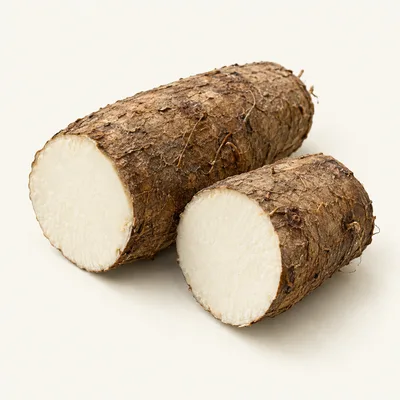 TUBER STAPLEYam
Pounded, boiled, fried or cooked as porridge
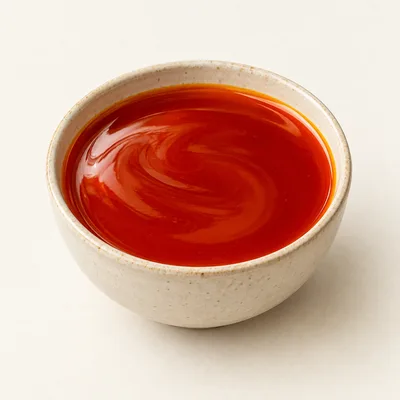 PRIMARY FATRed palm oil
Colour and depth for soups, beans and stews
Ground melon seed enriching regional soups
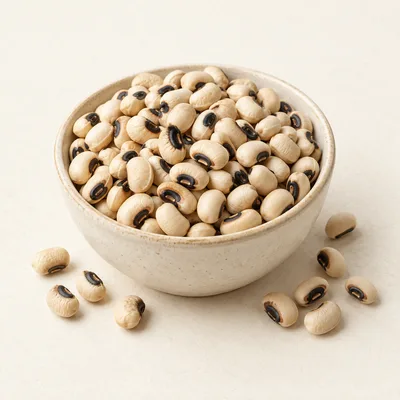 FIELD LEGUMECowpea
Akara, moi moi, stews and rice combinations
Soup names often identify leaf or thickener. Egusi, ogbono, okra, ewedu, afang, edikang ikong and banga describe different structures that pair with pounded yam, eba, amala, fufu or tuwo. [8][9]
Jollof rice is regional and competitive by design. Nigerian versions commonly layer long-grain rice with tomato, pepper, onion and stock, while party jollof gains smoke and scale from large-pot cooking. [7]
Buka, canteen, suya stand and celebration kitchen each organise food differently.
Point-and-choose service reveals the full meal. A buka may offer several soups, swallows, rice dishes and proteins; ask which soup is freshest and which community style the cook follows. [7][8]
Sacred and festival foods require context. UNESCO’s Osun-Osogbo landscape remains a living Yoruba religious site; food connected to offerings or festivals should not be treated as ordinary street entertainment. [10][8]
Food-culture sources checked .
Soups, stocks and served starches
Nigerian food examples include afang, okra, owo, egusi, ogbono, efo riro and pepper soup, often eaten with a starch such as amala, eba, pounded yam or rice. Ask whether the soup began with fish stock, seafood stock, dried fish, stockfish or crayfish, and whether these were blended into the base rather than added visibly. Confirm the complete soup and the starch separately.
Grilling, frying and spice coatings
Plantain may be fried, boiled or roasted, while boli is a grilled or fried plantain example that may be accompanied by fish. Suya is a kebab-style food with a ground-peanut seasoning connection, and kilishi may have peanut in its coating. Ask what oil was used, whether it was shared, and whether the seasoning was applied before cooking or added at the end.
Rice, beans and steamed preparations
Jollof rice is a recognisable Nigerian example, while Nigerian fried rice may occasionally include egg. Moi moi is a bean preparation with recorded variations involving crayfish, fish or boiled egg; moin moin is also listed among local foods. Ask about stock, seasoning powders, fillings, toppings and cooking vessels, rather than assuming a plain-looking rice or bean dish has a simple recipe.
Baked, fried and dairy-linked foods
Chin chin and puff-puff are fried examples, and Nigerian meat pie has a wheat pastry shell; egg may be used as a wash. Scotch egg involves boiled egg and commonly a wheat-based coating. Fura da nono includes a milk-based component, while homemade Nigerian custard may be egg-enriched. Ask about flour, breadcrumbs, butter, milk, egg and shared frying equipment.
Ingredients worth recognising
Start with these ingredients, then follow their names and recorded food connections. Check the recipe and product actually used.
Peanut
Peanut may be a soup base, thickener, topping or coating: Hausa groundnut soup, kunun gyada, miyan taushe, kilishi and suya are possible examples. Ask whether peanut was blended into the dish, used in seasoning or handled in shared preparation.
Wheat flour
Wheat flour is the core flour in chin chin, puff-puff, meat pie pastry, Scotch egg coating and tuwon alkama. Ask about the flour in doughs and coatings, and whether breadcrumbs or flour dust were used on shared surfaces.
Dried Crayfish
Dried crayfish is recorded as seasoning in afang, edikang ikong and some other soups, and as a variation in moi moi. Ask whether it was ground into the soup, included in stock, or sprinkled on top.
Fish
Fish is a defining or recognised variation in Fisherman Soup, fish stew, pepper soup, egusi, ogbono and vegetable soup. Ask which fish was used, whether fish stock was added, and whether utensils or serving ladles were shared.
Egg
Egg is intrinsic to Nigerian yam and egg sauce, and appears in some moi moi fillings, fried rice, custard, meat-pie wash and Scotch egg coatings. Ask whether egg is mixed through, brushed on, filled inside or used on shared equipment.
Cow Milk
Milk-based ingredients are relevant to fura da nono, and dairy may also occur in prepared foods such as butter-based dough or some breadcrumbs. Ask for the complete ingredient list and whether milk was added during cooking, filling or serving.
How food labelling works
A current, country-specific allergen-labelling summary for Nigeria has not yet been verified for this guide. Do not transfer the list of regulated allergens or restaurant disclosure rules from your home country to this one.
Read the complete ingredients on the actual package and keep any local-language sticker with the original label. For imported products, compare the information on that pack rather than a photograph of the brand sold elsewhere. Ask the manufacturer or seller to clarify an unfamiliar term.
For loose food or meals prepared to order, ask who can check the recipe and the labels on bought-in ingredients. Explain every food you avoid, including ingredients outside familiar allergy groups; a short symbol chart may not cover your list.
Language and communication
Prepare a written food-allergy explanation in English, the official and widely used language, and Nigerian Pidgin for informal communication where that is the language used around you. Ask the recipient to read it fully and confirm the recipe, stock, toppings and preparation method.
Yoruba is particularly relevant in south-western Nigeria, while Hausa is widely used in northern areas. Regional language support can matter outside larger urban settings. Treat dish names as recognition aids only; ask a Yoruba- or Hausa-speaking helper to check the whole request, without relying on a single translated food word.
Eating in different settings
Suya or grilled-food counter
Ask whether the suya seasoning contains ground peanut and whether it is applied before grilling or sprinkled afterwards. Check whether meat shares a grill, tray, knife or serving brush with fish, and whether any accompanying rice or sauce has stock or peanut.
Market or fried-food stall
For plantain, puff-puff, chin chin or boli, ask which oil is used and whether the same oil, pan, tongs or draining surface is used for other foods. For boli, confirm whether fish is an accompaniment rather than part of the plantain itself.
Soup-and-starch restaurant
With afang, okra, egusi, ogbono, pepper or vegetable soup, ask for every stock, dried fish, crayfish, fish and seasoning ingredient. Confirm whether amala, eba, pounded yam or rice is prepared separately, and ask about shared ladles and serving bowls.
Bakery, packaged-food shop or accommodation kitchen
For meat pie, Scotch egg, chin chin, custard or fura da nono, ask to see the full ingredient information or have the recipe checked. Confirm wheat, breadcrumbs, butter, milk and egg, then ask whether preparation surfaces and utensils are shared.
Before you travel
Review your personal plan
Discuss your travel plans with your clinician and keep your prescribed medicines and emergency instructions accessible. Tell companions where these are and how to follow your plan.
Check your medicines before entering Nigeria
The official guidance says pharmacies in Nigeria accept UK prescriptions, but most medicines that require a UK prescription generally require one in Nigeria too. Keep existing packaging and read TravelHealthPro’s best-practice guidance on travelling with medicines before travel.
Make the first meals easier to organise
Contact your accommodation and transport providers in advance. Save your written food list, menu questions and destination address offline. Check entry restrictions before packing backup food, and plan how you will check meals during arrival and onward journeys.
Plan access to medical help
Healthcare standards can differ from the UK; treatment at public hospitals must be paid for, private hospitals cost more, and local facilities may be crowded or short of supplies or equipment. Check FCDO’s provider information and ask your insurer what treatment and payment arrangements your policy covers before travelling.
Emergency resources
For a suspected severe allergic reaction, follow your prescribed emergency plan and seek urgent medical help. Give your exact location clearly.
Ambulance and urgent medical help
Report an emergency on 112. Nigeria has no national ambulance service, and hospital ambulance capacity is very limited. Establish local medical contacts and transport options before you need help.
Explore next
Your allergy in Nigeria
Choose a food concern for the country notes and questions relevant to it.
Dishes in Nigeria
Follow the ingredients and cuisine connections in individual dish records.
Your own food list
Combine allergy groups and individual ingredients in one guide, with local names where recorded.
Allergy cards
Prepare the information you need to explain your food requirements.
FAQs, sources and review dates
Could a dish called vegetable soup contain fish or crayfish?
Yes, the recorded Nigerian vegetable soup examples include fish as a protein or stock ingredient and crayfish as a seasoning or variation. Ask whether either was added, whether stock was used, and whether the serving spoon or cooking pot had been used for another soup.
What should I ask about suya if I avoid peanuts?
Ask whether the spice coating contains ground peanut, whether a peanut paste was used, and whether the same seasoning container, board, brush or tray touched other food. Confirm the rice or sauce separately; Nigerian beef suya rice also has a recorded peanut-seasoning connection.
Does a plain-looking ingredient still need checking?
Yes. Vegetable oil may be soybean oil, while stock can have different formulations. Ask what the oil or stock actually contains, rather than treating a generic name as a complete recipe or a guarantee.
Sources checked: . This researched draft is awaiting editorial review. Practical questions apply the sources below to local food settings; they do not confirm any individual meal's ingredients or preparation.
Sources & references (10)
- FCDO · Nigeria health and medical assistance
Emergency contact details, local healthcare and medicine guidance. UK-specific eligibility does not apply to every visitor.
- Wikivoyage contributors · Nigeria
Community-edited culinary context only; not an allergy or medical authority. Brief food-context adaptations, CC BY-SA 4.0: https://creativecommons.org/licenses/by-sa/4.0/. Recipe questions also use PlateSafe’s draft records.
- FARE · Dining out
General recipe and preparation questions, applied here to country-specific food examples.
- FARE · Travelling with food allergies
General preparation, written communication and access to prescribed medicines. Not country-specific import permission.
- PlateSafe · Nigeria recorded food connections
Existing draft dish and ingredient records, used as examples to investigate. These are not independently verified recipes or suitability assessments.
- Unicode CLDR · Territory language data
Language suggestions. Regional language needs must be confirmed with the particular food provider.
- Nigeria Tourism Development Authority
- Nigeria Federal Ministry of Art, Culture and Creative Economy
- FAO in Nigeria — Nigeria at a glance
- UNESCO World Heritage Centre — Osun-Osogbo Sacred Grove