
BEFORE YOUR FIRST MEAL
Navigating food allergies in North Korea
Food arrangements in North Korea are commonly made through an organised tour, so discuss allergies, coeliac disease, intolerances and dislikes before travelling. Foods include fermented vegetables, mixed-grain rice, dumplings, cold noodles, tofu dishes and fish-seasoned foods. Recipes and toppings vary, particularly where broth, wrappers, garnishes or fermented seasonings are involved.
What to know first
Dumplings and wrappers
Mandu may contain tofu, soy seasoning, sesame or egg, while the wrapper is usually wheat flour. Ask about both filling and wrapper rather than relying on the dish name.
Broths, noodles and toppings
Pyongyang and Hamhung naengmyeon can have different toppings; boiled egg, fish or seasoned skate may occur. Confirm the noodle ingredients, broth, garnish and dressing together.
Arrange communication early
Explain your requirements to the tour organiser and guide before meals are planned. Ask them to confirm the complete recipe, including stock, sauces, toppings and preparation equipment.
Separate preparation questions
For pancakes, dumplings and fried sweets, ask about shared oil, flour dust, cooking water and utensils. A recipe without an obvious trigger can still need a full preparation check.
Read complete ingredient lists
For packaged foods, inspect the entire ingredient list rather than trusting a product name or dietary description. Pay particular attention to wheat, soy, fish, shellfish, sesame, egg and barley.
Understanding the food
Rice, maize, potato, soybean, cabbage, buckwheat, freshwater and marine fish underpin documented food traditions in the Democratic People’s Republic of Korea. Regional and household variation exists, but outside observation is restricted and severe food insecurity means ceremonial or visitor-facing meals must not be presented as typical daily access.
Plain, slope and coastline support different staples.
| Region or setting | Food landscape | Examples to understand |
|---|---|---|
| Pyongyang & central west | Urban demand, irrigated plains and documented court or restaurant dishes | Rice, naengmyeon, dumplings, kimchi and banquet foods |
| Hwanghae plains | Major paddy, maize and field-crop production | Rice, maize, soybean, cabbage and household garden crops |
| Eastern coast & Hamgyong | Mountain-to-sea settlements and marine fisheries | Pollock, squid, seaweed, maize noodles and preserved fish |
| Northern uplands | Short seasons, sloping fields, potato and hardy grains | Potato noodles, buckwheat, maize and fermented vegetables |
Agriculture is concentrated into scarce workable land. FAO describes a predominantly mountainous country where irrigated flats support paddy while non-paddy slopes and household plots carry maize, potato, bean and cabbage. [7][8]
A regional menu cannot prove ordinary availability. WFP documents chronic shortfalls, recurrent disasters and unequal access, especially outside towns; any account of cuisine must keep that present material reality visible. [10]
Fermentation carries vegetables through a long winter.
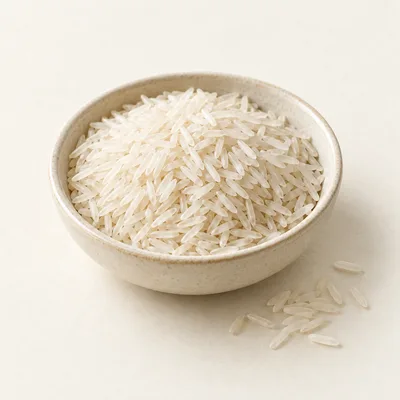 IRRIGATED STAPLERice
Cooked grain, porridge, cakes and celebration foods
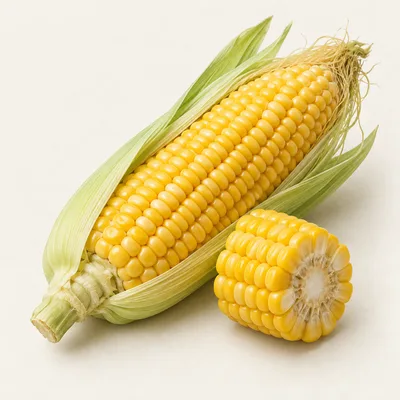 FIELD STAPLEMaize
Meal, noodles and porridge where rice is less available
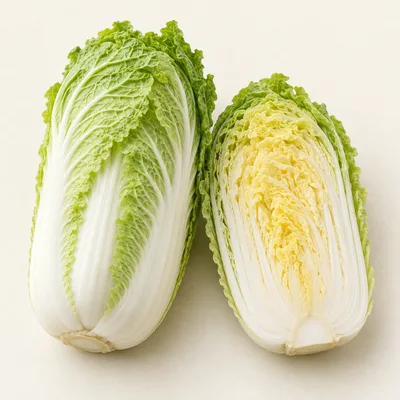 FERMENTED VEGETABLECabbage
A principal base for winter kimchi
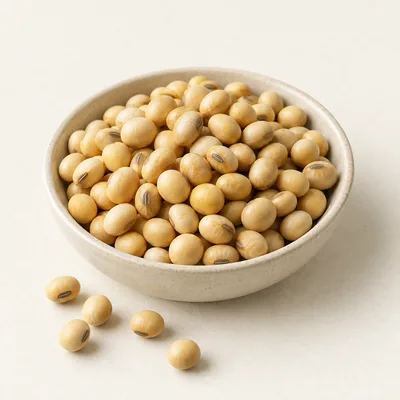 PULSESoybean
Tofu, paste, seasoning and added protein
Kimchi is a collective seasonal practice. UNESCO documents hundreds of variants using cultivated vegetables or wild greens with changing spices, fruit, fish or fermented seafood, prepared communally for winter. [9]
Cold noodles have more than one structure. Pyongyang-style naengmyeon is associated with buckwheat noodles and clear chilled broth, while other regional versions alter starch, broth and seasoning; the familiar restaurant form is not the only one. [9][8]
Visitor meals reveal only a narrow, managed part of the food system.
Separate culinary documentation from claims about daily life. Restaurant or banquet dishes can demonstrate technique and heritage, but they do not establish what households in other provinces can obtain or eat regularly. [10][7]
Do not turn food shortage into an aesthetic. Crop diversity, household gardens and preservation knowledge deserve attention, while undernutrition and constrained access must be described as humanitarian conditions rather than a rustic national diet. [10][8]
Food-culture sources checked .
Fermented vegetables and seasonings
Baechu kimchi, dongchimi, kkakdugi and Kaesong bossam kimchi are recorded with recipe variations involving fermented fish sauce or salted shrimp. Kimchi products may also contain soy seasonings or sesame. Ask whether the batch uses fish-based seasoning, soy, sesame or a separate seasoning paste, and whether the serving spoon or preparation container is shared.
Rice, grains and soybean dishes
Japgokbap is mixed-grain rice, with barley as a common component. Kongbap cooks soybeans with rice, while kongbiji-jjigae centres on ground soybean. Dububap combines tofu and a typical soy sauce seasoning, with sesame oil noted as common. Confirm the grain mix, seasoning, garnish and any stock rather than treating rice or tofu as a complete recipe.
Dumplings, pancakes and sweets
Kaesong mandu, Kaesong pyeonsu, Pyongyang mandu and mandu-guk use wheat-flour wrappers; fillings and garnishes can include tofu or egg. Gamjajeon may have wheat flour or egg in some versions. Kaesong juak and yakgwa are fried or finished with sesame oil, so ask about dough, oil, utensils and shared frying equipment.
Cold noodles, fish and regional examples
Pyongyang naengmyeon is recorded with boiled egg as a common garnish, while Hamhung naengmyeon may have seasoned skate or another fish and sometimes egg. Gajami sikhae centres on flounder, and myeongtae sikhae on pollock. Ask which regional or recipe version is being served, what the broth contains and whether toppings are added separately.
Ingredients worth recognising
Start with these ingredients, then follow their names and recorded food connections. Check the recipe and product actually used.
Barley
Barley may be part of japgokbap, the mixed-grain rice example. Ask whether the bowl contains barley as well as rice, whether grains are cooked together, and whether a shared serving utensil is used. This is an ingredient check, not a conclusion about the whole dish.
Soybean Sprouts
Soybean sprouts are germinated soybeans and are recorded as a topping for Pyongyang onban. Confirm whether they are added after cooking or included in a mixed dish, and ask about the stock, sauce and serving spoon used with the topping.
Tofu
Tofu is a common recorded element in several mandu examples and is also connected with dububap. Ask whether it is in the filling or served separately, what seasoning or sauce accompanies it, and whether the pan or utensils are shared with other foods.
Egg
Egg may garnish or form part of mandu-guk, and boiled egg is recorded with Pyongyang and Hamhung naengmyeon examples. Confirm whether it is mixed into the dish, placed on top, or omitted only after preparation has already begun.
Wheat flour
Wheat flour forms the wrappers of the recorded mandu examples and the dough of Kaesong yakgwa. Some gamjajeon versions also use it. Ask about flour in batters, dusting and sauces, plus shared boards, boiling water, frying oil and utensils.
Fermented Fish Sauce
Fermented fish sauce is a recorded variation in several kimchi dishes and is made from fish with salt. Ask whether it is in the fermenting liquid, seasoning paste or final dressing, and whether a fish-free batch used separate containers and utensils.
How food labelling works
A current, country-specific allergen-labelling summary for North Korea has not yet been verified for this guide. Do not transfer the list of regulated allergens or restaurant disclosure rules from your home country to this one.
Read the complete ingredients on the actual package and keep any local-language sticker with the original label. For imported products, compare the information on that pack rather than a photograph of the brand sold elsewhere. Ask the manufacturer or seller to clarify an unfamiliar term.
For loose food or meals prepared to order, ask who can check the recipe and the labels on bought-in ingredients. Explain every food you avoid, including ingredients outside familiar allergy groups; a short symbol chart may not cover your list.
Language and communication
Prepare a written Korean explanation that clearly names the foods you avoid. Ask your guide or organiser to help communicate the complete request to the person checking the meal. Include sauces, stocks, garnishes and shared preparation in the conversation; recognising a Korean dish name does not establish its ingredients.
Regional and recipe variation matters, so ask the guide to confirm the exact dish, preparation and substitutions in Korean rather than relying on recognition of a food name. Korean writing may appear in chosŏn'gŭl. Names such as mandu, kimchi or naengmyeon are recognition aids, not a complete allergy request.
Eating in different settings
Organised tour meals
Discuss requirements before the itinerary is fixed. Ask the organiser or guide to check every planned dish, including broth, fermented seasoning, toppings and garnishes. Request confirmation of how an alternative will be cooked, not merely its name, and repeat the check when the menu changes.
Local restaurant visit
If a visit to a local restaurant is arranged, show the written Korean explanation to the guide before ordering. Ask whether the kitchen can describe the complete recipe, which stock and sauces are used, and whether separate oil, water, pans and serving utensils are involved.
Pyongyang Western restaurant
At an arranged Italian restaurant, ask what the pizza dough, toppings, sauce and oven preparation involve, including flour on surfaces and shared tools. At a burger restaurant, check the bun, patty seasoning, sauces, toppings, fryer oil and whether chips use the same oil.
Coffee house or packaged-food shop
For a coffee-house order, ask about milk or other additions and shared equipment if those matter to you. For packaged kimchi, makgeolli or snacks, read the complete ingredient list and ask the guide or seller to identify every seasoning, grain and fermentation starter.
Before you travel
Review your personal plan
Discuss your travel plans with your clinician and keep your prescribed medicines and emergency instructions accessible. Tell companions where these are and how to follow your plan.
Check your medicines before entering North Korea
The legal status and regulation of medicines prescribed or bought in the UK may differ in North Korea. Before travel, read TravelHealthPro best-practice guidance on travelling with medicines and check the requirements that apply to your medication and documentation.
Make the first meals easier to organise
Contact your accommodation and transport providers in advance. Save your written food list, menu questions and destination address offline. Check entry restrictions before packing backup food, and plan how you will check meals during arrival and onward journeys.
Plan access to medical help
Basic medicines, including antibiotics, are sometimes unavailable in North Korea, and healthcare facilities and clinical hygiene are described as poor, with anaesthetics sometimes unavailable. Serious illness or injury is likely to require evacuation. Check your insurer’s cover for local treatment and unexpected medical evacuation before departure.
Emergency resources
For a suspected severe allergic reaction, follow your prescribed emergency plan and seek urgent medical help. Give your exact location clearly.
Arrange a local emergency contact before departure
An ambulance number has not yet been verified in this North Korea overview. Check the official assistance source and save the contact appropriate to your exact location; do not assume a number used in another country will work here.
Explore next
Your allergy in North Korea
Choose a food concern for the country notes and questions relevant to it.
Dishes in North Korea
Follow the ingredients and cuisine connections in individual dish records.
Your own food list
Combine allergy groups and individual ingredients in one guide, with local names where recorded.
Allergy cards
Prepare the information you need to explain your food requirements.
FAQs, sources and review dates
Can I choose plain rice or vegetables instead?
Do not assume a plain-sounding side is complete or separately prepared. Japgokbap may include barley, soybean sprouts may be served with onban, and vegetables or kimchi may carry soy, sesame or fish-based seasoning. Ask about the exact bowl, stock, sauce, garnish and utensils.
What should I ask about makgeolli?
Ask which fermentation starter or nuruk is used and whether it contains wheat or barley, because formulations vary. Check the label or full recipe rather than inferring from the drink’s name, and ask whether flavourings or added ingredients are present.
What about pine nuts or chestnuts in kimchi?
Pine nuts and chestnuts are recorded as traditional ingredients in Kaesong bossam kimchi. Ask whether either is included in that specific preparation, how the kimchi was assembled, and whether the serving utensil has been used across dishes. Do not infer their presence from the word kimchi alone.
Sources checked: . This researched draft is awaiting editorial review. Practical questions apply the sources below to local food settings; they do not confirm any individual meal's ingredients or preparation.
Sources & references (10)
- FCDO · North Korea health and medical assistance
Emergency contact details, local healthcare and medicine guidance. UK-specific eligibility does not apply to every visitor.
- Wikivoyage contributors · North Korea
Community-edited culinary context only; not an allergy or medical authority. Brief food-context adaptations, CC BY-SA 4.0: https://creativecommons.org/licenses/by-sa/4.0/. Recipe questions also use PlateSafe’s draft records.
- FARE · Dining out
General recipe and preparation questions, applied here to country-specific food examples.
- FARE · Travelling with food allergies
General preparation, written communication and access to prescribed medicines. Not country-specific import permission.
- PlateSafe · North Korea recorded food connections
Existing draft dish and ingredient records, used as examples to investigate. These are not independently verified recipes or suitability assessments.
- Unicode CLDR · Territory language data
Language suggestions. Regional language needs must be confirmed with the particular food provider.
- FAO in the DPR Korea — Our office
- FAO — DPR Korea at a glance
- UNESCO — Tradition of kimchi-making in the DPR Korea
- World Food Programme — DPR Korea