
BEFORE YOUR FIRST MEAL
Navigating food allergies in North Macedonia
North Macedonia’s food combines grilled meat, separate side dishes, flaky pastries, dairy-rich salads and bean-based cooking. A single dish name may cover several preparations: burek can contain cheese or ham, tavče gravče may include sausage, and tarator centres on yoghurt, cucumber and garlic. Ask for the complete recipe, including garnishes, cooking fats, thickeners and shared equipment, rather than relying on the name alone.
What to know first
Grilled food is assembled to order
At a skara grill, ask what is in the meat mixture, whether bread or flour is added, and whether the grill, tongs or cooking surface also handles bread or cheese.
Sides are separate choices
Shopska salad, ajvar and other accompaniments may be ordered separately. Check the full dressing, cheese, garnish and serving utensil instead of assuming a plain side is uncomplicated.
Explain the whole concern
Give a written explanation in Macedonian or Albanian, naming the ingredient and the consequences of exposure. Ask the server to confirm the complete recipe with the cook.
Pastry and batter need detail
For burek, mekici, palachinki or desserts, ask about wheat, milk, butter, egg, nuts and fillings, plus shared trays, oil and utensils used during preparation.
Read every packaged ingredient list
Read the complete ingredients and allergen information on the actual product. If you avoid a food that is not highlighted, ask the producer or food provider to check it specifically.
Understanding the food
Beans, peppers, tomato, wheat, grape, sheep and cow dairy, meat and lake fish connect Balkan, Ottoman and Mediterranean histories. Macedonian, Albanian, Turkish, Vlach, Roma and other communities contribute distinct household and regional practices; the table is not one uniform national recipe book.
Eight tourism regions frame a compact but varied food landscape.
| Region or setting | Food landscape | Examples to explore |
|---|---|---|
| Skopje & northeast | Urban markets, grain, livestock and Ottoman-era foodways | Burek, kebapi, simit-pogača, bean dishes and sweets |
| Polog & western mountains | Pasture, dairy and Macedonian, Albanian and other community tables | White cheese, yoghurt, pies, beans and grilled meat |
| Pelagonia & lake southwest | Grain plain, Prespa produce and the Ohrid-Struga lake culture | Gjomleze, beans, trout traditions, apples and village breads |
| Vardar & southeast | Hot valleys, peppers, grapes, vegetables and vineyards | Ajvar, pindjur, tavče gravče, salads and Vranec wine |
The national tourism agency deliberately documents recipes by region. Its gastronomy material links ingredients, preparation and local stories across all eight tourism regions instead of treating every dish as equally national. [7][8]
Agriculture remains closely connected to rural processing. FAO identifies fruit, vegetables, grapes, cereals, livestock and small farms as significant parts of the agrifood system and rural economy. [9]
Pepper, bean and brined cheese organise much of the shared table.
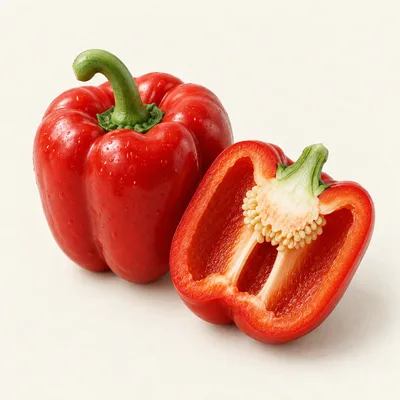 AUTUMN HARVESTRed pepper
Roasted for ajvar and pindjur or filled and baked
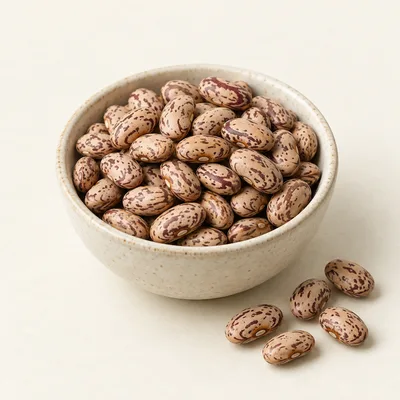 CLAY-POT STAPLEBean
Baked as tavče gravče and cooked in soups
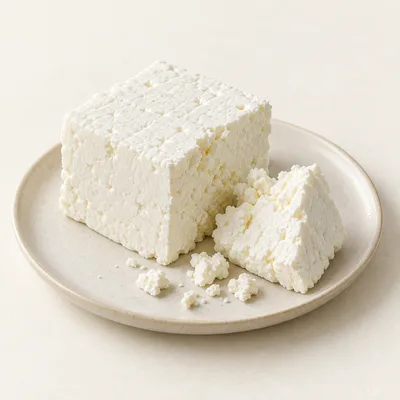 PASTORAL DAIRYWhite cheese
Salads, pies, meze and breakfast tables
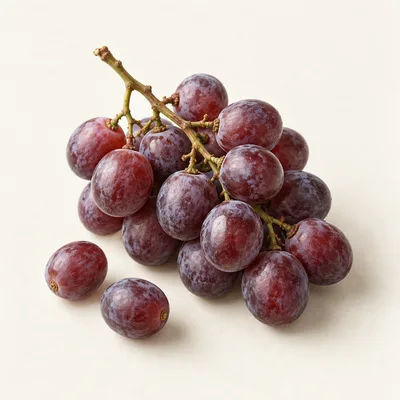 VINEYARD FRUITGrape
Wine, rakija, table fruit and preserves
Ajvar is both condiment and calendar. Families roast, peel and cook red peppers in early autumn, sometimes adding aubergine; texture, heat and household labour are as meaningful as the finished jar. [7][8]
Tavče gravče describes method as well as ingredient. Beans are seasoned and finished in an earthenware pan, with variations in pepper, onion and accompanying meat rather than one immutable formula. [7]
The kafana table is paced through salads, meze and shared hot dishes.
Order for the table before ordering for the individual. Salad, cheese, relish, grilled foods and casseroles are often shared in stages, making a kafana meal a social sequence rather than a collection of separate mains. [7][8]
Lake fish requires ecological context. Ohrid is protected as a natural and cultural landscape; prefer legally sourced or farmed fish and do not treat the endemic wild trout as an unrestricted delicacy. [10]
Food-culture sources checked .
Grills, meat and separate sides
Skara places focus on grilled meat, while side dishes are typically ordered separately. That makes the meat mixture, seasoning and cooking surface separate questions: ask whether a kjufte mixture contains wheat flour or egg, and whether a pastrmajlija has an egg finish. Selsko meso may be finished with cheese. Do not treat plain-sounding grilled meat as a complete recipe; confirm marinades, toppings and contact with bread or dairy.
Salads, spreads and cold dairy dishes
Shopska salad is described with cucumber, tomato and grated sirenje, while the recorded preparation identifies its white brined cheese as milk-derived. Ajvar is a roasted pepper and tomato paste, so ask whether the serving includes only the paste or added toppings, bread or shared utensils. Tarator combines yoghurt, cucumber and garlic and may be garnished with walnuts; check the garnish and the bowl or ladle used.
Pastries, breads and filled street food
Burek is a flaky phyllo-like pastry filled with melted cheese and/or ham, and toast is a pressed sandwich. The recorded pastry examples show wheat, butter, milk and egg can vary across dishes: mekici may include yoghurt or egg, while palachinki uses wheat flour, milk and egg. Ask about the exact filling, brushing fat, shared press, tray, oil and preparation surface.
Beans, soups and sweet dishes
Tavče gravče consists of beans and paprika and is traditionally served with cut sausage mixed in; confirm whether sausage is included in the portion. Shkembe chorba may use wheat flour and cow milk, while teleska chorba may include wheat, yoghurt, egg and celery. Baklava, kadaif, tikvenik and tulumba involve pastry details that can include wheat, butter, egg or nuts, so ask dish by dish.
Ingredients worth recognising
Start with these ingredients, then follow their names and recorded food connections. Check the recipe and product actually used.
Wheat flour
Wheat flour is the intrinsic base of phyllo, mekici, palachinki, pastrmajlija and several recorded pastries; it is also used to thicken some soups. Ask whether flour appears in batters, binders, gravies or dusting, not only in bread.
Bread
Bread is commonly wheat-based, but recognised formulations may also contain rye, milk, egg, sesame or soy. Ask what loaf is used for toast or popara, whether it is enriched, and whether crumbs or slices share boards and presses.
Yogurt
Yoghurt appears in tarator, and regional versions of teleska chorba may use it; it is also possible in mekici dough. Ask whether the yoghurt is in the recipe, topping or garnish, and whether a dairy ingredient is added separately.
Egg
Egg commonly binds kjufte and appears in palachinki and ravanija; it may also finish pastrmajlija or enrich soups. Ask about egg in the batter, glaze, topping or binder, and whether the same utensil is used for other portions.
Celery
Celery is a common aromatic vegetable in recorded veal-soup versions, particularly teleska chorba. Ask whether it is cooked into the stock, added as a garnish or included in a vegetable mixture, and whether the broth is made separately.
Peanut
Peanut is specifically associated with the salty flavour of Stobi Flips, a packaged snack. Check the current packet ingredient list and ask about peanut in the product, coatings or seasoning rather than assuming every version matches.
How food labelling works
A current, country-specific allergen-labelling summary for North Macedonia has not yet been verified for this guide. Do not transfer the list of regulated allergens or restaurant disclosure rules from your home country to this one.
Read the complete ingredients on the actual package and keep any local-language sticker with the original label. For imported products, compare the information on that pack rather than a photograph of the brand sold elsewhere. Ask the manufacturer or seller to clarify an unfamiliar term.
For loose food or meals prepared to order, ask who can check the recipe and the labels on bought-in ingredients. Explain every food you avoid, including ingredients outside familiar allergy groups; a short symbol chart may not cover your list.
Language and communication
Macedonian is the official and national language and is written in Cyrillic; its dialects are used across the country. Albanian is co-official nationally and widely used in the north and west. Prepare a written explanation in both languages when travelling across regions, and show it before ordering so the staff can confirm the full recipe.
Macedonian and Albanian names can help you recognise dishes, ingredients and menu entries, but they are not a complete allergy request. Cyrillic is common in businesses serving local customers, so compare the written explanation with the menu or packet. Ask for confirmation of fillings, stock, sauces, toppings and shared equipment in the language most useful at that location.
Eating in different settings
Skara grill
Ask whether the meat mixture contains wheat flour, egg, milk, bread or other added ingredients. Check what is on the grill, whether bread is toasted there, and whether tongs, boards or serving plates are shared. Request confirmation of the side dish, sauce and garnish separately.
Burek or bakery counter
Ask which pastry is used and whether the filling is cheese, ham, both or something else. Check butter, egg and any topping, then ask whether trays, brushes, oil, knives and display tongs are shared with other pastries. For toast, ask about the bread, press and fillings.
Restaurant serving traditional dishes
For tavče gravče, ask whether sausage is mixed through the beans and what stock or seasoning is used. For tarator or Shopska salad, confirm yoghurt, cheese and walnut garnish. Ask the kitchen to describe the complete portion, including separately ordered sides and finishing ingredients.
Supermarket or corner shop
For Stobi Flips, bread, sweets or dried foods, read the complete current ingredient list before buying. Ask staff to identify unfamiliar ingredients, flavourings and coatings, and keep the original packet. Do not infer that a familiar brand, flavour or plain appearance has the same formulation everywhere.
Before you travel
Review your personal plan
Discuss your travel plans with your clinician and keep your prescribed medicines and emergency instructions accessible. Tell companions where these are and how to follow your plan.
Check your medicines before entering North Macedonia
The legal status and regulation of medicines prescribed or bought in the UK can differ in North Macedonia. Before travel, check TravelHealthPro guidance on best practice when travelling with medicines and ask the appropriate North Macedonian authority whether any import or documentation requirements apply.
Make the first meals easier to organise
Contact your accommodation and transport providers in advance. Save your written food list, menu questions and destination address offline. Check entry restrictions before packing backup food, and plan how you will check meals during arrival and onward journeys.
Plan access to medical help
British nationals are covered by a reciprocal healthcare agreement for free emergency treatment in North Macedonia, but some treatment may need to be paid for first. Arrange adequate insurance, check its terms, and review the FCDO list of providers where some staff may speak English. Before travel, check that your destination can provide the healthcare you may need.
Emergency resources
For a suspected severe allergic reaction, follow your prescribed emergency plan and seek urgent medical help. Give your exact location clearly.
Ambulance and urgent medical help
Dial 194 and ask for an ambulance.
Explore next
Your allergy in North Macedonia
Choose a food concern for the country notes and questions relevant to it.
Dishes in North Macedonia
Follow the ingredients and cuisine connections in individual dish records.
Your own food list
Combine allergy groups and individual ingredients in one guide, with local names where recorded.
Allergy cards
Prepare the information you need to explain your food requirements.
FAQs, sources and review dates
Could tarator be suitable if the cucumber and garlic are safe?
Not necessarily. The recorded preparation centres on yoghurt and may have a walnut garnish. Ask whether yoghurt is included, whether walnuts are added, and whether the ladle or bowl is shared. Also confirm whether any bread, oil or other finishing ingredient is served with it.
What should I ask about tavče gravče?
Ask whether the portion contains only beans and paprika or also the traditionally mixed cut sausage. Confirm the cooking liquid, seasoning and any garnish, then ask whether it was cooked or served with shared utensils. A dish name alone cannot establish the complete recipe.
Why ask about celery in soup when it is not a common concern for everyone?
Teleska chorba may include celery as an aromatic vegetable, so an individual sensitivity or allergy still warrants a direct check. Ask whether celery is in the stock, cooked vegetables or garnish, and whether the broth was prepared in a shared pot.
Sources checked: . This researched draft is awaiting editorial review. Practical questions apply the sources below to local food settings; they do not confirm any individual meal's ingredients or preparation.
Sources & references (10)
- FCDO · North Macedonia health and medical assistance
Emergency contact details, local healthcare and medicine guidance. UK-specific eligibility does not apply to every visitor.
- Wikivoyage contributors · North Macedonia
Community-edited culinary context only; not an allergy or medical authority. Brief food-context adaptations, CC BY-SA 4.0: https://creativecommons.org/licenses/by-sa/4.0/. Recipe questions also use PlateSafe’s draft records.
- FARE · Dining out
General recipe and preparation questions, applied here to country-specific food examples.
- FARE · Travelling with food allergies
General preparation, written communication and access to prescribed medicines. Not country-specific import permission.
- PlateSafe · North Macedonia recorded food connections
Existing draft dish and ingredient records, used as examples to investigate. These are not independently verified recipes or suitability assessments.
- Unicode CLDR · Territory language data
Language suggestions. Regional language needs must be confirmed with the particular food provider.
- Tourism Macedonia — Macedonian cuisine
- Tourism Macedonia — Rural tourism and gastronomy
- FAO in North Macedonia
- North Macedonia Ministry of Foreign Affairs — Visit North Macedonia