
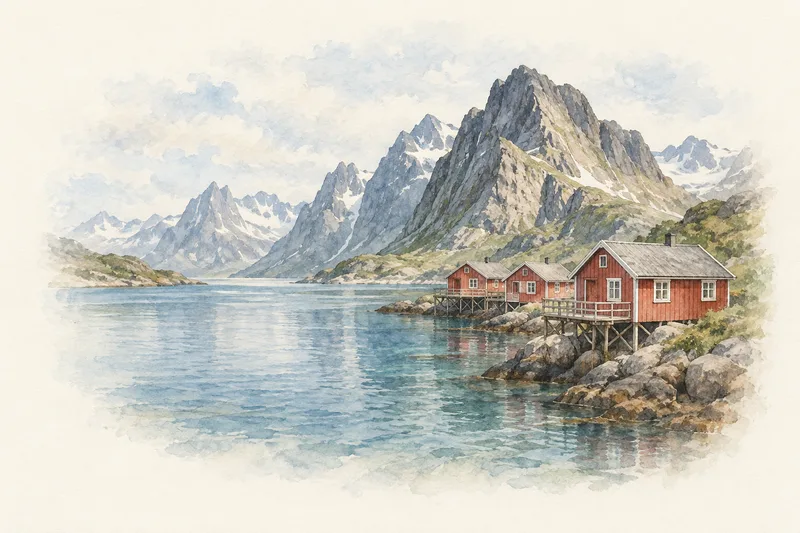
BEFORE YOUR FIRST MEAL
Navigating food allergies in Norway
Norwegian food varies markedly between regions and households. Traditional meals may feature bread, porridge, potatoes, lamb, game, salted or smoked fish, while cafés and shops also sell cakes, buns, sandwiches and frozen meals. A familiar dish name is not enough to establish a recipe: ask about every ingredient, accompaniment and preparation surface, particularly where wheat, milk, egg, fish or crustaceans may be involved.
What to know first
Traditional dishes vary
Fårikål is a lamb-and-cabbage stew, while raspeball may use barley flour, wheat flour, milk or different accompaniments. Ask which recipe and additions are being served.
Fish appears in many forms
Bacalao, lutefisk, gravlaks, rakfisk and mølje involve different fish preparations. Confirm the species, sauce, garnish and whether a mixed seafood component includes crustaceans.
Explain the whole requirement
Ask staff to check the complete recipe, not just the dish name. Mention sauces, stock, toppings and your concern about shared oil, water, grills or utensils.
Check bakery and counter preparation
For bread, cakes, waffles, hot dogs and sandwiches, ask whether the recipe contains wheat, egg, milk, nuts or sesame, and whether equipment is shared with other products.
Read the complete label
Norwegian guidance covers fourteen regulated allergen categories: on packaged food, look for clear emphasis in the ingredients list. For unpackaged food, request the written allergen information linked to your order.
Understanding the food
Cod, herring, salmon, potato, barley, oats, dairy, lamb, game, berries and orchard fruit change from Arctic coast to western fjord and eastern farm country. Sámi food knowledge and reindeer husbandry are living Indigenous traditions and should be named rather than absorbed into a generic Nordic wilderness story.
Coast, plateau, fjord and farm create strong regional seasons.
| Region or setting | Food landscape | Examples to explore |
|---|---|---|
| Northern Norway & Sápmi | Arctic fisheries, reindeer husbandry, berries and Sámi foodways | Skrei, stockfish, reindeer, bidos and cloudberries |
| Trøndelag | Fjord seafood, dairy farms, grain and a strong producer network | Cheese, shellfish, cured meat, flatbread and farm dining |
| Fjord Norway | Steep orchards, grazing, cold water and preservation | Hardanger apple, lamb, goat cheese, klippfisk and seafood |
| Eastern & southern Norway | Grain, potato, freshwater fish, forest game and coastal towns | Flatbread, lefse, trout, moose, berries and bakery food |
Official regional guides follow ingredients to place and season. They connect winter skrei to Lofoten, reindeer to Sámi areas, fruit to Hardanger and farm dairy to mountain and inland landscapes. [8][10]
The sea is seasonal rather than generic. Cod, herring, mackerel, salmon, crab and shellfish arrive through different fisheries and aquaculture systems; ask species, season and origin instead of ordering “Norwegian seafood” as one thing. [11][8]
Drying, curing and cultured dairy turn abundance into winter food.
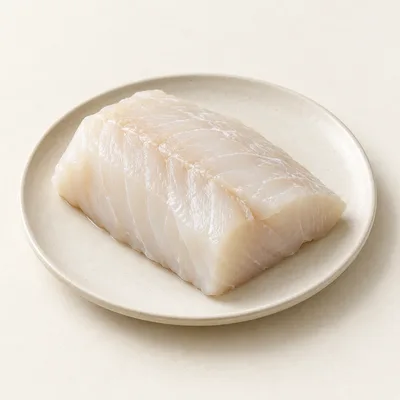 MIGRATORY FISHSkrei cod
Winter-spawning cod eaten fresh or preserved
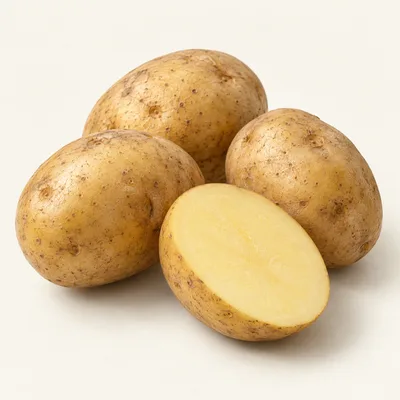 FIELD STAPLEPotato
Boiled, mashed, baked into lefse or paired with fish
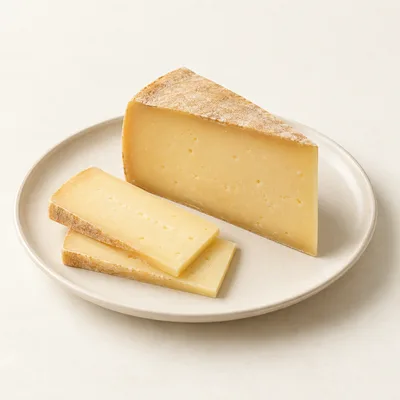 PASTORAL DAIRYBrown cheese
Whey concentrated into sweet caramelised brunost
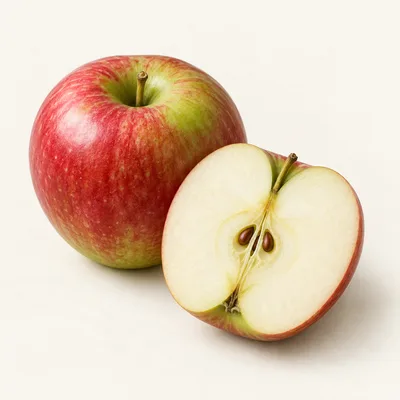 ORCHARD FRUITApple
Fresh fruit, juice and cider from fjord orchards
Stockfish and klippfisk are different preservation systems. Stockfish is air-dried without salt, especially in northern coastal conditions, while klippfisk is salted and dried; each has its own trade history and cooking uses. [8][11]
Farm food is not frozen in the past. Sour-cream porridge, flatbread, cured lamb and cheese coexist with contemporary small producers and chefs who work with the same landscapes in new forms. [9]
Follow the season from fish landing and farm shop to the plate.
Season can matter more than fame. Winter skrei, autumn lamb, summer berries and orchard harvests have short peaks; a simple local dish in season may say more than a year-round tasting menu. [8][9]
Attribute Sámi dishes and ingredients correctly. Reindeer husbandry in Sámi areas is a protected Indigenous livelihood, and bidos carries social and ceremonial meanings beyond being an Arctic meat stew. [10]
Food-culture sources checked .
Bread, flour and everyday meals
Sliced bread is common outside dinner, and bakery foods include lefse, skillingsbolle, julekake, krumkake and vafler. Wheat flour is recorded in many of these, while barley flour is common in raspeball. Ask whether wheat, barley, egg, milk or butter is used, and whether a spread, filling or topping changes the recipe.
Fish, soups and mixed preparations
Coastal and northern examples include dried or salted cod, bacalao, lutefisk, mølje and sursild; gravlaks uses salmon and rakfisk uses trout. Bergensk fiskesuppe may be thickened with wheat flour, contain cream and include shrimp or other crustaceans. Confirm the fish species and every stock, thickener and seafood addition.
Meat, game and substantial dishes
Fårikål is recorded as a lamb-and-cabbage casserole, while finnbiff is a stew whose sauce typically uses cream. Kjøttkaker and sodd may use egg or wheat as binders. Ask whether gravy or broth contains flour, celery or dairy, and whether the stated meat dish includes a separate potato, bread or sauce component.
Ingredients worth recognising
Start with these ingredients, then follow their names and recorded food connections. Check the recipe and product actually used.
Wheat flour
Wheat flour forms the structure of bread, cakes, waffles, lefse and some sauces or dumplings. Some versions include bløtkake, vafler and raspeball. Ask whether it is present in the main item, coating, thickener or crumbs.
Breadcrumbs
Breadcrumbs may come from wheat or rye bread and some formulations include sesame, egg, milk or soy-derived ingredients. They can appear in coatings, gratins or toppings. Ask which bread was used and whether crumbs share equipment with other preparations.
Cod
Cod is the defining fish in bacalao and lutefisk, and also occurs in mølje through cod, liver and roe. Confirm the exact cod preparation, any accompanying butter or sauce, and whether a seafood mixture contains another species.
Egg
Egg appears in recorded cakes, pastries, waffles, puddings, gratins and some meatball mixtures. Ask whether it is in the batter, binder, meringue, custard, glaze or garnish, and whether an apparently plain version uses a substituted recipe.
Cream
Cream is central to creamy bergensk fiskesuppe and occurs in desserts, sauces and fillings such as bløtkake, Dronning Maud pudding and multekrem. Check whether cream is in the dish itself, a topping or a separately added sauce.
Barley Flour
Barley flour is a common flour choice for raspeball, although wheat flour may be used instead or added. Ask which flour is present and whether the dumpling has milk, a meat accompaniment or a sauce prepared separately.
How food labelling works
Norwegian food-authority guidance requires information about fourteen regulated allergen categories when they are ingredients in prepacked or non-prepacked food. On packages, look for clear emphasis in the ingredients list.
For unpackaged food and restaurant meals, ask for the written allergen information associated with your order. Check the complete recipe for individual foods outside the fourteen categories, and confirm any substitution or additional topping.
Ingredient disclosure does not settle questions about shared preparation. Ask separately about cooking water, oil, grills, utensils and serving equipment, according to your own food requirements.
Language and communication
Norwegian (norsk) is the national language context for food names, with Bokmål the more common written form in most of Norway and Nynorsk particularly prevalent in Western Norway. Dish names such as vafler, lefse and fiskesuppe help identify items, but they are recognition aids, not complete allergy requests.
Norwegian has substantial dialect variation, and Sami has official status in some northern regions, where public information may be bilingual. Write your requirements clearly and ask for confirmation of the specific recipe, substitutions and preparation method; do not rely on a familiar-sounding dish name or regional wording alone.
Eating in different settings
Grill or convenience counter
For a pølse or grillpølse, ask whether the bun or lompe contains wheat, whether toppings such as shrimp salad or fried onion are separate, and whether the sausage, grill, tongs and serving surface are shared.
Bakery or café
For bløtkake, vafler, skillingsbolle, krumkake or other pastries, ask for the complete recipe, including flour, egg, milk, butter, cream, almond and fillings. Check whether display tongs, trays and preparation surfaces are shared.
Restaurant fish or traditional meal
When ordering bergensk fiskesuppe, fiskeboller i hvit saus, lutefisk or finnbiff, ask about stock, flour, milk, cream, butter and any mixed seafood. Confirm garnishes and whether the kitchen uses shared pans, utensils or cooking water.
Supermarket or self-catering kitchen
Read the full ingredient list on packaged bread, crumbs, chocolate, broth and preserves, including highlighted regulated allergens. In shared accommodation, ask which oil, pan, board and utensils are clean for your own preparation.
Before you travel
Review your personal plan
Discuss your travel plans with your clinician and keep your prescribed medicines and emergency instructions accessible. Tell companions where these are and how to follow your plan.
Check your medicines before entering Norway
For UK travellers, the legal status and regulation of prescribed or bought medicines can differ in Norway. Check TravelHealthPro guidance before travel for information about travelling with medicines, including any documentation or restrictions that may apply.
Make the first meals easier to organise
Contact your accommodation and transport providers in advance. Save your written food list, menu questions and destination address offline. Check entry restrictions before packing backup food, and plan how you will check meals during arrival and onward journeys.
Plan access to medical help
UK nationals may use a UK passport for free state-provided hospital treatment in Norway, although some doctors may charge elsewhere. GHIC or EHIC access depends on eligibility and medically necessary state care. Check current NHS guidance and travel insurance, as cards do not replace insurance or cover every cost.
Emergency resources
For a suspected severe allergic reaction, follow your prescribed emergency plan and seek urgent medical help. Give your exact location clearly.
Ambulance and urgent medical help
Dial 113 and ask for an ambulance.
Explore next
Your allergy in Norway
Choose a food concern for the country notes and questions relevant to it.
Dishes in Norway
Follow the ingredients and cuisine connections in individual dish records.
Your own food list
Combine allergy groups and individual ingredients in one guide, with local names where recorded.
Allergy cards
Prepare the information you need to explain your food requirements.
FAQs, sources and review dates
Could “fish soup” contain more than fish?
Yes, the recorded bergensk fiskesuppe examples may include fish, cream, wheat flour and shrimp or other crustaceans. Ask which seafood is included, what thickens the soup, and whether stock or garnish adds another ingredient. Do not assume a plain-sounding soup has one species only.
What should I ask about a dish called raspeball?
Ask whether the dumpling uses barley flour, wheat flour, both or another recipe, and whether milk is included. Then check the accompaniment: some versions may be served with salt meat or mixed with fish. Confirm gravy, butter and cooking water separately.
Is brun geitost covered by the ingredient examples?
Brun geitost is a Norwegian cheese, but its composition is not specified. Ask for the complete product or recipe details, including the milk source and any additions, rather than inferring suitability from its name or appearance.
Sources checked: . This researched draft is awaiting editorial review. Practical questions apply the sources below to local food settings; they do not confirm any individual meal's ingredients or preparation.
Sources & references (11)
- FCDO · Norway health and medical assistance
Emergency contact details, local healthcare and medicine guidance. UK-specific eligibility does not apply to every visitor.
- Wikivoyage contributors · Norway
Community-edited culinary context only; not an allergy or medical authority. Brief food-context adaptations, CC BY-SA 4.0: https://creativecommons.org/licenses/by-sa/4.0/. Recipe questions also use PlateSafe’s draft records.
- FARE · Dining out
General recipe and preparation questions, applied here to country-specific food examples.
- FARE · Travelling with food allergies
General preparation, written communication and access to prescribed medicines. Not country-specific import permission.
- PlateSafe · Norway recorded food connections
Existing draft dish and ingredient records, used as examples to investigate. These are not independently verified recipes or suitability assessments.
- Unicode CLDR · Territory language data
Language suggestions. Regional language needs must be confirmed with the particular food provider.
- Mattilsynet · How allergens must be declared
Scoped allergen-labelling summary. Does not establish an individual meal’s ingredients or preparation.
- Visit Norway — Unique food destinations
- Visit Norway — Norwegian cuisine
- Visit Norway — Arctic cuisine
- Norwegian Seafood Council