
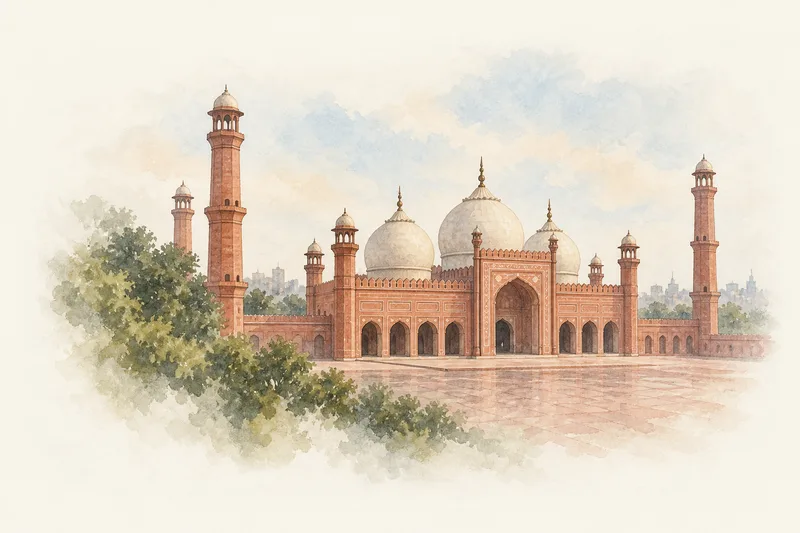
BEFORE YOUR FIRST MEAL
Navigating food allergies in Pakistan
Pakistan’s food varies markedly between Punjab and Sindh, the northern areas, Khyber Pakhtunkhwa, Balochistan and other regions. Meals commonly combine a curry or stew with wheat bread or rice, while kebabs, fried snacks and milk-based sweets add different checks. Ask about the complete recipe, cooking fat, stock, toppings and preparation equipment rather than relying on a dish name.
What to know first
Bread and gravy
Naan, roti, chapati, paratha and puri are wheat-based breads used with wet dishes. Ask which flour and fat are used, especially for stuffed or layered versions.
Rice and regional recipes
Biryani and pulao can contain meat, fish, chicken, stock, yoghurt, dried fruit or nuts depending on the recipe. Confirm every addition rather than assuming plain rice.
Explain before ordering
State your food allergy or avoidance clearly in Urdu or another suitable language, then ask staff to confirm the full recipe, marinade, sauce, garnish and cooking method.
Fried and grilled preparation
Ask whether pakoras, samosas, puri or kebabs share oil, a griddle, tandoor, skewer or utensils with other foods, and whether binders or coatings are added.
Read the whole label
For packaged foods, read the complete ingredient list and any precautionary wording. Do not infer suitability from a product name, vegetarian label or a familiar-looking Pakistani dish.
Understanding the food
Wheat, rice, pulses, buffalo dairy, mustard greens, mutton, beef, fish, mango, apricot and spice move through Punjabi, Sindhi, Pashtun, Baloch, Saraiki, Kashmiri, Balti, Hunza and many other kitchens. Karachi’s migration and port history add another national-scale crossroads; no single curry or biryani can stand for the whole country.
Province, language and ecology matter more than a national shorthand.
| Region or community context | Food landscape | Examples to explore |
|---|---|---|
| Punjab & Saraiki belt | Wheat, buffalo dairy, pulses, mustard and irrigated agriculture | Saag with maize roti, dal, paratha, karahi and lassi |
| Sindh & Karachi | Indus rice, fish, sour flavours and a major migrant port city | Sindhi biryani, sai bhaji, fish, dal pakwan and diverse city food |
| Khyber Pakhtunkhwa & Balochistan | Pastoral meat, wheat breads, dried fruit and cross-border exchange | Chapli kebab, kabuli pulao, rosh, sajji and kaak bread |
| Gilgit-Baltistan & northern valleys | High-altitude grain, apricot, walnut, dairy and mountain trade | Buckwheat pancakes, soups, chapshuro, dried fruit and buttered breads |
Pakistan’s own tourism material names multiple regional cuisines. Punjabi, Sindhi, Pashtun, Balochi, Kashmiri, Hunza and Balti food are presented as distinct repertoires, not variants of one restaurant menu. [7][8]
Northern food systems change valley by valley. Gilgit-Baltistan’s government describes ten districts with distinct languages, cultures, terrace farming and livestock traditions shaped by extreme altitude and season. [10]
Bread, rice and pulse support different forms of hospitality.
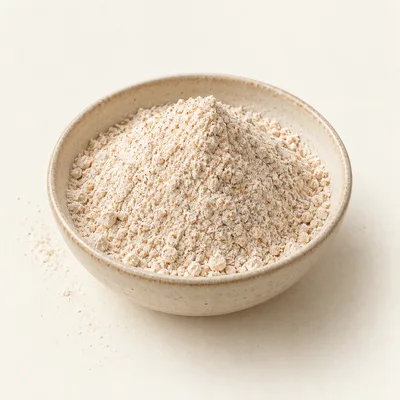 DAILY GRAINWheat flour
Roti, chapati, naan, paratha and regional breads
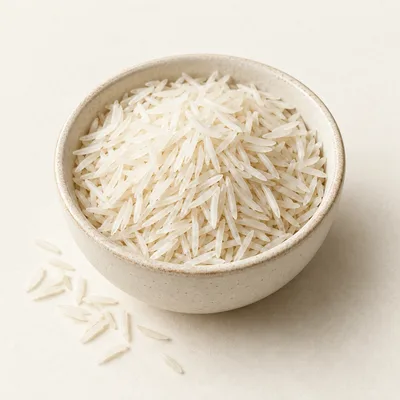 IRRIGATED GRAINBasmati rice
Pulao, biryani, zarda and celebration meals
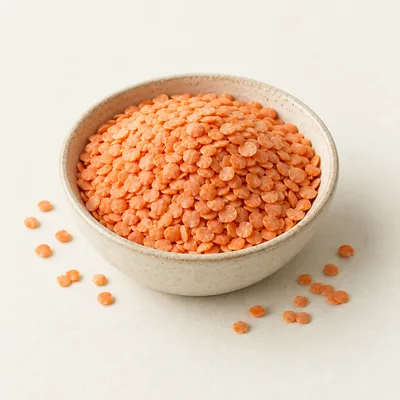 PULSELentil
Everyday dal with changing tempering and texture
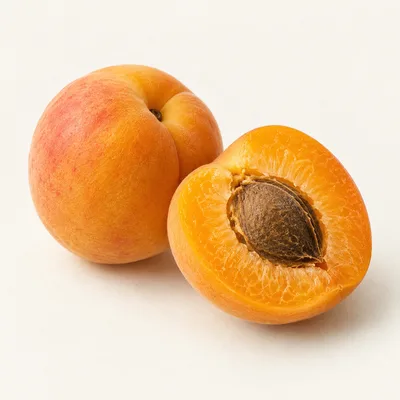 MOUNTAIN FRUITApricot
Fresh, dried, pressed for oil or cooked into northern dishes
Bread choice maps the cooking surface. Thin chapati, layered paratha, tandoor naan, Balochi kaak and northern flatbreads differ in flour, fat, fermentation and heat source rather than functioning as interchangeable sides. [8][9]
Rice dishes are assembled through method. Pulao generally builds a seasoned stock into the grain, while biryani layers or combines rice with spiced meat or vegetables; province, city and household alter both. [7][8]
Dhaba, home table, barbecue street and wedding hall each reveal a different Pakistan.
Order by the venue’s speciality. A breakfast shop, chapli-kebab stand, fish market restaurant and karahi specialist repeat a narrower craft than a broad “Pakistani cuisine” menu. [7][8]
Tea is part of the welcome. Black, milk, green and salted teas vary by region; accepting a cup may extend a meal into conversation, especially in homes and smaller guesthouses. [9][10]
Food-culture sources checked .
Wheat breads and flour-based dishes
Wheat is central to naan, roti, chapati, paratha and puri, but the preparation still needs checking. Naan may be brushed with yoghurt or butter; paratha may be cooked with ghee; puri is fried. Ask about flour, fillings, toppings, frying oil and the surface used. Haleem, nihari, samosas and jalebi also have recorded wheat connections, so do not treat a rice accompaniment as proof that the whole meal is wheat-free.
Rice, stock and mixed dishes
Biryani and pulao are not single fixed recipes. Sindhi biryani may use yoghurt in its marinade or masala, while Peshawari pulao may carry an almond garnish. Murgh or yakhni pulao involves chicken or meat and stock. Ask whether the rice was cooked separately, what stock or seasoning went into it, and whether nuts, yoghurt or other toppings were added before serving.
Meat, kebabs and marinades
Kebabs may be minced, cubed or shaped patties: seekh kebab and chapli kebab can use wheat-based binders, while egg may be used in seekh, chapli or shami versions. Chicken tikka and tandoori chicken commonly have yoghurt-based marinades in some versions. Ask about the binder, marinade, basting fat, skewer and grill, including whether the same equipment handles bread or other foods.
Vegetables, pulses and sweets
Daal, saag, channa, chaat and other vegetable or pulse dishes can sit beside breads, rice and fried foods. Sarson da saag may be finished with ghee or butter. Dairy and nut checks are especially relevant to firni, kheer, gajar halwa, gulab jamun and zarda. Ask whether milk, khoya, cream, ghee, almonds, cashews or pistachios are mixed in or used only as garnish.
Ingredients worth recognising
Start with these ingredients, then follow their names and recorded food connections. Check the recipe and product actually used.
Wheat flour
Wheat flour forms naan, samosa pastry, puri and many other breads or batters. Check whether it is in a binder, thickener, coating or sweet. Wheat and gluten are not interchangeable terms, and coeliac disease is not an IgE allergy; communicate the relevant concern precisely.
Yogurt
Yoghurt may appear in chicken tikka, tandoori chicken, Sindhi biryani, mutton korma and other marinades or curries. Ask whether it is mixed into the whole dish, used to tenderise meat, or added as a side, and check sauces and garnishes separately.
Egg
Egg can be used as a binder in chapli, seekh or shami kebabs and in some samosa pastry or kokis variations. Ask whether the mixture contains egg, whether an egg wash was used, and whether the same pan or oil is shared.
Fish
Fish is the defining protein in Lahori fish and Pallo, while biryani can also use fish or shrimp. Ask which species is present, whether fish stock or sauce is included, and whether the grill, fryer, oil or utensils are shared with other foods.
Butter
Butter may enrich daal makhani, harissa, sarson da saag, naan or other breads and dishes. Ask whether butter is cooked into the recipe, brushed on afterwards or replaced by ghee, and whether a dairy ingredient is hidden in a marinade, gravy or topping.
Tamarind paste
Tamarind paste may be used in chutneys, snacks or sauces served with dishes such as samosas and kebabs. Some commercial pastes use sulphite preservatives, so check the complete jar or packet label and ask whether a prepared chutney or sauce contains it.
How food labelling works
A current, country-specific allergen-labelling summary for Pakistan has not yet been verified for this guide. Do not transfer the list of regulated allergens or restaurant disclosure rules from your home country to this one.
Read the complete ingredients on the actual package and keep any local-language sticker with the original label. For imported products, compare the information on that pack rather than a photograph of the brand sold elsewhere. Ask the manufacturer or seller to clarify an unfamiliar term.
For loose food or meals prepared to order, ask who can check the recipe and the labels on bought-in ingredients. Explain every food you avoid, including ingredients outside familiar allergy groups; a short symbol chart may not cover your list.
Language and communication
Urdu is Pakistan’s national lingua franca and English is also an official language; Punjabi is particularly relevant in Punjab. Prepare a written explanation in Urdu and, where appropriate, Punjabi, naming the foods or ingredients to avoid and asking for confirmation of the complete recipe.
Pashto, Sindhi and other regional languages are used in their own areas, so regional variation matters when discussing a recipe or market food. Use names such as naan, haleem, biryani or kheer as recognition aids only; they are not complete allergy requests. Ask a responsible cook or seller to confirm.
Eating in different settings
Tandoor or bread shop
For naan, roti, kulcha or paratha, ask which flour is used, whether yoghurt, butter or ghee is in the dough, and what is brushed on afterwards. Ask whether stuffed breads share the tandoor, board, cloth or utensils with other breads, and whether a separate preparation is possible.
Bazaar snack counter
For samosas, pakoras, puri, chaat or jalebi, ask about the batter or pastry, fillings, chutney and toppings. Confirm whether the same oil is used for different foods and whether serving spoons, trays or preparation surfaces are shared.
Kebab or barbecue stall
Before ordering seekh, chapli, shami, tikka or Lahori fish, ask about wheat crumbs or flour, egg, yoghurt marinade and basting ingredients. Ask whether meat, fish and bread use the same grill, skewer, tongs or chopping board.
Restaurant, home meal or packaged shop
For biryani, pulao, nihari, korma, sweets or packaged snacks, ask for the complete recipe and all garnishes. Check stock, sauces, dairy, nuts and dried fruit, then read the full label on sealed products rather than relying on a dish name.
Before you travel
Review your personal plan
Discuss your travel plans with your clinician and keep your prescribed medicines and emergency instructions accessible. Tell companions where these are and how to follow your plan.
Check your medicines before entering Pakistan
The UK source advises checking medicine rules before travel because legal status can differ, and notes shortages and possible restrictions on imported medical supplies in Pakistan. Carry an adequate supply and check documentation or import requirements with the relevant Pakistani authority and your prescriber before departure.
Make the first meals easier to organise
Contact your accommodation and transport providers in advance. Save your written food list, menu questions and destination address offline. Check entry restrictions before packing backup food, and plan how you will check meals during arrival and onward journeys.
Plan access to medical help
If medicine runs out, the source advises seeking advice from a local pharmacy; if the usual medicine is unavailable or a prescription is needed, see a local doctor and consult a UK doctor about alternatives. Some city or hospital pharmacies may operate around the clock. Facilities are more limited in remote areas, while private care is available in major cities; confirm cover with your insurer and suitable providers in advance.
Emergency resources
For a suspected severe allergic reaction, follow your prescribed emergency plan and seek urgent medical help. Give your exact location clearly.
Ambulance and urgent medical help
Request ambulance assistance on 1122. Response varies by location; remote and mountainous areas can face substantial delays because of road access and limited ambulance availability.
Explore next
Your allergy in Pakistan
Choose a food concern for the country notes and questions relevant to it.
Dishes in Pakistan
Follow the ingredients and cuisine connections in individual dish records.
Your own food list
Combine allergy groups and individual ingredients in one guide, with local names where recorded.
Allergy cards
Prepare the information you need to explain your food requirements.
FAQs, sources and review dates
Could plain rice be suitable with a curry?
Not necessarily. Ask how the rice was cooked and whether it contains stock, seasoning, yoghurt, butter, ghee, nuts or dried fruit. Murgh pulao, yakhni pulao, Sindhi biryani and Peshawari pulao have different recorded additions, so request confirmation for that exact batch and serving.
What should I ask about a kebab if I avoid egg or wheat?
Ask whether the minced mixture contains egg, wheat flour or wheat-based crumbs, then ask about the marinade, sauce and bread served alongside it. Chapli, seekh and shami kebabs vary, and shared grill tools or surfaces may matter even when the meat itself is plain.
I am concerned about sulphites rather than a common food group. What should I check?
Ask about preserved tamarind paste, dried plum and raisins in chutneys, sweets, rice dishes or toppings. Some commercial formulations use sulphites, particularly certain light-coloured raisins, so inspect the complete packaged ingredient list and ask which brand or preparation was used.
Sources checked: . This researched draft is awaiting editorial review. Practical questions apply the sources below to local food settings; they do not confirm any individual meal's ingredients or preparation.
Sources & references (10)
- FCDO · Pakistan health and medical assistance
Emergency contact details, local healthcare and medicine guidance. UK-specific eligibility does not apply to every visitor.
- Wikivoyage contributors · Pakistan
Community-edited culinary context only; not an allergy or medical authority. Brief food-context adaptations, CC BY-SA 4.0: https://creativecommons.org/licenses/by-sa/4.0/. Recipe questions also use PlateSafe’s draft records.
- FARE · Dining out
General recipe and preparation questions, applied here to country-specific food examples.
- FARE · Travelling with food allergies
General preparation, written communication and access to prescribed medicines. Not country-specific import permission.
- PlateSafe · Pakistan recorded food connections
Existing draft dish and ingredient records, used as examples to investigate. These are not independently verified recipes or suitability assessments.
- Unicode CLDR · Territory language data
Language suggestions. Regional language needs must be confirmed with the particular food provider.
- Pakistan Tourism Development Corporation — Pakistan
- Trade Development Authority of Pakistan — Tourism guide
- Government of Punjab — Food
- Government of Gilgit-Baltistan — Tourism, culture and traditional food systems