

BEFORE YOUR FIRST MEAL
Navigating food allergies in Palau
Palau’s food choices are especially varied in Koror, where Japanese-inspired bento lunches sit alongside dishes based on fish and coconut crab. These examples do not establish one standard recipe, so treat dish names as starting points only. Ask for the complete preparation, including sauces, toppings, cooking oil, utensils and shared surfaces, and allow time to explain your requirements.
What to know first
Bento composition
A Japanese-inspired bento may contain several separate items. Ask what every compartment contains, whether sauces or toppings are included, and whether the box was assembled with shared utensils.
Fish preparation
Grilled reef fish, Ngasech and some Demok preparations centre on fish, while Palauan sashimi uses raw fish. Confirm the species, preparation and every accompanying sauce.
Explain the whole concern
Show a written explanation in Palauan and English, describing the ingredient to avoid and the need to check stock, sauces, toppings, oil, water and utensils.
Ask before cooking starts
For grilled fish or Coconut Crab Soup, ask whether the grill, pan, pot, oil or serving utensils have also been used for other foods, and whether the recipe can be described fully.
Read the complete label
Read the complete ingredients and allergen information on the actual product. If you avoid a food that is not highlighted, ask the producer or food provider to check it specifically.
Understanding the food
Taro, giant swamp taro, cassava, sweet potato, coconut, pandanus, banana, fish and shellfish form the older island pantry, while rice, wheat bread, canned food and Japanese, Filipino, American and other influences shape contemporary meals. Women’s taro cultivation and men’s fishing have documented customary roles, though present households and occupations vary.
Even a small island country has distinct food settings.
| Island or setting | Food landscape | Examples to understand |
|---|---|---|
| Babeldaob | Taro patches, agroforestry, fruit trees and village production | Boiled taro, cassava, coconut, banana and local farm products |
| Koror | Dense population, markets, tourism and imported supply | Bento, rice meals, bakeries, seafood and contemporary restaurants |
| Rock Islands & reef waters | Protected marine landscapes and customary fishing knowledge | Reef fish, crab, clam and foods governed by access and season |
| Kayangel, Peleliu & Angaur | Smaller island communities, fishing and household gardens | Fresh catch, root crops, coconut and preserved or imported staples |
Root crops carry exceptional local diversity. FAO records dozens of cultivated varieties of taro, giant swamp taro, cassava and sweet potato, maintained through household planting and customary use. [8]
Imported staples are now structural. Palau’s small land base and market limit large-scale agriculture; rice and wheat bread sit beside subsistence root crops and fishing, especially in urban Koror. [10][9]
Taro and fish connect garden work to ocean knowledge.
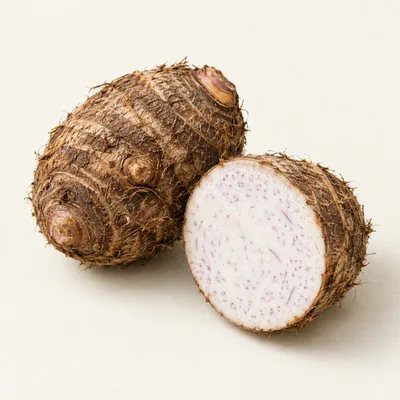 CUSTOMARY STAPLETaro
Boiled, pounded, made into soup or milled for new products
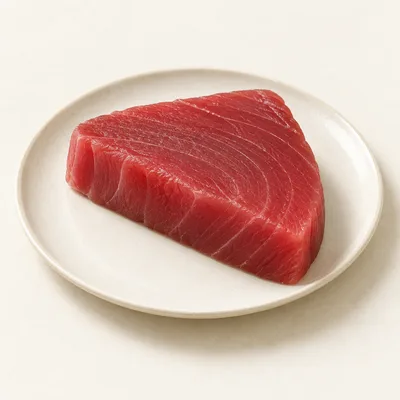 OCEAN PROTEINTuna
Fresh, grilled, raw or incorporated into rice meals
 TREE CROPCoconut
Cream, flesh and oil with fish, roots and sweets
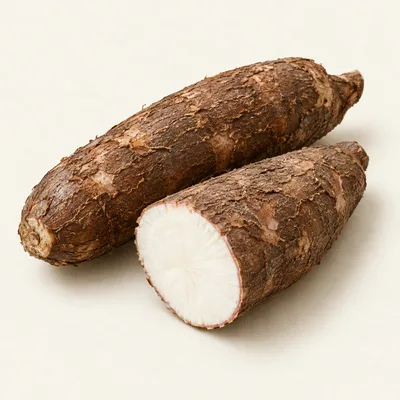 ROOT CROPCassava
Boiled staple and base for chewy sweets
Taro is food, wealth and ceremonial exchange. FAO documents women’s cultivation around island shores and current efforts to restore patches, record heritage foods and develop flour without severing the crop from its cultural setting. [7][8]
Fish availability is ecological as well as culinary. Species, spawning seasons, protected areas and customary restrictions affect what can be caught; a visitor menu should not be treated as permission to seek every locally known animal. [9][10]
Local food is most legible when grower, fisher and cook remain visible.
Ask what was produced in Palau. Hotel and restaurant menus may mix local catch and roots with imported rice, meat and vegetables; origin is more informative than an “island-style” label. [9][10]
Agritourism can return value to women growers. FAO’s Palau project connects taro gardens, heritage processing and community tourism, offering a more accountable encounter than treating taro as a decorative side dish. [7]
Food-culture sources checked .
Bento and mixed meals
Japanese-inspired bento lunches are popular, but there is no standard box. Treat each compartment as a separate recipe: ask about rice or other bases, fillings, sauces, garnishes and toppings. Confirm whether the box was assembled with shared utensils or on a shared surface, and whether any sauce came separately or was already added.
Fish-centred dishes
Fish is the defining protein in the recorded Grilled Reef Fish and Ngasech preparations, while fish is an alternative protein in some Demok preparations. Ask which version is being served and how it is cooked. For grilled dishes, check the grill, marinade, basting sauce, oil and serving tools; for Demok, do not assume the protein without confirmation.
Raw and crustacean examples
Palauan Sashimi is defined by raw fish and is commonly accompanied by soy sauce; some soy sauce formulations contain wheat. Coconut Crab Soup is recorded with coconut crab, a crustacean. Ask whether the sashimi sauce is included, what its ingredients are, and whether the soup contains additional stock, garnishes or shared ladles.
Ingredients worth recognising
Start with these ingredients, then follow their names and recorded food connections. Check the recipe and product actually used.
Soy Sauce
Soy sauce is commonly produced using soybeans and is a recorded accompaniment to Palauan Sashimi; some formulations contain wheat. Check the complete bottle or sachet label, and ask whether it was added during preparation or served separately.
Vegetable Oil
The term vegetable oil does not identify its source here: the recorded note says it may be soybean oil, but is unspecified. Ask what oil was used for frying, grilling or dressing, and whether the same oil is shared.
Fish
Fish is the defining protein in Grilled Reef Fish and Ngasech, and may be used in some Demok preparations. Confirm the exact fish preparation, marinade, stock, basting ingredients and serving utensils rather than relying on the dish name.
Raw Fish
Raw fish is the defining ingredient in Palauan Sashimi. Ask how it is kept and prepared, what sauce or garnish accompanies it, and whether knives, boards, plates or serving tools are shared with other ingredients.
Coconut Crab
Coconut crab is intrinsically a crustacean and is recorded in Coconut Crab Soup. Ask whether the soup contains other stock or seasonings, what toppings are added, and whether the pot or ladle is shared.
How food labelling works
A current, country-specific allergen-labelling summary for Palau has not yet been verified for this guide. Do not transfer the list of regulated allergens or restaurant disclosure rules from your home country to this one.
Read the complete ingredients on the actual package and keep any local-language sticker with the original label. For imported products, compare the information on that pack rather than a photograph of the brand sold elsewhere. Ask the manufacturer or seller to clarify an unfamiliar term.
For loose food or meals prepared to order, ask who can check the recipe and the labels on bought-in ingredients. Explain every food you avoid, including ingredients outside familiar allergy groups; a short symbol chart may not cover your list.
Language and communication
Palauan and English are the official languages. Prepare a written explanation in both, naming the ingredient or preparation that must be checked and asking for confirmation of the complete recipe, stock, sauce, toppings, oil, water and utensils.
Some islands give official status to their own languages, and Japanese has official status in Angaur. If travelling outside Koror, check whether a local-language explanation is useful there; use dish and ingredient names only as recognition aids, not as a complete request.
Eating in different settings
Koror restaurant
Koror has the largest concentration of restaurants in Palau. Before ordering sashimi, fish or soup, show the written explanation and ask for the complete recipe, including stock, sauce, garnish, cooking oil and shared utensils.
Bento counter or takeaway
For a Japanese-inspired bento, ask staff to identify every compartment and any separate sachet. Confirm whether sauces are already applied, whether toppings are included, and whether assembly used the same utensils or surface as other orders.
Shop selling packaged food
Palau’s local stores carry a wide range of foodstuffs, particularly in response to communities from several countries. Read the complete ingredient list on sauces, oil and prepared foods; ask for unopened packaging when the recipe or label is unclear.
Shared meal or accommodation kitchen
If preparing Grilled Reef Fish, Demok or Coconut Crab Soup yourself, establish the full ingredient list before cooking. Ask which pan, grill, pot, oil, board, knife, ladle and serving utensils have been used for other foods.
Before you travel
Review your personal plan
Discuss your travel plans with your clinician and keep your prescribed medicines and emergency instructions accessible. Tell companions where these are and how to follow your plan.
Check your medicines before entering Palau
The official source says medicine rules can differ between the UK and Palau, including for prescribed or bought medicines. Before travel, ask an appropriate Palauan authority about the medicine’s legal status and regulation, and review TravelHealthPro guidance.
Make the first meals easier to organise
Contact your accommodation and transport providers in advance. Save your written food list, menu questions and destination address offline. Check entry restrictions before packing backup food, and plan how you will check meals during arrival and onward journeys.
Plan access to medical help
Routine care is described as available through Belau National Hospital in Koror, private clinics and community health centres, with immediate cash payment often expected. Serious treatment may be limited and evacuation may be needed. Check insurance eligibility, accessible funds, treatment and repatriation cover before travelling.
Emergency resources
For a suspected severe allergic reaction, follow your prescribed emergency plan and seek urgent medical help. Give your exact location clearly.
Ambulance and urgent medical help
Call 911 and ask for an ambulance.
Explore next
Your allergy in Palau
Choose a food concern for the country notes and questions relevant to it.
Dishes in Palau
Follow the ingredients and cuisine connections in individual dish records.
Your own food list
Combine allergy groups and individual ingredients in one guide, with local names where recorded.
Allergy cards
Prepare the information you need to explain your food requirements.
FAQs, sources and review dates
Can I assume Demok contains fish?
No. Fish is an alternative protein in some Demok preparations, not a universal definition. Ask which protein is used in this serving, then check the recipe, sauce, stock, oil and utensils separately.
Is coconut crab the same concern as coconut?
The recorded ingredient connection identifies coconut crab as a crustacean. It does not classify coconut or establish anything about the soup’s other ingredients. Ask what stock, seasonings, toppings and shared ladle are used in Coconut Crab Soup.
Is soy sauce suitable for Palauan Sashimi?
Do not infer suitability from the dish name or the presence of soy sauce. Soy sauce is a common accompaniment, and some formulations contain wheat. Check the exact bottle or sachet and ask whether it was added to the fish or served separately.
Sources checked: . This researched draft is awaiting editorial review. Practical questions apply the sources below to local food settings; they do not confirm any individual meal's ingredients or preparation.
Sources & references (10)
- FCDO · Palau health and medical assistance
Emergency contact details, local healthcare and medicine guidance. UK-specific eligibility does not apply to every visitor.
- Wikivoyage contributors · Palau
Community-edited culinary context only; not an allergy or medical authority. Brief food-context adaptations, CC BY-SA 4.0: https://creativecommons.org/licenses/by-sa/4.0/. Recipe questions also use PlateSafe’s draft records.
- FARE · Dining out
General recipe and preparation questions, applied here to country-specific food examples.
- FARE · Travelling with food allergies
General preparation, written communication and access to prescribed medicines. Not country-specific import permission.
- PlateSafe · Palau recorded food connections
Existing draft dish and ingredient records, used as examples to investigate. These are not independently verified recipes or suitability assessments.
- Unicode CLDR · Territory language data
Language suggestions. Regional language needs must be confirmed with the particular food provider.
- FAO — Agritourism promotes food traditions in Palau
- FAO — Palau plant genetic resources for food and agriculture
- Republic of Palau — Development Plan 2023–2026
- FAO — Palau agriculture and fisheries sectors