
BEFORE YOUR FIRST MEAL
Navigating food allergies in Palestine
Palestinian meals commonly bring bread, rice, meat, pulses, vegetables and sauces together, while sweets may combine pastry, cheese, cream or nuts. Hummus, falafel, shawarma and olives are familiar food examples, and Nablus is associated with knafeh Nabulsiyeh. Recipes and fillings vary, so confirm the complete preparation rather than relying on a dish name.
What to know first
Bread is part of the meal
Bread commonly accompanies meals, and examples such as hummus, fatteh, musakhan and taboon bread can make wheat part of the whole eating arrangement, not merely an optional side.
Sauces and toppings matter
Tahini appears with hummus, baba ghanoush, mutabbal, falafel and other examples; yoghurt, cheese, nuts and sesame may also be mixed in or added at serving.
Explain the whole concern
Prepare a written explanation in Palestinian Arabic or standard Arabic, naming the ingredient and asking about the recipe, stock, sauce, garnish, shared utensils and cooking oil.
Ask about preparation, not just ingredients
Check whether the same oil, water, pan, board, knife or serving spoon is used for other foods, and whether toppings or bread are added after cooking.
Read complete ingredient lists
For packaged foods, read the full ingredient list and any precautionary wording; this does not establish a country-wide labelling rule for Palestine.
Understanding the food
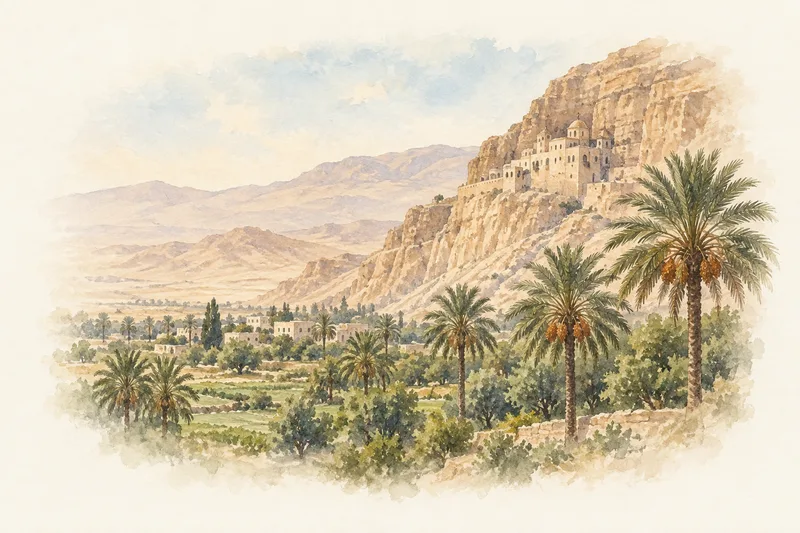
Olive oil, wheat bread, chickpea, lentil, sumac, za’atar, yoghurt, grape, vegetables, lamb and coastal fish take different forms from Galilee and the central highlands to Jerusalem, Nablus, Hebron and Gaza. These are living Palestinian traditions; present violence, displacement and restrictions profoundly affect access to land, markets and food and must not be edited out of the story.
Town, village, coast and hill country carry recognisable specialities.
| Region or community context | Food landscape | Examples to understand |
|---|---|---|
| Nablus & northern hills | Olive groves, dairy, soap and urban sweet-making | Knafeh Nabulsiyeh, olive oil, cheese, lentils and seasonal greens |
| Jerusalem, Ramallah & central highlands | Taboon bread, village poultry, markets and city bakeries | Musakhan, maqloubeh, Jerusalem ka’ak, hummus and falafel |
| Bethlehem & Hebron hills | Grape, wheat, dairy, meat and stone-terrace agriculture | Qidreh, stuffed vegetables, grape products, bread and yoghurt |
| Gaza & coastal plain | Mediterranean fish, chilli, dill, legumes and urban food craft | Sayyadiya, zibdiyit gambari, dagga, sumagiyya and flatbread |
Regional identity is visible in named dishes. Visit Palestine connects Nablus with knafeh, villages with taboon bread and musakhan, and highland towns with different stews, bakeries and harvest products. [7][8]
Current access cannot be assumed. WFP documents catastrophic disruption to food production, markets and ordinary meals, especially in Gaza; this overview records heritage and must not be read as present travel availability. [10]
Oil, bread and sharp aromatics build the shared plate.
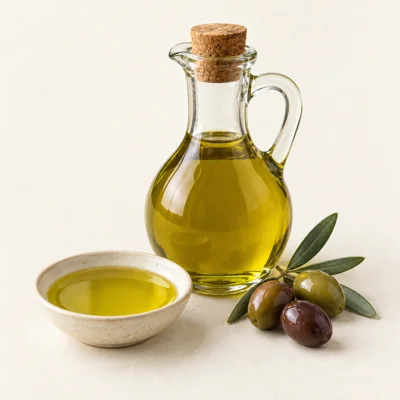 HARVEST OILOlive oil
Cooking, dipping, preserving and finishing
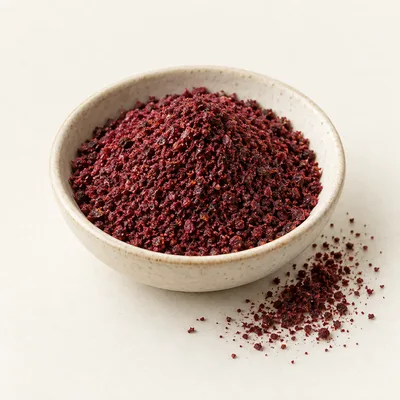 TART SPICESumac
The defining sour note over onions and musakhan
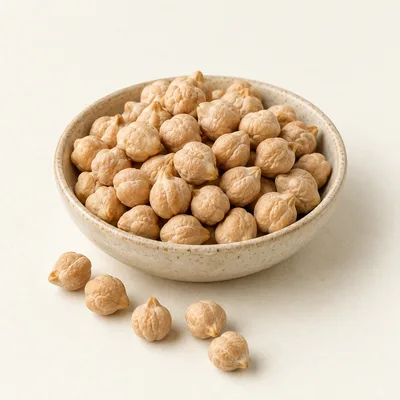 FIELD PULSEChickpea
Hummus, falafel, stews and warm breakfast dishes
 DAILY GRAINWheat
Taboon bread, ka’ak, freekeh, bulgur and pastries
Musakhan makes the harvest into a complete dish. Taboon bread absorbs new olive oil and sumac-soured onion beneath roast chicken, often assembled on large trays for sharing. [7][8][9]
The olive harvest is social infrastructure. Families gather in October and November to pick, press and eat together; oil links household flavour with land tenure, work and continuity. [9]
Market, bakery, cooperative and home kitchen keep attribution close to the cook.
Look beyond a generic “Middle Eastern” menu. A Nablus sweet shop, Jerusalem bakery, Hebron kitchen and Gazan seafood tradition carry different place names, techniques and family histories. [7][8]
Food experiences should return value locally. Cooking classes, women’s cooperatives, farm visits and Palestinian-run restaurants can connect a meal to growers and cooks rather than consuming resilience as a marketing theme. [8][9]
Food-culture sources checked .
Bread, pastry and wheat
Wheat can enter meals through pita, taboon bread, manakish, fatayer, sambousek, tamriyeh, kataifi and phyllo. Freekeh is roasted green-wheat grain; maftoul uses wheat semolina, while some mujaddara uses bulgur rather than, or alongside, rice. Ask whether bread, pastry, thickener or vermicelli is included and whether it is served on the same plate.
Tahini, pulses and shared accompaniments
Hummus uses tahini as a core ingredient, and tahini is also recorded with baba ghanoush, mutabbal and some ful medames, while falafel may come with a sesame-based sauce. Fatteh combines toasted pita, yoghurt and tahini in a recorded example. Ask whether the sauce is integral, optional, separately spooned or shared.
Meat, chicken and fish dishes
Mansaf is described as rice with meat, usually lamb. Freekeh with chicken uses a roasted wheat grain, and Palestinian sayadieh is defined by fish. Musakhan is served on wheat-based bread and may have a pine-nut garnish. Ask about stock, marinades, cooking fat, garnish and whether the protein shares a grill, pan or utensil.
Sweets and regional examples
Knafeh is described with cheese, sugar syrup and shredded filo pastry, with Nablus noted for knafeh Nabulsiyeh. Other recorded sweets include atayef with cheese or cream, nammoura with semolina and possible yoghurt, and warbat with cream and phyllo. Ask which filling, pastry, butter or garnish is used today.
Ingredients worth recognising
Start with these ingredients, then follow their names and recorded food connections. Check the recipe and product actually used.
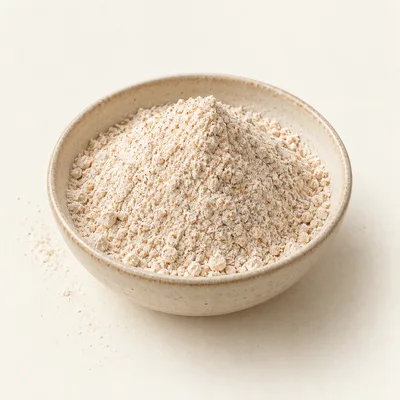
Wheat flour
Wheat flour is recorded in taboon bread, manakish, falafel preparations, awameh, sambousek, fatayer and sweets. Ask whether it is in the dough, a thickener, a coating or an accompaniment, and whether wheat bread is kept separate.
Pita Bread
Pita is made commonly with wheat flour, and some formulations include sesame. It is recorded in fatteh and may accompany hummus or falafel. Check the bread itself, any sesame topping, crumbs on shared plates and whether it is added after cooking.
Tahini
Tahini is made from sesame seeds or directly derived from sesame. It is central to hummus and mutabbal and may also appear in baba ghanoush, ful medames and other preparations. Ask if the sauce is in the dish, served separately, or dispensed with a shared spoon.
Yogurt
Yoghurt is a cow’s-milk ingredient in some preparations. It may be used in fatteh, mutabbal, nammoura or a yoghurt-based sauce for sheikh al-mahshi. Ask whether it is mixed through, used in cooking, or added as a topping.
Olive
Olives are a familiar Palestinian food example, and some cured or processed olives may use sulphites, though this is not universal. Ask how the olives were cured or processed, whether they are plain or dressed, and whether the serving includes a separate seasoning or sauce.
Fish
Fish is the defining protein in Palestinian sayadieh. Ask which fish is used, what stock or seasoning is included, and whether it is fried or cooked in a pan, oil or utensil also used for other foods. Confirm garnishes and sauces separately.
How food labelling works
A current, country-specific allergen-labelling summary for Palestine has not yet been verified for this guide. Do not transfer the list of regulated allergens or restaurant disclosure rules from your home country to this one.
Read the complete ingredients on the actual package and keep any local-language sticker with the original label. For imported products, compare the information on that pack rather than a photograph of the brand sold elsewhere. Ask the manufacturer or seller to clarify an unfamiliar term.
For loose food or meals prepared to order, ask who can check the recipe and the labels on bought-in ingredients. Explain every food you avoid, including ingredients outside familiar allergy groups; a short symbol chart may not cover your list.
Language and communication
The main language for communication is Palestinian Arabic, with standard Arabic also widely used. Prepare a written explanation in Arabic that names the ingredient of concern and asks for the complete recipe, including bread, sauce, stock, garnish and shared preparation. Dish names alone are recognition aids, not a complete request.
Some people may be familiar with Egyptian Arabic through regional media. Use Palestinian Arabic or standard Arabic first, and ask for confirmation when a recipe or ingredient name is unclear. A regional variation in wording may matter, so show the written explanation and have the whole order checked before accepting it.
Eating in different settings
Falafel or shawarma counter
Ask whether falafel includes egg or wheat flour, what bread and sauce are provided, and whether tahini is added. For shawarma, ask about marinade, stock, toppings and shared grill tools; request confirmation about shared oil, boards and serving utensils.
Bakery or dessert shop
For knafeh, atayef, warbat, nammoura or ma'amoul, ask which pastry, filling and fat are used today. Check for cheese, cream, butter, yoghurt, egg and nut garnish, and ask whether trays, tongs and counters are shared between varieties.
Restaurant or shared meal
Ask for the complete recipe of fatteh, mansaf, musakhan, maftoul or sayadieh, including stock, bread, grain, sauce and finishing toppings. Confirm whether the same pot, pan, oil, serving spoon or bread basket is used for other dishes.
Market or packaged-food shop
For olives, tahini, pita, za'atar or packaged sweets, read the complete ingredient list and precautionary wording. Ask which version is in the packet, whether it is a blend or processed product, and check sealed packaging rather than relying on a display label.
Before you travel
Review your personal plan
Discuss your travel plans with your clinician and keep your prescribed medicines and emergency instructions accessible. Tell companions where these are and how to follow your plan.
Check your medicines before entering Palestine
Medicines prescribed or bought in the UK can have different legal status or regulation elsewhere. Before travelling to Palestine, read TravelHealthPro’s guidance on travelling with medicines and ask the relevant authority about any import or document requirements.
Make the first meals easier to organise
Contact your accommodation and transport providers in advance. Save your written food list, menu questions and destination address offline. Check entry restrictions before packing backup food, and plan how you will check meals during arrival and onward journeys.
Plan access to medical help
Healthcare in Israel and Palestine is not free, treatment can be expensive, and hospitals may insist on payment. Arrange adequate travel health insurance and accessible funds for treatment and repatriation. Before travel, check current provider information and eligibility or payment arrangements with your insurer and the relevant medical provider.
Emergency resources
For a suspected severe allergic reaction, follow your prescribed emergency plan and seek urgent medical help. Give your exact location clearly.
Ambulance and urgent medical help
For an ambulance dial: 100 in Israel 101 in the West Bank and Gaza
Explore next
Your allergy in Palestine
Choose a food concern for the country notes and questions relevant to it.
Dishes in Palestine
Follow the ingredients and cuisine connections in individual dish records.
Your own food list
Combine allergy groups and individual ingredients in one guide, with local names where recorded.
Allergy cards
Prepare the information you need to explain your food requirements.
FAQs, sources and review dates
Could falafel be different from one place to another?
Yes. Some recipes include egg, wheat flour or wheat-based accompaniments, and tahini or sesame-based sauce is a common serving option. Ask about the mixture, bread, sauce and frying oil separately rather than treating falafel as one fixed recipe.
What should I ask about freekeh with chicken?
Freekeh is roasted green-wheat grain, so ask whether it is the grain being served and whether any other wheat ingredient is added. Confirm the chicken stock, seasoning, garnish, cooking vessel and serving spoon, especially if the dish is prepared alongside rice or other grains.
What about pine nuts if they are my concern?
Pine nuts may be used as a garnish for musakhan and sheikh al-mahshi, and in fatteh; they are also grouped within tree-nut food-trigger categories. Ask whether they are present, added at the end, or used in a shared garnish container, without assuming a dish name answers this.
Sources checked: . This researched draft is awaiting editorial review. Practical questions apply the sources below to local food settings; they do not confirm any individual meal's ingredients or preparation.
Sources & references (10)
- FCDO · Palestine health and medical assistance
Emergency contact details, local healthcare and medicine guidance. UK-specific eligibility does not apply to every visitor.
- Wikivoyage contributors · Palestine
Community-edited culinary context only; not an allergy or medical authority. Brief food-context adaptations, CC BY-SA 4.0: https://creativecommons.org/licenses/by-sa/4.0/. Recipe questions also use PlateSafe’s draft records.
- FARE · Dining out
General recipe and preparation questions, applied here to country-specific food examples.
- FARE · Travelling with food allergies
General preparation, written communication and access to prescribed medicines. Not country-specific import permission.
- PlateSafe · Palestine recorded food connections
Existing draft dish and ingredient records, used as examples to investigate. These are not independently verified recipes or suitability assessments.
- Unicode CLDR · Territory language data
Language suggestions. Regional language needs must be confirmed with the particular food provider.
- Visit Palestine — Food and dining
- Visit Palestine — Food and culinary experiences
- Visit Palestine — Olive harvest
- World Food Programme — Palestine emergency