
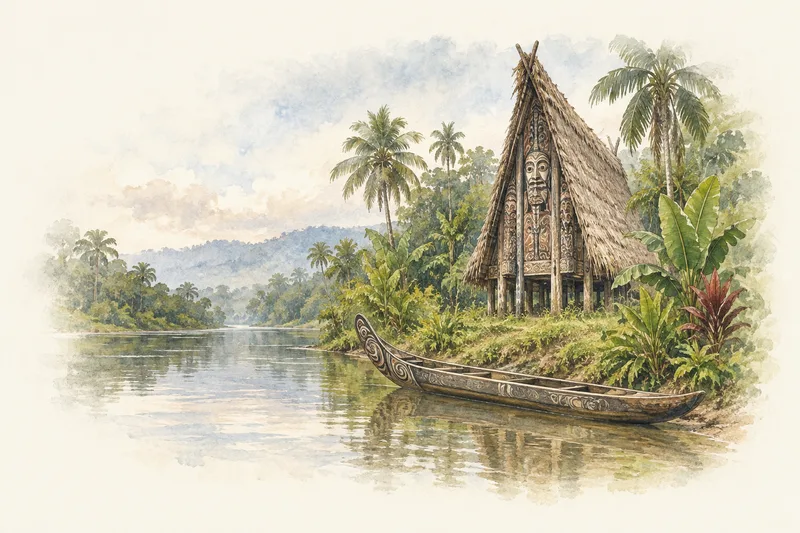
BEFORE YOUR FIRST MEAL
Navigating food allergies in Papua New Guinea
Papua New Guinea’s food examples range from underground-oven mumu to fish-centred kokoda and sago pudding made with cow milk. Rice and another starch commonly accompany meals, while lodge menus may combine local-style food with Westernised dishes. Recipes and regional variations can differ, so ask about every ingredient, cooking liquid, garnish, separate portion and shared utensil rather than relying on a dish name or familiar preparation.
What to know first
Mumu is a method, not one fixed recipe
Mumu can include meat and vegetables such as kaukau, and some regional or coastal versions use fish. Ask what is in this particular batch, whether ingredients were cooked together, and what seasoning or cooking liquid was added.
Kokoda centres on fish
Fish is the defining protein in kokoda. Confirm the complete preparation, including its liquid, seasoning, garnish and handling, rather than assuming that every kokoda recipe or serving is identical.
Explain the whole meal
Describe the ingredients you must avoid and ask about rice, the other starch, sauces, stock, toppings and shared serving utensils. Written details can help when several languages are being used.
Check preparation separately
For mumu, ask whether your portion was cooked with other foods or placed on shared surfaces. For kokoda, ask how the fish was handled and whether separate utensils were used for mixing and serving.
Read the complete label
Read the complete ingredients and allergen information on the actual product. If you avoid a food that is not highlighted, ask the producer or food provider to check it specifically rather than relying on the product name.
Understanding the food
Sweet potato, taro, yam, sago, banana, aibika greens, pandanus, coconut, pig and fish vary between highland valleys, Sepik and Gulf wetlands, Papuan south coast, New Guinea islands and many distinct communities. “Mumu” names a broad earth-oven technique, not one national recipe, and community ownership should remain visible.
Altitude and water determine which starch anchors the meal.
| Region or community context | Food landscape | Examples to understand |
|---|---|---|
| Highlands | Intensive sweet-potato gardens, pigs, leafy greens and coffee | Kaukau, mumu, pork, greens and highland fruit |
| Sepik, Gulf & western lowlands | Sago palm, river fish, swamp foods and forest gardens | Sago pancakes or jelly, fish, greens and smoked foods |
| Papuan south coast & Motu communities | Dryer gardens, marine food and historic Hiri exchange | Banana, yam, fish, coconut and traded Gulf sago |
| Islands & north coast | Taro, yam, coconut, banana, reef fish and shellfish | Earth-oven foods, seafood, root crops and coconut dishes |
There is no single subsistence garden. FAO documents food production from sea level to high altitude with different combinations of sweet potato, taro, yam, banana and sago, alongside remarkable farmer-maintained crop diversity. [8][9]
Trade connected food systems before modern roads. The Hiri voyages carried Motu pottery and other goods westward in exchange for Gulf sago and canoe logs, linking coastal communities through seasonal knowledge and obligation. [10]
Garden starch becomes a feast through leaves, smoke and hot stones.
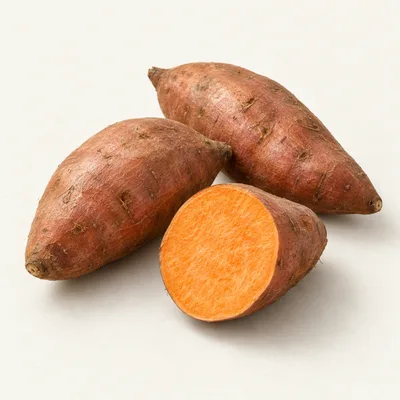 HIGHLAND STAPLESweet potato
Roasted, boiled or layered into earth-oven meals
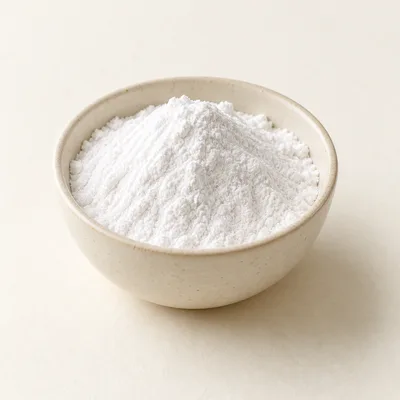 LOWLAND PALM STARCHSago
Washed from palm pith and cooked as cake, paste or jelly
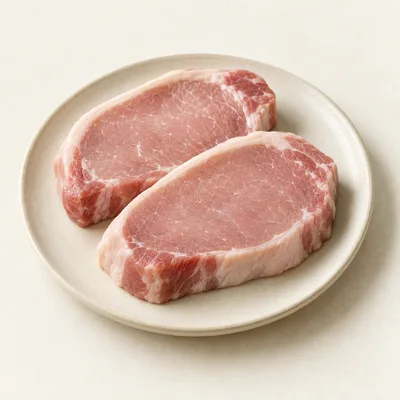 CEREMONIAL PROTEINPork
A valued food in exchange, compensation and large feasts
Garden greens cooked with roots, coconut or meat
Mumu describes controlled earth-oven heat. Hot stones, leaves, root crops, greens and sometimes pork or chicken are layered and covered; ingredients, wrapping and ceremonial scale vary widely by place. [7][8]
Crop names conceal deep diversity. FAO records more than a thousand sweet-potato and hundreds of taro, banana, yam, cassava and aibika landraces or farmer cultivars across the country. [9]
A feast belongs to the community relationships that organise it.
Do not detach mumu from ceremony. Earth-oven food may accompany marriage, compensation, initiation, mourning or festivals; visitors should follow hosts on access, photography and distribution. [7]
Festival tasting is an introduction, not a national sample. More than 800 languages and highly local food systems mean a dish encountered at one sing-sing or market should retain its community and province name. [7][10]
Food-culture sources checked .
Underground-oven cooking
Mumu describes an underground-oven method rather than one fixed combination of ingredients. Meat and vegetables such as kaukau may be included, and fish appears in some regional or coastal versions. Ask whether foods were cooked together, whether a cooking liquid or seasoning was added, and whether your portion was lifted out with utensils also used for another dish. A separate portion may still share the oven, covering or serving tools, so ask about the complete preparation rather than treating mumu as a single recipe.
Fish preparations
Kokoda is identified through its fish, but the dish name does not explain the full recipe. Ask which fish is used, what liquid is added, which seasonings or garnishes are mixed through it, and whether anything is served alongside it from the same bowl or spoon. Ask how the fish was cut and handled, whether the preparation was mixed in a shared bowl, and whether a separate portion can be prepared with clean utensils. Do not infer the recipe from the word kokoda alone.
Starches, puddings and accompaniments
Rice and another form of starch are described as accompanying many meals, while sago pudding may be made with cow milk and may sometimes have pistachio garnish. Ask which starch is being served, whether sauces or cooking liquids were added, and whether toppings were applied separately. For pudding, ask about the liquid base, added garnish and serving spoon. A familiar name does not identify every component, and a side dish may have been prepared on the same surface or with the same utensil as another food.
Lodge and Westernised menus
Lodges may combine local-style food with Westernised dishes, so a familiar menu description does not establish the recipe. Ask the cook to identify every component of a plate, including sauces, stock, toppings, cooking liquid and the separate portion you will receive. Pizza, chicken or steak-style dishes can contain prepared fillings, coatings or sauces that need their own questions. A bought-in savoury filling is a recipe to check, not a raw ingredient. Ask whether preparation and serving tools are shared across dishes.
Ingredients worth recognising
Start with these ingredients, then follow their names and recorded food connections. Check the recipe and product actually used.
Fish
Fish may be the central ingredient in kokoda and can also appear in some regional or coastal mumu versions. Ask which fish is used, how it was prepared, what liquid or seasoning was added, and whether the knife, bowl or serving utensil was shared.
Sweet potato
Sweet potato, also called kaukau, is an example of a vegetable cooked in mumu and may be served as a starch. Ask whether it was cooked with meat or fish, whether seasoning or liquid was added, and whether it came from a shared oven or serving tool.
Sago starch
Sago starch is relevant to sago pudding, whose full recipe can vary. Ask whether the pudding also contains cow milk, what liquid was used, whether pistachio or another garnish was added, and whether the spoon or topping container was shared.
Rice
Rice is described as a starch commonly accompanying meals in Papua New Guinea. Ask whether it was cooked plain or with another ingredient, whether a sauce, stock or cooking liquid was added, and whether the serving spoon was also used for other dishes.
Cow milk
Cow milk may be used in sago pudding, so ask whether it is the liquid base or appears in another added ingredient. Confirm the complete pudding recipe, any garnish, and whether a separate portion was served with a clean spoon.
How food labelling works
A current, country-specific allergen-labelling summary for Papua New Guinea has not yet been verified for this guide. Do not transfer the list of regulated allergens or restaurant disclosure rules from your home country to this one.
Read the complete ingredients on the actual package and keep any local-language sticker with the original label. For imported products, compare the information on that pack rather than a photograph of the brand sold elsewhere. Ask the manufacturer or seller to clarify an unfamiliar term.
For loose food or meals prepared to order, ask who can check the recipe and the labels on bought-in ingredients. Explain every food you avoid, including ingredients outside familiar allergy groups; a short symbol chart may not cover your list.
Language and communication
Prepare a written explanation in English first, naming the ingredients and preparations you must avoid and asking for a complete recipe. Tok Pisin is spoken in most of the country, while English is also used on many signs and in public settings.
Hiri Motu is used in Port Moresby and other parts of Papua. Regional variation matters: ask for confirmation in the language the person is comfortable using, and use dish and ingredient names only as recognition aids, not as a complete allergy request.
Eating in different settings
Mumu meal
Ask what meat, vegetables or fish are in the mumu, whether kaukau or another starch was cooked alongside them, and whether your serving came from the same underground oven. Check added seasoning, cooking liquid and shared serving tools before accepting the portion.
Kokoda at a restaurant
Ask which fish is used and for the complete kokoda recipe, including liquid, seasoning and garnish. Confirm how it was handled, whether separate knives, boards and bowls were used, and whether side dishes share its utensils or serving spoon.
Lodge dining room
Because lodge menus may blend local-style and Westernised food, do not infer ingredients from a familiar menu name. Ask the cook to identify rice, the other starch, sauces, stock, toppings and preparation surfaces, and request details for your separate portion.
Packaged-food shop
Read the entire ingredient list and allergen information on packaged food, keeping the packaging available for questions. If an ingredient is unfamiliar, ask staff to identify it. A product name, dietary description or bought-in savoury filling does not explain the complete recipe.
Before you travel
Review your personal plan
Discuss your travel plans with your clinician and keep your prescribed medicines and emergency instructions accessible. Tell companions where these are and how to follow your plan.
Check your medicines before entering Papua New Guinea
The legal status and regulation of some medicines prescribed or bought in the UK may differ in Papua New Guinea. Before travelling, check current medicine-travel guidance, including best practice from TravelHealthPro, and ask the relevant authority whether any import documentation is needed.
Make the first meals easier to organise
Contact your accommodation and transport providers in advance. Save your written food list, menu questions and destination address offline. Check entry restrictions before packing backup food, and plan how you will check meals during arrival and onward journeys.
Plan access to medical help
Medical facilities in Papua New Guinea are described as very basic, with hospitals sometimes running short of drugs and supplies and experiencing power shortages. Check travel insurance, accessible funds and cover for treatment and repatriation; consult current provider information before departure.
Emergency resources
For a suspected severe allergic reaction, follow your prescribed emergency plan and seek urgent medical help. Give your exact location clearly.
Ambulance and urgent medical help
Call 111 and ask for an ambulance.
Explore next
Your allergy in Papua New Guinea
Choose a food concern for the country notes and questions relevant to it.
Dishes in Papua New Guinea
Follow the ingredients and cuisine connections in individual dish records.
Your own food list
Combine allergy groups and individual ingredients in one guide, with local names where recorded.
Allergy cards
Prepare the information you need to explain your food requirements.
FAQs, sources and review dates
Could a mumu contain fish?
Yes, fish can appear in some regional or coastal mumu versions, although mumu is a broader underground-oven method that may include meat and vegetables such as kaukau. Ask what is in the particular batch, whether foods were cooked together, and which utensils were used for serving.
Could a plate of kaukau contain another ingredient?
Kaukau means sweet potato, but the name does not describe everything added during cooking or serving. Ask whether it was cooked with meat or fish, whether seasoning or liquid was used, and whether your portion was taken with a utensil shared with another dish.
How should I ask about pistachio in sago pudding?
Pistachio may be used as a sago-pudding garnish or variation. Ask directly whether it is present, whether another topping was added, and whether the garnish spoon or container was shared. Also ask about the pudding’s liquid base and the spoon used for your serving.
Sources checked: . This researched draft is awaiting editorial review. Practical questions apply the sources below to local food settings; they do not confirm any individual meal's ingredients or preparation.
Sources & references (10)
- FCDO · Papua New Guinea health and medical assistance
Emergency contact details, local healthcare and medicine guidance. UK-specific eligibility does not apply to every visitor.
- Wikivoyage contributors · Papua New Guinea
Community-edited culinary context only; not an allergy or medical authority. Brief food-context adaptations, CC BY-SA 4.0: https://creativecommons.org/licenses/by-sa/4.0/. Recipe questions also use PlateSafe’s draft records.
- FARE · Dining out
General recipe and preparation questions, applied here to country-specific food examples.
- FARE · Travelling with food allergies
General preparation, written communication and access to prescribed medicines. Not country-specific import permission.
- PlateSafe · Papua New Guinea recorded food connections
Existing draft dish and ingredient records, used as examples to investigate. These are not independently verified recipes or suitability assessments.
- Unicode CLDR · Territory language data
Language suggestions. Regional language needs must be confirmed with the particular food provider.
- Papua New Guinea Tourism Promotion Authority — Culture
- FAO — Family farming in Papua New Guinea
- FAO — Papua New Guinea plant genetic resources
- Papua New Guinea Tourism Promotion Authority — Hiri Moale Festival