
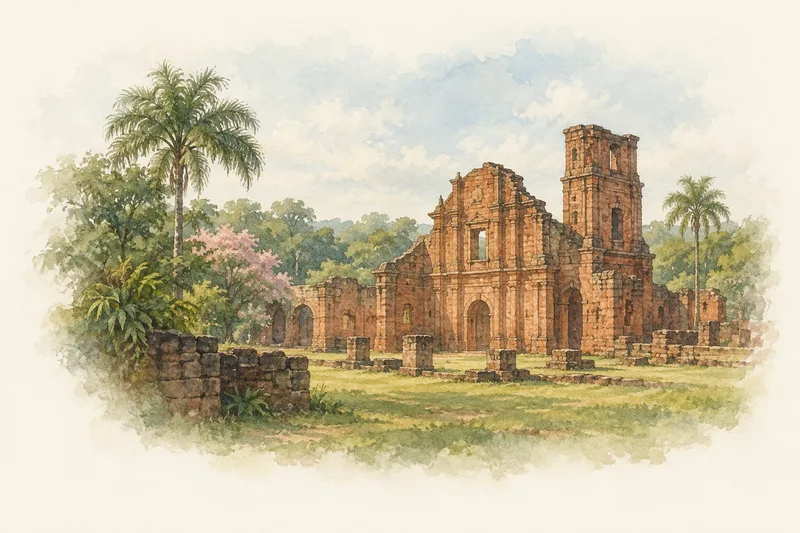
BEFORE YOUR FIRST MEAL
Navigating food allergies in Paraguay
Paraguayan meals commonly bring together grilled beef, mandioca, corn breads, cheese-based doughs, fried foods and pasta. The same familiar name may cover different recipes: chipa, sopa paraguaya, empanadas and tortillas can involve dairy, egg or wheat, while pira caldo centres on fish. Ask about the complete preparation, not just the dish name, especially at stalls and shared grills.
What to know first
Mandioca and dough
Chipa and mbeju use mandioca or cassava-based doughs, but cheese, butter, milk and egg can also be important. Ask which flour and binders are used.
Grilled and fried meals
Asado centres on grilled meat; hamburgers may arrive with a fried egg, while milanesa and empanadas are breaded or pastry-based. Check toppings, coatings and cooking oil.
Explain the whole recipe
Describe the ingredient you must avoid and ask about stock, sauces, fillings, toppings, marinades and shared utensils. A question about the named dish alone is not enough.
Preparation matters
Ask whether your food is fried in oil also used for breaded items, or cooked on a grill, pan or surface shared with other foods. Confirm sides separately.
Read the full label
Read the complete ingredients and allergen information on the actual product. If you avoid a food that is not highlighted, ask the producer or food provider to check it specifically.
Understanding the food
Cassava, maize, beans, groundnut, squash, yerba mate, cheese, milk and beef recur in foods whose Guaraní names remain central: chipa, mbejú, vori vori and tereré. Colonial and migrant histories matter, but describing the cuisine only as “fusion” can erase the continuing Guaraní language, plants and knowledge within everyday life.
River cities, farming heartland and Chaco organise different food settings.
| Region or setting | Food landscape | Examples to explore |
|---|---|---|
| Asunción & Central | Markets, neighbourhood eateries, migration and national food institutions | Chipa, mbejú, empanadas, caldo, tereré and contemporary dining |
| Eastern farming region | Cassava, maize, beans, yerba mate, pork and settler agriculture | Sopa paraguaya, chipa guazú, asado, preserves and mate products |
| Southern missions & Ñeembucú | Cattle, river fish, wetlands and Guaraní mission history | Fish, beef, cassava sides, stews and festival foods |
| Chaco | Dry ranching country and distinct Indigenous and Mennonite communities | Beef, dairy, preserved foods and community-specific preparations |
The national tourism account begins with Guaraní crops. Maize, cassava and beans are identified as precolonial foundations, with cattle, dairy, rice and other ingredients entering through colonial and later exchange. [7][8]
Community names must not be collapsed. Guaraní heritage is nationally pervasive, while Chaco Indigenous nations and Mennonite colonies maintain distinct histories and food systems that require their own attribution. [8][10]
Starch and fresh cheese become breads, cakes and dumplings with very different textures.
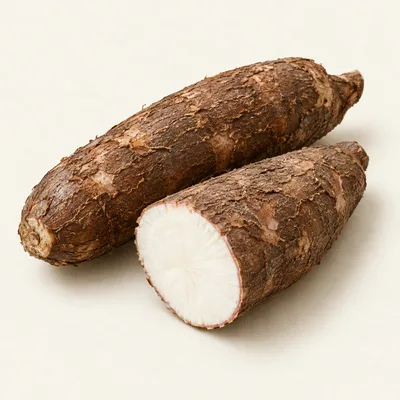 ROOT STAPLECassava
Boiled beside meals or milled as starch for chipa and mbejú
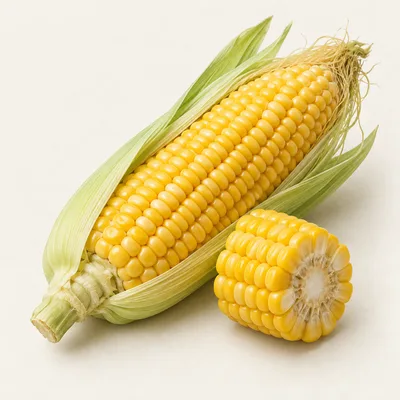 INDIGENOUS GRAINMaize
Sopa paraguaya, chipa guazú, vori vori and drinks
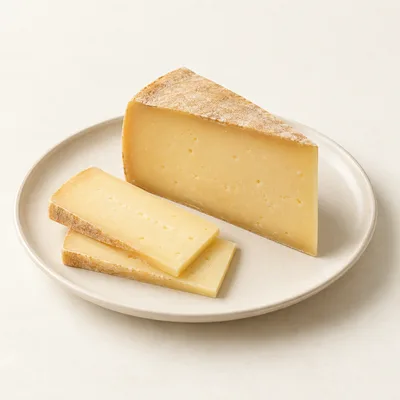 FRESH DAIRYParaguayan cheese
Soft salty cheese binding breads and maize dishes
Cold tereré or hot mate shared through a common vessel
Chipa is a family of forms. Cassava starch, cheese and egg can become rings, loaves, meat-filled chipa so’o or fire-cooked chipa caburé; Holy Week production makes baking a family transmission event. [9][7]
“Sopa” here is solid. Sopa paraguaya is a baked maize, onion, dairy and egg preparation, while chipa guazú uses fresher maize for a softer result; neither is adequately translated as cornbread alone. [7][8]
Tereré turns refreshment into a practiced social sequence.
Sharing follows established codes. UNESCO documents cold water, crushed pohã ñana herbs, yerba mate and a bombilla, with family-taught roles that foster conversation, inclusion and respect. [10]
Roadside chiperías preserve specialisation. A seller may make a narrow range throughout the day; ask which form is fresh and how it was cooked rather than seeking a generic souvenir assortment. [9][7]
Food-culture sources checked .
Mandioca-based breads and sides
Mandioca is described as a frequent side and may be boiled or fried. Chipa is baked in an outdoor oven and is usually associated with mandioca flour, while mbeju is a flatbread based on mandioca starch and Paraguayan cheese. Ask whether a recipe uses mandioca, potato substitution, cheese, butter, milk or egg, and whether the item shares a tray or serving utensil.
Corn, cheese and egg mixtures
Sopa Paraguaya is a solid cornbread rather than a liquid soup and may contain milk, cheese and eggs. Sopa so'o combines cornbread with meat, while tortillas may be fried dough and may contain Paraguayan cheese. Confirm the batter, filling and frying method, including whether egg is mixed through or added separately.
Meat, fish and fast food
Asado is grilled meat, while pira caldo is a fish soup associated with catfish, tomatoes, fat and spices; some recorded versions include dairy. Empanadas may contain meat or egg in pastry, and milanesa is breaded and fried chicken, beef or fish. Ask about wheat coatings, marinades, soup enrichment, frying oil and any fried-egg topping.
Ingredients worth recognising
Start with these ingredients, then follow their names and recorded food connections. Check the recipe and product actually used.
Peanut
Peanut is the principal solid ingredient recorded for Ka'i Ladrillo, a confection. Ask whether the sweet is made on shared equipment or displayed beside other products, and confirm every added ingredient rather than assuming the name describes the full recipe.
Cheese
Cheese appears in chipa varieties, mbeju, sopa paraguaya, vori vori, arroz kesu and mandi'o chyryry. Ask what type is used, whether it is mixed into dough or added on top, and whether butter or milk is included as well.
Dried wheat pasta
Tallarín Paraguayo uses dried wheat pasta; some formulations include egg, but that is not universal. Check the packet or kitchen ingredient list, then ask whether the sauce, stock, grated topping or cooking water adds anything relevant.
Fish
Fish is the defining protein of pira caldo, which is associated with catfish, tomatoes, fat and spices. Ask which fish is used, whether the soup contains milk or other dairy, and whether the ladle or pot is shared.
Egg
Egg is used as a binder in many recorded chipa and batter examples and may be cooked over or alongside the beef and vegetables in bife koygua. Ask whether it is inside the mixture, a topping, or cooked in the same pan.
How food labelling works
A current, country-specific allergen-labelling summary for Paraguay has not yet been verified for this guide. Do not transfer the list of regulated allergens or restaurant disclosure rules from your home country to this one.
Read the complete ingredients on the actual package and keep any local-language sticker with the original label. For imported products, compare the information on that pack rather than a photograph of the brand sold elsewhere. Ask the manufacturer or seller to clarify an unfamiliar term.
For loose food or meals prepared to order, ask who can check the recipe and the labels on bought-in ingredients. Explain every food you avoid, including ingredients outside familiar allergy groups; a short symbol chart may not cover your list.
Language and communication
Spanish and Guaraní are Paraguay’s official languages, with Spanish commonest in the country and Guaraní especially important outside Asunción and the larger cities. Prepare a written explanation naming the ingredients and cross-contact concerns, and ask for confirmation of the complete recipe.
Guaraní and Spanish are often mixed in Jopara. Portuguese is also widely spoken in parts of northern and eastern Paraguay, while German is used in some Mennonite communities. Regional language use can affect how a request is understood, so carry the written explanation and seek staff confirmation.
Eating in different settings
Street stall or fast-food counter
For a pancho, hamburger, empanada or milanesa, ask what is in the bun or pastry, coating and sauce. Check whether a hamburger receives a fried egg, whether the oil is shared with breaded foods, and whether utensils touch other orders.
Asado or grilled-meat restaurant
Ask what is marinated, seasoned or brushed onto the meat, and whether the grill, tongs or serving board is shared with bread, cheese or other dishes. Confirm whether mandioca is boiled or fried and request its ingredients separately.
Bakery or chipa seller
For chipa, mbeju, sopa paraguaya or a tortilla, ask about the flour or starch, cheese, milk, butter and egg. Ask whether batches share trays, ovens or preparation surfaces, and whether the item is fried after being made with other doughs.
Packaged-food shop or accommodation
For dried pasta, confectionery or cooking ingredients, read the complete label and keep the packaging available for questions. Ask whether sauces, stock, toppings or spreads were added after opening, and whether shared knives, boards or serving spoons were used.
Before you travel
Review your personal plan
Discuss your travel plans with your clinician and keep your prescribed medicines and emergency instructions accessible. Tell companions where these are and how to follow your plan.
Check your medicines before entering Paraguay
Medicine rules in Paraguay may differ from those in the UK. Bring enough regular prescribed medicine for the trip, and check TravelHealthPro and NHS information on taking that medicine abroad. For any medicine-specific import question, confirm requirements with the relevant Paraguayan authority before travelling.
Make the first meals easier to organise
Contact your accommodation and transport providers in advance. Save your written food list, menu questions and destination address offline. Check entry restrictions before packing backup food, and plan how you will check meals during arrival and onward journeys.
Plan access to medical help
Private medical facilities are described as available in major cities, with immediate payment expected; some medicines may not be available. Elsewhere, standards may differ. Check travel health insurance, accessible funds and repatriation cover, and consult the FCDO list of providers if language support matters.
Emergency resources
For a suspected severe allergic reaction, follow your prescribed emergency plan and seek urgent medical help. Give your exact location clearly.
Ambulance and urgent medical help
Call 141 and ask for an ambulance.
Explore next
Your allergy in Paraguay
Choose a food concern for the country notes and questions relevant to it.
Dishes in Paraguay
Follow the ingredients and cuisine connections in individual dish records.
Your own food list
Combine allergy groups and individual ingredients in one guide, with local names where recorded.
Allergy cards
Prepare the information you need to explain your food requirements.
FAQs, sources and review dates
Can a mandioca-based item be treated as free from wheat or dairy?
No. Mandioca is the base of chipa and mbeju, which may also contain cheese, butter, milk or egg. Ask whether wheat flour was added, whether the dough contains dairy, and how the item was prepared and served.
What should I ask about pira caldo?
Confirm the fish species and every ingredient in the soup, including tomatoes, fat, spices and any milk or other dairy. Ask whether the pot and ladle are shared with other soups, and whether toppings or side dishes are added at serving.
Why ask about molasses if it is not a main Paraguayan dish?
Recorded ingredient information notes that some molasses products are sulfured and others unsulfured. If molasses appears in a packaged product or recipe, ask which product was used and read its complete label rather than assuming all molasses is identical.
Sources checked: . This researched draft is awaiting editorial review. Practical questions apply the sources below to local food settings; they do not confirm any individual meal's ingredients or preparation.
Sources & references (10)
- FCDO · Paraguay health and medical assistance
Emergency contact details, local healthcare and medicine guidance. UK-specific eligibility does not apply to every visitor.
- Wikivoyage contributors · Paraguay
Community-edited culinary context only; not an allergy or medical authority. Brief food-context adaptations, CC BY-SA 4.0: https://creativecommons.org/licenses/by-sa/4.0/. Recipe questions also use PlateSafe’s draft records.
- FARE · Dining out
General recipe and preparation questions, applied here to country-specific food examples.
- FARE · Travelling with food allergies
General preparation, written communication and access to prescribed medicines. Not country-specific import permission.
- PlateSafe · Paraguay recorded food connections
Existing draft dish and ingredient records, used as examples to investigate. These are not independently verified recipes or suitability assessments.
- Unicode CLDR · Territory language data
Language suggestions. Regional language needs must be confirmed with the particular food provider.
- Visit Paraguay — Gastronomic tourism
- SENATUR — Gastronomic tourism guide
- Paraguay National Secretariat of Culture — Chipa
- UNESCO — Tereré and pohã ñana knowledge