
BEFORE YOUR FIRST MEAL
Navigating food allergies in Peru
Peruvian food changes noticeably between coast, Sierra and jungle, with rice, potatoes, corn and yuca appearing in different settings. Lima’s cooking also reflects Chinese and Japanese influences, so familiar-looking stir-fries may use soy sauce, wheat noodles, egg or sesame. Treat every dish as a recipe to check: ask about every sauce, stock, topping, coating and cooking surface before ordering.
What to know first
Ceviche varies
Ceviche centres on fish, but some versions use shrimp or other crustaceans. Ask which seafood is included, whether a mixed seafood stock is used, and whether toppings are added separately.
Potato dishes are not plain
Papa a la Huancaína may carry a sauce made with fresh cheese, evaporated milk and crackers; causa may contain tuna or chicken salad and mayonnaise. Check the complete assembly.
Explain the whole concern
In Spanish-speaking settings, describe the ingredient, the reaction risk and the need to avoid cross-contact. Ask whether the same utensils, oil, water or board are shared.
Fried food needs detail
For jalea, chicharrón de pescado or picarones, ask what coating or dough is used and what else goes into the fryer. Confirm whether the oil is shared.
Read the complete label
Read the complete ingredients and allergen information on the actual product. If you avoid a food that is not highlighted, ask the producer or food provider to check it specifically.
Understanding the food
Potato, maize, quinoa, ají, peanut, fish, shellfish, cassava, plantain and thousands of local crops meet Indigenous Andean and Amazonian knowledge with African, Spanish, Chinese, Japanese and other migrations. Lima’s celebrated restaurants are one layer within cuisines whose ingredients and techniques belong to specific coasts, valleys, cities and peoples.
Coast, Andes and Amazon each contain several cuisines of their own.
| Region or community context | Food landscape | Examples to explore |
|---|---|---|
| Lima & central coast | Pacific fisheries, irrigated valleys and African, Chinese and Japanese migration | Ceviche, anticuchos, causa, chifa and Nikkei cooking |
| North coast | Warm sea, rice, maize, goat, duck and ancient irrigation cultures | Cebiche norteño, seco de cabrito, arroz con pato and chicha de jora |
| Andes & Altiplano | Potato diversity, maize, quinoa, alpaca, cuy and highland preservation | Pachamanca, chuño, soups, roast guinea pig and regional ají sauces |
| Amazonia | River fish, cassava, plantain, palm fruits and Indigenous forest knowledge | Juane, tacacho, patarashca, inchicapi and fruit drinks |
Peru’s official food guide names regional cuisines rather than one canon. Lima, north coast, Arequipa, Andes and Amazonia each receive distinct treatment, alongside the migrations and living cultures that shaped them. [7][10]
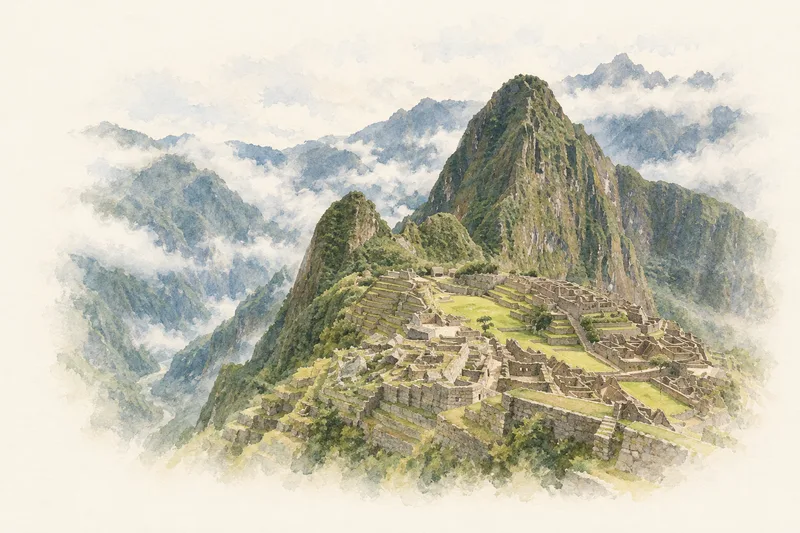
Geography changes quickly and dramatically. The state’s regional overview distinguishes arid Pacific coast, high Andean terrain and the Amazon basin, each with different fisheries, crops and market routes. [9]
Altitude and biodiversity give familiar ingredient names many forms.
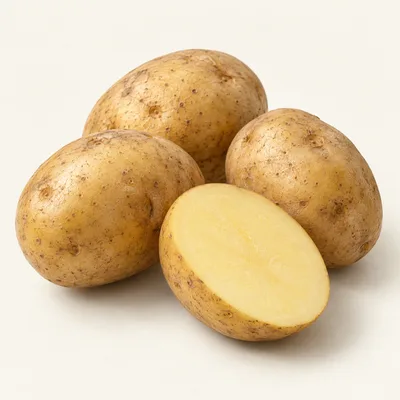 ANDEAN TUBERPotato
Thousands of varieties, fresh or preserved as chuño
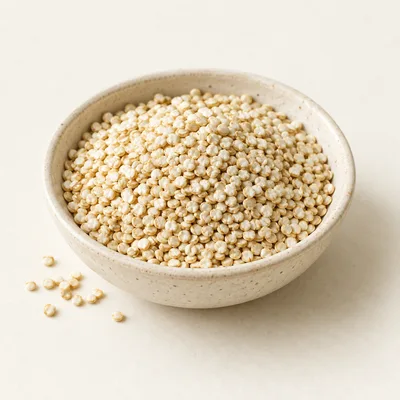 ANDEAN GRAINQuinoa
Soups, stews, drinks and contemporary preparations
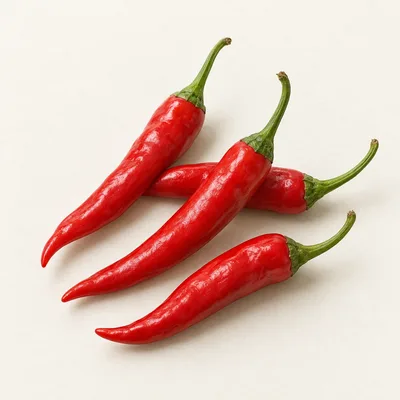 FLAVOUR FAMILYAjí
Fresh, dried or pasted chillies chosen by dish and region
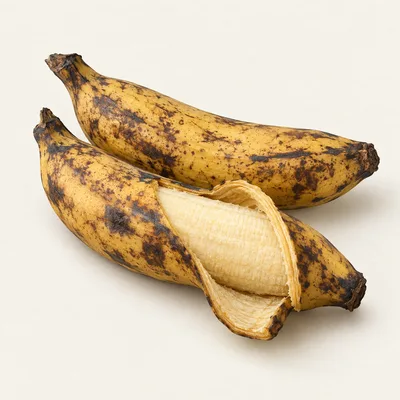 AMAZON STAPLEPlantain
Boiled, fried or pounded into tacacho
Ceviche depends on species, cut and timing. Raw fish is briefly seasoned with citrus, ají, salt and aromatics, then paired differently along the coast; the dish should not flatten every fishing community into Lima style. [7][10]
Amazonian leaf wrapping is both vessel and aroma. Juane encloses rice and chicken in bijao leaf, while patarashca cooks seasoned fish near coals; forest plants determine technique as much as filling. [8]
Market stall, picantería, chifa and cevichería each carry a specialised history.
Choose the institution as carefully as the dish. Arequipeña picanterías, Chinese-Peruvian chifas, Nikkei restaurants, market menus and coastal cevicherías organise service, portion and sequence differently. [7][10]
Biodiversity is not an invitation to consume every species. In Amazonia especially, ask whether fish, game or palm products are legally and sustainably sourced; celebrated “exotic” menus can obscure ecological and Indigenous governance. [8]
Food-culture sources checked .
Coastal fish and seafood
Along the coast, ceviche and tiradito are fish-centred examples, while parihuela may include fish with prawns or crab. Arroz con mariscos can combine fish with shrimp or other crustaceans. Ask whether the recipe is mixed, what stock or seasoning is added, and whether seafood is prepared beside other orders. A dish name alone does not establish which species or additions are present.
Potatoes, sauces and fillings
Potatoes are central in examples such as papa a la Huancaína, ocopa, causa and papa rellena. Huancaína sauce uses fresh cheese and evaporated milk, with crackers sometimes used for thickness; ocopa is defined by peanuts and may also use dairy and crackers. Ask whether the sauce is blended into the dish, served on top, or replaced, and check fillings, garnishes and crackers.
Rice, noodles and chifa-style cooking
Rice-based arroz chaufa and aeropuerto use stir-fry seasonings, with egg commonly integrated and soy sauce central; aeropuerto has wheat noodles as a defining component. Tallarín saltado is also built around wheat noodles and soy sauce. Ask about the exact sauce, whether conventional soy sauce contains wheat, whether sesame oil or seeds finish the dish, and whether noodles share water or utensils.
Coatings, soups and sweets
Wheat appears in coatings for chicharrón de pescado, jalea and several fried chicken dishes, while wonton wrappers are conventionally wheat-based and may include egg. Sopa Criolla has wheat noodles, milk and egg. Desserts also need checking: suspiro a la limeña uses condensed and evaporated milk with egg, while picarones use wheat flour in the dough.
Ingredients worth recognising
Start with these ingredients, then follow their names and recorded food connections. Check the recipe and product actually used.
Wheat flour
Wheat flour is recorded in coatings for chicharrón de pescado, jalea and several pollo dishes, and in picarones. Ask whether it is used in batter, thickening, crumbs or a shared fryer, and distinguish wheat from gluten-related requirements.
Peanut
Peanut is characteristic in carapulcra, inchicapi and ocopa, where it may be ground into a sauce or thickener. Ask whether the same blender, spoon or preparation surface is used for peanut-containing sauces and other dishes.
Cow Milk
Cow milk is recorded in creamy ají de gallina and sopa Criolla, while milk-based ingredients also occur in chupe de camarones. Ask about milk, cream-style bases, butter, cheese and concentrated milk separately rather than assuming one substitution covers all forms.
Fish
Fish is central to ceviche, tiradito, parihuela, patarashca, sudado de pescado and chicharrón de pescado. Ask which fish is used, whether seafood stock is added, and whether the preparation shares knives, boards, oil or serving utensils with other seafood.
Soy Sauce
Soy sauce is central to arroz chaufa, aeropuerto, lomo saltado and several chifa-style dishes. Many conventional soy sauces contain wheat. Ask for the exact sauce, marinade and finishing seasoning, including oyster sauce.
Egg
Egg is commonly mixed into arroz chaufa, humitas, chupe de camarones and juane, and appears as a topping in several dishes. Ask whether egg is in the batter, filling, garnish or shared cooking surface, rather than checking only the main ingredient.
How food labelling works
A current, country-specific allergen-labelling summary for Peru has not yet been verified for this guide. Do not transfer the list of regulated allergens or restaurant disclosure rules from your home country to this one.
Read the complete ingredients on the actual package and keep any local-language sticker with the original label. For imported products, compare the information on that pack rather than a photograph of the brand sold elsewhere. Ask the manufacturer or seller to clarify an unfamiliar term.
For loose food or meals prepared to order, ask who can check the recipe and the labels on bought-in ingredients. Explain every food you avoid, including ingredients outside familiar allergy groups; a short symbol chart may not cover your list.
Language and communication
Spanish is Peru’s official language and should be prioritised for a written food explanation. State the ingredient to avoid, the seriousness of the reaction, and that the complete recipe must be checked, including sauces, stocks, toppings, oil, water and utensils. Names such as ceviche or ocopa identify dishes, not safety.
Quechua is especially relevant in the countryside of the Sierra, and Aymara is widely spoken on the Altiplano; Spanish is also generally spoken in those contexts. Regional language differences and staff confirmation matter, so provide the written explanation in the language most useful for the location and ask the cook to confirm each component.
Eating in different settings
Coastal cevichería or seafood counter
For ceviche, tiradito, parihuela or arroz con mariscos, ask which fish or crustaceans are present and whether the dish uses seafood stock. Ask about shared knives, boards, bowls and serving spoons, and whether mixed seafood is added after the order.
Chifa or stir-fry counter
For arroz chaufa, aeropuerto, tallarín saltado or Taypa, ask about soy sauce, oyster sauce, wheat noodles, egg and sesame. Check whether the wok, oil, ladle and cooking surface are shared, and whether sauce is added during cooking or at the table.
Bakery, sandwich shop or dessert counter
For butifarra, pan con chicharrón, panetón, picarones or suspiro a la limeña, ask about wheat bread or flour, milk, egg and toppings. Confirm whether crumbs, fillings, trays, tongs and fryer oil are shared with other products.
Market, small restaurant or accommodation kitchen
When choosing papa a la Huancaína, ocopa, causa, carapulcra or a home-prepared meal, ask for the complete sauce and garnish recipe. Check stock, crackers, peanuts, dairy, mayonnaise, cooking oil and utensils, and do not infer suitability from a vegetarian description.
Before you travel
Review your personal plan
Discuss your travel plans with your clinician and keep your prescribed medicines and emergency instructions accessible. Tell companions where these are and how to follow your plan.
Check your medicines before entering Peru
The legal status and regulation of medicines prescribed or bought in the UK can differ in Peru, and some medicines may require a local prescription. Before travel, read TravelHealthPro’s best-practice guidance on travelling with medicines and ask the relevant Peruvian authority whether any medicine requires a local prescription.
Make the first meals easier to organise
Contact your accommodation and transport providers in advance. Save your written food list, menu questions and destination address offline. Check entry restrictions before packing backup food, and plan how you will check meals during arrival and onward journeys.
Plan access to medical help
Medical treatment may be harder to access outside Lima. Check that travel insurance covers treatment abroad and repatriation, and confirm how accessible funds and insurer procedures work before travelling. Ask your insurer or a relevant authority about suitable providers and regional access for your itinerary.
Emergency resources
For a suspected severe allergic reaction, follow your prescribed emergency plan and seek urgent medical help. Give your exact location clearly.
Ambulance and urgent medical help
Call 106 and ask for an ambulance.
Explore next
Your allergy in Peru
Choose a food concern for the country notes and questions relevant to it.
Dishes in Peru
Follow the ingredients and cuisine connections in individual dish records.
Your own food list
Combine allergy groups and individual ingredients in one guide, with local names where recorded.
Allergy cards
Prepare the information you need to explain your food requirements.
FAQs, sources and review dates
Could plain-looking potatoes contain several ingredients?
Yes. Papa a la Huancaína may be covered with a sauce containing fresh cheese, evaporated milk and possibly wheat-based crackers; ocopa may contain peanut, dairy and crackers. Ask whether sauce, egg, olives and lettuce are included, and request the complete recipe rather than ordering potatoes alone.
What should I ask about a fried seafood dish?
For jalea or chicharrón de pescado, ask whether the seafood includes fish, shrimp or another crustacean, what flour or coating is used, and whether the oil is shared. Also ask whether sauces, stock or garnishes are prepared with additional seafood or wheat.
How should I check an ingredient outside common allergy groups?
Ask specifically about tamarind paste, vinegar, dried fruit or olives if one of these matters to you. The recorded notes indicate that some commercial versions may use sulfites, but this is formulation-dependent, so check the exact product or label rather than assuming every version contains them.
Sources checked: . This researched draft is awaiting editorial review. Practical questions apply the sources below to local food settings; they do not confirm any individual meal's ingredients or preparation.
Sources & references (10)
- FCDO · Peru health and medical assistance
Emergency contact details, local healthcare and medicine guidance. UK-specific eligibility does not apply to every visitor.
- Wikivoyage contributors · Peru
Community-edited culinary context only; not an allergy or medical authority. Brief food-context adaptations, CC BY-SA 4.0: https://creativecommons.org/licenses/by-sa/4.0/. Recipe questions also use PlateSafe’s draft records.
- FARE · Dining out
General recipe and preparation questions, applied here to country-specific food examples.
- FARE · Travelling with food allergies
General preparation, written communication and access to prescribed medicines. Not country-specific import permission.
- PlateSafe · Peru recorded food connections
Existing draft dish and ingredient records, used as examples to investigate. These are not independently verified recipes or suitability assessments.
- Unicode CLDR · Territory language data
Language suggestions. Regional language needs must be confirmed with the particular food provider.
- Peru Travel — Peruvian gastronomy
- Peru Travel — Amazonian cuisine
- Peru government — Natural regions of Peru
- Perú Info — Gastronomic regions