
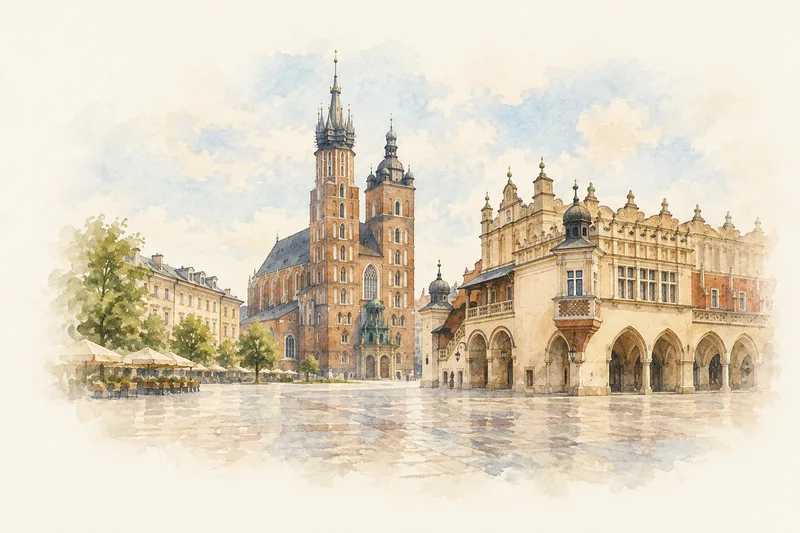
BEFORE YOUR FIRST MEAL
Navigating food allergies in Poland
Polish meals can move from soup and a substantial main course to bread, cakes or a filled dumpling, with recipes changing between homes, regions and businesses. Wheat, rye, egg, dairy, fish and celery appear in some versions, while sauces, stocks, garnishes and coatings may alter the complete recipe. Treat familiar names as starting points for checking, not as ingredient guarantees.
What to know first
Soups may be assembled in courses
A meal may begin with barszcz, żurek, tomato soup or rosół, then continue with dumplings, meat or cabbage rolls. Ask about the soup, garnish and accompanying item separately.
Dough and coatings recur widely
Pierogi, kopytka, potato pancakes, kotlet schabowy and pastries commonly involve wheat and often egg. Check the dough, crumb coating, filling, sauce and any flour used for thickening.
Explain the whole preparation
Ask whether stock, fermented starter, sauce, topping and garnish contain your concern, and whether the order shares oil, water, utensils or preparation surfaces with other food.
Preparation changes the recipe
For a named dish, ask for its complete recipe today: what is in the base, what is added at finishing, and how it is cooked, served and garnished.
Read the complete label
EU food-information rules cover 14 allergen categories; on prepacked food, listed allergens must stand out in the ingredients list. Ask separately about shared handling and ingredients outside those categories.
Understanding the food
Rye, wheat, buckwheat, potato, cabbage, mushroom, beet, dairy, pork, freshwater and Baltic fish change from Pomerania and Kashubia to Podlasie, Silesia, Greater Poland and the Carpathian south. Jewish, Tatar, Lithuanian, Ukrainian, German and other communities are integral to this history rather than external influences added to a fixed national cuisine.
Sea, lake district, lowland farm and mountain pasture produce distinct repertoires.
| Region or community context | Food landscape | Examples to explore |
|---|---|---|
| Pomerania & Kashubia | Baltic and lake fish, potato, rye and coastal preservation | Herring, smoked fish, fish soup, potato dishes and berries |
| Podlasie & northeast | Forest, dairy and Polish, Belarusian, Lithuanian and Tatar histories | Potato babka, kartacze, cold beet soup and Tatar specialities |
| Central & western lowlands | Grain, pork, cabbage, orchard fruit and urban migration | Pierogi, żurek, bigos, roast duck and yeast cakes |
| Silesia & Carpathian south | Mining towns, buckwheat and highland sheep pastoralism | Silesian dumplings, rolada, kwaśnica and oscypek |
Poland Travel puts regional diversity at the centre. Its guides contrast Kashubian fish, northeastern potato dishes, Silesian meals and highlander sheep cheese while tracing the effects of borders, trade and displacement. [9][10]
Cultural coexistence shaped the pantry. Tatar, Jewish, Lithuanian, Ukrainian, German and Austro-Hungarian histories remain visible in dumplings, breads, sweets, pickles and meat dishes. [9]
Sourness and preservation turn a short harvest into year-round depth.
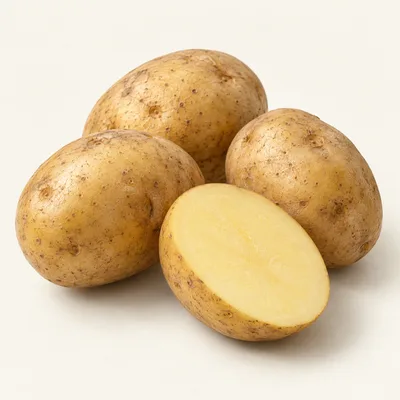 FIELD STAPLEPotato
Dumplings, pancakes, babka, soups and everyday sides
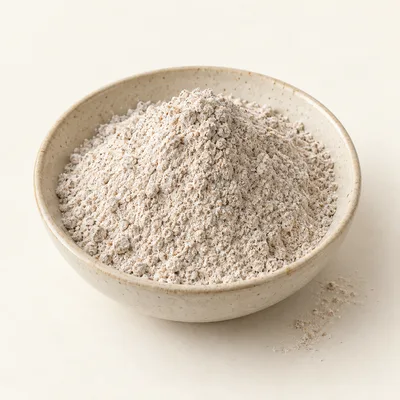 BREAD GRAINRye
Dark breads and fermented żur soup starter
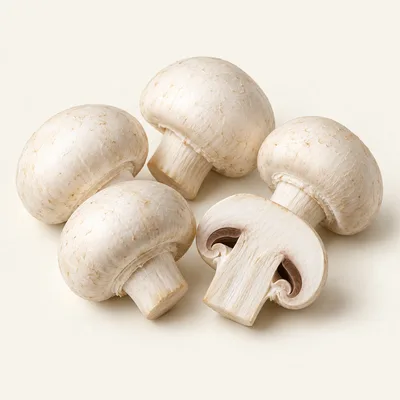 FOREST HARVESTMushroom
Fresh, dried, pickled and folded into pierogi
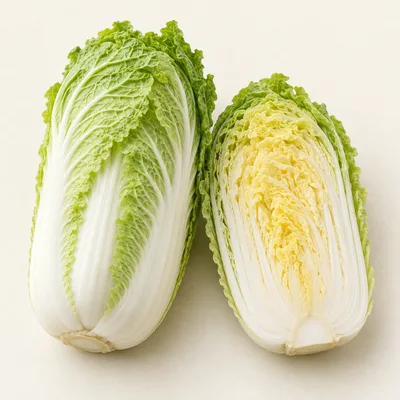 WINTER VEGETABLECabbage
Fresh or fermented in soups, fillings and bigos
Pierogi are a format with many calendars. Potato and curd, meat, cabbage and mushroom, buckwheat, seasonal fruit or sweet cheese fillings change by region, fasting tradition and time of year. [8][9]
Fermentation creates more than pickles. Soured rye starter becomes żurek, fermented cabbage enters bigos and soups, and cucumbers are brined with local aromatics for winter use. [9][10]
Milk bar, market counter and regional inn show different social histories.
A bar mleczny is everyday infrastructure. These canteen-style venues preserve affordable soups, dumplings, pancakes and set meals; they are a different experience from a stylised old-Polish restaurant. [9][8]
Protected names point back to producers. Mountain oscypek, regional meats, breads and fruit products have place-specific methods; look for actual origin rather than assuming any smoked cheese is the highland product. [10]
Food-culture sources checked .
Soups, stocks and sour bases
Soup is a prominent part of Polish meals, but its base matters. Krupnik uses pearl barley and may draw on celery seasoning; rosół commonly uses celery and wheat noodles. Żurek, white borscht and zalewajka use fermented rye starters, while tomato and cucumber soups may add cream or wheat noodles. Ask about stock, thickener, starter, garnish and serving addition rather than relying on the soup name.
Dumplings, grains and filled dishes
Pierogi have wheat wrappers and may contain fresh cheese, butter or egg, with fillings that include meat, cheese and onion, or fruit. Gołąbki are cabbage rolls with grain and meat, sometimes bound with egg. Kopytka and pyzy are potato dumplings whose flour and egg can vary. Ask whether the dough is made separately, what binds it, and whether butter or sauce is added after cooking.
Breads, pastries and sweet counters
Bread and bakery recipes differ: obwarzanek is a wheat dough with sesame as a common topping, while cebularz uses wheat flour in its flatbread dough. Mazurek, szarlotka, sernik, piernik, makowiec, pączki and faworki commonly bring together wheat, egg and dairy in different combinations; some use nuts. Ask about fillings, decoration, glaze, crumb base, egg wash and the counter’s handling.
Fish, meat and regional examples
Herring appears in Kashubian preparation and in marinades; fish is also sold smoked or battered, so ask about the complete marinade, batter and cooking oil. Kotlet schabowy uses a wheat-and-egg coating, while Polish-style fish may include celery in its braised vegetables. Kraków maczanka is served in a wheat roll. Regional names signal a food context, not a fixed recipe.
Ingredients worth recognising
Start with these ingredients, then follow their names and recorded food connections. Check the recipe and product actually used.
Wheat flour
Wheat flour forms the dough or thickener in pierogi, faworki, cebularz, mazurek and several soups, and appears in coatings and dumplings. Ask whether it is in the main dough, a roux, breadcrumb mix or a separate garnish. An allergy question and a gluten or coeliac question are not identical.
Celery
Celery is recorded in krupnik, cucumber soup, rosół, tomato soup, tripe soup and Polish-style fish, often through an aromatic vegetable or stock base. Ask about fresh celery, powdered seasoning, stock cubes and the braised vegetable mixture, including whether the broth was made separately.
Herring
Herring is central to Śledź po Kaszubsku and can also be served in vinegar or oil marinades, battered or smoked. Ask which fish is used, what the marinade or batter contains, whether the fish shares oil, and whether sauces or toppings are added before serving.
Butter
Butter is recorded in pierogi finishing or filling, pastry for mazurek and szarlotka, and several cakes and enriched doughs. Ask whether butter is in the dough, crumb, filling, pan or finishing sauce, and whether the stated dairy ingredient is butter rather than another fat.
Egg
Egg commonly binds pierogi, potato dumplings, pancakes, pastries and kotlet schabowy’s coating; it also appears as a garnish on chłodnik, żurek and white borscht. Ask about batter, dough, wash, garnish and shared utensils, rather than checking only the named filling.
Fermented rye starter
Fermented rye starter gives the sour base to żurek, white borscht and zalewajka. Ask whether the soup uses rye starter, what stock and thickener accompany it, and whether an egg, cream, sausage or other topping is added in the bowl.
How food labelling works
EU food-information rules cover 14 allergen categories used as ingredients. On prepacked food, these must stand out in the ingredients list. The categories include gluten-containing cereals, crustaceans, eggs, fish, peanuts, soybeans, milk, specified nuts, celery, mustard, sesame, sulphites above the stated threshold, lupin and molluscs.
Allergen information is also required for food sold without prepacking, including restaurant meals. Ask how to obtain the information for the exact order. National arrangements affect how it is supplied; an ingredient declaration does not by itself describe shared equipment or handling.
If you avoid a food outside those categories, read the complete ingredients and name that food when speaking to staff. A short allergen key cannot answer every ingredient-specific question.
Language and communication
Polish is the official language and the main language for menus, signs, schedules and ingredient discussions. Prepare a written explanation in Polish, naming each food to avoid and asking for the complete recipe, stock, sauce, toppings and preparation method. Dish names can help recognition but cannot confirm contents.
German may be useful in western Poland and tourist hotspots, while English information is more likely at airports and some major stations. Older people and those outside main cities may use little English. For a Kashubian-labelled dish, ask for confirmation in Polish and make the written details available to the person preparing the food.
Eating in different settings
Market or smoked-fish counter
When buying herring, mackerel or another smoked fish, ask which species it is, whether it is plain or marinated, and what oil, vinegar, seasoning or glaze was used. Ask whether fish is cut or packed with other products and request the complete packaged ingredients where available.
Bakery or cake shop
For obwarzanek, cebularz, pączki, faworki or cakes, ask about wheat, egg, milk, butter, sesame and nut decorations. Check fillings, icing, crumb bases and egg wash. Ask whether the item was made on shared trays or with shared tongs, and whether the written ingredient list covers that exact product.
Restaurant or milk bar
Ask the server to check the whole order: soup stock, fermented starter, thickener, dumpling dough, coating, sauce and garnish. For kotlet schabowy or potato pancakes, ask what oil is used and whether it is shared. Confirm whether the answer applies to today’s preparation, not merely the dish name.
Accommodation or self-catering shop
For prepacked bread, chocolate, preserves, dried fruit or chilled dairy, read the complete ingredients list and highlighted allergen information. If buying ingredients for rosół or soup, check stock, noodles and seasonings separately. Ask a shop worker or host to identify the exact pack when similar products are displayed together.
Before you travel
Review your personal plan
Discuss your travel plans with your clinician and keep your prescribed medicines and emergency instructions accessible. Tell companions where these are and how to follow your plan.
Check your medicines before entering Poland
The legal status and regulation of some medicines prescribed or bought in the UK can differ in Poland. Before travel, read TravelHealthPro guidance on travelling with medicines and ask the relevant Polish authority or your prescriber what medicine-specific import or document requirements apply. Do not change prescribed medicines without appropriate clinical advice.
Make the first meals easier to organise
Contact your accommodation and transport providers in advance. Save your written food list, menu questions and destination address offline. Check entry restrictions before packing backup food, and plan how you will check meals during arrival and onward journeys.
Plan access to medical help
Medically necessary state healthcare in Poland requires a GHIC or EHIC for eligible travellers; NHS guidance explains eligibility, temporary cover and what treatment qualifies. These cards are not travel insurance and may not cover private care, non-urgent treatment or repatriation. Check eligibility and insurance terms before travel.
Emergency resources
For a suspected severe allergic reaction, follow your prescribed emergency plan and seek urgent medical help. Give your exact location clearly.
Ambulance and urgent medical help
Telephone 112 and ask for an ambulance.
Explore next
Your allergy in Poland
Choose a food concern for the country notes and questions relevant to it.
Dishes in Poland
Follow the ingredients and cuisine connections in individual dish records.
Your own food list
Combine allergy groups and individual ingredients in one guide, with local names where recorded.
Allergy cards
Prepare the information you need to explain your food requirements.
FAQs, sources and review dates
Could pierogi be free from wheat if the filling is cheese or fruit?
Do not infer this from the filling. Some versions conventionally use wheat wrappers, and egg, fresh cheese or butter may also occur. Ask whether the wrapper is wheat-based, what binds it, what is added after cooking, and whether cooking water or utensils are shared.
What should I check in a soup when celery is the concern?
Ask about the stock and aromatic vegetables first, because celery is recorded in krupnik, rosół, tomato soup, cucumber soup, tripe soup and Polish-style fish. Then check seasoning, thickener, noodles, cream and garnish. A soup served without visible celery may still use it in its base.
Is coconut covered by the same checks as the recorded nuts?
Do not assume that a sweet or bakery item contains coconut simply because coconut is present in another one. Ask for coconut by name and read the complete ingredients list. Some cakes and fillings may also contain walnuts and almonds; check each ingredient and decoration individually.
Sources checked: . This researched draft is awaiting editorial review. Practical questions apply the sources below to local food settings; they do not confirm any individual meal's ingredients or preparation.
Sources & references (11)
- FCDO · Poland health and medical assistance
Emergency contact details, local healthcare and medicine guidance. UK-specific eligibility does not apply to every visitor.
- Wikivoyage contributors · Poland
Community-edited culinary context only; not an allergy or medical authority. Brief food-context adaptations, CC BY-SA 4.0: https://creativecommons.org/licenses/by-sa/4.0/. Recipe questions also use PlateSafe’s draft records.
- FARE · Dining out
General recipe and preparation questions, applied here to country-specific food examples.
- FARE · Travelling with food allergies
General preparation, written communication and access to prescribed medicines. Not country-specific import permission.
- PlateSafe · Poland recorded food connections
Existing draft dish and ingredient records, used as examples to investigate. These are not independently verified recipes or suitability assessments.
- Unicode CLDR · Territory language data
Language suggestions. Regional language needs must be confirmed with the particular food provider.
- European Commission · Allergen information
Scoped allergen-labelling summary. Does not establish an individual meal’s ingredients or preparation.
- Poland Travel — Flavours of Polish cuisine
- Poland Travel — Culinary Poland guide
- Poland Travel — Polish cuisine guide
- FAO — Poland country profile