
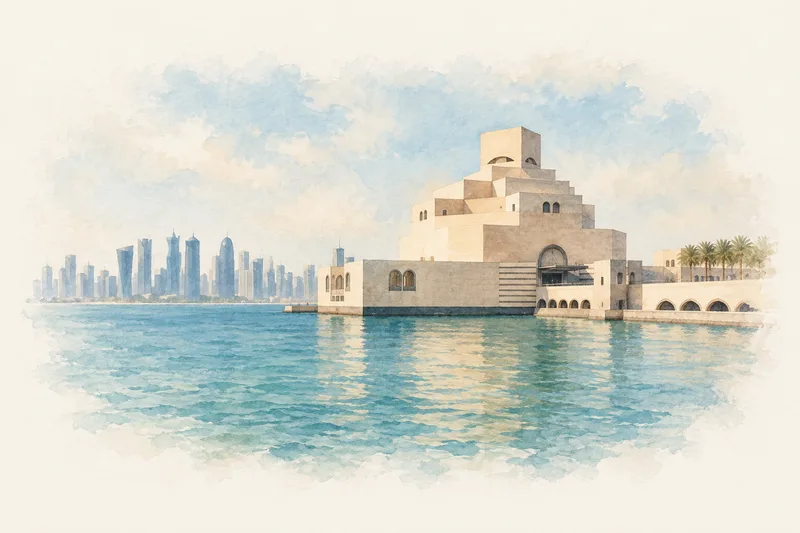
BEFORE YOUR FIRST MEAL
Navigating food allergies in Qatar
Qatar’s recorded food examples range from wheat-based breads, puddings and sweets to fish dishes and creamy porridges. Recipe variation matters: machboos, madrouba and saloona may use fish, while balaleet combines wheat vermicelli with a possible egg omelette and butter. Ask about the complete recipe, cooking medium, toppings and shared equipment rather than relying on a dish name.
What to know first
Wheat appears in many forms
Asida, chebab, khobz regag, luqaimat and thareed can involve wheat flour, while harees and jareesh use wheat grains or cracked wheat. Check the exact grain and dough.
Fish is a variation, not a guarantee
Fish is recorded in machboos, madrouba and saloona variations, and defines maleh. Ask which protein is used today, and whether fish broth or another stock is included.
Explain the whole recipe
Ask whether the dish contains wheat, milk, egg, sesame, fish or nuts, then ask about stock, sauce, garnish and cooking oil. Request confirmation from the person preparing it.
Preparation can change the questions
For fried or griddled foods such as luqaimat, chebab and khanfaroosh, ask what the batter contains and whether the oil, pan or utensils are shared with other foods.
Read the complete ingredient list
For packaged food, read the full ingredient list each time rather than relying on a product name or dietary description. Check seasonings, stock, toppings and processing details.
Understanding the food
Rice, wheat, dates, fish, lamb, chicken, yoghurt, saffron, cardamom and dried lime reflect a peninsula connected to Arabia, Persia, India, East Africa and the wider Gulf. Doha’s present restaurant landscape is extraordinarily global because migrant communities are central to the country’s life; traditional Qatari dishes are one important layer within it.
Historic food settings remain visible inside a highly urban country.
| Setting | Food landscape | Examples to understand |
|---|---|---|
| Doha & old port quarters | Souq trade, Qatari homes and a vast migrant restaurant landscape | Machboos, saloona, karak, South Asian cafés and global dining |
| Northern coastal towns | Pearling history, fishing and shallow Gulf waters | Hamour, shrimp, grilled fish, rice and dried seafood |
| Al Wakrah & southeast coast | Fishing port traditions and growing urban neighbourhoods | Seafood, rice plates, breads and family restaurants |
| Desert & pastoral memory | Camel, sheep, goat, dates and mobile hospitality | Meat dishes, dairy, coffee, dates and communal feasts |
Qatari cuisine was shaped by movement across the Gulf. Visit Qatar describes local dishes alongside influences from India, Persia, the Levant and North Africa, carried through trade, migration and family exchange. [7][8]
Fishing remains culturally important within environmental limits. FAO documents local grouper, rabbitfish and other fisheries while noting pressure from increasing effort and coastal development. [10]
Dried lime and warm spice bring contrast to rice and slow-cooked grain.
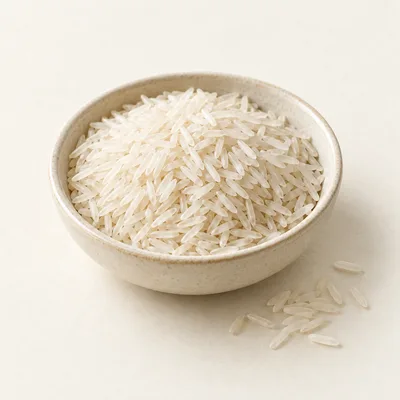 MEAL FOUNDATIONRice
Spiced machboos and seafood or meat platters
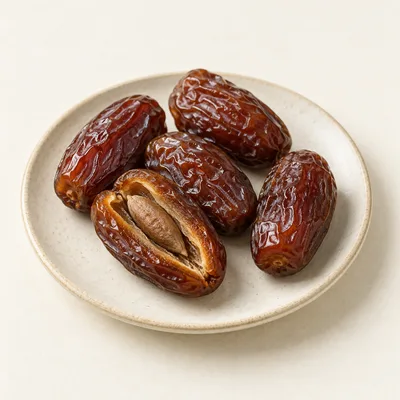 OASIS FRUITDate
Hospitality, sweets and everyday eating
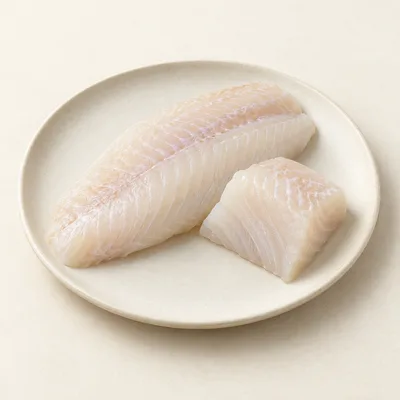 GULF CATCHFish
Hamour and other species grilled, fried or cooked with rice
Loomi added whole, pierced or ground to stews and rice
Machboos is built through seasoned rice. Meat, chicken, fish or shellfish cooks with aromatics, spice and loomi, then meets rice that absorbs the broth; home and restaurant versions vary considerably. [7][9]
Wheat appears in both savoury and sweet forms. Harees pounds grain with meat into a cohesive porridge, margoog uses whole-wheat dough pieces in stew, and balaleet contrasts sweet vermicelli with egg. [7]
Majlis hospitality and Doha’s migrant cafés tell different but connected stories.
Coffee and dates mark welcome. Small cups of Arabic coffee may be repeatedly offered before or after food; let the host guide refills, serving order and the rhythm of a shared platter. [7][9]
Global food is local life too. South Asian, Filipino, Levantine, African and other migrant-run eateries serve the people who built contemporary Qatar; they should not be treated merely as alternatives to an “authentic” national cuisine. [8]
Food-culture sources checked .
Wheat breads, doughs and grains
Wheat is recorded in Qatar’s examples as flour, berries, cracked wheat, noodles and vermicelli. Khobz regag and khobz khamir use wheat-based dough, while thareed includes regag flatbread and margoog has dough pieces cooked in stew. Harees uses wheat berries; jareesh uses cracked wheat. Ask whether a dish is made from wheat flour, intact grain or another grain, and whether bread is added after cooking.
Batter, frying and sweet dishes
Chebab, khanfaroosh and luqaimat are batter or dough examples where the full mixture matters: egg, milk or wheat may be present, and sesame can appear as a garnish. Balaleet uses wheat vermicelli and may be finished with butter or served with an egg omelette. Ask what is mixed into the batter, what is used to fry or finish it, and whether toppings are added separately.
Fish, broth and protein variation
In some versions, fish is the defining protein in maleh and is used as a variation in machboos, madrouba and saloona. A version of madrouba may also be creamy with cow milk or other dairy. Do not infer the protein from the dish name: ask whether fish is used, whether the cooking liquid is fish broth, and whether stock, sauce or garnish contains another ingredient.
Home meals, takeaways and regional choice
Traditional Qatari dishes may be encountered in home meals as well as food businesses, while the wider food scene includes Middle Eastern, Indian and Pakistani cooking. A takeaway version and a home recipe may differ. Ask the person serving you to describe today’s ingredients, and clarify whether bread, omelette, nuts, sesame or dairy is added just before serving.
Ingredients worth recognising
Start with these ingredients, then follow their names and recorded food connections. Check the recipe and product actually used.
Wheat flour
Wheat flour is recorded in asida, chebab, khanfaroosh, khobz khamir, khobz regag, luqaimat and margoog. Ask whether the dish uses wheat flour, what other flour is blended in, and whether shared surfaces or utensils are used.
Fish
Fish is the defining ingredient of maleh and a recorded variation in machboos, madrouba and saloona. Ask which fish is used, whether it is cooked in broth, and whether the same pan or oil is used for other foods.
Egg
Egg is recorded in balaleet’s omelette topping and in chebab, khanfaroosh and khobz khamir recipes. Ask whether it is mixed into the batter, cooked separately or added as a topping, and whether the preparation shares a pan.
Vegetable Oil
Vegetable oil may be used for cooking, but the recorded source says a generic product may be soybean oil and is otherwise unspecified. Ask which oil is used, whether it is blended, and whether frying oil is shared.
Butter
Butter is recorded in asida, balaleet and batheeth, and may fry or finish balaleet. Ask whether butter is mixed into the dish, used on the pan or added at the end, and whether a different cooking fat is available.
Sesame Seed
Sesame is recorded as a garnish or mixed-in ingredient in batheeth and as an occasional garnish for luqaimat. Ask whether it is sprinkled on top, incorporated into the mixture or present in a topping served alongside.
How food labelling works
A current, country-specific allergen-labelling summary for Qatar has not yet been verified for this guide. Do not transfer the list of regulated allergens or restaurant disclosure rules from your home country to this one.
Read the complete ingredients on the actual package and keep any local-language sticker with the original label. For imported products, compare the information on that pack rather than a photograph of the brand sold elsewhere. Ask the manufacturer or seller to clarify an unfamiliar term.
For loose food or meals prepared to order, ask who can check the recipe and the labels on bought-in ingredients. Explain every food you avoid, including ingredients outside familiar allergy groups; a short symbol chart may not cover your list.
Language and communication
Arabic is Qatar’s official language, and Qataris speak a Gulf dialect of Arabic. Prepare a written explanation in Arabic naming the ingredients and forms that must be avoided, including wheat flour, fish, egg, milk, sesame or nuts where relevant. Use dish names only as recognition aids, not as a complete request.
The pronunciation and wording used locally may differ from Standard Arabic, and food-service staff may have varied language backgrounds. Show the written explanation and ask for confirmation of the complete recipe, stock, sauce, garnish, oil and shared utensils. If the answer is uncertain, ask for the cook or supervisor.
Eating in different settings
Souq takeaway counter
Before ordering luqaimat, chebab or another fried item, ask what the batter contains and whether sesame is added. Ask what oil is used and whether the fryer or serving utensils are shared with other foods. Confirm any topping or finishing fat separately.
Bread or sweet-food shop
For khobz regag, khobz khamir, asida or batheeth, ask whether wheat flour is used and whether egg, milk, butter or sesame is included in this batch. Ask whether toppings are applied after cooking and whether the preparation surface is shared.
Restaurant or shared meal
When offered machboos, madrouba, saloona or maleh, ask which protein and cooking liquid are used today. Confirm whether fish broth, dairy, bread, garnish or sauce is added, and ask for the recipe to be checked rather than accepting the dish name alone.
Packaged-food shop
For wheat noodles, vermicelli, stock or cooking oil, read the complete ingredient list and any preparation directions. Ask about the oil type, flavourings and stock, and check whether the product is sold with a separate sauce, garnish or seasoning sachet.
Before you travel
Review your personal plan
Discuss your travel plans with your clinician and keep your prescribed medicines and emergency instructions accessible. Tell companions where these are and how to follow your plan.
Check your medicines before entering Qatar
Some prescribed or over-the-counter medicines may be controlled in Qatar. Before travel, check the Qatar Ministry of Public Health requirements; controlled or prescription medicines may require a prescription and medical report in English or Arabic, issued within the last 6 months. Check whether an electronic personal-use permit application is needed.
Make the first meals easier to organise
Contact your accommodation and transport providers in advance. Save your written food list, menu questions and destination address offline. Check entry restrictions before packing backup food, and plan how you will check meals during arrival and onward journeys.
Plan access to medical help
Visitors to Qatar are required to pay for medical treatment. Arrange travel health insurance and accessible funds for treatment abroad and possible repatriation. Check your insurer’s conditions before travel, and use the FCDO information on medical providers to identify suitable care options.
Emergency resources
For a suspected severe allergic reaction, follow your prescribed emergency plan and seek urgent medical help. Give your exact location clearly.
Ambulance and urgent medical help
Dial 999 and ask for an ambulance.
Explore next
Your allergy in Qatar
Choose a food concern for the country notes and questions relevant to it.
Dishes in Qatar
Follow the ingredients and cuisine connections in individual dish records.
Your own food list
Combine allergy groups and individual ingredients in one guide, with local names where recorded.
Allergy cards
Prepare the information you need to explain your food requirements.
FAQs, sources and review dates
Can I assume machboos contains fish?
No. Fish is a recorded variation of machboos, not a universal description. Ask which protein is in the serving, whether the rice was cooked with fish broth or another stock, and whether sauce, garnish or shared utensils introduced an additional ingredient.
What should I ask about vegetable oil?
The recorded ingredient may be soybean oil, but it is otherwise unspecified. Ask the cook or read the label to identify the oil used, whether it is a blend, and whether the same oil has been used for other battered or breaded foods.
Why ask about celery in stock if it is not my main concern?
Celery is recorded as a common aromatic in chicken stock and in many broths. If a dish uses stock, ask what the stock contains rather than assuming it is plain. Confirm whether it is chicken, fish or vegetable stock and whether a sauce uses the same liquid.
Sources checked: . This researched draft is awaiting editorial review. Practical questions apply the sources below to local food settings; they do not confirm any individual meal's ingredients or preparation.
Sources & references (10)
- FCDO · Qatar health and medical assistance
Emergency contact details, local healthcare and medicine guidance. UK-specific eligibility does not apply to every visitor.
- Wikivoyage contributors · Qatar
Community-edited culinary context only; not an allergy or medical authority. Brief food-context adaptations, CC BY-SA 4.0: https://creativecommons.org/licenses/by-sa/4.0/. Recipe questions also use PlateSafe’s draft records.
- FARE · Dining out
General recipe and preparation questions, applied here to country-specific food examples.
- FARE · Travelling with food allergies
General preparation, written communication and access to prescribed medicines. Not country-specific import permission.
- PlateSafe · Qatar recorded food connections
Existing draft dish and ingredient records, used as examples to investigate. These are not independently verified recipes or suitability assessments.
- Unicode CLDR · Territory language data
Language suggestions. Regional language needs must be confirmed with the particular food provider.
- Visit Qatar — Local cuisine of Qatar
- Visit Qatar — Restaurants and dining
- Visit Qatar — Discovering local eats
- FAO — Fishery country profile: Qatar