
BEFORE YOUR FIRST MEAL
Navigating food allergies in Romania
Romanian cooking brings together soups, stuffed vegetables, grilled or fried meats, polenta, dairy-rich pastries and seasonal preserves. A named dish may change with the cook: ciorbă can gain sour cream, egg or celery through its broth, while mămăligă may arrive with butter or cheese. Check the complete recipe, including accompaniments, stock, sauces and cooking methods, rather than relying on the dish name.
What to know first
Polenta and dairy
Mămăligă may be served with butter or cheese, while bulz typically involves cheese and butter. Ask whether dairy is mixed through, filled inside or added only as a topping.
Soups and broths
Ciorbă Rădăuțeană and ciorbă de burtă commonly involve sour cream and egg; celery can be part of the broth. Check the finished soup, garnish and stock.
Explain the whole order
Describe the food you must avoid and ask about the recipe, sauce, garnish, stock, shared utensils and cooking oil or water. Confirm the answer before ordering.
Fried and baked foods
For gogoși, pastries, langoși or mici, ask what else uses the fryer, griddle, barbecue or preparation surface, and whether a separate utensil or oil is used.
Read the full label
EU food-information rules cover 14 allergen categories; on prepacked food, allergens must stand out in the ingredients list. For loose or restaurant food, ask how exact-order information is provided.
Understanding the food
Maize, wheat, cabbage, beans, pork, sheep dairy, plum, grape, river fish and forest mushrooms vary across Transylvania, Moldavia, Wallachia, Dobrogea, Banat, Bukovina and Maramureș. Romanian, Hungarian, Saxon, Swabian, Roma, Lipovan, Turkish, Tatar, Armenian, Jewish and other communities are part of the regional table.
Historic regions carry their own grains, fats and festive foods.
| Region or community context | Food landscape | Examples to explore |
|---|---|---|
| Transylvania & Banat | Pasture, pork, orchard fruit and Romanian, Hungarian, Saxon and Swabian histories | Sour soups, cabbage dishes, dumplings, smoked meats and plum sweets |
| Moldavia & Bukovina | Rolling farms, forest mushrooms, dairy and Orthodox feast traditions | Sarmale, borș, tochitură, poale-n brâu and monastery foods |
| Wallachia & Oltenia | Danube plain, maize, vegetables, pork and Bucharest markets | Mămăligă, bean stews, grilled mici, pickles and pies |
| Dobrogea & Danube Delta | Wetland fish and Romanian, Lipovan, Turkish and Tatar communities | Fish soup, grilled carp, roe salad, placintă and mutton dishes |
Romania’s regions are historically and culturally distinct. The national regional portal describes Banat as highly multicultural and Dobrogea as a Black Sea meeting place, while mountain and plain landscapes structure production elsewhere. [8]
Recipes change from region to region. The EU’s EURAXESS guide explicitly frames Romanian cuisine as locally variable rather than a short list of universal national dishes. [9]
Maize, souring and smoke build the everyday table.
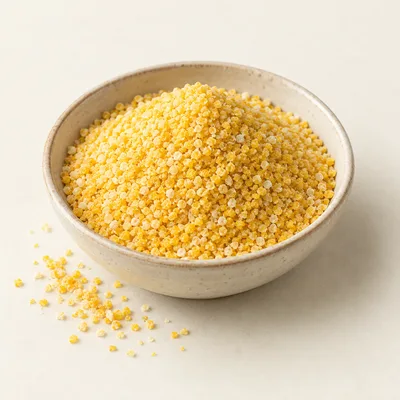 FIELD GRAINMaize meal
Mămăligă served soft, sliced, baked or layered
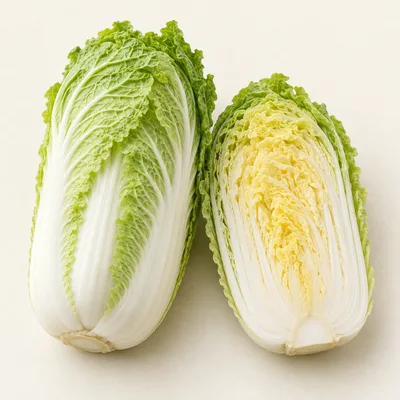 WINTER VEGETABLECabbage
Fresh or soured for sarmale, soups and braises
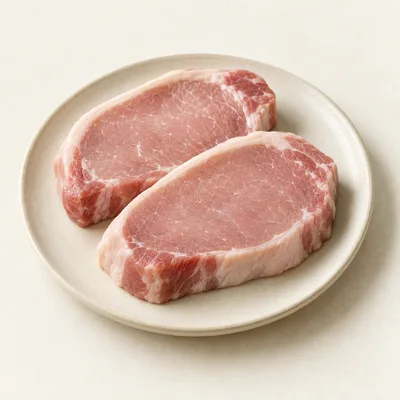 FARM PROTEINPork
Fresh, smoked, sausaged or preserved after winter slaughter
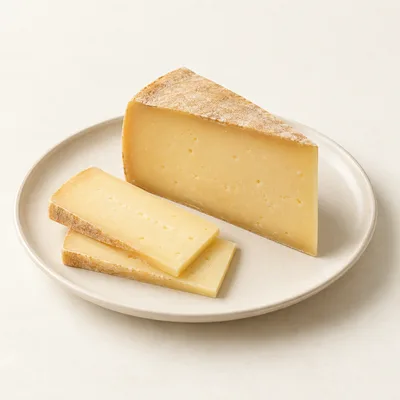 PASTORAL DAIRYCheese
Fresh, brined, kneaded or bark-aged regional forms
Sour soup has several regional agents. Ciorbă may be sharpened with fermented wheat-bran borș, sauerkraut liquid, vinegar or fruit, changing with region and household rather than following one national base. [9]
Sarmale belong to a broader regional conversation. Cabbage or vine leaves hold meat-and-rice or fasting fillings, with size, sourness and accompaniments reflecting occasion and local tradition. [9][8]
Market, han, mountain sheepfold and delta fish kitchen require different expectations.
Look for the region on the menu. A Dobrogean fish meal, Transylvanian smoked dish and Moldavian monastery plate may share ingredients but carry different histories and service traditions. [8][10]
Delta food depends on a protected wetland. UNESCO recognises the Danube Delta’s exceptional biodiversity; ask species and legal source rather than treating every fish as an unlimited local speciality. [10]
Food-culture sources checked .
Ciorbă: broth, enrichment and aromatics
Ciorbă Rădăuțeană is recorded with sour cream and egg, while ciorbă de burtă commonly uses a sour-cream-and-egg mixture. Ciorbă de legume, ciorbă de fasole and ciorbă de perișoare can use celery as an aromatic. Ask whether celery is in the stock, whether the sour cream was whisked into the pot, and whether the same ladle or garnish is shared between soups.
Mămăligă, fillings and toppings
Mămăligă is a cornmeal-based accompaniment, but some versions contain butter or cheese. Bulz is associated with cheese and butter; one version is roasted polenta filled with cheeses, bacon and sour cream. Ask whether the polenta itself contains dairy, what fills it, and whether sour cream is added after cooking.
Meat dishes, salads and sauces
Romanian examples range from sarmale and stuffed peppers to friptură, mici, tochitură and drob. One version of tochitură includes fried meats, traditional sausages, sauce, polenta and fried eggs; one version of salată de boeuf combines cooked vegetables and meat with mayonnaise. Confirm every component, including sausage seasoning, sauce, mayonnaise, egg and shared grill or pan.
Doughs, pastries and sweet dishes
Street and bakery examples include covrigi, langoși, gogoși, merdenele, cozonac and pască. Recorded recipes connect wheat flour, egg and dairy in several of these, while cozonac and some other sweets commonly include walnut. Ask about the dough, glaze, filling, toppings, fryer oil and whether pastries are handled on shared trays.
Ingredients worth recognising
Start with these ingredients, then follow their names and recorded food connections. Check the recipe and product actually used.
Wheat flour
Wheat flour is recorded in cozonac, gogoși, minciunele, mucenici, papanași, pască, Dobrogean pie, poale-n brâu and turta dulce. Check every dough, crumb, coating and thickener, including sauces served alongside a dish.
Celery
Celery is a recorded aromatic in ciorbă Rădăuțeană, ciorbă de legume, ciorbă de pește, ciorbă de fasole and ciorbă de perișoare. Ask specifically about the broth base, stock, seasoning mix and shared ladle.
Cheese
Cheese appears in some versions of bulz, mămăligă accompaniments, placinta Dobrogeana and several regional preparations. Ask what type is used, whether it is mixed into the dish or added on top, and whether the same grater or knife handles other foods.
Fish
Fish is the defining protein in the recorded ciorbă de pește, while fish roe is used in salată de icre. Confirm the species or complete recipe, stock and garnish, and ask whether shared utensils or frying oil are used for other fish or foods.
Egg
Egg is recorded in ciorbă Rădăuțeană, ciorbă de burtă, cozonac, gogoși, papanași, pască and other dishes as a binder, enrichment or glaze. Ask whether it is in the dough, filling, broth or topping, and whether the preparation is cooked separately.
Vinegar
Vinegar may occur in dressings, pickles or sauces, but the recorded formulation is unspecified: some versions may contain sulphites and some vinegars are malt-based. Check the bottle or complete recipe, especially in salads and pickled vegetables.
How food labelling works
EU food-information rules cover 14 allergen categories used as ingredients. On prepacked food, these must stand out in the ingredients list. The categories include gluten-containing cereals, crustaceans, eggs, fish, peanuts, soybeans, milk, specified nuts, celery, mustard, sesame, sulphites above the stated threshold, lupin and molluscs.
Allergen information is also required for food sold without prepacking, including restaurant meals. Ask how to obtain the information for the exact order. National arrangements affect how it is supplied; an ingredient declaration does not by itself describe shared equipment or handling.
If you avoid a food outside those categories, read the complete ingredients and name that food when speaking to staff. A short allergen key cannot answer every ingredient-specific question.
Language and communication
Prepare a written explanation in Romanian, the national language, naming the exact foods and ingredients you need to avoid. Ask staff to confirm the complete recipe, broth, sauce, topping, oil, water and utensils for your order. Romanian dish names help recognition, but they are not a complete allergy request.
Hungarian is also used in parts of Transylvania, including Harghita, Covasna and Mureș. Ask which language works for the person checking your order and arrange a written explanation accordingly. Do not assume English will be sufficient for a detailed ingredient discussion; confirm the whole request with the kitchen.
Eating in different settings
Market or street-food counter
For mici, covrigi, langoși, gogoși or shawarma, ask what is in the dough or meat mixture, which oil or griddle is used, and whether the same tongs, fryer or surface handles other foods. Confirm sauces, garlic mixtures and optional toppings separately.
Bakery or pastry shop
Ask for the complete ingredient information for cozonac, pască, merdenele, poale-n brâu or langoși. Check flour, milk, butter, egg, cheese, walnut, glaze and fillings, then ask whether products share trays, display tongs or preparation surfaces.
Restaurant or shared meal
For ciorbă, sarmale, stuffed peppers, tochitură or salată de boeuf, ask about the stock, meat mixture, sauce, mayonnaise, sour cream, egg and garnish. Confirm whether bread, polenta or fried egg is part of the order and whether utensils are shared.
Shop selling packaged food
Read the complete ingredient list rather than relying on a product name such as fasting food, snack or preserve. Check highlighted allergen categories, wheat, milk, egg, walnut, celery and sulphites where relevant, and ask about the exact product if the label is unclear.
Before you travel
Review your personal plan
Discuss your travel plans with your clinician and keep your prescribed medicines and emergency instructions accessible. Tell companions where these are and how to follow your plan.
Check your medicines before entering Romania
Some medicines prescribed or bought in the UK may have different legal status or regulation in Romania. Before travelling, ask the relevant Romanian authority what requirements apply to bringing your medicine and review TravelHealthPro guidance. Ask your own clinician how to manage your prescription while travelling.
Make the first meals easier to organise
Contact your accommodation and transport providers in advance. Save your written food list, menu questions and destination address offline. Check entry restrictions before packing backup food, and plan how you will check meals during arrival and onward journeys.
Plan access to medical help
If you qualify for a UK GHIC or EHIC, check with the NHS whether you need one for medically necessary state healthcare in Romania; these do not replace travel insurance and may not cover private care, non-urgent treatment, standard additional costs or repatriation. Check current cover with the NHS and insurer.
Emergency resources
For a suspected severe allergic reaction, follow your prescribed emergency plan and seek urgent medical help. Give your exact location clearly.
Ambulance and urgent medical help
Dial 112 and ask for an ambulance.
Explore next
Your allergy in Romania
Choose a food concern for the country notes and questions relevant to it.
Dishes in Romania
Follow the ingredients and cuisine connections in individual dish records.
Your own food list
Combine allergy groups and individual ingredients in one guide, with local names where recorded.
Allergy cards
Prepare the information you need to explain your food requirements.
FAQs, sources and review dates
Could mămăligă be dairy-free?
The recorded ingredient connection allows butter or cheese with some mămăligă, but it does not establish that every serving contains them. Ask whether the cornmeal was cooked with dairy, whether cheese or butter was added, and whether the serving utensil is also used for dairy-topped portions.
What should I ask about salată de vinete?
Some recorded versions use mayonnaise, which may contain egg. Ask whether mayonnaise is included in the aubergine salad, what the complete dressing contains, and whether it was mixed with the whole batch. Also check bread, toppings and shared serving utensils rather than relying on the salad name.
Is walnut covered by the same questions as other common allergens?
Walnut is specifically recorded in coliva, cozonac and some mucenici, but an individual ingredient still needs to be named directly. Read the complete ingredient list and ask about walnut in fillings, decoration, crumbs and shared bakery equipment, even when no short allergen key mentions it.
Sources checked: . This researched draft is awaiting editorial review. Practical questions apply the sources below to local food settings; they do not confirm any individual meal's ingredients or preparation.
Sources & references (11)
- FCDO · Romania health and medical assistance
Emergency contact details, local healthcare and medicine guidance. UK-specific eligibility does not apply to every visitor.
- Wikivoyage contributors · Romania
Community-edited culinary context only; not an allergy or medical authority. Brief food-context adaptations, CC BY-SA 4.0: https://creativecommons.org/licenses/by-sa/4.0/. Recipe questions also use PlateSafe’s draft records.
- FARE · Dining out
General recipe and preparation questions, applied here to country-specific food examples.
- FARE · Travelling with food allergies
General preparation, written communication and access to prescribed medicines. Not country-specific import permission.
- PlateSafe · Romania recorded food connections
Existing draft dish and ingredient records, used as examples to investigate. These are not independently verified recipes or suitability assessments.
- Unicode CLDR · Territory language data
Language suggestions. Regional language needs must be confirmed with the particular food provider.
- European Commission · Allergen information
Scoped allergen-labelling summary. Does not establish an individual meal’s ingredients or preparation.
- Visit Romania — Regions
- EURAXESS Romania — Romanian cuisine
- UNESCO World Heritage Centre — Danube Delta
- FAO — Romania country profile