
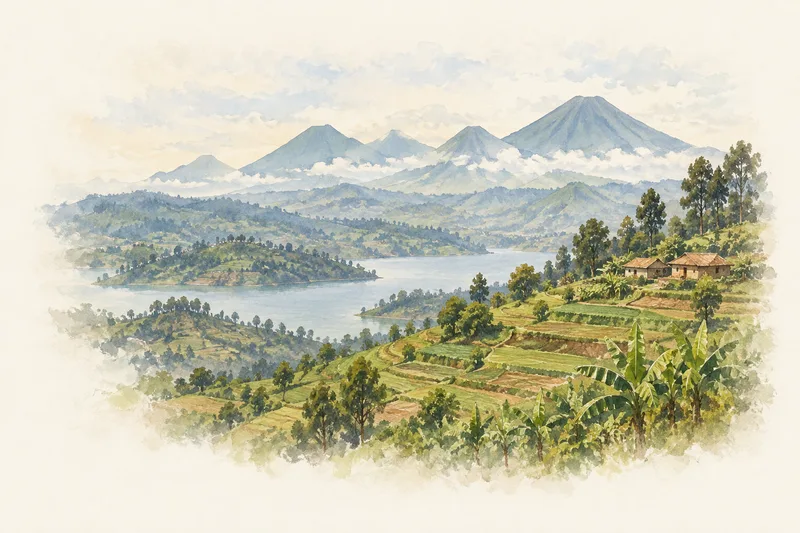
BEFORE YOUR FIRST MEAL
Navigating food allergies in Rwanda
Rwandan meals may centre on grilled brochettes, starchy ibitoke, or a lunchtime Melange plate combining carbohydrates, vegetables, beans and a little meat or fish. Recipes and service vary between roadside vendors, small bars, buffets and Kigali restaurants. Dish names are only starting points: confirm the full recipe, cooking medium, toppings and shared equipment before ordering.
What to know first
Brochette questions
Ask whether a brochette is goat, goat liver, goat intestine, beef, fish or chicken, and whether its marinade, basting sauce or seasoning contains anything you avoid.
Starchy sides
Ibitoke may be boiled in sauce, grilled or fried, while brochettes may come with frites or fried or grilled ibitoke; check each side separately.
Explain the whole need
Give a written explanation in Kinyarwanda, English or French, then ask the cook or server to confirm the complete recipe rather than relying on a dish name.
Watch preparation
Ask whether your food uses the same grill, frying oil, pan, water, knife or serving utensils as brochettes, frites, sauces, beans or other dishes.
Read the full label
Read the complete ingredients and allergen information on the actual product. If you avoid a food that is not highlighted, ask the producer or food provider to check it specifically.
Understanding the food
Plantain, bean, sweet potato, cassava, Irish potato, maize, sorghum, leafy greens, groundnut, milk, goat and lake fish form meals whose proportions vary by altitude, season and household. Coffee and tea are globally visible exports, while smallholder staples and shared dishes remain the centre of daily food.
Altitude, rainfall and market access change the staple mix.
| Region or setting | Food landscape | Examples to understand |
|---|---|---|
| Kigali & central plateau | Urban markets drawing produce from every province | Buffets, brochettes, beans, plantain, chips and contemporary cafés |
| Northern volcanic highlands | Cool slopes suited to potato, maize, beans and dairy | Irish potato, bean stews, vegetables, milk and cheese |
| Western hills & Lake Kivu | Coffee, plantain, cassava and small lake fish | Sambaza, isombe, beans, banana dishes and coffee |
| Eastern lowlands & southern farms | Drier cattle country, sorghum, maize, cassava and pulses | Milk, ugali, beans, goat brochettes and sorghum drinks |
Agriculture remains household infrastructure. FAO reports that most working people participate in farming and animal production, with small plots and climate variability shaping both income and meal diversity. [7][10]
The major staples are complementary. Plantain, potato, cassava, sweet potato, bean, maize and sorghum are combined according to elevation and season rather than one national plate formula. [10]
Bean, leaf and starch create steady everyday nourishment.
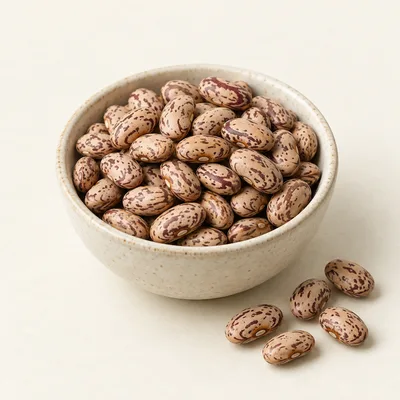 FIELD PULSEBean
Slow-cooked alone or combined with plantain, maize and greens
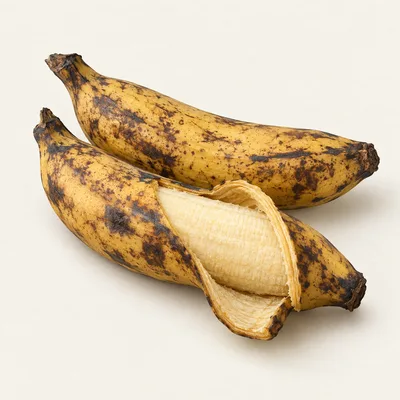 COOKING BANANAPlantain
Boiled, stewed or mashed in household meals
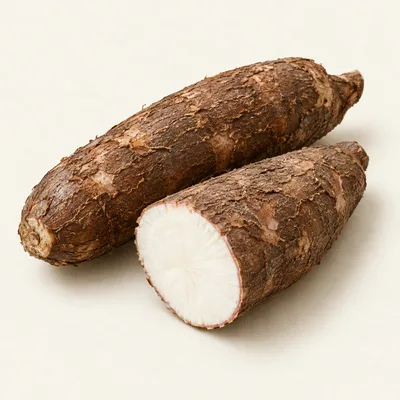 ROOT & LEAFCassava
Ubugali flour, boiled root and isombe greens
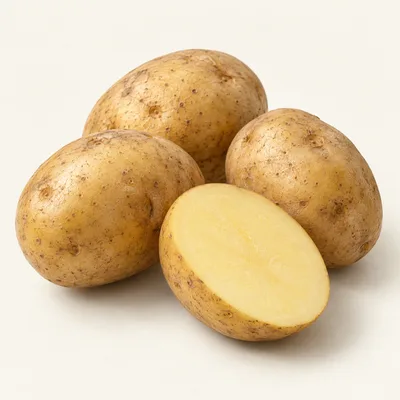 HIGHLAND CROPPotato
Boiled, stewed, roasted or fried in cooler regions
Isombe turns cassava leaf into a long-cooked relish. Finely pounded leaves are cooked thoroughly, often with groundnut, onion, oil or dried fish, then paired with ubugali, rice, bean or plantain. [8][10]
Milk carries pastoral and social meaning. Fresh or fermented dairy is associated with cattle-keeping and hospitality; present availability ranges from household production to formal urban dairies. [10][9]
Buffet, brochette grill, milk bar and market each solve a different meal.
The lunchtime buffet makes combinations visible. Diners can assemble plantain, rice, potato, beans, greens, sauce and meat in their own proportions, a useful view of staples that a plated tourist menu can hide. [8]
Coffee origin is more than a café label. Ask whether beans come from a named cooperative or washing station and how growers participate in value; export reputation should connect back to hill farming livelihoods. [7]
Food-culture sources checked .
Brochettes and their sides
Brochettes are recorded as a common grilled or skewered choice, with goat especially associated with small bars; goat liver and goat intestine (zingalo) may also appear. Beef, fish and chicken versions are recorded in some places. Ask what is on the skewer, how it is seasoned, and whether frites or ibitoke share oil, grills or utensils.
Ibitoke and bananas
Ibitoke are starchy, potato-like bananas rather than sweet bananas. You may find them boiled in sauce, grilled or fried, and matoke is also used as a name for them. Ask whether the sauce is cooked separately, whether the banana is fried in shared oil, and whether “banana” means starchy ibitoke or a small sweet banana.
Melange plates
Urban lunchtime Melange is described as a one-plate buffet built mainly from potatoes, bananas, rice and cassava, with vegetables, beans and a small amount of meat or fish with sauce. Ask what each tray contains, whether serving spoons are shared, and whether sauces or toppings are added after plating. Do not assume plain-looking starches are unseasoned.
Different restaurant recipes
In Kigali, you can find Indian, Chinese, Italian, Greek, French, Ethiopian and multi-cuisine restaurants alongside local food. A possible version of amandazi uses wheat flour, milk and sometimes egg; peanut may enrich ibihaza or isombe, and fish appears in some isombe recipes. Confirm the recipe at that establishment, including garnishes and stock.
Ingredients worth recognising
Start with these ingredients, then follow their names and recorded food connections. Check the recipe and product actually used.
Peanut
Peanut may be used as an ingredient in its own right and as an enrichment or thickener in ibihaza and isombe. Ask whether it is ground into the dish, sprinkled on top, or present in a sauce, and whether the same utensils are used.
Wheat flour
Wheat flour is recorded as the standard dough base for amandazi. Ask whether the dough is made solely from wheat flour, what is added for enrichment, and whether the food is fried in oil also used for other battered or flour-coated items.
Cow Milk
Cow milk or a milk-derived ingredient is recorded for the porridge dish igikoma and as a common enrichment in amandazi. Ask whether milk is added during cooking or served separately, and check creamy toppings, fillings and drinks rather than judging by appearance.
Egg
Egg is recorded in some enriched amandazi recipes, not as a universal feature of every version. Ask whether this batch contains egg, whether an egg wash or topping is used, and whether the utensil or oil is shared with other egg-containing foods.
Fish
Fish is recorded as the principal ingredient of sambaza and as an additional savoury protein in some isombe recipes. Ask which fish is used, whether it is mixed into the dish or added separately, and whether fish stock, sauce or shared pans are involved.
Vegetable Oil
Generic vegetable oil may be soybean oil, but this is unspecified. Ask what oil is actually used for frites, fried ibitoke, amandazi or other food, whether it is reused, and whether the seller can identify the packaged oil.
How food labelling works
A current, country-specific allergen-labelling summary for Rwanda has not yet been verified for this guide. Do not transfer the list of regulated allergens or restaurant disclosure rules from your home country to this one.
Read the complete ingredients on the actual package and keep any local-language sticker with the original label. For imported products, compare the information on that pack rather than a photograph of the brand sold elsewhere. Ask the manufacturer or seller to clarify an unfamiliar term.
For loose food or meals prepared to order, ask who can check the recipe and the labels on bought-in ingredients. Explain every food you avoid, including ingredients outside familiar allergy groups; a short symbol chart may not cover your list.
Language and communication
Kinyarwanda is Rwanda’s main spoken language and an official language, so prepare the written explanation first in Kinyarwanda where possible. English and French are also official languages. Ask the person taking the order to read and confirm the complete recipe, not merely recognise an ingredient name.
English may be more useful with some younger or internationally trained staff, while French may be more familiar to some older people or people educated in neighbouring francophone settings. Swahili is also official and used among some traders. These are recognition aids, not a complete allergy request; regional variation makes confirmation important.
Eating in different settings
Roadside brochette vendor
Before ordering, ask whether the skewer is goat, liver, intestine, beef, fish or chicken, and what is in the marinade. Ask whether the grill, tongs and serving plate are shared, and whether frites or ibitoke are cooked in the same oil or handled with the same utensils.
Small bar
Ask specifically whether the requested goat brochette is ordinary meat, liver or zingalo, since the options may not be explained by the menu. Confirm the seasoning and any accompanying sauce, then ask whether the order can be kept separate from other skewers during grilling and serving.
Melange buffet or bus-station meal
Point to each item and ask what is in the rice, cassava, potatoes, bananas, vegetables, beans and meat or fish sauce. Ask which serving spoon belongs to each tray and whether a sauce or topping is added to your plate after you choose the food.
Bakery, restaurant or packaged-food shop
For amandazi, ask about wheat flour, milk and egg in the dough, plus frying oil and shared equipment. For packaged items, read the complete ingredient list and check unclear terms with the seller or manufacturer. In a Kigali restaurant, confirm the exact recipe rather than relying on its cuisine label.
Before you travel
Review your personal plan
Discuss your travel plans with your clinician and keep your prescribed medicines and emergency instructions accessible. Tell companions where these are and how to follow your plan.
Check your medicines before entering Rwanda
The legal status and regulation of medicines prescribed or bought in the UK may differ in Rwanda. Before travel, check TravelHealthPro’s best-practice guidance and confirm import or document requirements for each medicine with the relevant Rwandan authority and your prescriber. Do not change prescribed medicines without medical advice.
Make the first meals easier to organise
Contact your accommodation and transport providers in advance. Save your written food list, menu questions and destination address offline. Check entry restrictions before packing backup food, and plan how you will check meals during arrival and onward journeys.
Plan access to medical help
Only limited medical facilities are available in Rwanda, and the official source says a serious accident or illness may require air evacuation to Kenya or South Africa. Before travel, ask your insurer whether your policy covers local treatment and unexpected air evacuation, and review the FCDO list of Rwandan medical providers, including where some staff speak English.
Emergency resources
For a suspected severe allergic reaction, follow your prescribed emergency plan and seek urgent medical help. Give your exact location clearly.
Ambulance and urgent medical help
Call 112 and ask for an ambulance.
Explore next
Your allergy in Rwanda
Choose a food concern for the country notes and questions relevant to it.
Dishes in Rwanda
Follow the ingredients and cuisine connections in individual dish records.
Your own food list
Combine allergy groups and individual ingredients in one guide, with local names where recorded.
Allergy cards
Prepare the information you need to explain your food requirements.
FAQs, sources and review dates
Could isombe contain fish or peanut?
Yes, peanut may be a characteristic enrichment and thickener in isombe, while fish appears in some recipes as an additional savoury protein. Ask whether both are present, how the dish is thickened, and whether fish stock, garnish or shared serving utensils are involved.
Is every banana in Rwanda the same food?
No. The food description distinguishes starchy ibitoke, also called matoke, from smaller sweet bananas. Ask which type is being offered and whether it is boiled in sauce, grilled or fried. If fried, ask what oil and utensils are used, rather than inferring ingredients from “banana” alone.
Can amandazi be assumed to contain egg or milk?
No. Wheat flour is the standard dough base, milk is a common enrichment and egg appears in some enriched recipes. Ask about the particular batch, including dough, glaze or topping, and ask whether frying oil and preparation surfaces are shared.
Sources checked: . This researched draft is awaiting editorial review. Practical questions apply the sources below to local food settings; they do not confirm any individual meal's ingredients or preparation.
Sources & references (10)
- FCDO · Rwanda health and medical assistance
Emergency contact details, local healthcare and medicine guidance. UK-specific eligibility does not apply to every visitor.
- Wikivoyage contributors · Rwanda
Community-edited culinary context only; not an allergy or medical authority. Brief food-context adaptations, CC BY-SA 4.0: https://creativecommons.org/licenses/by-sa/4.0/. Recipe questions also use PlateSafe’s draft records.
- FARE · Dining out
General recipe and preparation questions, applied here to country-specific food examples.
- FARE · Travelling with food allergies
General preparation, written communication and access to prescribed medicines. Not country-specific import permission.
- PlateSafe · Rwanda recorded food connections
Existing draft dish and ingredient records, used as examples to investigate. These are not independently verified recipes or suitability assessments.
- Unicode CLDR · Territory language data
Language suggestions. Regional language needs must be confirmed with the particular food provider.
- FAO in Rwanda — Rwanda at a glance
- Discover Rwanda — Cuisine and things to do
- Government of Rwanda — Welcome to Rwanda
- FAO — Rwanda nutrition country profile